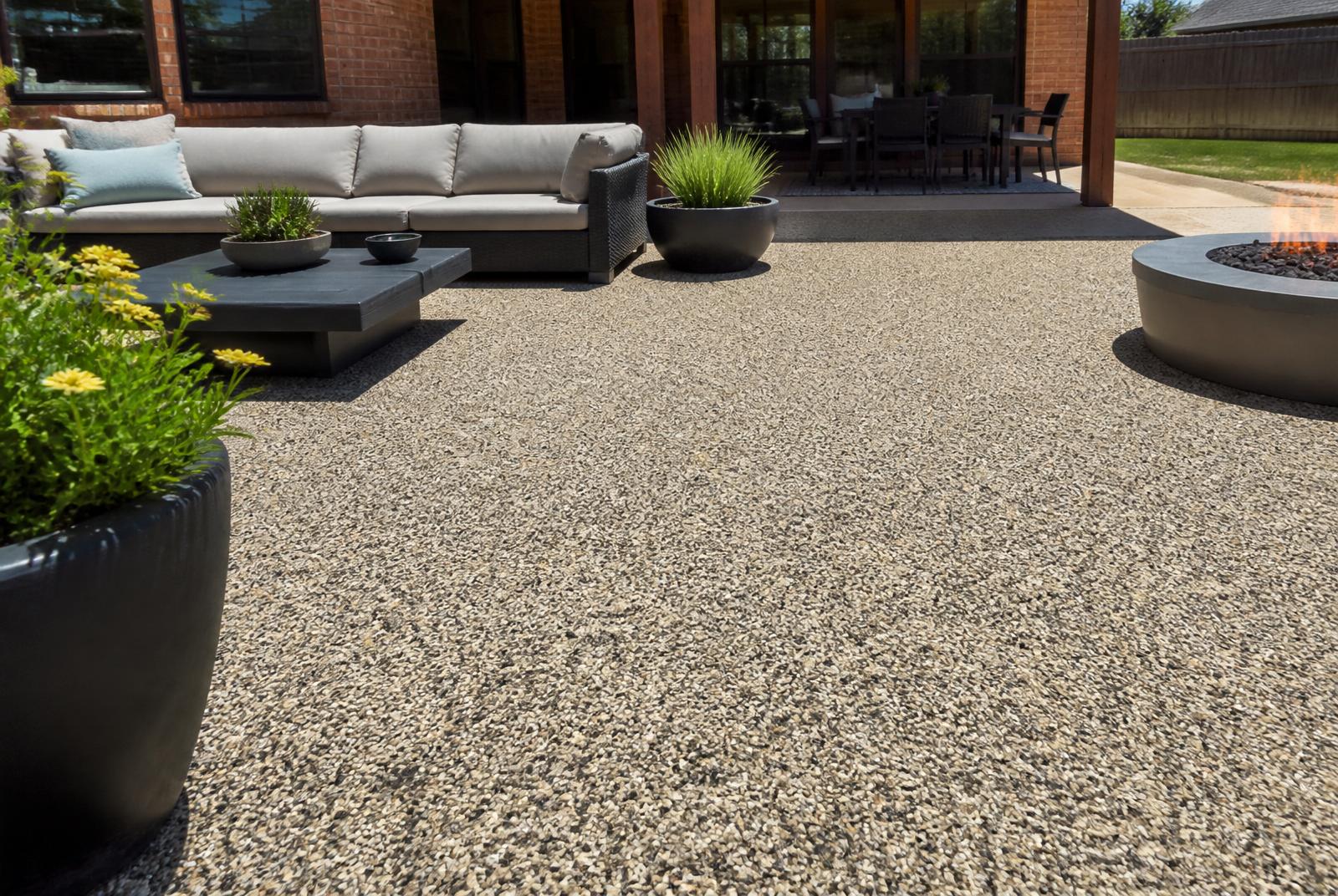
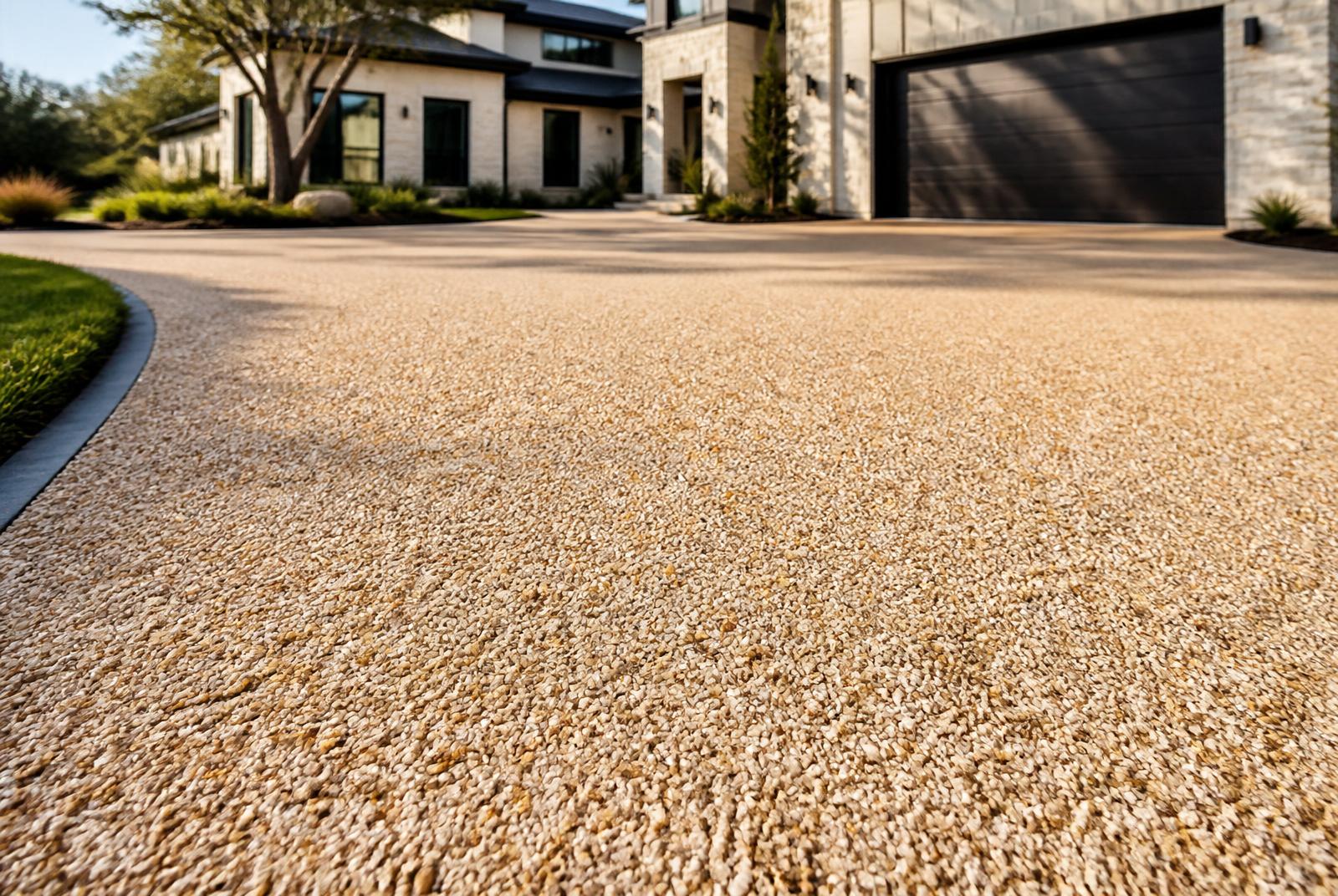
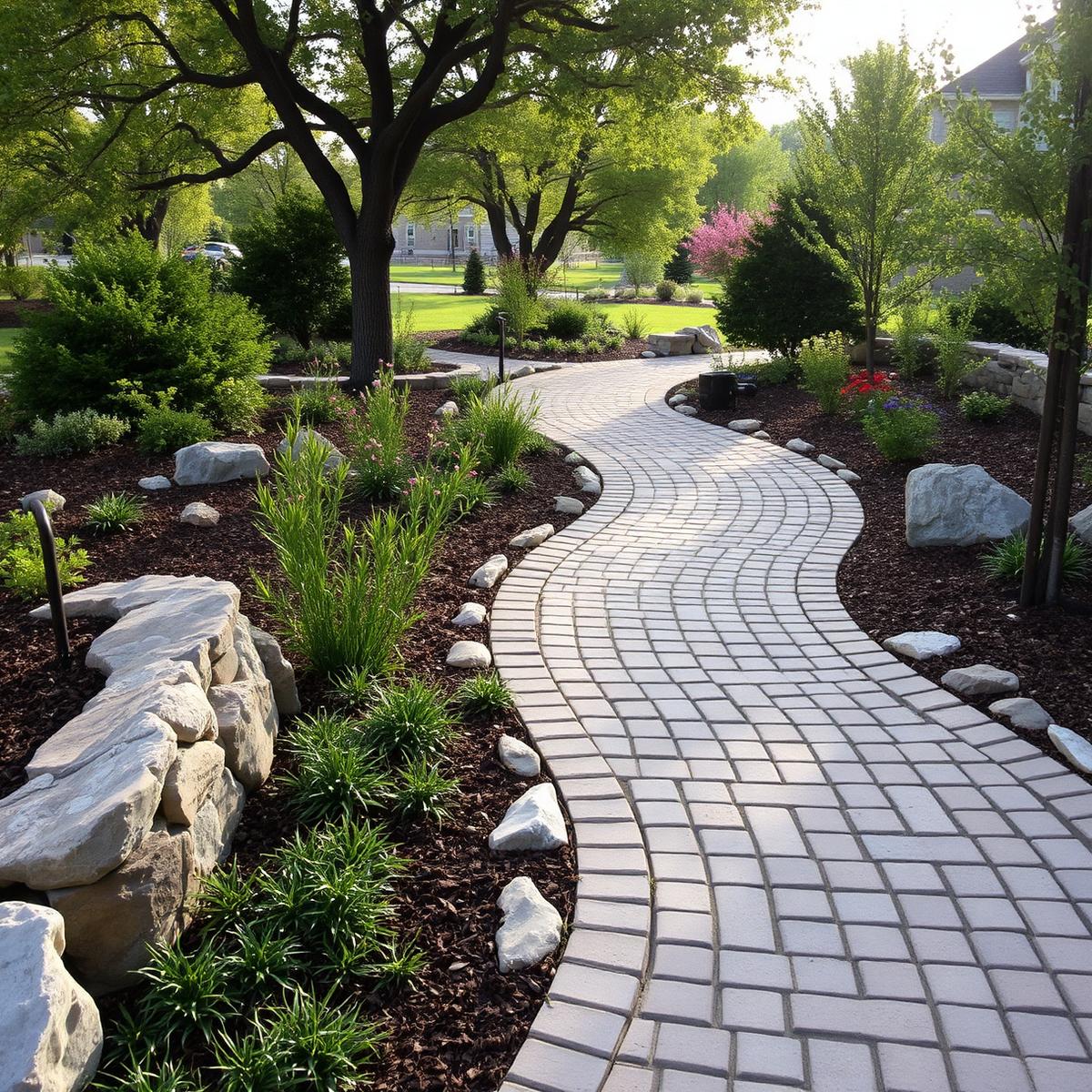
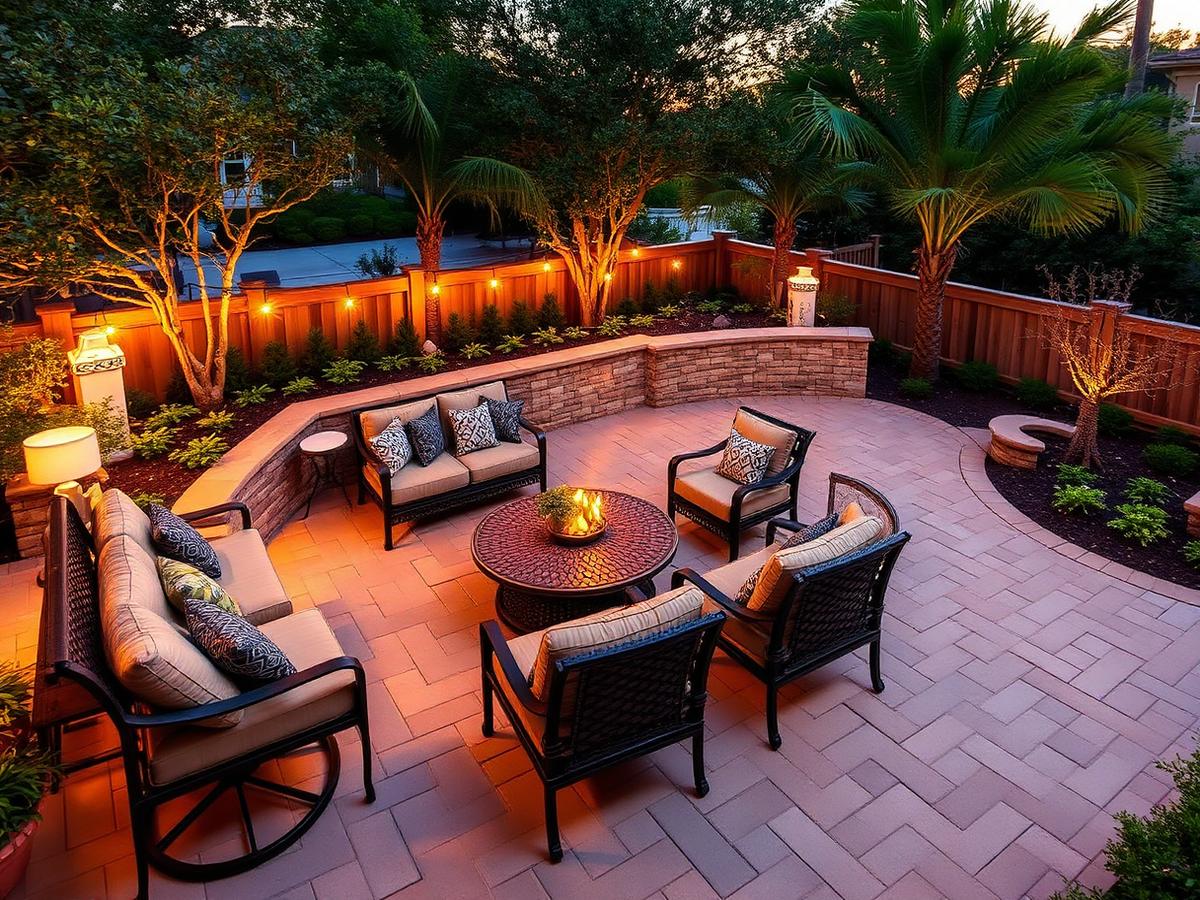
Preventing a paver patio from shifting or sinking in McKinney requires engineered ground preparation designed specifically for North Texas clay. The native soil—famously known as Blackland Prairie clay—has an extreme swell-shrink capacity, expanding up to 30 percent when saturated by spring rain and shrinking dramatically into deep fissures during hot DFW summers. Standard builder practices designed for stable soils will fail within two seasons here, causing uneven pavers, dangerous trip hazards, and pooling water.
At Paverston, we prevent patio shifting by installing a non-woven geotextile soil separation layer, over-excavating the reactive clay, placing a minimum 6- to 8-inch compacted crushed stone base in lifts, and securing the perimeter with heavy-duty concrete edge restraints. Combined with positive surface grading and polymeric joint sand, this floating interlocking system absorbs soil expansion without cracking or settling.
What this means for a DFW homeowner
If you live in McKinney, Frisco, or anywhere in Collin County, your outdoor living space is built directly over highly expansive soil. When unmanaged rainwater penetrates beneath a patio, the clay absorbs moisture like a sponge, swelling upward and pushing pavers out of alignment. Conversely, during dry August stretches, the clay loses moisture, contracts, and leaves empty pockets beneath the installation that cause heavy settling.
Ignoring native soil conditions usually leads to three major problems:
- Low spots and trip edges: Individual pavers sink into soft clay pockets, creating uneven surfaces that trap water and cause trips.
- Edge blowout: Without structural perimeter support, outer pavers spread outward into flowerbeds or lawn areas under foot traffic.
- Weed and pest intrusion: As joints open up from soil shifting, seeds take root, and ants wash out the bedding sand layer.
A properly built paver system acts as a flexible, unified slab. It moves uniformly with seasonal ground shifts rather than cracking apart like traditional poured concrete pads.
Best surface or material options for this project
Choosing the right paver material and surface style plays a major role in long-term performance across North Texas clay. Interlocking concrete pavers remain the gold standard because their tight joint geometry transfers loads across the entire surface.
- Interlocking Concrete Pavers: Available in multi-piece pattern kits (3-piece or 4-piece systems). Their chamfered edges and tight tolerances allow minor soil flex without chipping.
- Architectural Slab Pavers: Large-format concrete pavers create a sleek, contemporary outdoor room. They require a thicker 8-inch crushed stone base to prevent individual slab tipping.
- Natural Travertine Pavers: Ideal for pool decks and shaded patio areas because they stay cool under summer heat. Travertine requires an open-graded stone base (No. 57 stone wrapped in geotextile) to ensure instant water evacuation underneath.
- Porcelain Exterior Pavers: Extremely dense and impervious to moisture. Must be installed over a rigid or open-graded aggregate base with specialized setting materials to prevent movement.
When looking through patio design galleries, notice how multi-size interlocking patterns disguise natural ground movement far better than continuous straight-grid patterns.
Base prep, drainage, and North Texas soil details
Base prep is where 90 percent of a patio’s structural strength lives. Paverston follows strict engineering steps designed specifically for McKinney’s heavy clay base:
- Deep Excavation: We excavate 9 to 11 inches below final grade, removing topsoil, organic matter, and soft surface clay.
- Geotextile Separation Fabric: We lay a heavy-duty, non-woven geotextile fabric across the entire raw clay subgrade. This fabric prevents the soft clay from mixing into the clean aggregate stone base over time while allowing groundwater to pass through.
- Crushed Stone Flex Base: We install 6 to 8 inches of Texas Department of Transportation (TxDOT) Grade 1 crushed concrete or limestone flex base. We spread this material in thin 2-inch to 3-inch layers (lifts) and mechanically compact each lift to 98% density using heavy plate compactors.
- Bedding Layer: A uniform 1-inch layer of washed coarse concrete sand (ASTM C33) is screeded over the compacted base. This layer cushions the pavers and fills bottom chamfers during final compaction.
- Rigid Edge Restraints: We lock all exposed patio edges using reinforced concrete edge beams poured below grade or heavy-duty vinyl edging pinned with 10-inch steel spikes every 12 inches.
- Slope and Drainage: The entire surface is graded at a minimum slope of 1/8-inch to 1/4-inch per foot (1–2%) falling away from your home's foundation. Where space is tight, we integrate subsurface catch basins and low-profile French drains.
Cost guidance in Dallas–Fort Worth
Paver patio installation in the Dallas–Fort Worth metroplex starts at $20 per square foot for baseline professional installations. In McKinney, where deep clay excavation and extra base stone are mandatory to guarantee stability, pricing reflects the necessary structural labor and material depth.
| Project Scope / Type | Typical Price Range (per Sq Ft) | Included Structural Details for Clay Soil |
| :--- | :--- | :--- |
| Standard Concrete Paver Patio | $20 – $32 | 6" crushed base, geotextile fabric, sand jointing, edge restraint |
| Travertine or Porcelain Patio | $26 – $44 | 8" open-graded base, premium stone, geotextile, polymeric jointing |
| Existing Concrete Demolition | +$6 – $12 | Full removal of old 4" slab, haul-off, and re-grading subgrade |
| Complex Patterns / Inlays | +15% – 25% | Multi-piece borders, accent bands, intricate custom cuts |
Note: Every Paverston project includes custom drainage assessment, structural edge restraints, and deep base compaction tailored to your site's soil report.
What to look for in photos or during a site visit
When evaluating a contractor's past work or inspecting an ongoing project in your neighborhood, keep an eye out for these technical markers of quality:
- Visible geotextile fabric: In active job site photos, you should see fabric lining the bottom and sides of the dug-out dirt hole before any gray stone base is poured in.
- Substantial excavation depth: Look at existing door thresholds. The soil excavation depth should look deep—roughly the height of a standard brick or step riser down from the siding.
- Mechanical compaction equipment: Quality contractors use heavy gas-powered plate compactors, not small hand tampers, to consolidate base stone layers.
- Tight, crisp joint lines: Look down long runs of pavers. Lines should be laser-straight without wavy joint gaps that indicate poor edge restraint setting.
Paverston recommendation
Do not cut corners on base depth in North Texas. A paver patio is only as reliable as the ground beneath it. If a bid seems unusually low, ask the contractor how many inches of aggregate base they are installing and whether geotextile separation fabric is included. Saving a few hundred dollars on excavation or stone will cost thousands when the patio buckles after the next wet spring.
Paverston designs every patio, driveway, and outdoor living space to withstand Collin County’s toughest clay conditions. Call us today at 214-228-1011 or visit our /contact page to schedule an on-site evaluation and request a detailed, non-obligation estimate.
Related questions
How deep should you excavate for a paver patio in McKinney, TX?
In McKinney's clay soil, total excavation depth should be 9 to 11 inches. This accommodates a 6- to 8-inch crushed stone base, a 1-inch bedding sand layer, and standard 2.375-inch (60mm) pavers, placing the finished surface flush with your lawn or threshold.
Is geotextile fabric really necessary under paver patios in DFW?
Yes. Geotextile fabric is critical in North Texas. Without fabric, wet Blackland Prairie clay works its way up into the crushed stone base under foot traffic, contaminating the base aggregate and causing the foundation of your patio to sink over time.
Can a sunken paver patio in McKinney be repaired without replacing the pavers?
Yes. Because pavers form an interlocking floating system, sunken areas can be lifted individually. Paverston removes the affected pavers, cleans out failed soil or base underneath, reinstalls compacted stone and bedding sand, and resets the original pavers back in place seamlessly.
Why do concrete slabs crack while paver patios survive on expansive clay?
Solid concrete slabs are rigid and brittle. When expansive clay beneath them swells or drops, the slab cannot bend, causing it to crack across the middle. Pavers feature hundreds of small flexible joints that absorb micro-movements without structural failure.