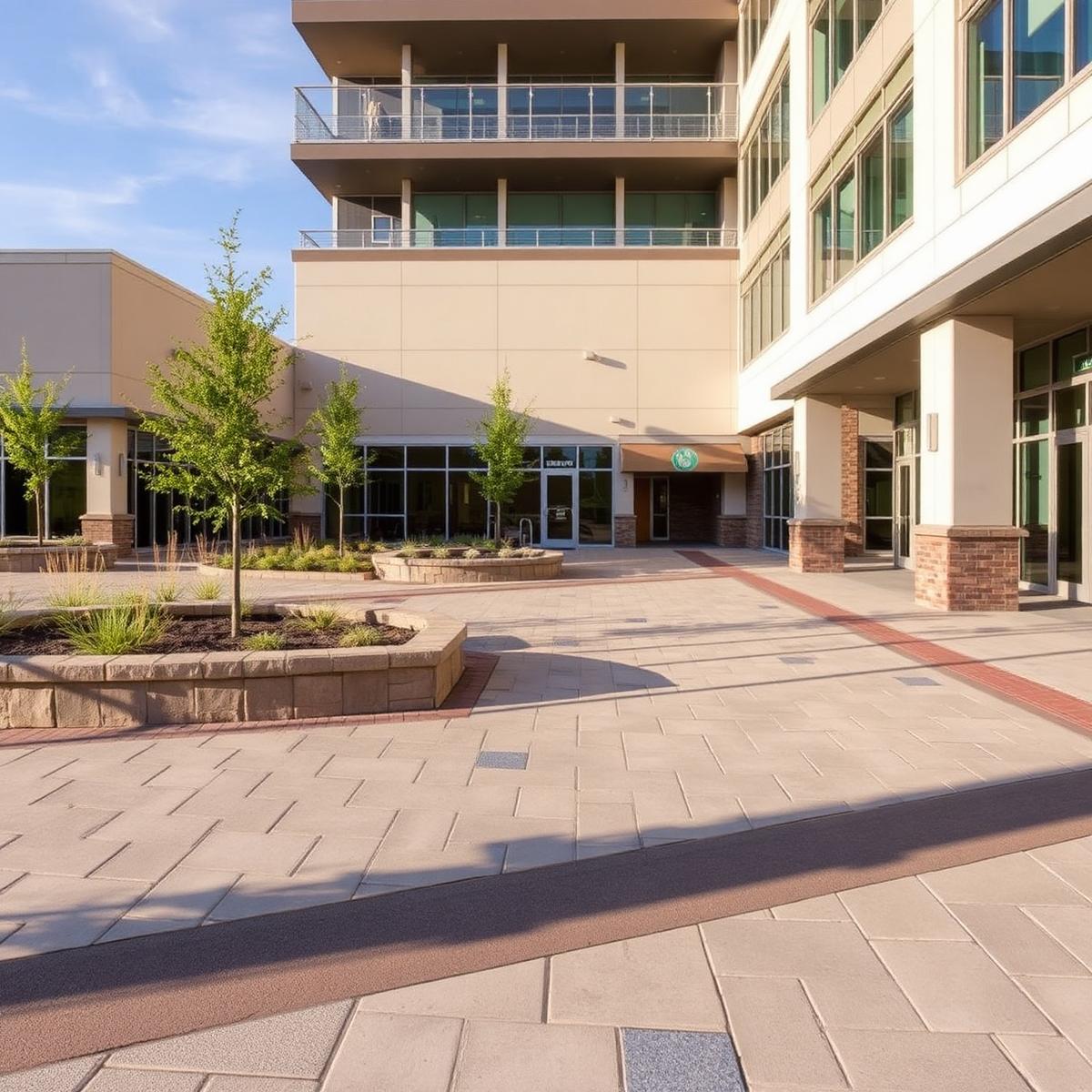
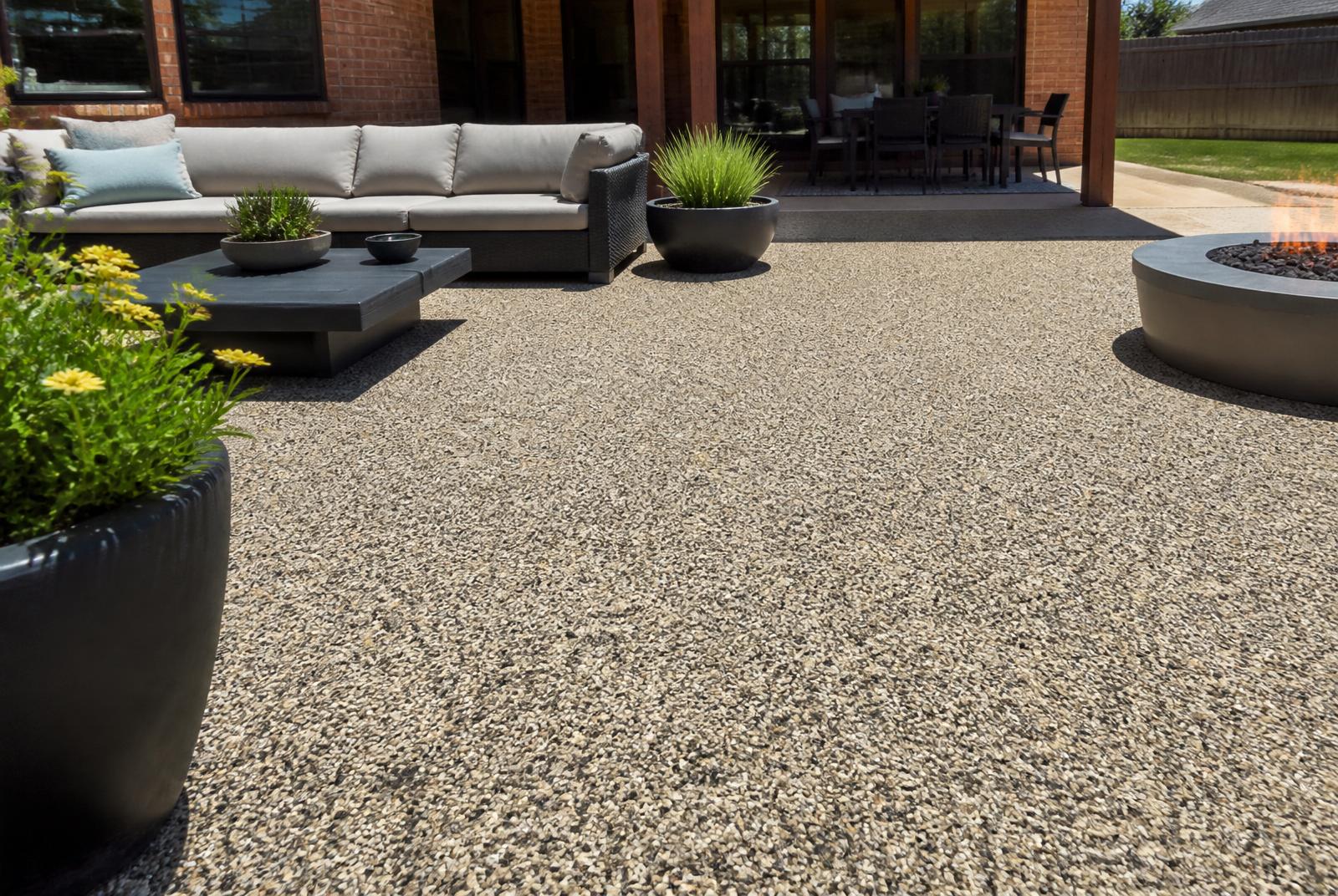
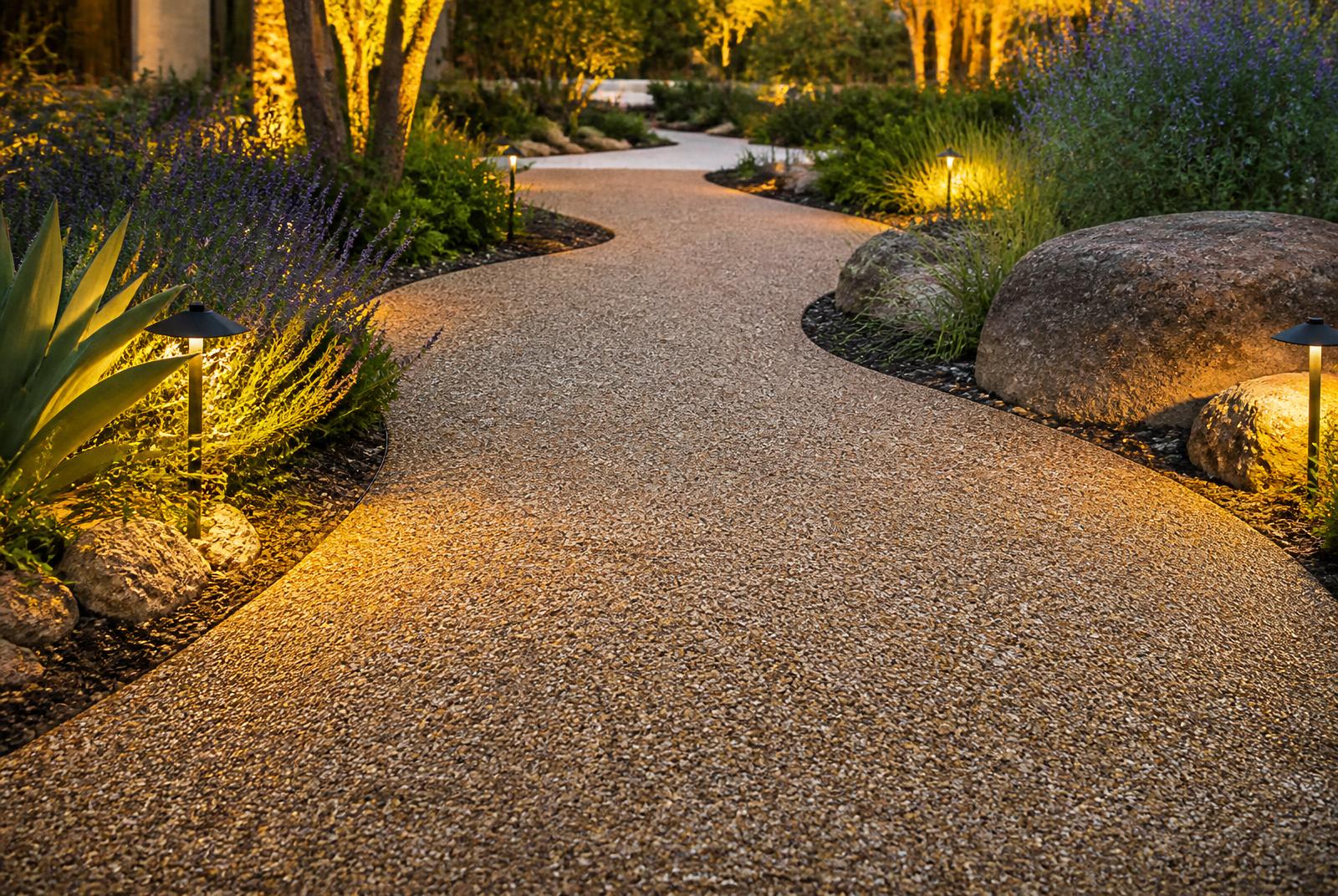
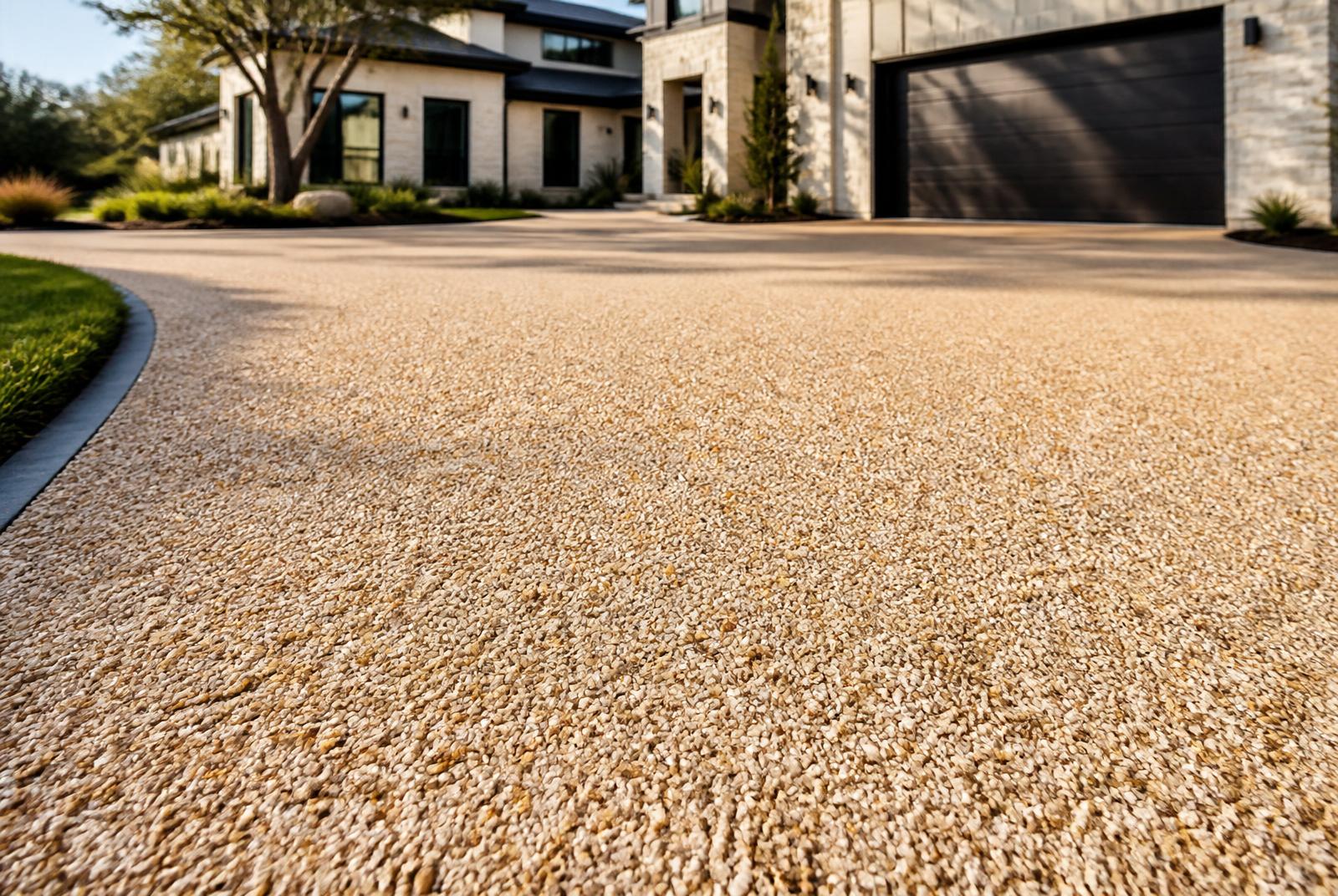
In McKinney, Texas, standard at-grade paver patios generally do not require a formal building permit from the City of McKinney Development Services Department. As long as your patio is strictly grade-level hardscaping and does not include structural elements like a roofed patio cover, pergola footings, electrical wiring, gas lines, or retaining walls exceeding four feet in height, you can typically proceed without a municipal permit. However, the installation must still respect city setbacks, public utility easements, and stormwater management rules.
While city permits are rarely required for simple ground-level hardscaping, almost every Homeowners Association (HOA) in McKinney—including those in Stonebridge Ranch, Craig Ranch, Trinity Falls, and Auburn Hills—requires formal Architectural Review Committee (ARC) approval before work begins. At Paverston, we assist Collin County homeowners by providing professional site drawings, material specifications, and drainage profiles to ensure your HOA submission passes on the first attempt.
What this means for a DFW homeowner
For a homeowner in McKinney, navigating the difference between city code and HOA covenants is essential to avoid costly project delays or tear-outs. The City of McKinney enforces specific land-use rules that apply even when a permit isn't required. Chief among these are drainage easements and lot coverage limits. In many newer McKinney subdivisions, backyards feature designated drainage easements designed to handle intense storm runoff. Placing permanent structures or significantly altering grades within these easements is prohibited by city ordinance.
On the HOA side, rules are often much stricter than municipal codes. McKinney ARC boards carefully scrutinize exterior modifications to maintain neighborhood cohesion. Before laying a single paver, your HOA will typically require:
- A copy of your official property survey (plat map) showing the exact proposed patio footprint.
- Detailed specifications on the paver manufacturer, style, color palette, and pattern.
- A clear drainage plan showing that runoff will not be redirected onto neighboring properties.
- Dimensions and setback distances from fence lines and property boundaries.
Failing to secure HOA approval before installation can lead to daily fines, forced removal of the unapproved patio at your expense, or issues when trying to sell your home later. Partnering with an experienced local contractor ensures all submittal documentation is accurate and fully compliant.
Best surface or material options for this project
Choosing the right material for a McKinney patio requires balancing local aesthetic trends with North Texas weather realities. Home architectural styles in McKinney range from historic downtown Craftsman and Victorian homes to modern traditional structures in master-planned communities. The most reliable material options include:
- Interlocking Concrete Pavers: The industry standard for DFW outdoor living areas. Available in slate-textured, tumbled stone, or clean contemporary modern profiles. They offer high compressive strength (over 8,000 PSI) and flex slightly with soil movement, preventing the widespread cracking common to poured concrete slabs.
- Natural Travertine Pavers: Extremely popular for upscale patio installations and outdoor living rooms. Travertine stays up to 20% cooler under foot than poured concrete during brutal 100°F+ North Texas July summers. Ivory, Walnut, and Noche tones blend seamlessly with native Texas brick and stone stone exteriors.
- Architectural Porcelain Pavers: Ultra-durable, non-porous 2cm porcelain pavers deliver a sleek, modern finish. They resist staining from outdoor cooking, UV fading, and freeze-thaw cycles, making them ideal for modern McKinney homes.
- Natural Flagstone Pavers: Cut flagstone provides a rugged, organic look that complements Hill Country-style elevations. When laid on an engineered aggregate base, flagstone provides timeless character without the cracking risk of mortared stone over concrete.
Base prep, drainage, and North Texas soil details
McKinney sits directly on North Texas Blackland Prairie clay soil—an extremely expansive clay subgrade that swells significantly when saturated and shrinks deeply during summer dry spells. Poured concrete patios almost always crack in this environment because the rigid slab cannot withstand the vertical and horizontal movements of shifting clay.
A flexible paver system engineered specifically for McKinney soil is designed to move without structural failure, provided the sub-base preparation is executed correctly. At Paverston, our baseline installation standard includes:
- Excavation: Digging down 7 to 9 inches below finished grade to clear organic topsoil and expose stable subgrade clay.
- Geotextile Stabilization Fabric: Installing heavy-duty woven soil separation fabric directly over the raw clay subgrade. This prevents crushed rock from pushing down into soft clay during wet seasons.
- Crushed Aggregate Base: Spreading 4 to 6 inches of flexible crushed concrete base (crusher run), thoroughly wet-compacted in 2-inch lifts using a heavy mechanical plate compactor.
- Bedding Layer & Jointing: Laying a precise 1-inch uniform bed of washed sharp concrete sand, followed by laying pavers, installing snap-edge concrete restrains, and sweeping polymeric joint sand to lock the surface together against weed growth and ant intrusion.
- Pitch & Drainage: Grading the surface with a minimum 1/8-inch to 1/4-inch per foot slope falling away from the home's foundation. If space constraints dictate water retention, integrated catch basins or French drains are installed to route rainwater safely to the street or rear swale.
Cost guidance in Dallas–Fort Worth
Paver patio installation in the Dallas–Fort Worth metroplex starts at $20 per square foot installed for standard concrete paver flatwork on clean ground. Final project costs depend on material selection, site access, site demolition requirements, slope corrections, and custom design features.
| Project Type / Material | DFW Average Installed Cost (per Sq Ft) | Key Site & Design Considerations |
| :--- | :--- | :--- |
| Standard Concrete Paver Patio | $20 – $32 | Includes excavation, geotextile fabric, 4-6" compacted base, sand bed, pavers, and polymeric sand. |
| Travertine or Porcelain Patio | $25 – $45 | Premium natural stone or porcelain (+25% to +40% over standard pavers); exceptional heat resistance. |
| Complex Laying Patterns | +15% to +25% premium | Custom borders, herringbone patterns, or circular medallions requiring intricate diamond-blade cuts. |
| Existing Concrete Demolition | +$6 – $12 (additional) | Breaking out and hauling away existing reinforced concrete patio slabs prior to base prep. |
| Existing Paver Demolition | +$4 – $8 (additional) | Removing and hauling away outdated or failed pavers and base material. |
What to look for in photos or during a site visit
When evaluating a contractor's portfolio or observing an active patio installation in your McKinney neighborhood, keep an eye out for these critical craftsmanship indicators:
- Edge Restraint Systems: Look closely at the borders of finished patios in project photos. Professional installations feature heavy-duty commercial edge restraints spiked deep into the aggregate base with 10-inch steel spikes to prevent pavers from spreading outward over time.
- Border Cuts and Symmetry: High-quality craftsmanship displays tight, uniform border cuts (soldier or sailor courses) framing the patio perimeter, with clean arc radius cuts around fire pits or seating walls.
- Surface Levelness and Pitch: During a physical site visit, inspect the finished surface along a straight edge. Pavers should sit completely flush relative to each other without uneven lips (tripping hazards), while maintaining a smooth, subtle downward pitch away from the residence foundation.
- Clean Transitions: Check how the patio interfaces with adjacent features like lawn irrigation, fence lines, screen enclosures, and backdoor thresholds. Top contractors leave clean soil margins for sod restoration and protect weep holes along brick veneer walls.
Paverston recommendation
If you are planning an outdoor living project in McKinney, start your HOA submission early—most Collin County ARC committees take 14 to 30 days to review applications. Never order materials or allow a crew to excavate before your official HOA approval letter is in hand.
Skip rigid poured concrete in favor of an engineered flexible paver system that handles Blackland Prairie clay movement effortlessly. Paverston provides complete design support, accurate HOA plan drawings, and fully warranted hardscape installations across McKinney and the greater DFW metroplex. All our paver installations start at $20/sq ft and are built to exceed local engineering standards.
Ready to transform your backyard? Contact Paverston today at 214-228-1011 or visit our contact page to schedule your on-site consultation and design estimate.
Related questions
What happens if I build a paver patio in McKinney without HOA approval?
If you construct a paver patio without prior HOA ARC approval, your association can issue daily non-compliance fines, place a lien on your property, or legally force you to modify or completely remove the hardscaping at your own expense.
Do I need a city permit if I add a pergola or fire pit to my patio?
Adding an unroofed modular fire pit usually does not require a permit, but constructing an overhead structure like a attached or freestanding pergola, a patio cover with a solid roof, or running permanent electrical or gas lines requires a formal building permit from the City of McKinney.
How close to my property line can I build a paver patio in McKinney?
At-grade paver flatwork can generally extend close to property lines, but it cannot encroach on public utility easements or drainage easements established in your subdivision's plat. Most HOAs also enforce specific setback rules (often 3 to 5 feet from side and rear fences).
How long does the HOA approval process usually take in McKinney?
Most McKinney HOAs take between 2 to 4 weeks to review architectural review applications. Submitting a complete package upfront—including your property plat map, exact paver material specs, color samples, and drainage plan—helps avoid rejections and speeds up the decision process.