
Rubber Surfacing
Soft. Cool. Slip-Proof. ADA-Ready. Poured On-Site.
Cool. Cushioned. Slip-resistant. Poured on-site as one continuous surface.
Premium rubber surfacing is a two-component polyurethane binder trowel-mixed with EPDM or SBR rubber granules and poured seamlessly over concrete, asphalt, or a compacted stone base. The finished surface is soft underfoot, dramatically cooler than concrete, ADA compliant, and impact-rated for playgrounds and pool decks — the only surface engineered to be safe barefoot, wet, and in Texas summer heat all at once.
Eight reasons DFW families are replacing Kool Deck with rubber.
Colored EPDM stays 20–35°F cooler than concrete or Kool Deck — safe for bare feet around pools all summer.
Poured-in-place rubber meets ASTM F1292 fall-attenuation for playgrounds up to 12-foot fall heights.
One continuous pour — no tile lines, no expansion joints, no pavers to shift or trip on.
Firm, stable, slip-resistant — meets ADA 302.1 and ASTM F1951 for wheelchair accessibility.
Rubber texture channels water and grips wet feet — safer than concrete, tile, or Kool Deck around pools and splash pads.
Polyurethane binder resists pool chlorine, salt-water systems, spa shock, and typical pool chemistry.
Permeable formulation lets splash-out and rainwater drain through — no standing water, no puddles.
Solid, blended, or multi-color patterns. Custom logos, playground games, and swim lane markings cast in.
Where rubber surfacing wins.
Pool Deck Rubber Surfacing
The barefoot answer to hot pool decks. Cooler than Kool Deck, softer than pavers, safer wet than tile or concrete.
Playground Rubber Surfacing
Poured-in-place ASTM F1292 rated fall surface. Custom colors and game markings cast in.

Splash Pads
Perfectly matched to splash-pad drainage and chemistry. Kids' bare feet, wet all day, cool to touch.
Gym Flooring
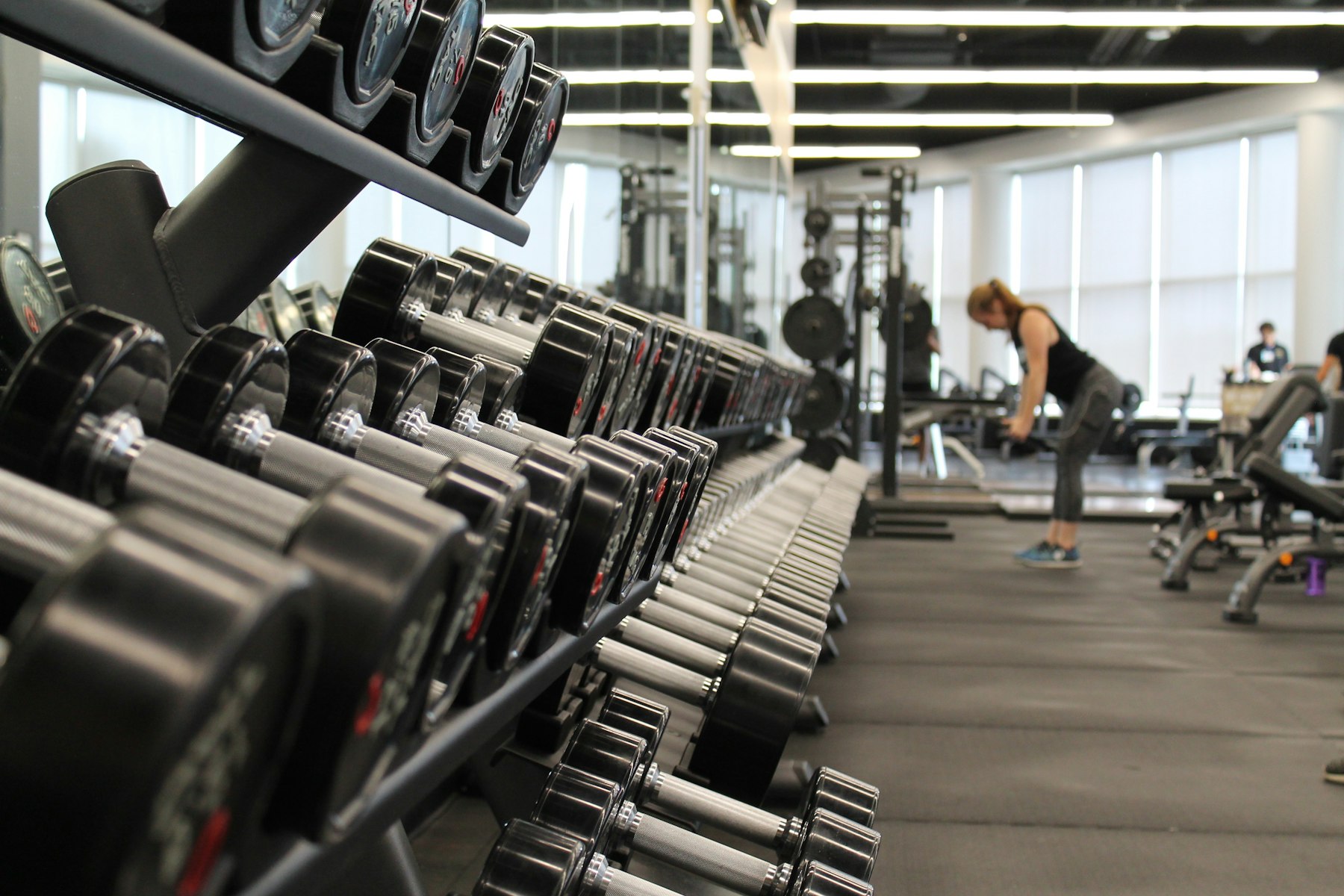
Home gyms, HOA fitness rooms, and light commercial gyms — shock absorption plus a seamless, easy-clean surface.
Sports Areas
Sport courts, running paths, and multi-use surfaces with cushioned, weather-durable rubber.
Commercial Walkways
High-traffic covered walkways where slip resistance and low-noise matter more than raw durability.
Apartment Communities
Amenity decks, dog parks, playgrounds, and pool surrounds — one contractor, one continuous surface.
Daycare Centers
Safe, non-toxic, colorful, and easy to sanitize. Custom games and color zones for early learning.
Schools
Playgrounds, cafeteria patios, and outdoor learning surfaces — durable enough for institutional use.
Retirement Communities
Fall-attenuation for senior residents plus ADA compliance and cane/walker/wheelchair friendliness.
SBR base + EPDM top course + UV-stable polyurethane binder.
EPDM rubber granules are colorfast — will not fade in direct Texas UV. SBR (black base) is UV-stable but colored EPDM top-coat is required for outdoor color.
Flexible polyurethane binder handles -30°F to 170°F cycling without cracking or debonding.
Coefficient of friction 0.85+ wet — well above ADA 0.6 minimum and safer than wet tile or concrete.
Light EPDM blends measure 20–35°F cooler than concrete or Kool Deck on 100°F Texas days.
Permeable formulation drains 4,000+ liters/m²/hour — no puddles around pools or splash pads.
Meets ADA 302.1 accessible surface standards and ASTM F1951 wheelchair firmness/stability.
Polyurethane binder resists pool chlorine, salt, urine, sunscreen, common cleaning agents.
Chlorine, salt-water, bromine, and shock treatment safe — no discoloration or breakdown.
Resists occasional oil splashes; not recommended as a vehicle driving surface.
Meets ASTM F1292 head-impact protection to 12-foot fall heights when installed at spec thickness.
Flexible material bridges hairline substrate cracks; won't crack from thermal cycling.
Six-step Paverston rubber install process.
- STEP 01
Site assessment
Verify sub-base, measure square footage, confirm drainage direction, and select color blend from physical samples.
- STEP 02
Substrate prep
Existing concrete or asphalt is cleaned, spalls patched, and primed. New areas get compacted aggregate + geotextile.
- STEP 03
Primer application
Polyurethane primer sealed into the substrate for a chemical bond — critical for pool decks and freeze-thaw zones.
- STEP 04
Base course
SBR rubber + polyurethane binder poured, screeded to 1/2 in. for cushion (up to 5-inch for playgrounds per fall rating).
- STEP 05
Colored top course
EPDM colored granules + UV-stable binder poured over base, hand-troweled to a uniform 1/4 in. wearing surface.
- STEP 06
Cure & handoff
Foot traffic in 24 hours, full use in 72 hours. Playground certification and warranty paperwork delivered.
Rubber vs everything else.
Full head-to-head comparisons — cost, life, heat, safety, and maintenance.
Rubber Surfacing vs Kool Deck
Kool Deck was 1980s state of the art. Rubber surfacing is 2020s.
Rubber Surfacing vs Concrete
Concrete pool decks are cheap, hot, and dangerous when wet. Rubber solves all three.
Rubber Surfacing vs Spray Deck
Spray deck is a paint job. Rubber is a surfacing system.
Rubber Surfacing vs Pavers
Two premium pool-deck answers. Different strengths.
Rubber vs Resin Bound Stone
Both are premium poured surfaces. Very different jobs.
Rubber surfacing installations across DFW.
Frisco
Frisco's dense HOA amenity centers and family neighborhoods drive strong rubber demand for pool decks and playgrounds.
Plano
Plano parks and pool decks are prime candidates for rubber retrofit over existing concrete.
McKinney
McKinney splash pads and community pools spec rubber for barefoot safety.
Prosper
Prosper's new-construction luxury pools use rubber decks for barefoot safety without the heat of Kool Deck.
Fort Worth
Fort Worth apartment complexes and HOAs pick rubber for multi-use amenity decks.
Dallas
Dallas urban daycares and Preston Hollow pool decks are typical rubber install sites.
Southlake
Southlake luxury homes pair rubber pool decks with resin bound driveways in a matched surfacing plan.
Plus every DFW city — see full service area.
Rubber surfacing FAQ.
What is rubber surfacing?+
Rubber surfacing is a poured-in-place system that mixes recycled SBR or virgin EPDM rubber granules with a two-part polyurethane binder, then trowels them seamlessly over a prepared base. The finished surface is soft, cool, slip-resistant, ADA compliant, and impact-rated.
How much does rubber surfacing cost in Texas?+
Preliminary DFW ranges: pool decks $16–$26/sq ft, playgrounds $14–$28/sq ft (thickness varies by fall height), gym floors $12–$20/sq ft. Substrate condition, thickness required, color complexity, and square footage drive final price.
How long does rubber surfacing last?+
12–18 years for pool decks and walkways with normal residential use. Commercial playgrounds under heavy use typically re-top-coat at 8–10 years. Paverston backs installs with an 8-year workmanship warranty.
Is rubber better than Kool Deck around a pool?+
For safety, comfort, and longevity — yes. Rubber stays cooler, doesn't chip or flake like Kool Deck, is far more slip-resistant, and lasts 2–3× longer. Kool Deck is cheaper upfront; rubber is the long-term value choice for barefoot pool families.
Is rubber surfacing better than concrete?+
Around pools, playgrounds, and gyms — yes. Rubber is soft, cool, non-slip, and impact-absorbing. Concrete is cheaper and better for driveways and vehicular loads. For barefoot surfaces, rubber wins.
Is rubber surfacing better than pavers?+
For barefoot pool decks and any surface where kids fall, rubber wins on comfort and safety. Pavers win on individual replacement and heavier structural loads. They're complementary — many DFW backyards use both.
Is rubber surfacing hot in Texas summer?+
Light-color EPDM blends stay 20–35°F cooler than concrete or Kool Deck under direct 100°F sun. Dark blends (black, dark gray) do heat up — light or mid-tone colors are recommended for barefoot areas.
Is rubber surfacing slip-resistant when wet?+
Yes. Coefficient of friction is 0.85+ wet — well above the ADA 0.6 minimum. It's one of the safest wet-surface options available, which is why it dominates splash pads and pool decks.
Can rubber surfacing go over existing concrete?+
Yes — this is the most common install. Concrete is cleaned, spalls patched, primed, and rubber is poured seamlessly on top. Saves $6–$12/sq ft vs. tearing out and starting over.
Is rubber surfacing ADA compliant?+
Yes. Poured-in-place rubber meets ADA 302.1 (firm, stable, slip-resistant), ASTM F1951 (wheelchair firmness and stability), and ASTM F1292 for playground fall attenuation.
Is rubber surfacing safe around swimming pools?+
Yes — it's engineered for it. Chlorine, salt, and shock resistant. Slip-resistant wet. Cool enough for bare feet. Drains splash-out water instantly. Better than tile, concrete, or Kool Deck for barefoot pool decks.
How thick does playground rubber need to be?+
Thickness is set by the highest equipment fall height, per ASTM F1292: 2.5 inches for 4-ft fall, 3.5 inches for 8-ft fall, 4.5 inches for 12-ft fall. We certify each install to spec.
Does rubber surfacing drain?+
Yes — the permeable formulation drains 4,000+ liters/m²/hour. Pools, splash pads, and rain all drain through instead of pooling on top.
Does rubber surfacing crack?+
The flexible polyurethane binder bridges hairline substrate cracks and thermal movement, so surface cracking isn't a common failure mode. Bond loss can happen if primer wasn't applied properly — always confirm the installer includes a primer step.
How do you clean rubber surfacing?+
Rinse with a garden hose, pressure wash monthly on a fan tip at moderate pressure. Mild pH-neutral cleaner for stubborn spots. Chlorine and bleach spills wipe up without staining.
How long before you can walk on it?+
Foot traffic 24 hours after install (weather dependent). Full use, pool re-fill, and playground certification at 72 hours.
What's the difference between EPDM and SBR rubber?+
EPDM is virgin, colorfast rubber engineered for outdoor color use — used as the wearing/color layer. SBR is recycled (usually black) tire-rubber granules — used as the base cushion layer for cost efficiency. Premium installs use both: SBR base, EPDM color top.
Is rubber surfacing eco-friendly?+
Yes — SBR base uses recycled tire rubber, keeping thousands of pounds of tires out of landfills per install. The polyurethane binder is a two-component system with minimal VOC once cured.
Can kids and pets safely use rubber surfacing?+
Yes. Non-toxic once cured, soft on paws and knees, doesn't harbor pests, and cleans easily after accidents. Widely used in daycares, dog parks, and pediatric therapy centers.
Does rubber smell?+
Freshly poured rubber has a mild polyurethane odor for 24–72 hours. Fully cured rubber is odor-free in outdoor use. Indoor gyms may notice a light rubber smell for the first week.
Can you install rubber over an existing pool deck?+
Yes — the most common Texas retrofit. Sound concrete pool decks are cleaned, primed, and re-surfaced in rubber. Turns a dangerous hot deck into a cool safe one without demoing coping or the pool shell.
What colors are available?+
50+ solid EPDM colors plus custom blends. Common Texas picks: sand, tan, terracotta, gray blends, and blue/white pool combinations. Custom logos and playground games can be cast in during install.
How does rubber compare to spray deck?+
Rubber lasts 2–3× longer, stays cooler, is far softer underfoot, and is genuinely slip-resistant. Spray deck is cheaper but chips, wears, and doesn't cushion.
Can you repair damaged sections?+
Yes. Damaged areas are cut out, primed, and re-poured with matching color batch. Repairs are visible on close inspection but blend well from normal distance.
Does rubber surfacing add home value?+
In Texas markets with kids, pools, or accessibility needs — yes. Pool listings featuring cool-touch rubber decks often outperform comparable concrete decks in days-on-market.
Do you install for HOAs and daycares?+
Yes — much of our commercial rubber work is HOA amenity decks, apartment pool decks, daycares, and senior living communities. We provide ASTM certification paperwork, warranty documents, and maintenance schedules.
Do you need a permit in DFW?+
For like-for-like resurfacing over existing concrete, most DFW cities don't require a permit. Playground new-construction on public property does — we coordinate documentation.
Can rubber replace a splash pad surface?+
Yes — many DFW splash pads are converted from concrete to rubber to eliminate slip-fall claims. The permeable formulation lets splash-pad drainage function normally.
What maintenance does rubber surfacing need?+
Rinse weekly, pressure wash monthly (low pressure), spot-clean chemical spills. Every 5–7 years a top-coat refresh restores the color and seals any minor wear — cheaper and faster than re-installing.
How does rubber surfacing compare to resin bound stone?+
Rubber is softer, cushier, and impact-rated — the right pick for playgrounds, gyms, and barefoot pool decks. Resin bound is firmer, more architectural, and vehicular-rated — the right pick for driveways, patios, and courtyards. Many DFW backyards use both.
Ready to cool down your pool deck?
Free on-site consult with physical EPDM color samples. Written estimate within 48 hours.