
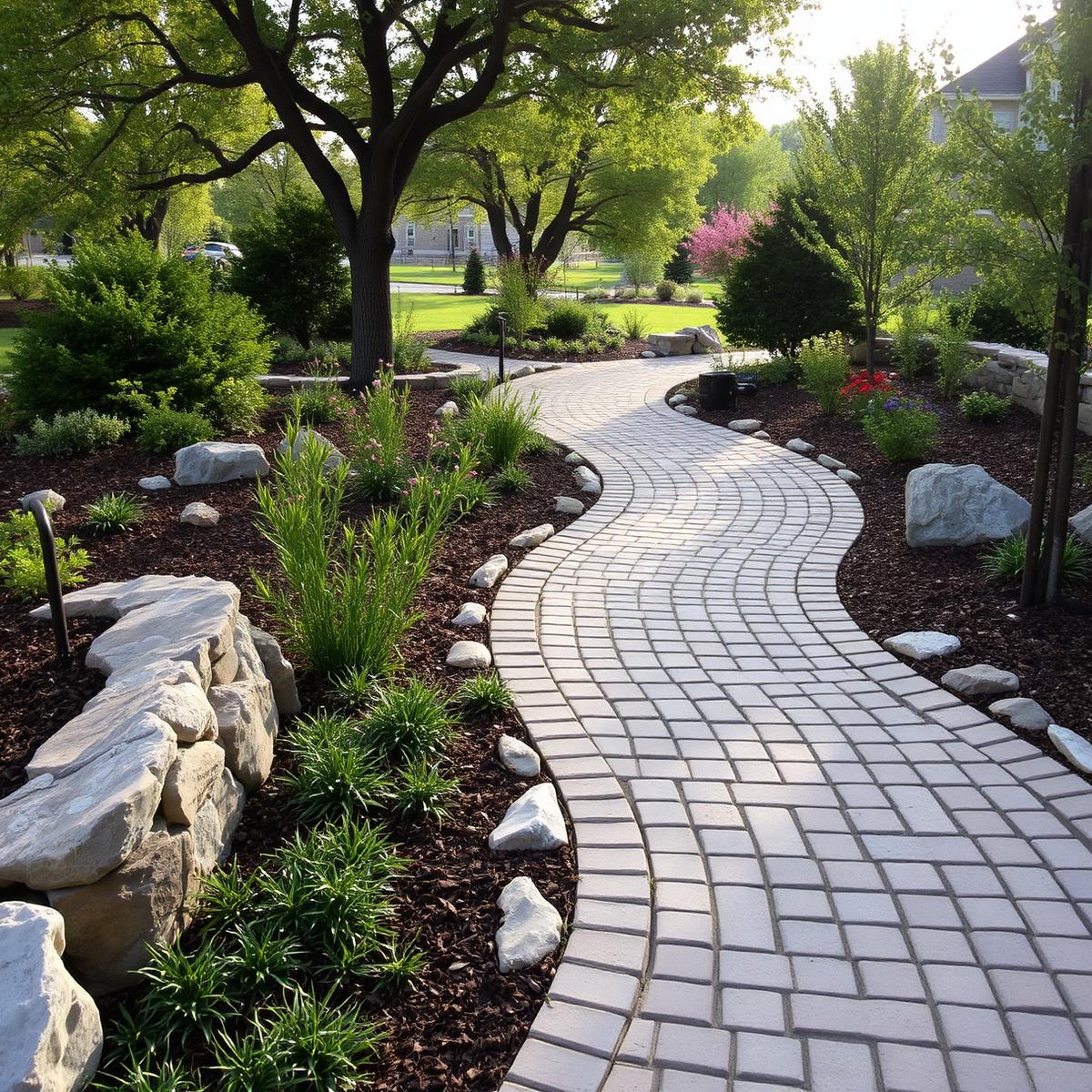
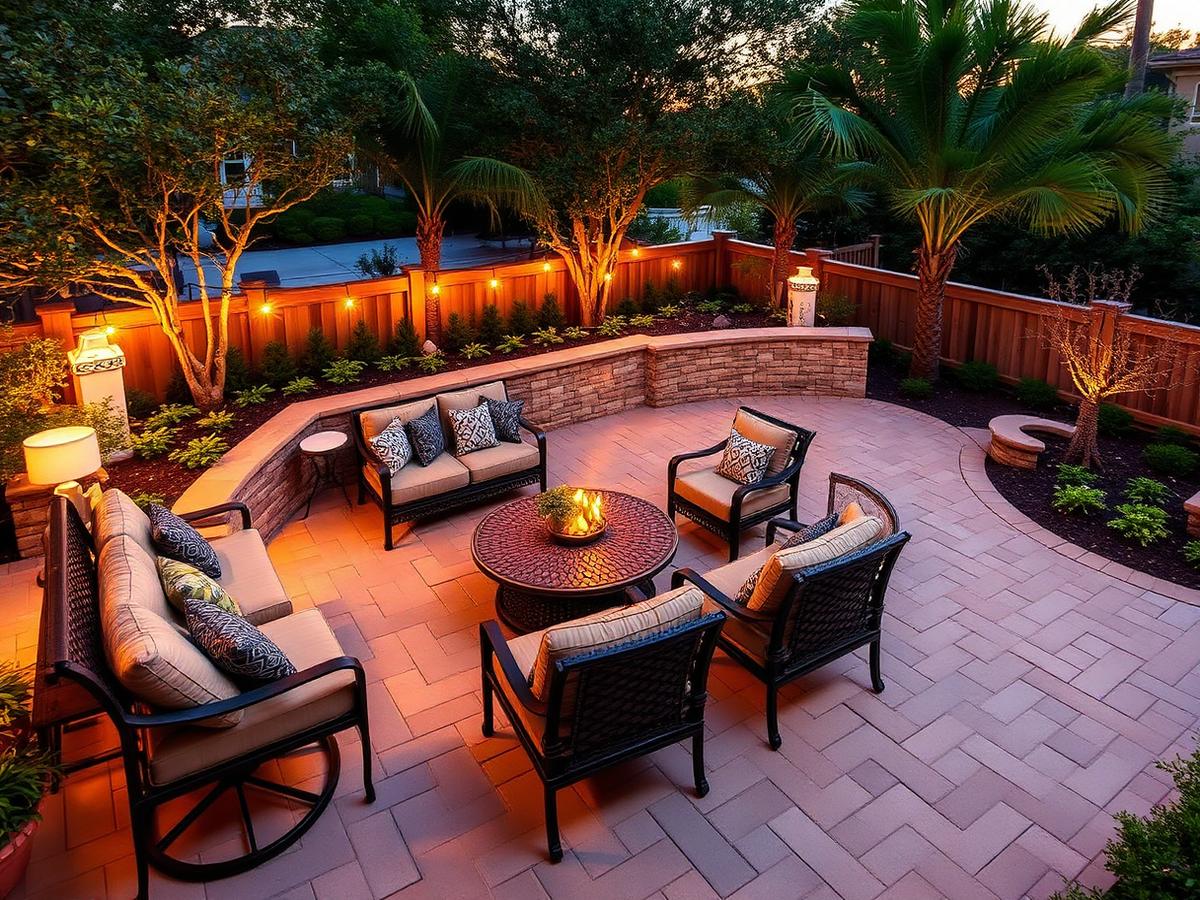
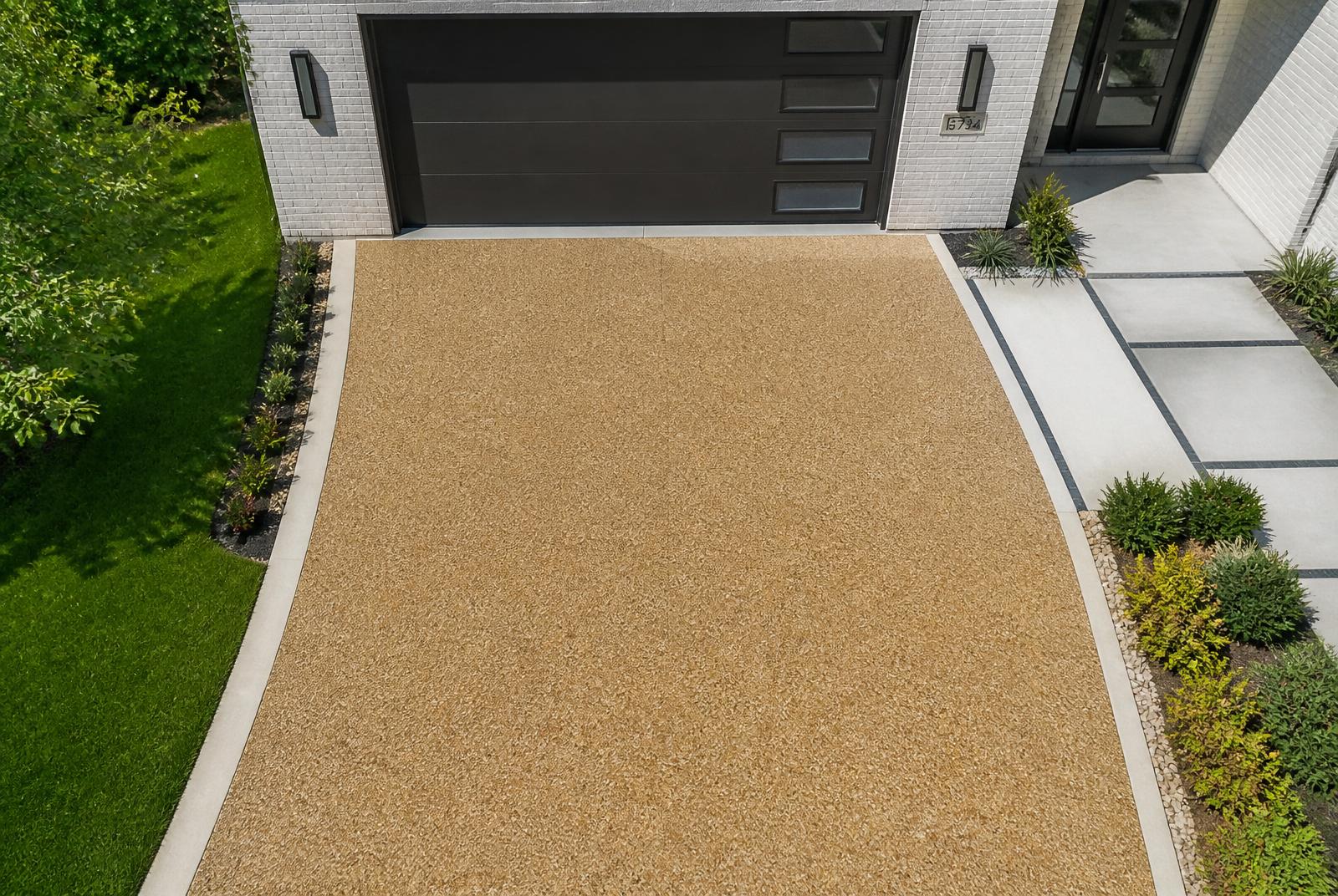
When choosing between pavers and stamped concrete for a walkway in Dallas, interlocking pavers are the vastly superior option. The DFW metroplex rests on highly expansive Eagle Ford and Houston Black clay soils that shrink during hot summers and swell significantly after rainfall. Solid slabs like stamped concrete inevitably crack under these continuous soil shifts, destroying the stamped pattern and leading to uneven surfaces.
Interlocking pavers, on the other hand, create a flexible paving system. Because a paver walkway consists of individual high-density units bound together by aggregate base and sand joints, the structure can accommodate ground movement without cracking. If localized soil shifting ever causes a slight dip, individual pavers can easily be reset—something impossible with a cracked stamped concrete slab.
What this means for a DFW homeowner
Dallas soil is notorious for high plasticity, expanding up to 10 percent or more depending on moisture levels. When you pour a monolithic slab of concrete for a walkway—even one reinforced with rebar and stamped with attractive textures—the vertical and horizontal pressure exerted by shifting subgrade soil places immense stress on the rigid material. Over time, hair-line cracks will develop, moisture will penetrate the surface, and freeze-thaw cycles during North Texas winter cold snaps will widen those breaks.
When stamped concrete cracks, repairing it cleanly is nearly impossible. Patching compound creates an unsightly visual patch that never matches the original dye, texture, or sealant. Over years of Dallas sun exposure, stamped concrete sealers also yellow, peel, or fade, requiring frequent pressure washing and resealing every 2 to 3 years to maintain visual appeal.
With an interlocking paver walkway, each joint acts as a natural control joint. The individual units move independently without structural stress. Furthermore, pavers offer superior traction during heavy downpours, avoiding the dangerously slick finish common to newly sealed stamped concrete walkways.
Best surface or material options for this project
When evaluating materials for a residential walkway in Dallas, balance immediate aesthetics with long-term resistance to soil heave:
- Interlocking Concrete Pavers: Manufactured by top brands like Belgard and Pavestone, these dry-cast units feature 8,000+ PSI compressive strength—more than double the strength of standard poured concrete. They resist cracking, handle thermal expansion effortlessly, and come in diverse shapes, colors, and textures.
- Travertine Pavers: Travertine offers a luxurious, natural stone appearance that stays significantly cooler under the Texas sun than standard concrete or stamped slabs. Travertine pavers installed over a crushed stone base flex naturally with subgrade shifts.
- Porcelain Pavers: Highly durable, non-porous, and impervious to stain or fade. Porcelain offers a modern look with high slip resistance, though installation requires specialized handling and exact setting methods.
- Stamped Concrete: A standard concrete pour textured with rubber stamps to mimic stone or brick. While visually appealing when first sealed, its rigid design makes it highly vulnerable to long-term cracking and surface spalling in North Texas.
Base prep, drainage, and North Texas soil details
In Dallas, a paver installation is only as reliable as the foundation beneath it. Standard quick-prep methods will fail on expansive clay. At Paverston, our deep-base installation process ensures your walkway resists settling and heaving:
- Deep Excavation: We excavate 7 to 9 inches below grade, removing organic topsoil and exposing subgrade clay.
- Geotextile Stabilization: We lay a heavy-duty woven geotextile fabric between the raw clay subgrade and crushed base material. This critical barrier prevents expansive clay from migrating upward and compromising the base aggregate during wet conditions.
- Compacted Aggregate Sub-Base: We spread 4 to 6 inches of crushed limestone base (TXDOT Grade 4 flex base), compacting in 2-inch lifts to achieving 98% Standard Proctor density.
- Bedding Sand: A 1-inch uniform layer of coarse angular bedding sand (ASTM C33) provides a smooth, level setting bed for the pavers.
- Polymeric Joint Sand & Edge Restraints: Commercial-grade snap-edge concrete restraints pinned with heavy steel spikes hold the perimeter intact. Joints are filled with polymeric sand, activated with water to form a durable, weed-resistant, flexible bond.
- Integrated Drainage: Because water pooled near a foundation exacerbates soil movement, walkways are sloped away from the home at a minimum 1/4 inch per foot. Where necessary, we integrate catch basins, French drains, or core-drilled pop-up emitters to keep water moving off the walkway.
Cost guidance in Dallas–Fort Worth
While stamped concrete can appear slightly cheaper in initial bid quotes, the total cost of ownership over 10 to 20 years strongly favors pavers due to low maintenance, lack of structural failure, and simple localized repairs. All Paverston paver walkway installations in DFW start at $20/sq ft installed.
| Feature / Metric | Interlocking Concrete Pavers | Travertine / Porcelain Pavers | Stamped Concrete Slab |
| :--- | :--- |
|---|
| Installed Cost per Sq Ft | $20 – $32 | $25 – $44 | $15 – $25 |
| Soil Shift & Flex Resistance | Excellent (Modular units flex) | Excellent (Modular stone flexes) | Poor (Monolithic slab cracks) |
| Lifespan | 30–50+ Years | 40–50+ Years | 10–15 Years (Before major cracks) |
| Repairability | Simple (Replace individual pavers) | Simple (Replace individual stone) | Difficult (Requires slab removal/patching) |
| Maintenance Required | Polymeric sand touch-up every 3–5 yrs | Sealer optional every 3–5 yrs | Reseal every 2–3 yrs; crack fill |
| Wet Slip Resistance | High (Textured pavers) | High (Tumbled stone finish) | Moderate to Low (Slick when sealed) |
Note: Existing concrete removal adds $6 to $12 per sq ft. Removal of existing pavers adds $4 to $8 per sq ft. Premium patterns, borders, or narrow access paths add 15% to 25% to overall labor.
What to look for in photos or during a site visit
When evaluating past walkway project photos or assessing your own home site, focus on details that demonstrate structural longevity:
- Perimeter Edging: Check project photos for concrete or polymer edge restraints concealed below turf level. Without solid edging, outer pavers push outward into the lawn.
- Foundation Clearance: A correctly installed walkway maintains proper elevation beneath weep holes and siding, preventing wood rot and pest intrusion.
- Joint Consistency: Inspect walkway photos for straight joint lines, uniform gap spacing, and tight soldier-course borders.
- Drainage Flow: During a site walk, note high points where roof runoff lands. Look for proper pitch directing stormwater away from home entryways and foundation walls.
Paverston recommendation
For homeowners in Dallas, Richardson, Plano, and surrounding DFW communities, we strongly advise against stamped concrete for walkways. The combination of expansive black clay, intense summer heat, and winter freeze-thaw cycles leads to high failure rates in rigid concrete slabs. Interlocking pavers or natural travertine pavers offer superior durability, slip-resistant safety, high curb appeal, and an unmatched lifespan.
Ready to elevate your home's entrance with a custom paver walkway engineered specifically for North Texas soil? Contact the local team at Paverston today by calling 214-228-1011 or visit our online contact page to schedule a free on-site design consultation and estimate.
Related questions
How long do paver walkways last in Dallas compared to stamped concrete?
Interlocking paver walkways last 30 to 50+ years because individual pavers flex during soil movement without cracking. Stamped concrete slabs in Dallas usually develop visible cracking or surface spalling within 5 to 10 years due to subgrade clay expansion and seasonal moisture changes.
Can you install pavers over an existing cracked concrete walkway in Dallas?
It depends on the condition of the concrete. If the existing walkway is structurally intact with minor hairline surface cracks, pavers can be overlaid using a low-profile setting bed. However, if the slab has shifted, heaved, or cracked from soil movement, full demolition (costing $6–$12/sq ft) and proper base installation are required to prevent cracks from telegraphing up into the new pavers.
Are concrete pavers slippery when wet compared to stamped concrete?
No. Concrete pavers naturally feature a textured, high-density surface that provides excellent foot traction even during heavy rainfall. Stamped concrete requires smooth acrylic sealers that can become dangerously slick when wet unless non-slip additives are applied continuously during re-sealing.
What maintenance is required for a paver walkway in North Texas?
Paver walkways require minimal maintenance. Every 3 to 5 years, rinse the surface with a hose or pressure washer and top off any eroded joint space with fresh polymeric sand. Sealing is optional but helps enhance natural colors and protect against oil or berry stains.