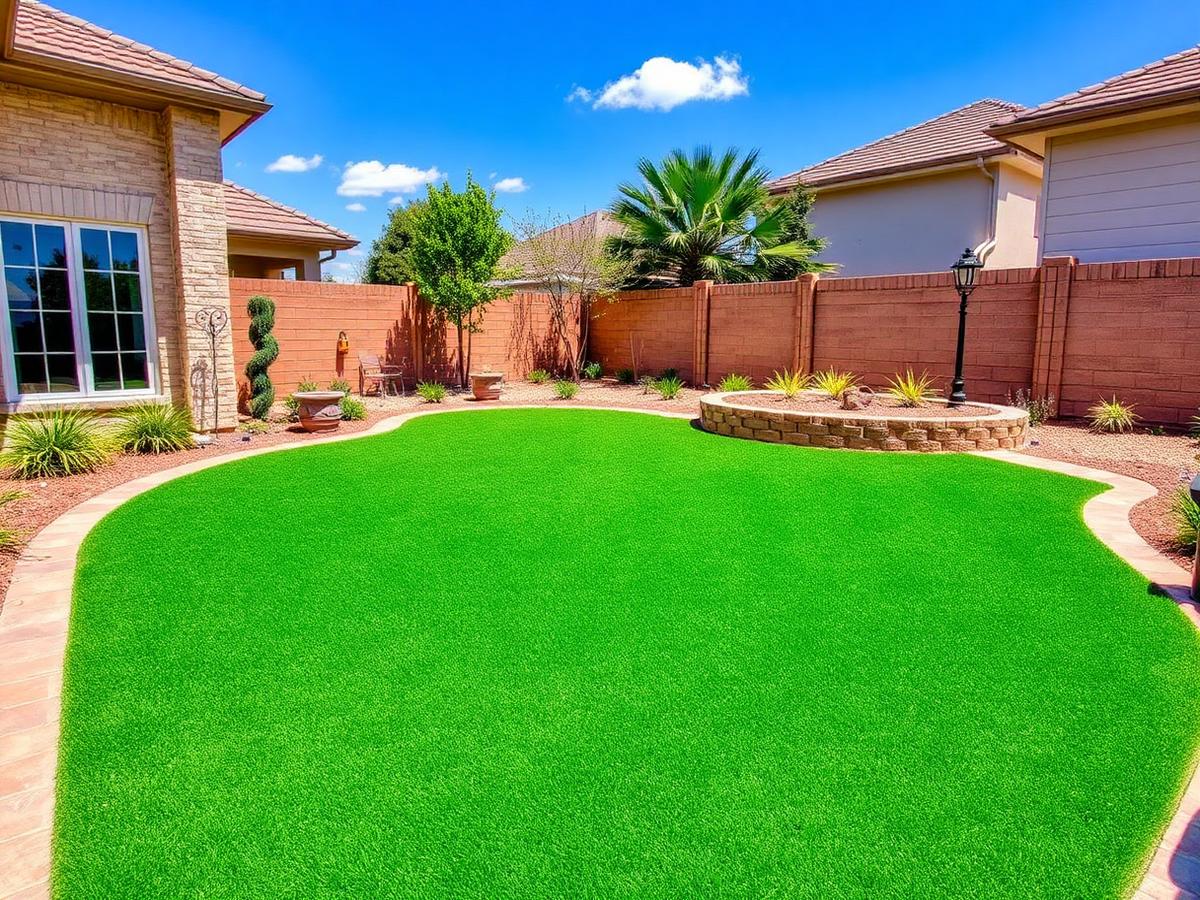
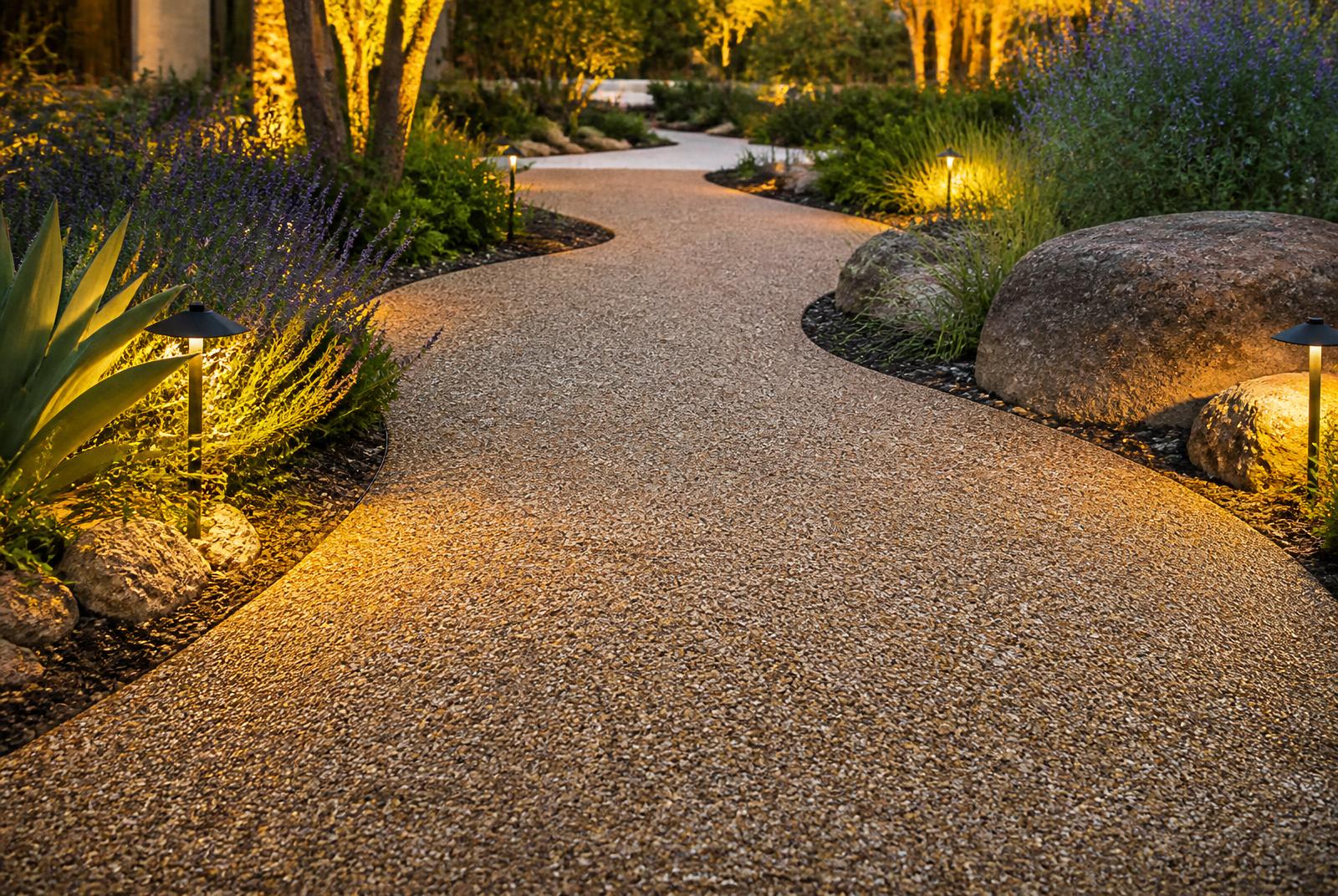
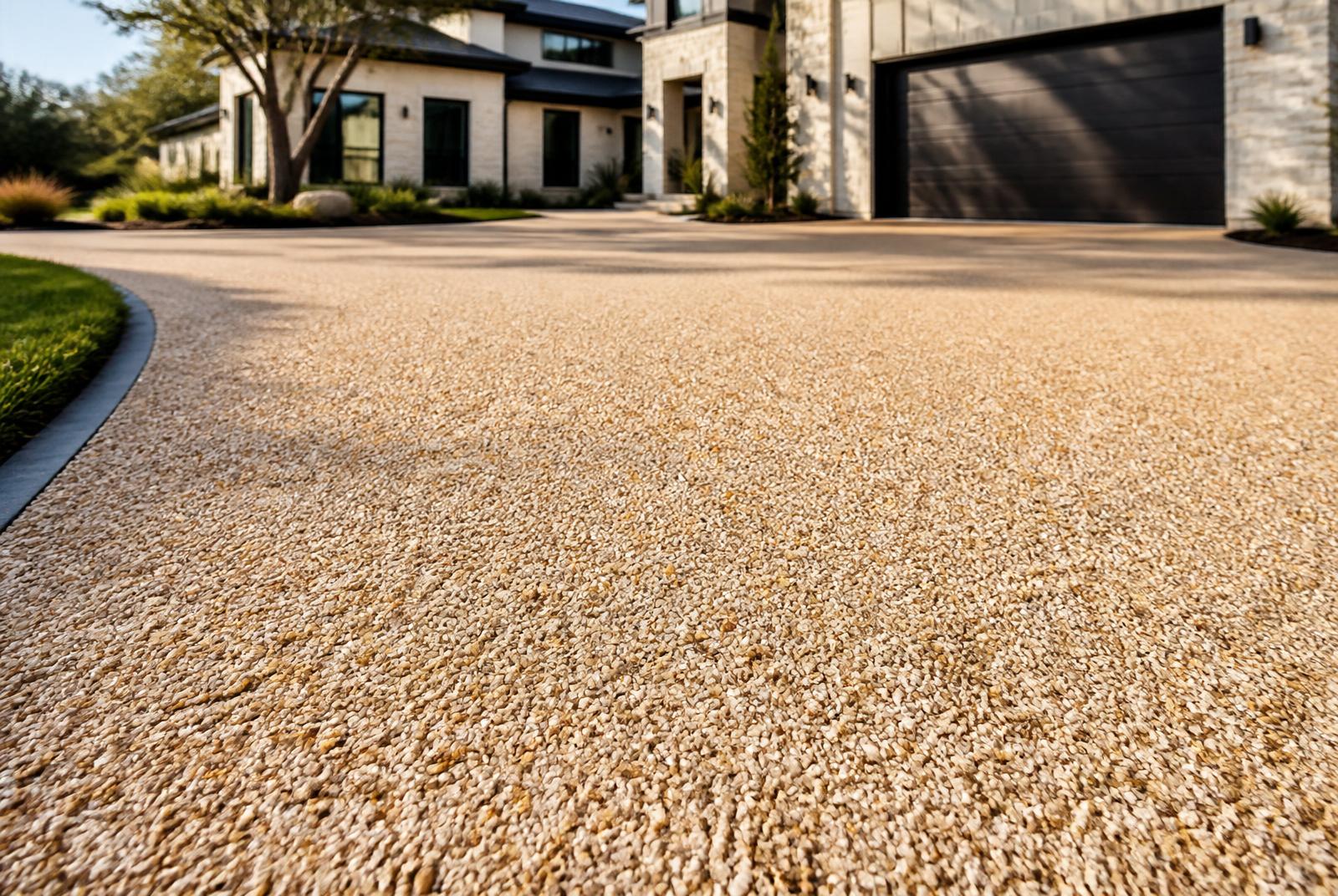
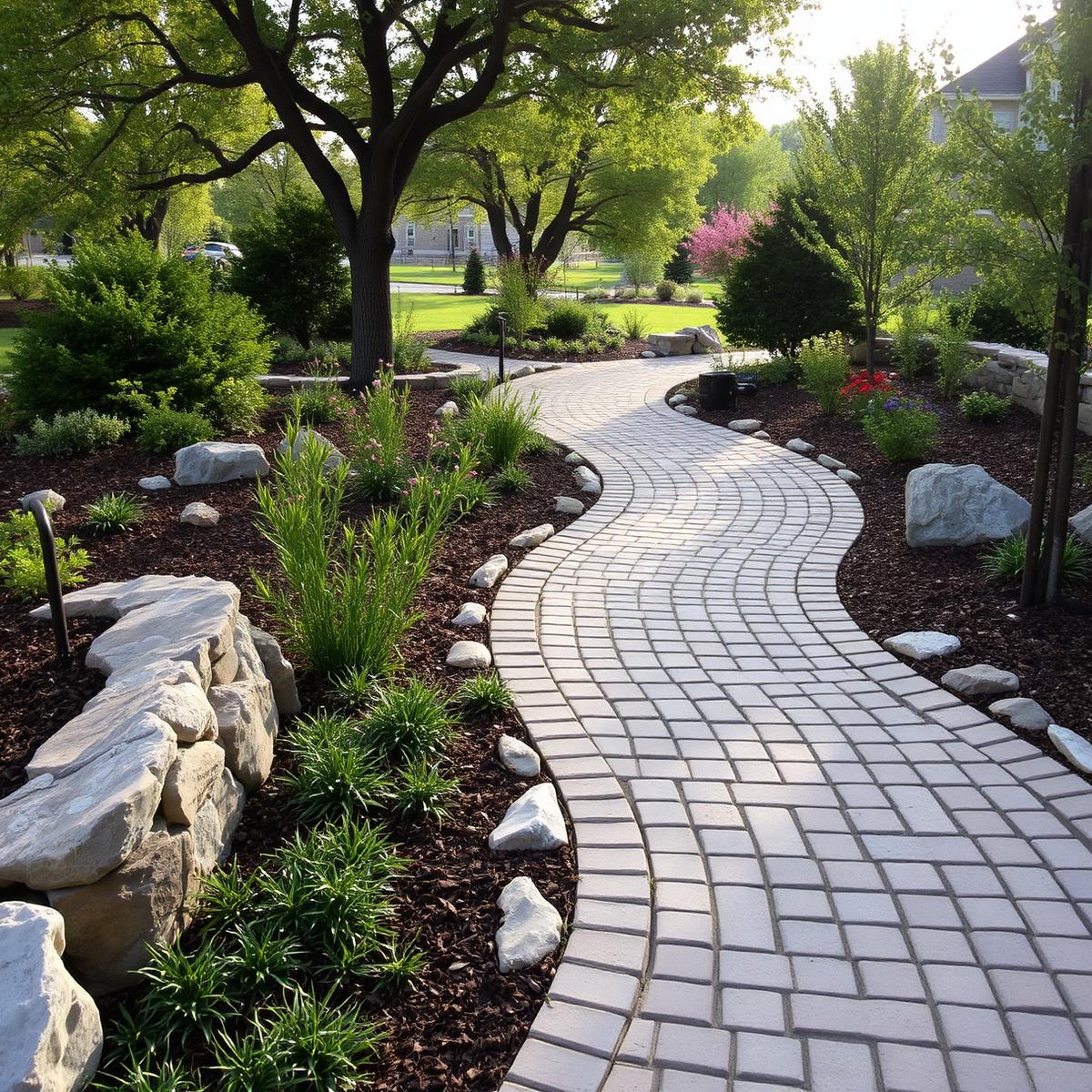
In the Dallas–Fort Worth area, building a custom paver patio with synthetic turf ribbon inlays typically costs between $28 and $42 per square foot fully installed. By comparison, a solid stamped concrete patio runs $16 to $24 per square foot. For a standard 500-square-foot outdoor living space, that puts a paver and turf ribbon project at $14,000 to $21,000, while stamped concrete costs roughly $8,000 to $12,000.
While stamped concrete carries a lower initial price tag, the cost gap narrows significantly over time. Dallas’s expansive clay soils inevitably cause solid concrete slabs to crack, shift, and require costly resurfacing. A paver system with integrated turf ribbons offers a flexible, non-cracking surface that handles North Texas soil movement naturally while providing a high-end, modern architectural look.
What this means for a DFW homeowner
Choosing between these two hardscape styles comes down to balancing initial budget against long-term performance in DFW’s challenging climate. Solid stamped concrete relies on a single rigid slab. When the Blackland Prairie clay underneath swells during wet spring rainstorms and shrinks during 100-degree summer droughts, stamped concrete slabs crack—often right through the decorative stamped pattern.
Paver patios with turf ribbons (also called turf strips or green joints) are designed differently. The patio is broken up into individual paver grids or large-format slabs separated by 3- to 6-inch channels of synthetic turf. Each paver unit sits on an engineered aggregate base, allowing the entire system to articulate slightly with ground movement without structural failure. Additionally, the synthetic turf ribbons break up reflective heat, add vibrant greenery that never needs water, and improve surface water runoff.
Best surface or material options for this project
To achieve clean, long-lasting turf ribbon inlays, material selection is critical:
- Large-Format Concrete Pavers: 24x24 or 16x24 architectural slabs from manufacturers like Belgard or Pavestone provide the crisp, geometric grid lines necessary for striking turf ribbons. Standard installed cost for the pavers alone starts at $20 to $32 per square foot.
- Porcelain or Natural Travertine Pavers: Premium 2cm porcelain or dense Turkish travertine adds sophisticated luxury. Travertine or porcelain options increase hardscape material costs by 25% to 40%, bringing the combined paver-and-turf ribbon system to $35–$48 per square foot.
- High-Density Commercial Synthetic Turf: Thin, cheap turf will mat down and pull away from paver edges. We specify 80 oz. to 90 oz. face-weight synthetic turf with perforated backing and polyurethane backing for max durability, UV resistance, and quick drainage.
- Stamped Concrete Alternatives: Stamped concrete uses standard 4000 PSI concrete poured with color hardeners, stamped with rubber mats, and sealed. While visually appealing initially, the surface sealer requires reapplication every 2 to 3 years to prevent color fading under intense Texas sun.
Base prep, drainage, and North Texas soil details
In Dallas, what lies beneath your patio dictates whether it lasts 5 years or 30 years. Standard concrete contractors often pour 4 inches of concrete over minimally compacted dirt. For a paver patio with turf ribbons, base excavation and drainage engineering must be handled with precision.
- Excavation & Geotextile Fabric: We excavate 8 to 10 inches into native soil and lay a heavy-duty non-woven geotextile soil stabilization fabric. This prevents Dallas clay from migrating up into the gravel base.
- Flexible Aggregate Sub-Base: A 6-inch compacted base of crushed Texas limestone (Flexbase or Crushed Aggregate) is placed in dense layers, providing a structural foundation that drains water away from the surface.
- Dual-Zone Setting Beds: Pavers are set on a 1-inch bed of washed concrete sand or coarse bedding stone. The turf ribbon channels receive a separate sub-base of permeable gravel topped with a specialized nailer board or compacted crushed stone bed to ensure the synthetic turf sits precisely flush with the top edge of the pavers.
- Sub-Surface Drainage: Because turf ribbons catch rainfall, we integrate sloped sub-bases or channel drains beneath the turf matrix to prevent water from pooling against your home's foundation.
Cost guidance in Dallas–Fort Worth
Below is a realistic installed cost comparison for a standard 500 sq ft patio project in the DFW metroplex. Prices assume straightforward backyard access; severe slopes or tight access can adjust final estimates.
| Surface System | Installed Cost / Sq Ft | Typical 500 Sq Ft Project Total | Expected Lifespan in DFW | Maintenance Required |
| :--- | :--- |
|---|---|
| :--- |
| Solid Stamped Concrete | $16 – $24 | $8,000 – $12,000 | 10–15 Years (Cracking expected) | Reseal every 2–3 yrs; crack repair |
| Paver Patio + Turf Ribbons (Standard Pavers) | $28 – $42 | $14,000 – $21,000 | 30+ Years | Periodic leaf blowing; joint sand top-off |
| Travertine/Porcelain + Turf Ribbons (Premium) | $35 – $48 | $17,500 – $24,000 | 30+ Years | Low maintenance; power rinse as needed |
| Concrete Removal (If Replacing Existing Slab) | +$6 – $12 / sq ft | +$3,000 – $6,000 | N/A | One-time prep cost |
Key Cost Drivers
- Linear Feet of Hand-Cutting: Turf ribbon designs require precise, diamond-blade cuts along every single paver edge to keep lines perfectly straight.
- Turf Anchorage & Edging: Securing synthetic turf inside narrow channels requires hidden locking systems or specialized concrete adhesive border tabs so edges never curl.
- Site Demolition: Removing an old, failing concrete patio adds $6 to $12 per square foot in haul-off and jackhammer labor.
What to look for in photos or during a site visit
When reviewing a contractor’s portfolio of turf ribbon paver projects in Dallas, pay attention to these technical details:
- Flush Top Profile: The synthetic turf blades should crown slightly above the paver surface, but the turf backing must sit flush so guests don't trip along the ribbons.
- Laser-Straight Grid Lines: Look down the length of the ribbon. Lines should be crisp and uniform in width (typically 3.5 to 5 inches) with no wandering seams or irregular gap widths.
- Tight Corner Cuts: Where turf ribbons intersect at 90-degree corners or around outdoor kitchens, cuts should be tight without visible gaps or exposed aggregate base.
- Clean Turf Grain: All synthetic turf inserts should be laid with the fiber grain facing the primary viewing angle (usually looking out from the back patio doors).
Paverston recommendation
If you plan to stay in your Dallas home for less than 3 years and need a quick cosmetic update on a tight budget, solid stamped concrete can work—provided you accept that minor hairline cracking is virtually guaranteed in local clay.
However, for long-term durability, higher resale value, and a modern resort-style outdoor living room, a paver patio with turf ribbon inlays is superior. The combination of flexible, non-cracking pavers and low-maintenance synthetic turf delivers a stunning aesthetic that withstands North Texas weather extremes.
Ready to explore custom turf ribbon paver designs or compare material samples for your backyard? Contact Paverston today at 214-228-1011 or visit our contact page to schedule a complimentary on-site consultation and design estimate.
Related questions
How do you clean leaves and debris out of turf ribbon inlays?
Use a standard leaf blower angled parallel to the ribbon lines on a low setting, or a soft-bristle stiff broom. Because the turf strips are pinned or bonded securely over a crushed stone base, routine blowing will not dislodge the synthetic grass or base material.
Will stamped concrete crack in Dallas clay soil?
Yes. Dallas sits on expansive clay soil that expands when wet and contracts when dry. Even with rebar reinforcement and cut control joints, solid stamped concrete slabs almost always develop visible surface cracks over time due to soil movement.
How long does the synthetic turf last in the Texas heat?
High-grade, American-made synthetic turf with built-in UV inhibitors lasts 15 to 20 years in DFW without fading or degrading. It does not require water, fertilizer, or mowing, keeping your patio looking green year-round.
Does a paver patio with turf ribbons drain water better than concrete?
Yes. Solid concrete is 100% impermeable, forcing all rainwater to run off the edges. Synthetic turf ribbons sit over a permeable crushed aggregate base that acts as built-in drainage, allowing water to filter directly into the ground.