In the City of Dallas, building a flat, ground-level paver patio or extending an existing walkway generally does not require a municipal building permit. Because paver installations sit directly on the ground without structural footings or load-bearing walls, city building departments classify them as unroofed flatwork. As long as your project remains at grade level and does not involve electrical work, gas lines, overhead covers, or structural retaining walls over four feet tall, you can typically proceed without filing for a formal city building permit.
However, skipping the city permit office does not mean your project is free from legal or municipal restrictions. DFW homeowners must still comply with Dallas zoning restrictions regarding lot coverage limits, property line setbacks, utility easements, Texas surface water drainage laws, and individual Homeowners Association (HOA) covenants. Failing to account for these non-permit regulations can lead to costly tear-outs or neighborhood disputes.
What this means for a DFW homeowner
While the City of Dallas won't ask for a permit drawing for a basic paver walkway extension in neighborhoods like Lake Highlands, Preston Hollow, or Oak Cliff, several non-building-code factors directly impact your project:
- HOA Architectural Review Committees (ARC): Even if the city doesn't require a permit, your HOA almost certainly requires prior approval. Communities across Dallas and the broader DFW metroplex enforce strict guidelines regarding hardscape materials, colors, setback distances from property lines, and overall yard percentage allocated to hardscaping.
- Property Easements: Utility companies (Oncor, Atmos, Dallas Water Utilities) maintain recorded easements along side yards and back alleys. While you can physically lay pavers over an easement, utility companies retain the right to dig up the pavers to access buried pipes or lines without paying to restore your custom patio.
- Impervious Surface Limits: The City of Dallas zoning codes dictate maximum lot coverage for residential properties to manage citywide stormwater runoff. While interlocking pavers set on crushed stone drain better than solid poured concrete, municipal codes may still calculate them toward your total lot coverage percentage.
- Texas Surface Water Drainage Law: Under Texas Water Code § 11.086, a property owner cannot redirect natural surface water flow in a way that damages neighboring property. Extending a patio or walkway without proper grading can dump rainwater into your neighbor’s yard or directly against your home's foundation, creating legal liability.
Best surface or material options for this project
When adding a patio or extending a front walkway in the DFW area, choosing the right material is essential for long-term stability on local soils. Because concrete slabs are prone to cracking when the ground moves, pavers offer a far superior, flexible hardscape solution.
- Concrete Interlocking Pavers: The most popular choice for Dallas backyards and walkways. Interlocking pavers distribute load evenly across individual units, allowing the surface to flex slightly with seasonal soil expansion without cracking. They are available in textured, smooth, and tumbled finishes.
- Natural Travertine Pavers: Excellent for high-end patio extensions and pool decks. Travertine stays up to 20% cooler under direct Texas summer sunlight compared to poured concrete, making it comfortable for bare feet. Travertine requires a solid, compacted crushed limestone base to prevent uneven settling.
- Architectural Porcelain Pavers: Extremely durable, stain-resistant, and non-porous. Porcelain pavers resist red dirt staining, grill grease, and organic leaf dyes common in heavily treed Dallas yards. They are laid over specialized pedestal systems or compacted base aggregate with precise joints.
Base prep, drainage, and North Texas soil details
North Texas is infamous for its deep, expansive Blackland clay soil. This clay expands dramatically when saturated by spring rain and shrinks during hot DFW August droughts. Installing a paver patio or walkway extension directly on raw Dallas clay leads to sunken pavers, trip hazards, and failed edges within a single season.
Long-term performance requires non-negotiable base preparation standards:
- Excavation & Subgrade Grading: We excavate 7 to 9 inches below final grade, removing soft topsoil and organic matter until reaching dense clay subsoil. The subsoil is graded to maintain a minimum 1% to 2% slope (1/8 inch to 1/4 inch fall per linear foot) away from your home's foundation.
- Geotextile Woven Fabric: We lay a heavy-duty geotextile fabric over the exposed clay subsoil. This critical separation layer prevents the heavy base gravel from sinking down into wet clay over time.
- Compacted Flex Base Aggregate: We install 4 to 6 inches of crushed limestone base (Type 2 Grade 1 road base) in maximum 2-inch lifts. Each lift is thoroughly wetted and compacted using a heavy plate compactor to achieve 98% density.
- Bedding Sand & Polymeric Sand Joints: A uniform 1-inch bedding layer of coarse concrete sand supports the pavers. After laying the pavers and securing edges with concrete bond beams or heavy-duty snap edging, high-performance polymeric sand is swept into the joints and hydrated to seal out weeds and ants.
Cost guidance in Dallas–Fort Worth
Paver projects in the DFW area are priced based on square footage, site access, material choice, and necessary site demolition. All professional paver installations by Paverston start at a minimum of $20 per square foot installed.
| Project Type | Average Installed Cost Range (per sq ft) | Key Cost Factors |
| :--- | :--- | :--- |
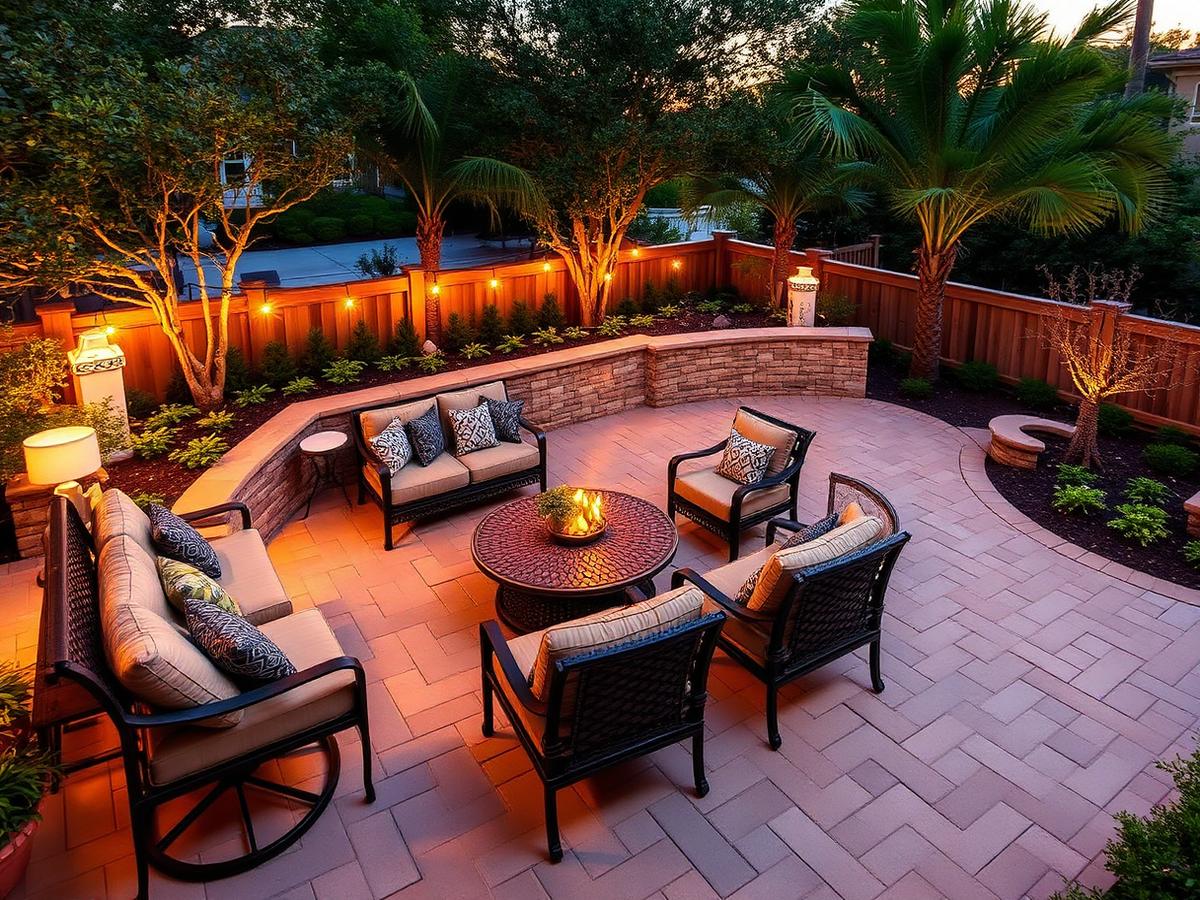
| Standard Paver Patio | $20 – $32 | Standard concrete pavers, standard access, complete base prep |
| Walkway Extension | $20 – $32 | Narrower work area, detailed border cuts, radius work |
| Pool Deck Paver Resurfacing | $26 – $44 | Complex coping cuts, drainage integration, non-slip textures |
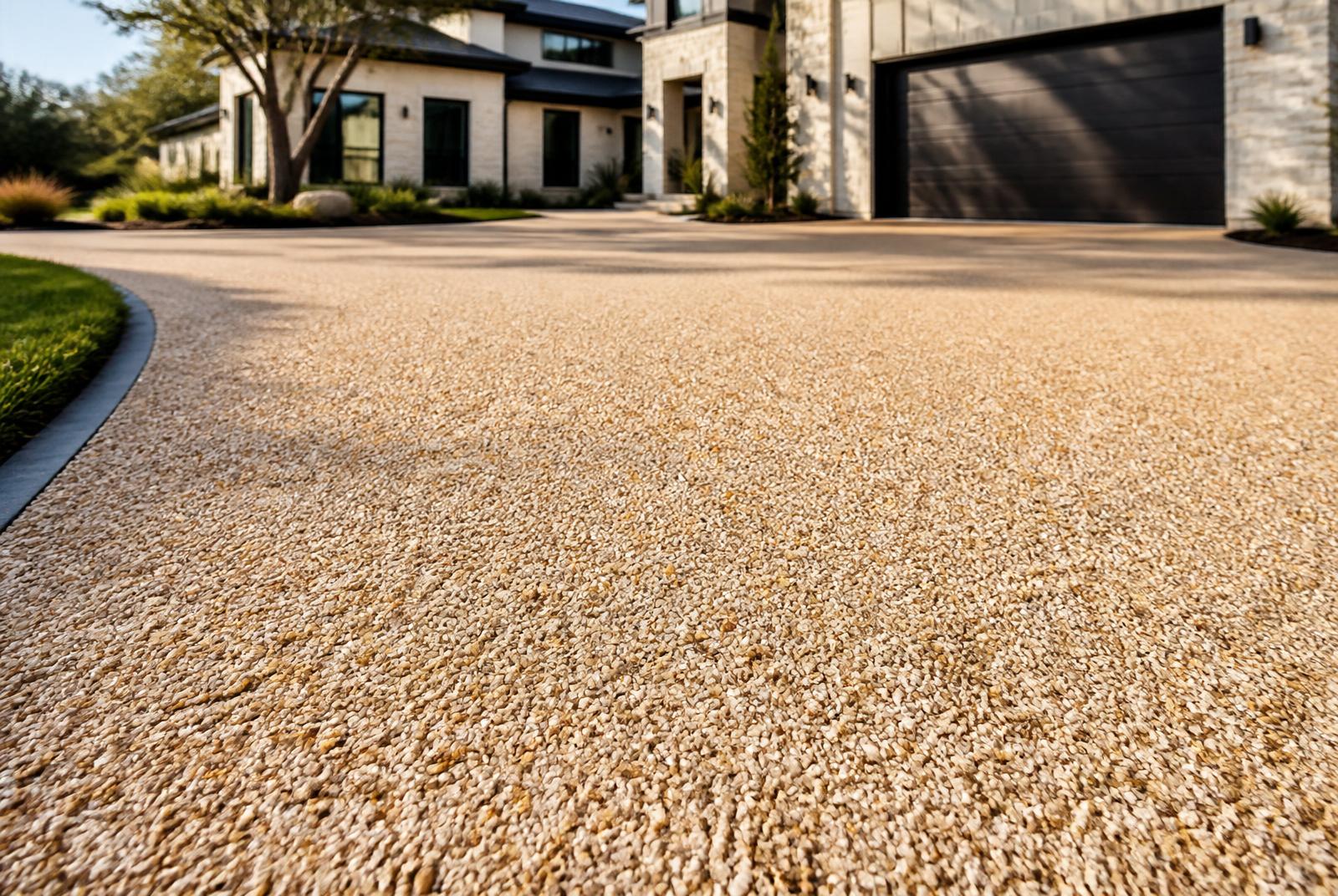
| Driveway Paver Installation | $22 – $38 | Heavy-duty 80mm pavers, 8-10 inch compacted base depth |
| Travertine or Porcelain Upgrade | +25% to +40% over base price | Specialty diamond-blade cutting, dry-set stone material costs |
| Complex Patterns (Herringbone/Inlays) | +15% to +25% labor premium | High volume of precision cuts along edges and borders |
| Existing Concrete Demolition | +$6 – $12 / sq ft | Hydraulic jackhammering, hauling, concrete disposal fees |
| Existing Paver Demolition | +$4 – $8 / sq ft | Hand removal, haul-off, regrading underlying ground |
What to look for in photos or during a site visit
When reviewing past project photos or inspecting completed walkway and patio extensions, focus on details that demonstrate structural integrity and long-term craft:
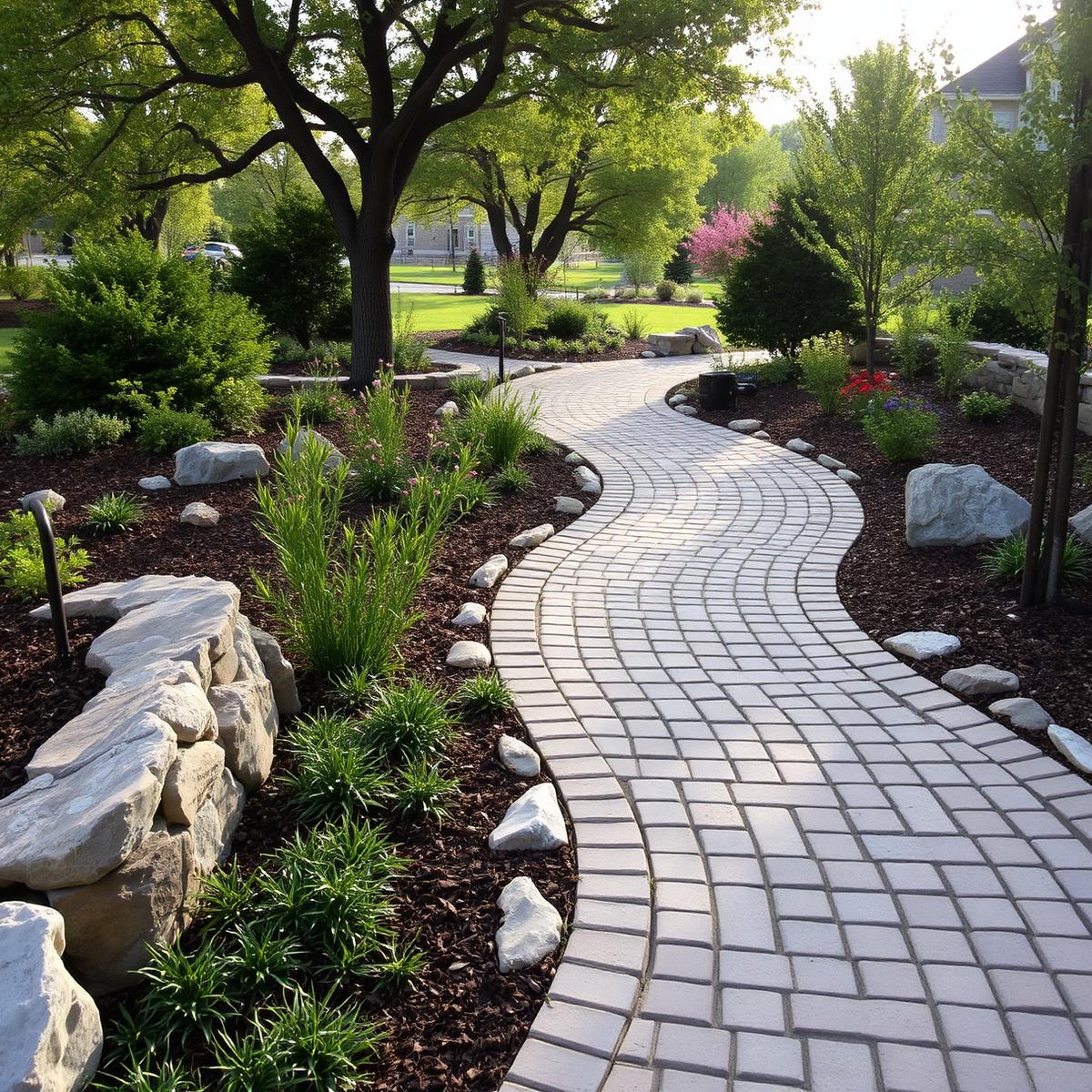
- Soldier Course Borders: Look at the perimeter of the paver patio or walkway. High-quality work features a clean, continuous border (soldier or sailor course) that locks the field pattern together visually and structurally.
- Seamless Foundation Alignment: Examine where the new paver patio meets the existing house slab or brick veneer. Look for clean expansion joints, precise height matching below weep holes, and proper drainage slopes heading away from the structure.
- Edge Restraints: In site visit photos, check that the outer edges of the walkway are completely stabilized with hidden concrete bond beams or heavy-duty commercial edge restraints spiked into the aggregate base, not held together by loose topsoil.
- Crisp Around Utilities: Look closely at photos showing paver cuts around cleanouts, air conditioner pads, lawn irrigation heads, or patio posts. Clean, tight radius cuts signal accurate craftsmanship.
Paverston recommendation
Before launching any outdoor hardscape project in Dallas, confirm your HOA guidelines and call 811 (Texas 811 Dig Tess) to mark underground gas, electric, and communication lines. Even though the City of Dallas does not require a formal building permit for standard ground-level paver flatwork, working with a specialized local contractor ensures your base is built to withstand North Texas clay movement, high rainfall events, and intense summer heat.
At Paverston, we handle every aspect of your project—from initial site measurement and soil evaluation to drainage planning and HOA submission packet preparation. Contact our DFW team today at 214-228-1011 or visit /contact to schedule a site consultation and receive an accurate, line-item estimate for your patio or walkway extension.
Related questions
Does an HOA require approval for a paver patio in Dallas even if the city doesn't?
Yes. HOA covenants are private civil contracts separate from municipal building codes. Most Dallas HOAs require an Architectural Review Committee (ARC) application detailing paver materials, color samples, drainage plans, and property line distance measurements before construction begins.
What happens if I build a paver walkway over a utility easement in Dallas?
Utility companies holding a recorded easement can excavate your paver walkway if they need to repair buried pipe or cabling. Because pavers are modular, you can unstack and re-lay the pavers after utility repairs are completed, unlike concrete slabs which must be demolished and repoured.
Do I need a permit if I add an outdoor kitchen or fire pit to my paver patio?
If your patio extension includes fixed gas lines, hardwired electrical outlets, plumbing, or covered roof structures (like a timber pergola attached to the house), the City of Dallas requires trade-specific building, electrical, and plumbing permits.
Will installing a paver patio increase my Dallas County property taxes?
Hardscape improvements like paver patios and walkway extensions add appraised value to your home. While minor ground-level flatwork rarely triggers a immediate reassessment, significant outdoor living upgrades may incrementally adjust your overall property valuation during periodic Dallas Central Appraisal District (DCAD) reviews.