Contrary to popular belief, weeds rarely push their way up from deep beneath your paver installation. In nearly all North Texas yards, weed growth begins from above. Windborne seeds, bird droppings, and blowing dirt settle into soft or washed-out sand joints between pavers, where morning dew and rain provide just enough moisture for roots to take hold.
At Paverston, we prevent weed infestation in Dallas–Fort Worth paver installations through a systematic approach: deep sub-base excavation, high-grade geotextile fabric, proper drainage slope, and commercial-grade polymeric sand that locks tight when activated. By eliminating the organic pockets where seeds sprout, you keep your outdoor living space clean, durable, and virtually weed-free.
What this means for a DFW homeowner
North Texas presents specific environmental conditions that accelerate weed growth between improperly installed pavers. DFW experiences heavy spring rainfall followed by extreme summer heat and wind. Ordinary bedding sand easily washes away during torrential downpours, creating empty joints where windblown crabgrass, nutsedge, and dandelion seeds nestle.
Furthermore, the expansive black clay soil native to the metroplex expands and contracts significantly between wet and dry seasons. If your paver system lacks a stabilized aggregate base and locking joint material, shifting pavers create wider gaps. These shifting joints capture soil, debris, and moisture—creating the ideal breeding ground for stubborn weeds. Choosing the right joint stabilization method prevents soil accumulation and keeps weed growth from disrupting your investment.
Best surface or material options for this project
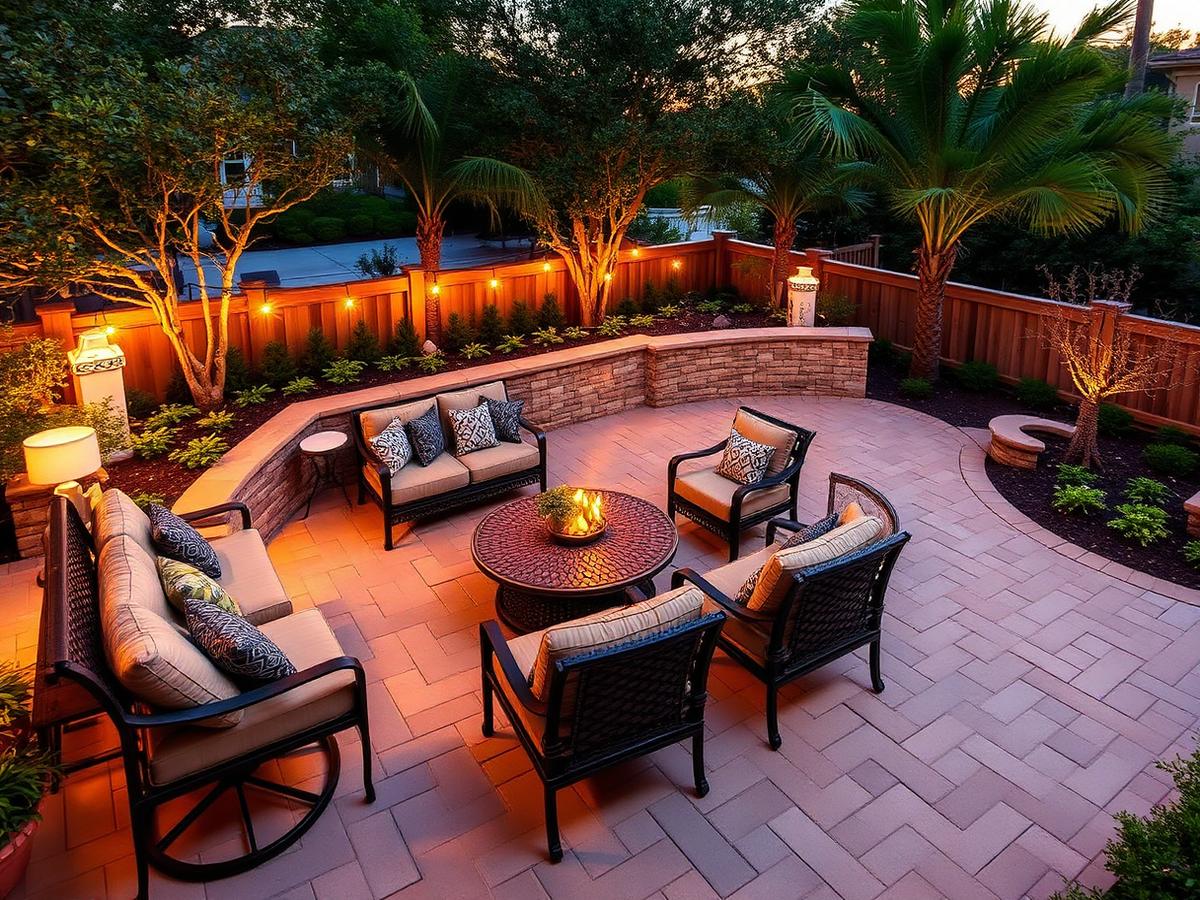
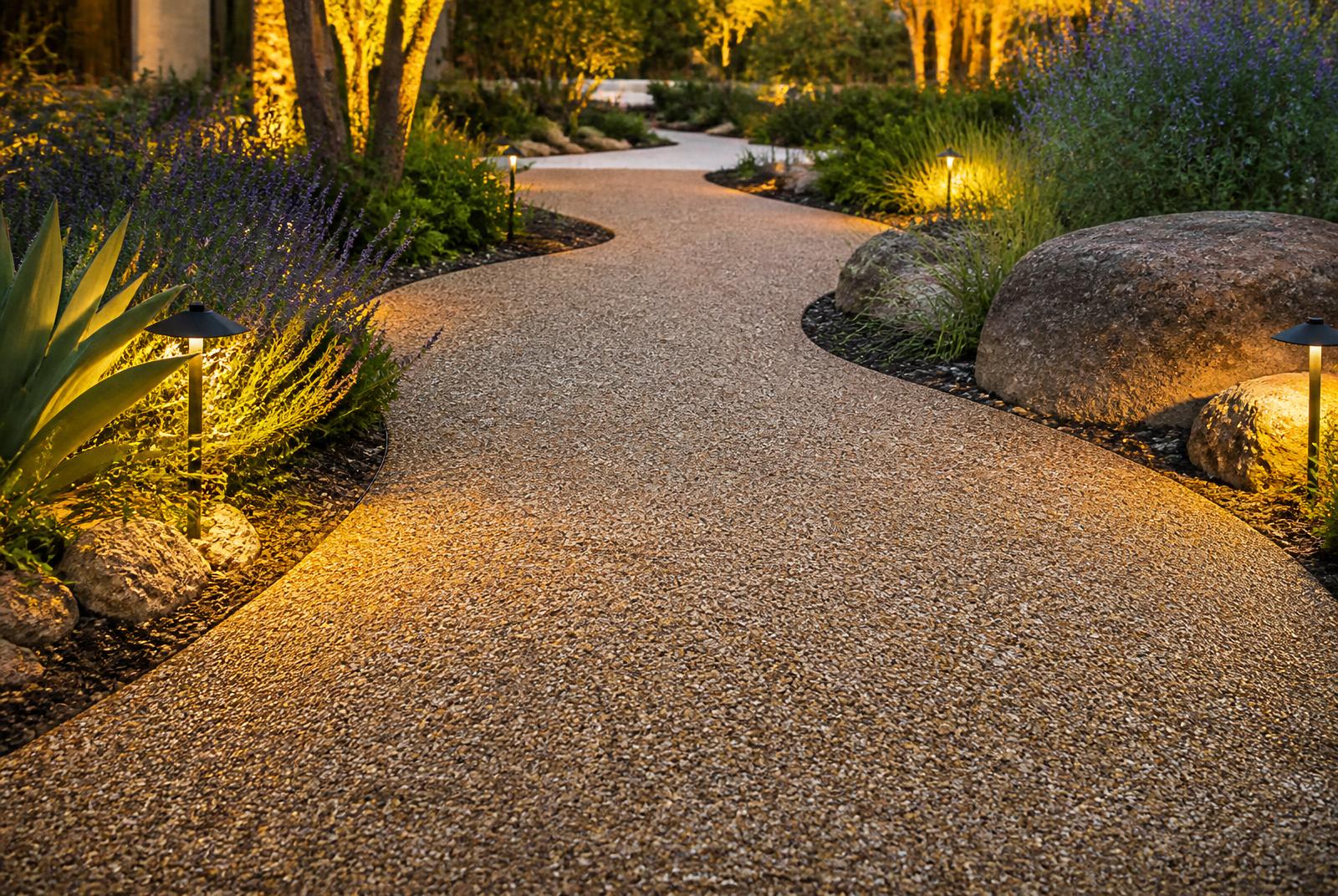
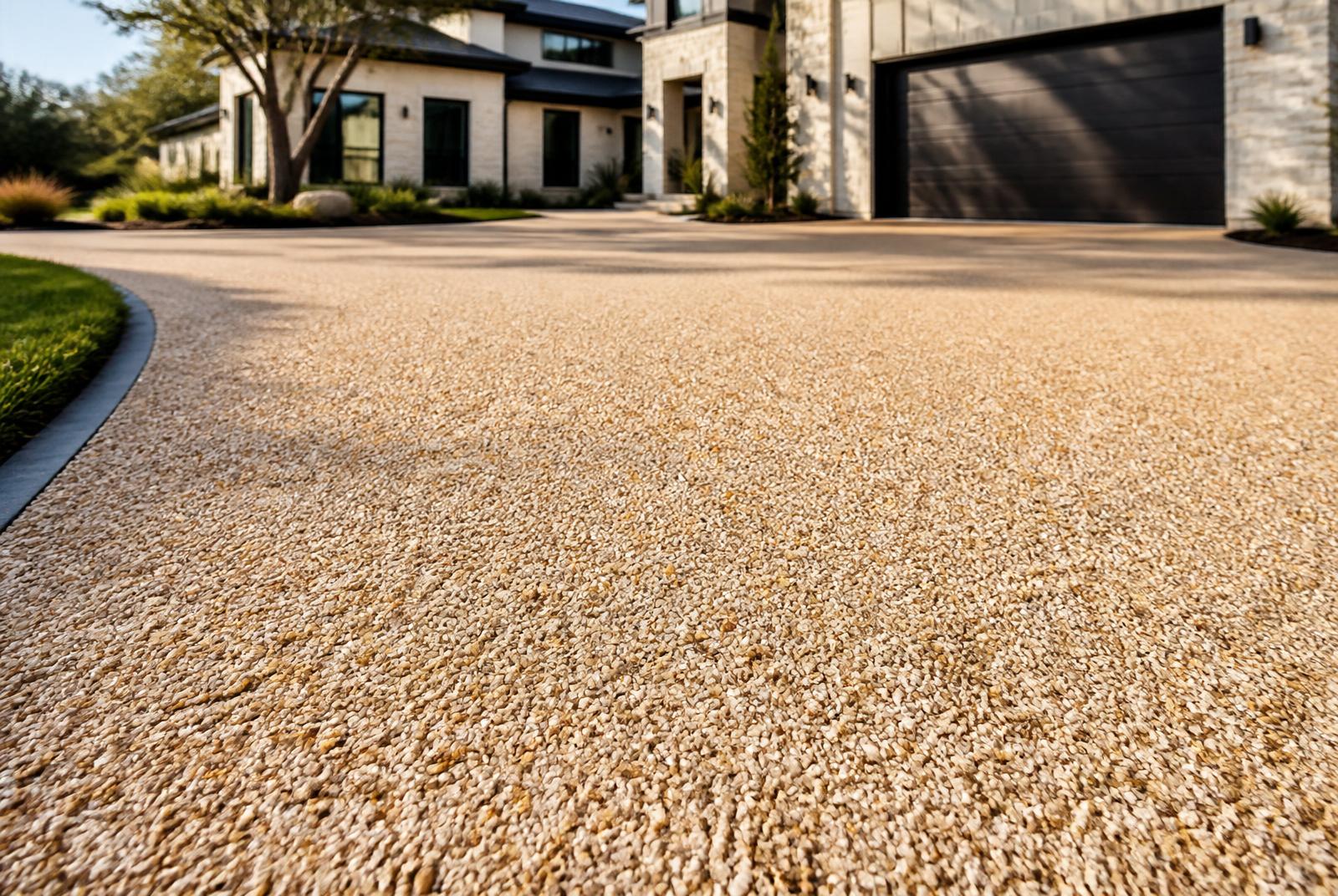
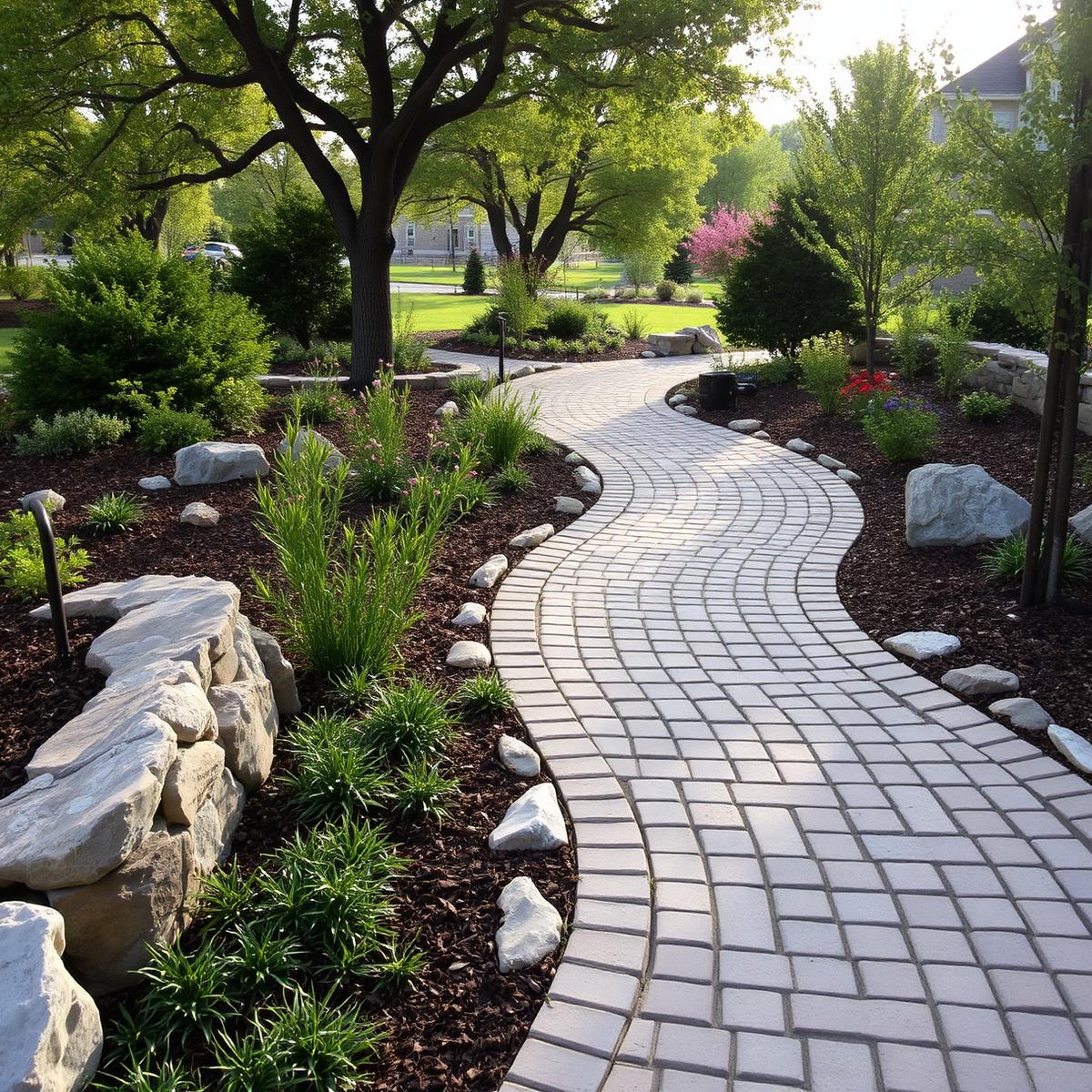
To lock out weed seeds and maintain structural integrity, several jointing and surface options exist for DFW hardscapes. Selecting the right combination depends on whether you are building a new paver patio, a high-traffic paver driveway, or updating an existing walkway.
- Polymeric Sand: The industry standard for concrete and natural stone pavers. Polymeric sand is a blend of graded sand and polymer binders that hardens after being swept into joints and misted with water. It forms a flexible, durable bond that deters weeds and insects while tolerating subtle ground movement.
- Resin-Bound Jointing Compounds: Ideal for wide-joint pavers, flagstone, or heavy-use driveway applications. Resin mortars cure into a rigid, non-permeable or semi-permeable barrier that completely blocks weed germination and resists pressure washing.
- Permeable Aggregates (#8 or #89 stone): Used specifically for permeable paver installations. While aggregate joints do not cure hard, the absence of fine organic matter makes it difficult for weeds to root, provided fine dirt is kept off the surface.
- Protective Paver Sealers: Applying a joint-stabilizing penetrating sealer over cured polymeric sand adds an extra hydrophobic barrier. This stops moisture from lingering in the joint, cutting off the water supply weed seeds need to germinate.
Base prep, drainage, and North Texas soil details
Preventing long-term weed problems starts underneath the pavers long before joint sand is applied. Skipping base steps allows water to pond beneath the surface, feeding opportunistic root systems.
- Deep Excavation: For a residential patio or walkway, we excavate 6 to 8 inches into the subgrade; driveways require 10 to 12 inches to accommodate heavy vehicle loads.
- Geotextile Fabric Installation: We lay heavy-duty woven geotextile fabric directly over the DFW clay soil. This fabric separates the subgrade clay from the crushed aggregate base, preventing mud from pumping upward into the joint space while allowing water to drain.
- Compacted Crushed Aggregate Base: A 4- to 8-inch layer of crushed flex-base or crushed stone is installed and compacted in 2-inch lifts to achieving 98% compaction. This creates a solid, non-organic foundation that roots cannot penetrate.
- 1-Inch Bedding Layer: Clean concrete sand or crushed granite is screeded evenly across the base.
- Positive Drainage Slope: We slope all surfaces at a minimum pitch of 1/8 inch to 1/4 inch per linear foot away from foundations and living spaces. Rapid water runoff keeps joint sand dry, depriving weed seeds of the standing moisture necessary for growth.
Cost guidance in Dallas–Fort Worth
All professionally installed paver projects in the DFW metroplex start at $20 per square foot. Pricing varies based on material choice, site accessibility, tear-out requirements, and joint stabilization specifications.
| Project Type | Average Installed Cost (per sq. ft.) | Key Weed-Prevention Feature Included |
| :--- | :--- | :--- |
| Paver Patio | $20 – $32 | Compacted rock base + polymeric sand joint lock |
| Paver Walkway | $20 – $32 | Geotextile fabric barrier + sloped surface drainage |
| Paver Driveway | $22 – $38 | Deep 10-12" base + heavy-duty polymer joint stabilizer |
| Pool Deck Pavers | $26 – $44 | Travertine/porcelain options + low-moisture joint compounds |
| Travertine / Porcelain Premium | +25% – 40% base cost | Tight rectified joints + specialized polymer formulas |
| Concrete Removal (Demo) | +$6 – $12 / sq. ft. | Clears root-infested or broken concrete sub-layers |
| Existing Paver Removal | +$4 – $8 / sq. ft. | Removes old sand, weeds, and failing base layers |
Note: Complex pattern layouts (e.g., herringbone or multi-piece random patterns) add 15% to 25% in labor and cut waste.
What to look for in photos or during a site visit
When reviewing a contractor's past work on a patio, driveway, pool deck, or walkway, look closely at the details that indicate long-term weed resistance:
- Consistent, Flush Sand Lines: Joint sand should sit approximately 1/8 inch below the chamfered edge of the paver. Sand filled flush to the top sweeps away easily; sand filled too low collects dirt pockets.
- No Gaps along Edge Restraints: Inspect edge restraints along turf or garden borders. Solid concrete or heavy-duty plastic edging spiked into the rock base prevents outer pavers from spreading apart and opening gaps for weeds.
- Clean Transitions to Synthetic Turf or Soil: Pay attention to where pavers meet lawn or planter beds. A clear, elevated hardscape edge prevents lawn runners (like Bermuda grass) from creeping into paver joints.
- Uniform Joint Widths: Uniform spacing ensures polymeric sand sets evenly without thin spots that crack under foot traffic.
Paverston recommendation
If you want a low-maintenance hardscape in North Texas, do not settle for standard mason sand in your joints. Specify commercial-grade polymeric sand and insist on a full base excavation with geotextile fabric. If you have an existing paver patio overrun with weeds, high-pressure washing combined with joint re-sanding and sealer application can restore your surface and eliminate weeds for years to come.
Ready to build or restore a weed-resistant paver patio, driveway, or pool deck? Call Paverston today at 214-228-1011 or visit our contact page to schedule your on-site consultation and estimate.
Related questions
Does vinegar or weed killer ruin paver surfaces?
Chemical weed killers containing glyphosate generally do not stain concrete pavers, but repeated use of concentrated white vinegar (acetic acid) can etch natural stone like limestone or travertine and degrade polymeric sand binders. For safe weed removal, hand-pull small sprouts or use paver-safe spot treatments.
How often does polymeric sand need to be replaced in DFW?
When properly installed over a stable base with good drainage, quality polymeric sand lasts 7 to 10 years in the DFW climate. Heavy pressure washing, standing water, or ground movement from expanding clay soil can shorten lifespan, requiring targeted joint refilling.
Can Bermuda grass grow through concrete pavers?
Bermuda grass cannot grow directly through solid concrete pavers, but its aggressive stolons and rhizomes will easily enter sand joints from surrounding turf if edge restraints are weak or if joint sand is missing. Proper metal or concrete edging stops lateral grass invasion.
Will pressure washing wash away polymeric sand?
High-pressure turbo nozzles aimed directly into paver joints will strip out polymeric sand. To clean your pavers without damaging joint sand, use a flat surface cleaner attachment or keep pressure below 1,500 PSI at a 45-degree angle across joints.