Yes, adding a professionally installed paver patio typically yields an estimated 65% to 80% return on investment (ROI) while significantly boosting overall equity and marketability in the Dallas–Fort Worth Metroplex. Unlike standard poured concrete slabs that inevitably crack under North Texas soil movement, interlocking paver systems flex naturally, retaining their visual appeal and structural integrity for decades.
Beyond raw resale metrics, outdoor living areas have transitioned from optional luxuries to essential living spaces for DFW homebuyers. With warm climate conditions persisting for much of the year, local buyers actively seek move-in-ready outdoor entertainment spaces. At Paverston, we design and build custom hardscapes that elevate daily living while directly protecting and expanding your property’s value.
What this means for a DFW homeowner
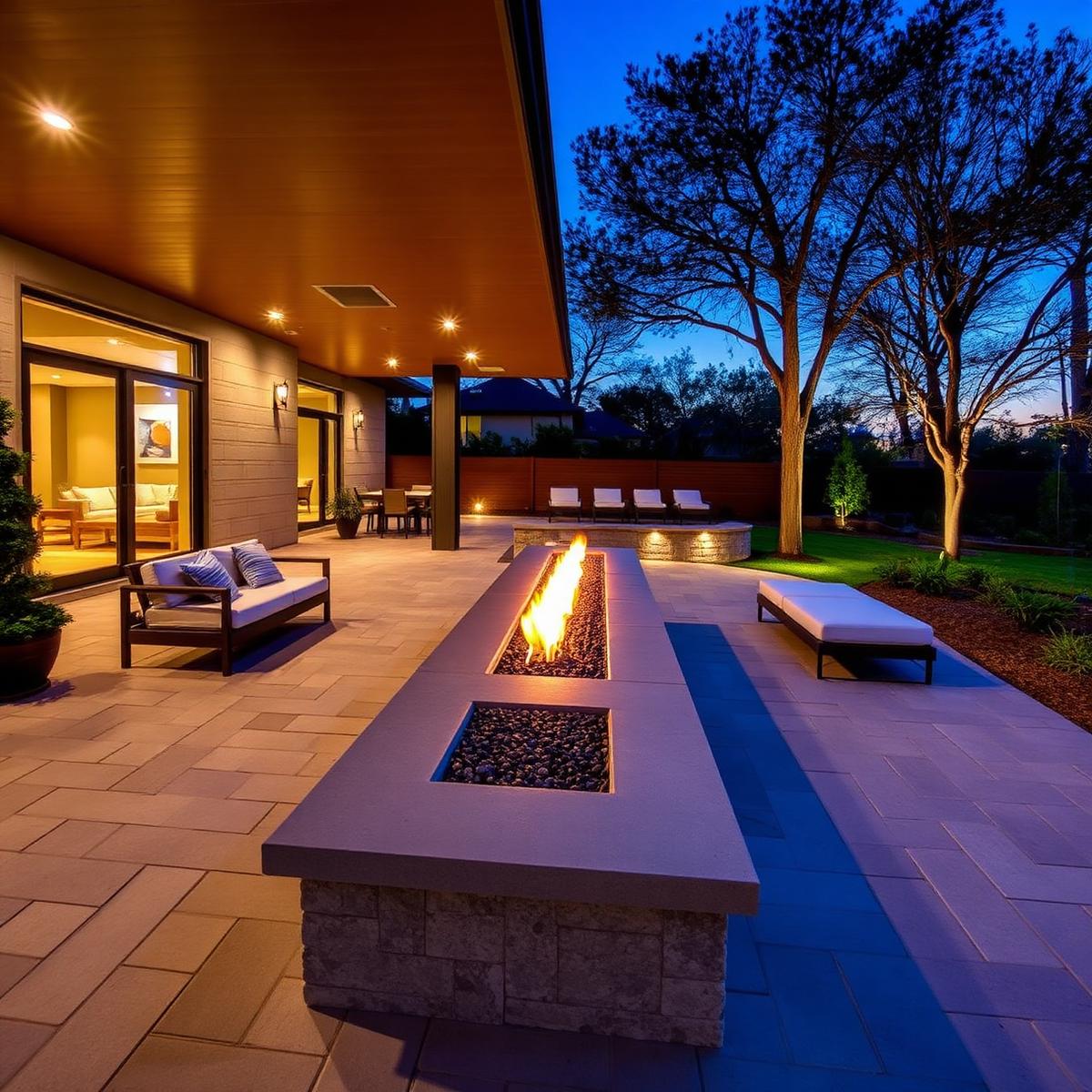
When appraising a home in Dallas, Fort Worth, or surrounding suburbs like Frisco and Southlake, appraisers evaluate both usable square footage and functional improvements. While an outdoor patio is not calculated as indoor heated square footage, a high-end paver hardscape increases the home's overall dynamic appraisal value by converting unused yard space into a functional living, dining, and entertaining zone.
For DFW homeowners, opting for pavers over poured concrete is also a risk-mitigation strategy. The region’s notorious clay soil undergoes extreme freeze-thaw and wet-dry cycles. Poured slabs frequently crack within a few years, creating visible defects that derail home inspections and trigger repair concessions during sale negotiations. Interlocking pavers distribute loads and accommodate ground shift without cracking, maintaining a pristine appearance that reassures cautious homebuyers.
Best surface or material options for this project
Selecting the right hardscape material impacts both immediate enjoyment and long-term appraisal value. Here are the top choices for North Texas patio builds:
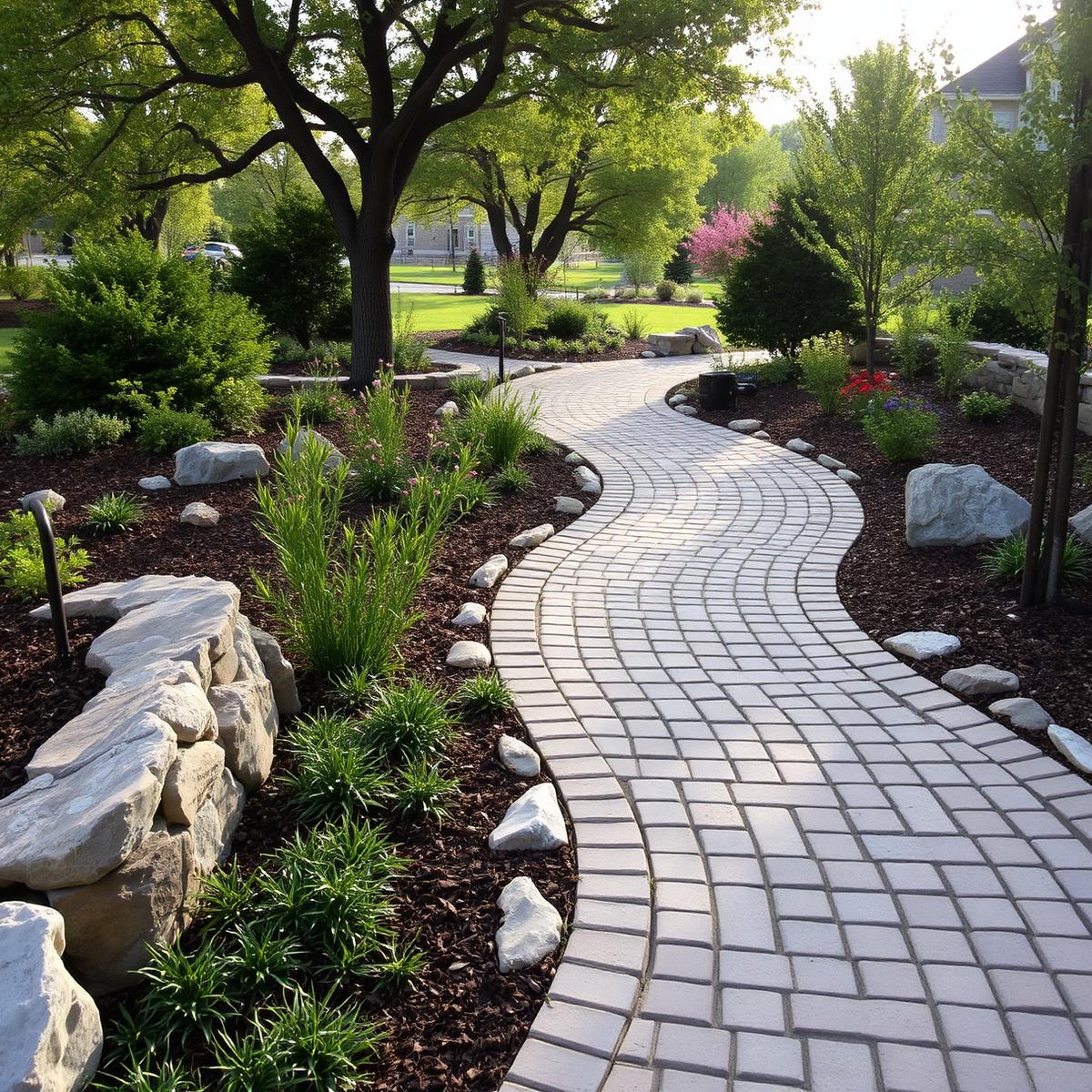
- Concrete Interlocking Pavers: The industry standard for versatility, durability, and cost-effectiveness. Modern concrete pavers come in endless color blends, textures, and geometric shapes that mimic natural stone or classical brick. They provide exceptional slip resistance and strong load-bearing capacity.
- Natural Travertine Pavers: A premium choice that delivers high luxury appeal, particularly around patio spaces integrated with pool decks or outdoor kitchens. Travertine stays significantly cooler under the Texas summer sun compared to concrete or dark stone, making it highly desirable for sun-exposed backyards. Expect a 25% to 40% premium over concrete pavers.
- Architectural Porcelain Pavers: Impervious to moisture, non-porous, and resistant to staining from outdoor dining, porcelain pavers offer a sleek, contemporary finish. Like travertine, porcelain carries a 25% to 40% material and labor upgrade, but offers unparalleled stain resistance and color retention.
Base prep, drainage, and North Texas soil details
In North Texas, a paver patio is only as reliable as the foundation beneath it. The expansive Blackland Prairie and Eagle Ford clay soils found throughout DFW swell dramatically when wet and shrink when dry. Without rigorous sub-base preparation, any hardscape will sink, shift, or hold standing water.
At Paverston, our installation methodology is engineered specifically for local soil conditions:
- Deep Excavation: We excavate down 8 to 11 inches to remove organic topsoil and expose stable subgrade clay.
- Geotextile Fabric: We install a high-performance woven geotextile soil stabilization fabric to prevent crushed aggregate base material from sinking into soft clay soil.
- Compacted Aggregate Base: A 6- to 8-inch base of dense crushed stone is installed in 2-inch lifts and mechanical plate-compacted to 98% density.
- Bedding Layer & Jointing Sand: A uniform 1-inch coarse bedding sand layer allows smooth paver placement, finished with polymeric sand swept into the joints to lock the units in place and prevent weed growth.
- Integrated Drainage: Every patio project is pitched at a minimum slope of 1/4 inch per foot away from your home's foundation. We integrate French drains, catch basins, or channel drains whenever natural surface grading is insufficient.
Cost guidance in Dallas–Fort Worth
Investing in a paver patio requires clear, upfront pricing without hidden surprises. All paver installations in DFW start at $20 per square foot installed, with variations based on material choices, site access, surface prep, and design complexity.
| Project Type / Material Option | Estimated Cost per Sq Ft (Installed) | Typical Value & Return Impact |
| :--- | :--- | :--- |
| Standard Concrete Paver Patio | $20 – $32 / sq ft | Strong return (65%–80% ROI), universal buyer appeal |
| Premium Travertine or Porcelain Patio | $25 – $45 / sq ft | High-end luxury appeal, excellent heat reflectivity |
| Complex Patterns (Herringbone, Inlays) | Add 15% – 25% to base cost | Architectural interest, premium visual focal point |
| Existing Concrete Demolition & Haul-Off | +$6 – $12 / sq ft | Necessary clean slate for shifting soil prep |
| Existing Paver Removal & Disposal | +$4 – $8 / sq ft | Corrects prior failed base work or outdated layouts |
Note: Paverston never quotes below $20 per square foot installed for turn-key hardscape projects due to the stringent structural base prep required for North Texas soil.
What to look for in photos or during a site visit
When evaluating paver patio portfolios or inspecting a contractor's ongoing job site, look beyond surface cosmetics. High-quality craftsmanship shows in the details:
- Straight, Clean Edge Restraints: Look for concrete bond beams or heavy-duty snap-edge restraints spiked securely into the base material to prevent outer pavers from spreading outward over time.
- Consistent Border (Soldier Course): A distinct perimeter border cleanly frames the primary field pattern, hiding cut edges and creating a polished finish.
- Seamless Grade Transitions: Ensure the finished patio surface sits slightly below door thresholds while maintaining an accurate outward slope for rainwater runoff.
- Tight, Fully Swept Sand Joints: Polymeric sand should completely fill every joint up to the chamfered edge of the paver, leaving no hollow gaps or surface haze.
Paverston recommendation
To maximize both your current enjoyment and future financial return, design a patio space that feels like a natural outdoor extension of your home's interior living area. Avoid oversizing the patio so much that you eliminate all green turf, but ensure it easily accommodates outdoor seating, a grill station, or a fire feature.
If you plan to sell within five years, stick to popular warm neutral stone blends (like tan, charcoal, or cream) that complement DFW brick and stone exteriors. Prioritize professional base construction above all else—buyers and home inspectors will immediately notice sloped, sunken, or unstable surfaces.
Ready to elevate your home value with a custom hardscape built specifically for North Texas conditions? Contact Paverston today at paverston.com/contact or call our local team directly at 214-228-1011 to schedule your on-site consultation.
Related questions
How does a paver patio compare to poured concrete for home value?
Paver patios consistently offer higher ROI and appraisal impact than plain or stamped poured concrete. Homebuyers recognize that poured concrete in DFW will eventually crack due to expanding clay soil, whereas individual pavers can flex without breaking and allow seamless spot repairs if ground settlement occurs.
Will adding a paver patio increase my local property taxes?
In Dallas, Tarrant, Collin, and Denton counties, permanent property improvements that add functional utility to a home can incrementally increase assessed value. However, patio additions generally represent a minor tax impact relative to the immediate equity gained and enhanced quality of life.
How long does a professionally installed paver patio last in DFW?
A paver patio built on a proper 6- to 8-inch crushed stone base with geotextile fabric will easily last 30 to 50 years or more. Individual units can be lifted and reset if underlying soil shifts, making pavers a permanent, lifetime hardscaping solution.
What is the most heat-resistant paver material for Texas summers?
Natural travertine pavers are widely considered the coolest hardscape material underfoot during scorching DFW summer months. Travertine naturally reflects solar heat and remains comfortable to walk on barefoot, making it ideal for sun-exposed backyards and pool decks.