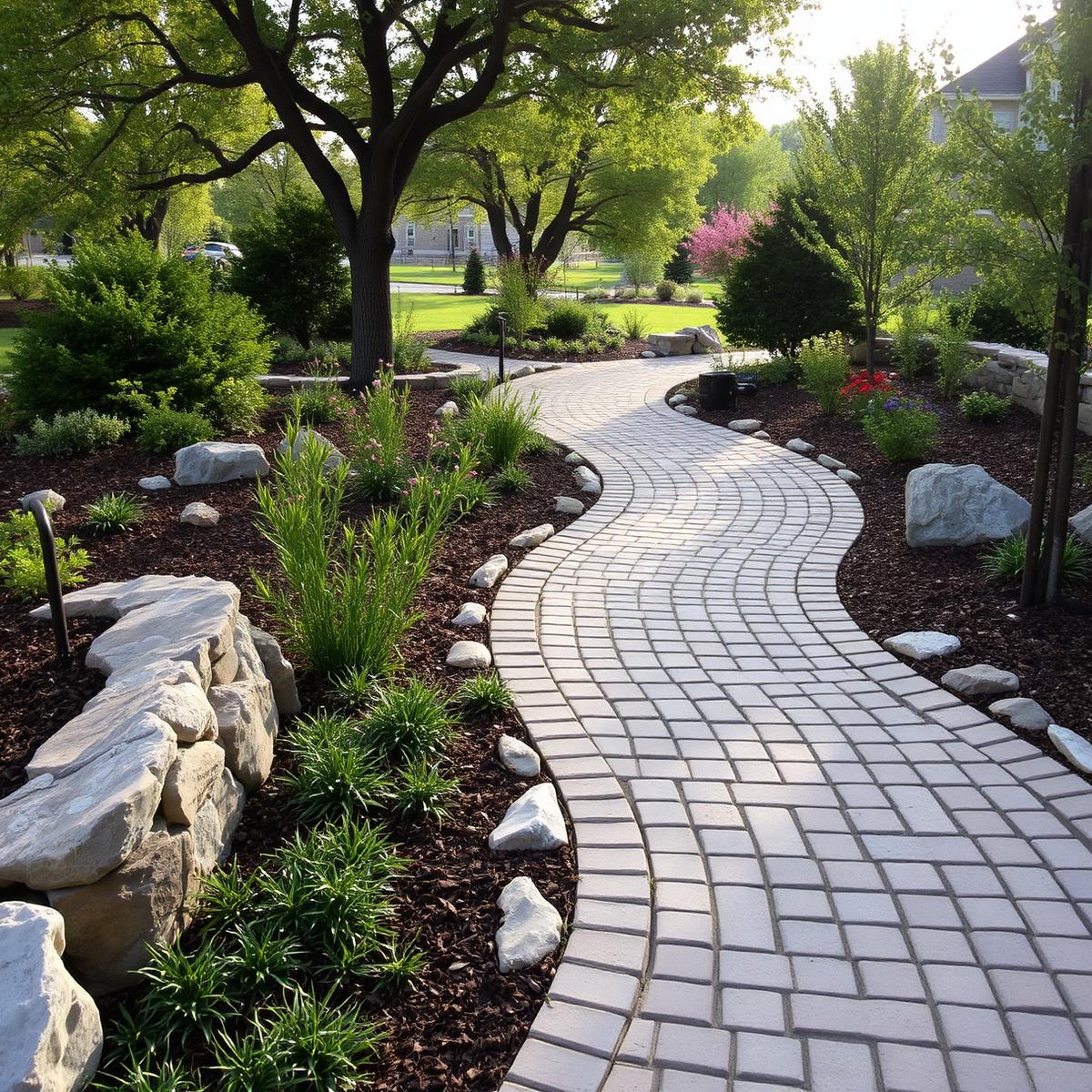
If you step out onto your Plano paver patio after a heavy North Texas rainstorm and find your joint sand washed away onto the surface, you are dealing with a common hardscape failure. Polymeric sand is designed to bind paver units together, block weeds, and resist erosion, but high-intensity downpours can quickly strip weak or improperly installed sand out of the joints.
In Plano and across Dallas–Fort Worth, polymeric sand washout is almost always triggered by one of three primary causes: improper hydration during installation, high-velocity water flow from unmanaged gutter downspouts, or structural joint widening caused by deep Blackland Prairie clay soil movement beneath your patio base. Understanding which issue is causing your sand loss is the key to fixing your patio permanently.
What this means for a DFW homeowner
When polymeric sand washes out, your paver patio loses its structural interlock. Pavers are not held together by mortar; they rely on friction created by properly compacted aggregate bases and tightly packed joint sand. When that sand disappears, several expensive issues begin to compound:
- Paver Shifting and Edge Failure: Empty joints allow pavers to move independently under foot traffic, leading to uneven edges, tripping hazards, and chipped paver corners.
- Weed Growth and Pest Infestations: Without a solid polymeric barrier, windblown seeds take root quickly in open joints, and North Texas fire ants will excavate the underlying bedding sand.
- Base Washout and Sunken Pavers: Heavy rainfall enters open joints without restriction. Water pools beneath the pavers, softening the bedding layer and washing out the crushed stone base, leading to deep sunken spots across your patio.
- Staining and Surface Haze: Sand washed out during a storm gets tracked across the surface, embedding polymer residue into concrete or natural stone pores, creating an unsightly milky haze.
Best surface or material options for this project
Restoring a washed-out patio requires choosing the right joint binder and surface material for Plano's specific weather patterns. Not all jointing sands perform equally under DFW's extreme heat cycles and sudden deluges.
- Commercial-Grade Polymeric Sand: Premium polymeric sands use high-strength binder additives engineered specifically for wider joints (up to 2 inches) and fast-curing environments. They resist heavy downpours far better than big-box retail sand mixes.
- Liquid Joint Stabilizers and Sealers: For tight paver joints or high-water zones, applying a penetrating acrylic or polyurethane joint-stabilizing sealer over silica sand creates an elastomeric bond that resists washing away while allowing micro-flexibility.
- Permeable Aggregates (No-Polymer Option): On patios with major drainage challenges, replacing polymeric sand with clean, crushed #8 or #89 granite chip aggregate allows water to drain directly through the joints into a permeable base rather than pooling and eroding the surface.
- Polymeric Dust for Natural Stone: If your Plano patio features irregular flagstone or natural stone pavers with wide, deep joints, specialized polymeric dust provides stronger cross-linking binder strength than standard sand.
Base prep, drainage, and North Texas soil details
Plano sits on heavy, expansive Collin County clay soil. When dry, this clay shrinks and cracks; when wet, it expands significantly. This constant swelling and shrinking puts tremendous pressure on hardscapes. If your patio base was built thin—or built without proper geotextile separation—the clay underneath moves, spreading the paver joints wider than the maximum 3/8-inch rating for standard polymeric sand. Once joint gaps stretch past their engineered limits, the polymeric bond breaks, allowing rain to sweep the loose material away.
Drainage is equally critical. North Texas experiences violent rain events where several inches of rain fall in under an hour. If your patio lacks a 1/4-inch per linear foot pitch away from your home, or if roof downpouts dump directly onto the paver surface, the volume and velocity of water will strip even correctly cured sand. During base prep, Paverston installs a minimum 6-to-8-inch crushed flex-base foundation over heavy-duty woven geotextile fabric, establishing positive slope and integrating catch basins or channel drains to direct runoff away from paver surfaces.
Cost guidance in Dallas–Fort Worth
Fixing a washed-out patio ranges from joint restoration to full base rebuilds if drainage failure has compromised the foundation. Complete new paver patio installations in Dallas–Fort Worth start at $20 per square foot installed.
| Service / Project Scope | Estimated Cost Range (DFW Market) | Key Factors Included |
| :--- | :--- | :--- |
| Polymeric Sand Extraction & Re-Sanding | $3.50 – $6.50 / sq ft | Pressure wash cleanout, joint drying, commercial sand installation, hydration cure |
| Paver Reset & Joint Restoration | $8.00 – $14.00 / sq ft | Lifting sunken pavers, re-leveling bedding layer, new sand, joint sealer |
| Standard Paver Patio Installation | $20.00 – $32.00 / sq ft | Includes excavation, 6" flex-base, geotextile, bedding sand, pavers, polymeric sand |
| Travertine or Porcelain Patio Installation | $25.00 – $44.50 / sq ft | Upgraded materials (+25-40%), specialized wet-set or permeable base prep |
| Existing Concrete Demolition | $6.00 – $12.00 / sq ft | Jackhammering, removal, haul-off prior to new paver base installation |
| Existing Paver Demolition & Haul-Off | $4.00 – $8.00 / sq ft | Removal of failed pavers and contaminated aggregate base |
Note: All new hardscape installations by Paverston strictly observe our $20/sq ft base rate floor. Complex pattern layouts add 15–25% to labor costs due to detailed cutting requirements.
What to look for in photos or during a site visit
When evaluating a damaged patio or reviewing previous contractor work photos, look closely at joint details and runoff management:
- Joint Depth Visuals: Sand should sit 1/8 inch below the chamfered edge of the paver. Sand filled flush to the top washes away immediately, while sand filled too low indicates insufficient compaction.
- White Polymer Haze: Look for milky streaks on the paver faces. This proves the previous installer did not thoroughly blow off sand dust before activating with water, or over-watered the surface.
- Downspout Terminations: Check photos to see if gutter downspouts dump directly onto pavers. Quality installations pipe downspouts underneath the paver base into pop-up emitters or French drains.
- Edge Restraints: Ensure concrete toes or heavy-duty snap-edge restraints are visible around the perimeter. Without rigid edge restraints, outer pavers push outward into Plano lawn clay, widening joints.
Paverston recommendation
Do not simply sweep new polymeric sand over washed-out joints. Fresh sand will not bond to wet, dirty, or half-filled joint cavities. The proper fix requires pressure-washing the joints completely clean down to the bedding layer, allowing the entire system to dry for at least 24 to 48 hours during clear weather, sweeping in a premium commercial-grade polymeric sand, compacting with a plate compactor equipped with a protective pad, and misting with precision water activation.
If your Plano home suffers from recurring washout, your hardscape may require integrated drainage solutions or a full base realignment. Contact the local hardscape experts at Paverston today at 214-228-1011 or visit our contact page to schedule a detailed on-site assessment and free estimate.
Related questions
Can I just pour new polymeric sand over washed-out sand?
No. Polymeric sand requires a clean, deep joint (at least 1 inch deep or the full depth of the paver) to interlock properly. Pouring a thin skin of new sand over old, crusty sand creates a weak layer that will wash away during the very next rainstorm.
How long does polymeric sand take to cure in DFW weather?
While high summer temperatures in Plano can speed up surface drying, most commercial polymeric sands require 24 to 48 hours of completely dry, rain-free conditions to fully cure and cross-link binders. High humidity or unexpected rain during this window will ruin the activation process.
Will sealing my paver patio stop sand from washing away?
Applying a high-quality joint-stabilizing paver sealer can significantly increase erosion resistance. However, sealers only work if the underlying sand was correctly installed, compacted, and activated first. Sealer cannot fix empty joints or correct poor drainage slopes.
Why did my polymeric sand turn white and hazy on my pavers?
White haze (polymeric film) occurs when sand residue is left on top of the pavers when water is applied, or when the sand is over-hydrated during installation. The excess water brings the polymers to the surface, leaving a milky film across the paver face that requires specialized stripper to clean.