Selecting the best paver contractor in Plano, TX requires looking far beyond quick estimates and surface aesthetics. In Collin County, high-expansion Blackland Prairie clay soil creates immense hydrostatic pressure beneath hardscapes. Without rigorous base preparation, custom patios, driveways, and pool decks can shift, crack, or settle unevenly within just a few seasons.
At Paverston, we provide Plano homeowners with a clear, step-by-step evaluation process to vet local hardscape contractors, inspect past work, and ensure your investment withstands North Texas climate challenges.
What this means for a DFW homeowner
When hiring a paver installation company in Plano, you must evaluate technical competence rather than low pricing. Plano features strict HOA guidelines, municipal drainage easements, and aggressive soil movement. Choosing the wrong contractor often leads to ruined grading, drainage back-ups toward your foundation, and premature surface failure.
Step-by-Step Guide to Evaluating Plano Paver Contractors
- Verify Local Credentials and Insurance: Confirm the contractor carries at least $1,000,000 in general liability insurance, active worker’s compensation, and local registration in Plano or Collin County.
- Inspect Base Specifications: Ask candidates specifically how deep they excavate and what base materials they install. If a contractor suggests placing pavers directly on top of sand or existing topsoil, eliminate them immediately.
- Request a Written Drainage Plan: Ensure the contractor explains how water will flow off the paved surface without flooding adjacent properties or pool structures.
- Review Local References and Live Portfolios: Ask to see completed paver patios or driveway projects in neighborhoods like West Plano, Willow Bend, or Kings Ridge that are at least 2 to 3 years old.
- Compare Written Line-Item Scope of Work: Reject single-line quotes. A proper contract must break down excavation depth, aggregate base type, bedding sand thickness, edge restraints, and joint stabilization sand.
Essential Checklist for Reviewing Contractor Estimates
- Written guarantee of minimum 6-inch compacted aggregate base
- Inclusion of commercial-grade geotextile soil stabilization fabric
- Specific edge restraint system (heavy-duty concrete bond beam or spiked PVC edging)
- Concrete sand setting bed specified at 1-inch uniform thickness
- Polymeric joint sand with mechanical plate compaction
Red Flags & Warnings
- Quotes below $20 per square foot: Quality paver materials, proper crushed rock base, and professional labor cannot be delivered in DFW below this threshold.
- Skipping Geotextile Fabric: Contractors who skip geotextile fabric over Plano clay soil are setting your project up for future trenching and base contamination.
- No Permitting Knowledge: Unqualified installers may ignore city easement set-backs or homeowner association architectural submittal requirements.
Best surface or material options for this project
Plano properties range from classic ranch homes to sprawling luxury estates. Matching the right hardscape material to your home's architecture and functional needs ensures long-term performance:
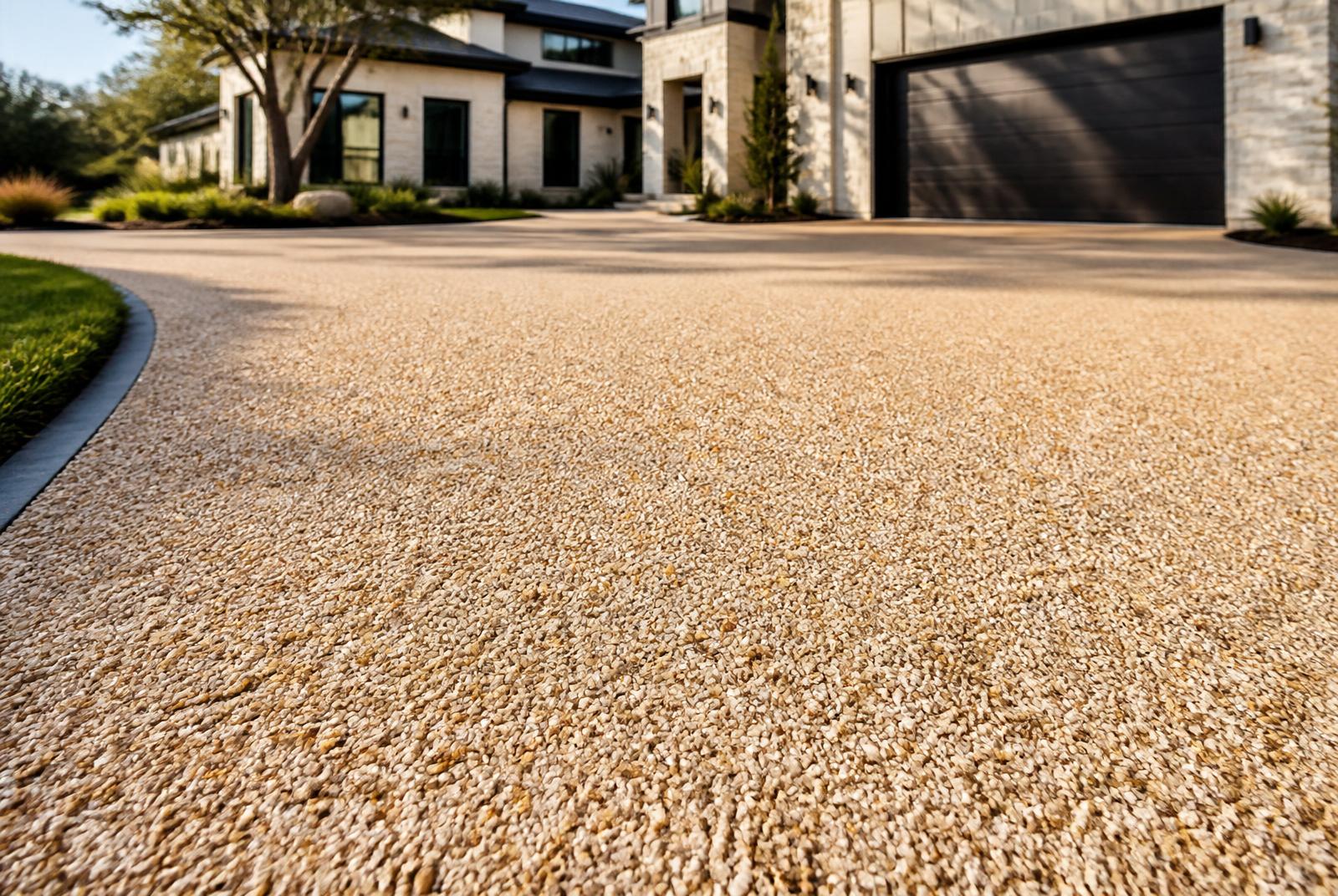
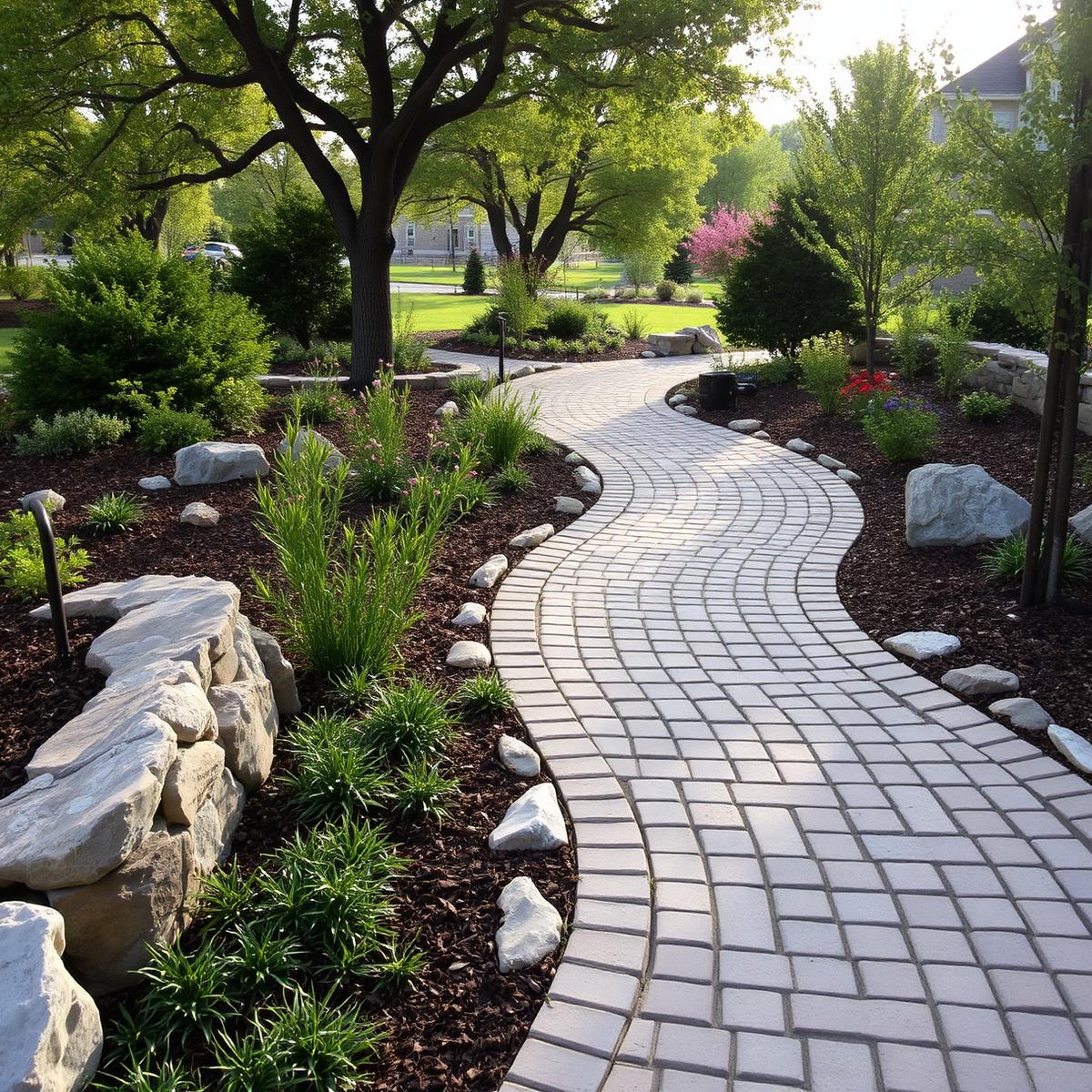
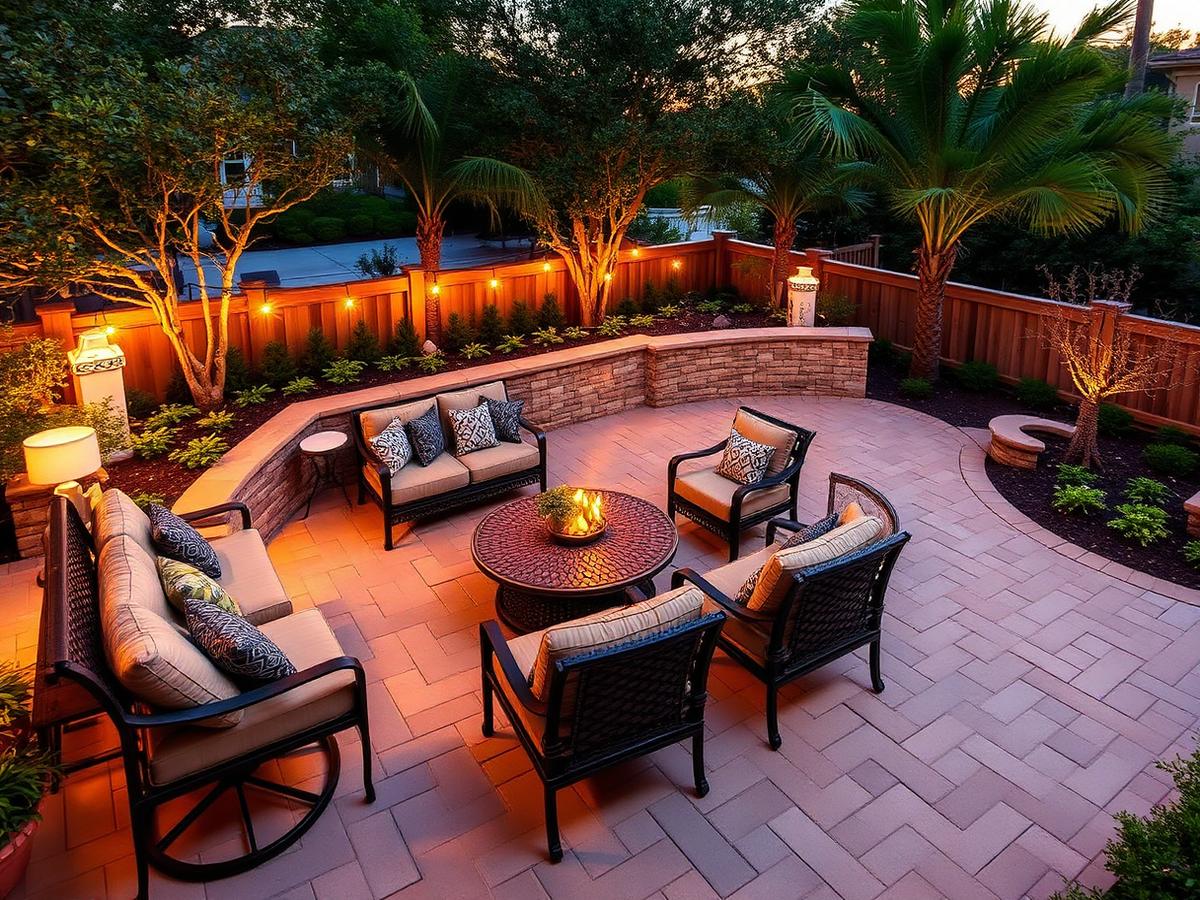
- Interlocking Concrete Pavers: The standard choice for DFW driveways, patios, and walkways. They offer exceptional compressive strength (over 8,000 PSI) and flex with minor soil movement without cracking.
- Travertine Pavers: Ideal for Plano pool decks and covered patios. Natural travertine remains cool under hot Texas summer heat, offers natural slip resistance, and adds premium luxury appeal.
- Porcelain Outdoor Pavers: Extremely dense, stain-resistant, and non-porous. Porcelain is perfect for modern patios and outdoor kitchens requiring minimal maintenance and zero sealing.
- Permeable Pavers: Ideal for properties with strict lot-coverage limits or drainage constraints, allowing stormwater to filter naturally into the sub-base.
Base prep, drainage, and North Texas soil details
Plano sits on expansive clay soil that expands dramatically when wet and shrinks when dry. This constant movement is the leading cause of hardscape failure in Collin County.
To prevent shifting and sinking, a master-level contractor follows strict engineered sub-base standards:
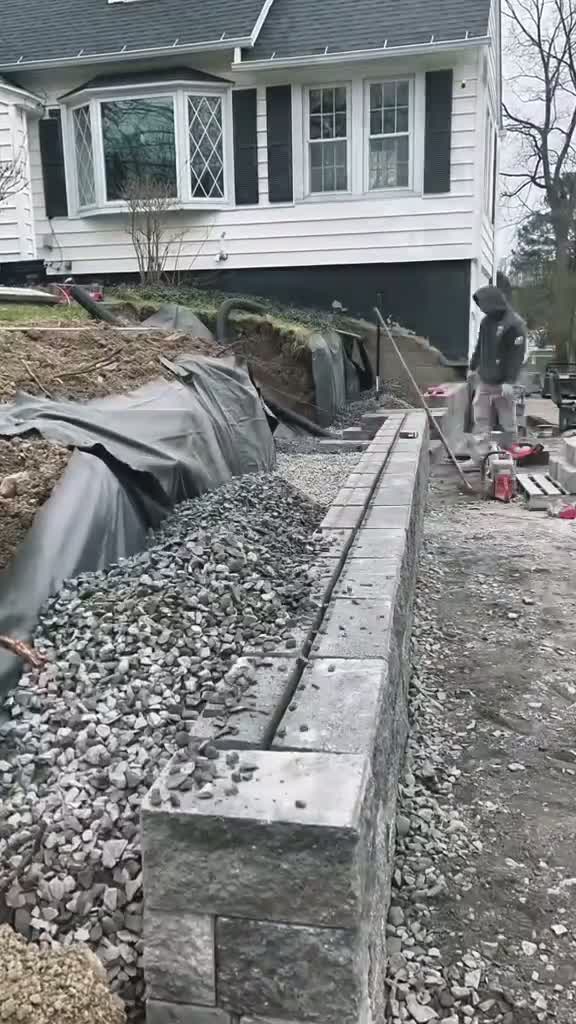
- Sub-Grade Excavation: Excavate 7 to 10 inches deep for patios and walkways, and 10 to 12 inches for vehicular driveways, removing loose topsoil until reaching solid clay base.
- Geotextile Separation Fabric: Lay heavy-duty woven geotextile fabric across the native clay. This barrier prevents dense clay from mixing with and weakening your crushed aggregate base during wet cycles.
- Crushed Stone Base: Install 6 to 8 inches of crushed aggregate flex base (Crushed Concrete or Type A Grade 2 flex base), compacted in maximum 2-inch lifts using a heavy mechanical plate compactor.
- Bedding Layer: Spread a uniform 1-inch bed of coarse concrete sand (ASTM C33) without pre-compacting before paver placement.
- Sloping and Drainage: Slope hardscapes at least 1/8 to 1/4 inch per foot away from home foundations. Integrate channel drains, catch basins, or French drains where slope availability is minimal.
Cost guidance in Dallas–Fort Worth
Paver installation costs in Plano and the greater DFW metroplex reflect material quality, site accessibility, demolition requirements, and base engineering. All professional paver installations start at $20 per square foot installed.
| Project Type | Average Range (Installed) | Key Cost Drivers |
| :--- | :--- | :--- |
| Paver Patio | $20 – $32 / sq ft | Access width, pattern complexity, base depth |
| Paver Driveway | $22 – $38 / sq ft | Excavation depth (8-12"), vehicular load prep, edge beams |
| Pool Deck Pavers | $26 – $44 / sq ft | Coping integration, pool drains, slip resistance specifications |
| Walkways & Steps | $20 – $32 / sq ft | Curve density, border cuts, step rise construction |
| Demolition (Concrete) | +$6 – $12 / sq ft | Concrete thickness, rebar presence, haul-off fees |
| Demolition (Existing Pavers) | +$4 – $8 / sq ft | Palletizing, sorting, site removal |
| Travertine / Porcelain Upgrade | +25% – 40% base cost | Diamond blade cutting, wet sawing, specialized handling |
| Complex Laying Patterns | +15% – 25% base cost | Increased cut waste (10-15%), meticulous layout labor |
Note: Paverston never quotes below $20 per square foot due to our strict engineering and base preparation standards for North Texas soils.
What to look for in photos or during a site visit
When evaluating a contractor's past work, look closely at these installation details:
- Border Lines (Soldier Course): Look for clean, smooth curves and tight, uniform joints along borders without irregular gaps.
- Level Transitions: Check step treads, pool coping transitions, and doorway landings to ensure surfaces lie flush without trip hazards.
- Edge Restraints: Check if border pavers along turf or garden beds are anchored using a hidden concrete bond beam or heavy-duty commercial edging.
- Joint Sand Consistency: In finished photos, joint sand should be swept flush to the chamfered edge and stabilized, with no hollow voids between stones.
Paverston recommendation
Never compromise on sub-base construction to save upfront money on a Plano hardscape project. Fixing a sunken, poorly drained paver patio often costs double the price of doing it correctly the first time. Hire a contractor who understands Collin County clay soils, provides transparent line-item quotes, and guarantees proper aggregate base depth.
At Paverston, we bring years of specialized DFW hardscape experience to every patio, driveway, and pool deck we build. Contact us today at 214-228-1011 or visit our /contact page to request an accurate, on-site consultation for your Plano property.
Related questions
Do I need a permit for a paver patio in Plano, TX?
In most cases, standard ground-level paver patios in Plano do not require a building permit unless they exceed specific square footage limits or alter existing drainage easements. However, HOA approval is almost always required before work begins.
How long should a paver patio last in North Texas?
When installed over a properly compacted 6-to-8-inch aggregate base with commercial geotextile fabric, an interlocking concrete or natural stone paver patio in Plano will last 30 to 50 years with minimal maintenance.
Why are pavers better than poured concrete in DFW?
Poured concrete slabs frequently crack in North Texas due to shifting clay soils. Interlocking pavers act as a flexible surface system, expanding and contracting with ground movement without cracking or structural failure.
Can I install pavers directly over existing concrete in Plano?
Overlaying pavers over existing concrete is only recommended if the slab is structurally sound, crack-free, and correctly sloped away from buildings. If the underlying concrete settles or shifts, the pavers above will mirror those defects.