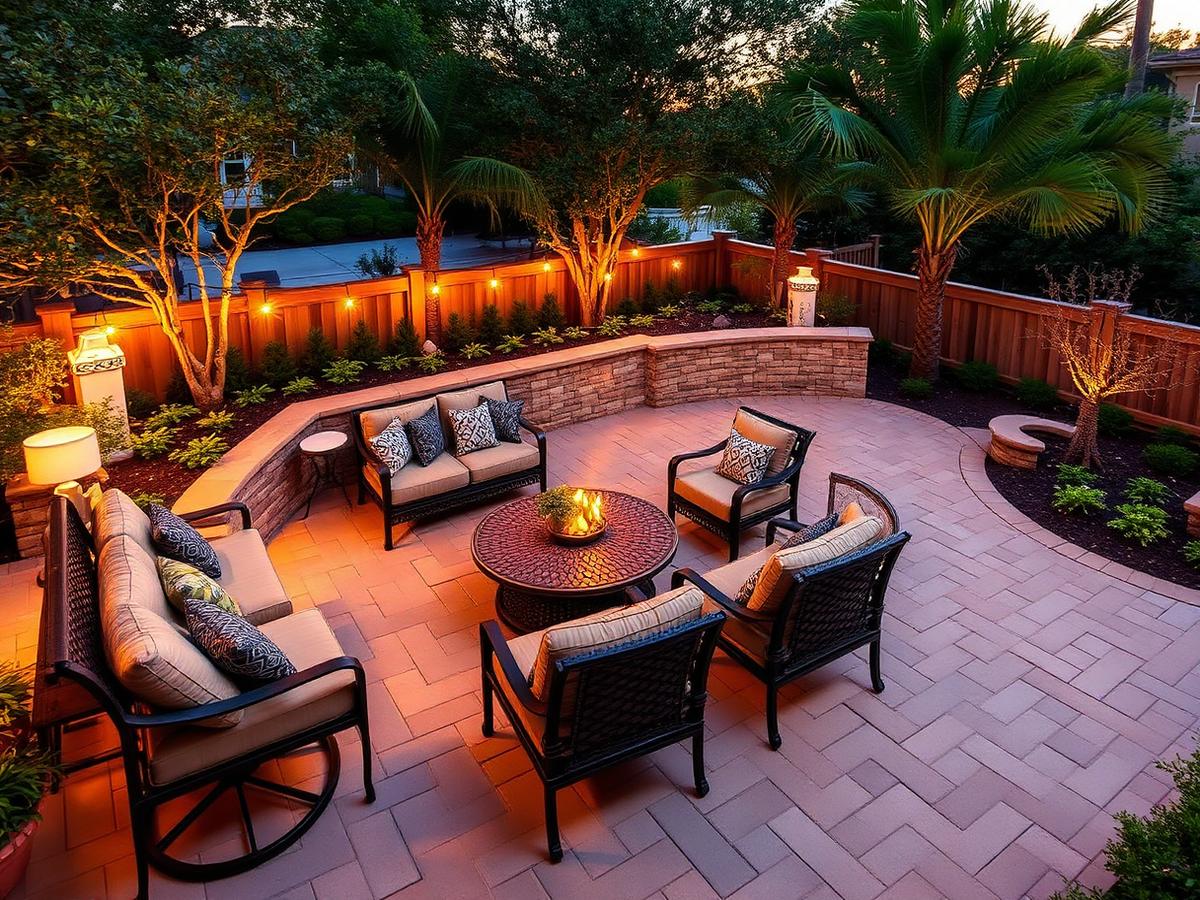
In the Dallas–Fort Worth metroplex, stamped concrete typically costs $12 to $22 per square foot installed, while premium outdoor porcelain pavers installed by Paverston range from $28 to $44 per square foot. For a standard 500-square-foot backyard patio, a stamped concrete slab requires an initial investment of approximately $6,000 to $11,000, whereas a high-end porcelain paver patio ranges between $14,000 and $22,000.
While stamped concrete appears to save 40% to 50% upfront, the severe shrink-swell cycles of Dallas clay soil frequently cause solid concrete slabs to crack within 3 to 7 years. Porcelain pavers are installed over an engineered, flexible crushed-stone base system, allowing individual tiles to articulate with ground movement without cracking. This structural difference makes porcelain pavers a significantly more durable and cost-effective long-term investment for North Texas homeowners.
What this means for a DFW homeowner
Choosing between stamped concrete and porcelain pavers in Dallas is not just an aesthetic decision—it is a structural one dictated by local geology. Much of Dallas, including neighborhoods in North Dallas, Lake Highlands, and surrounding suburbs like Plano and Frisco, sits on expansive Blackland Prairie clay soil. This clay expands significantly when saturated by heavy seasonal rain and shrinks drastically during scorching August heat waves.
Because stamped concrete is a monolithic rigid slab, it cannot accommodate this continuous ground movement without eventually cracking. Control joints are cut into stamped concrete to direct where it cracks, but uncontrollable hairline fissures frequently form across decorative patterns. Once a stamped slab cracks, water penetrates the break, accelerating soil shifting beneath and causing uneven settlement.
Porcelain pavers eliminate this issue entirely. By utilizing a flexible, multi-layered aggregate base with sand or gravel jointing, each porcelain tile operates independently. If the subgrade soil shifts, the paver surface absorbs the movement without structural failure. Furthermore, non-porous porcelain resists oil stains, pool chemicals, and heavy UV exposure, remaining vibrant and structural for decades.
Best surface or material options for this project
When designing a modern patio, understanding material characteristics ensures you select the surface best suited to your outdoor lifestyle.
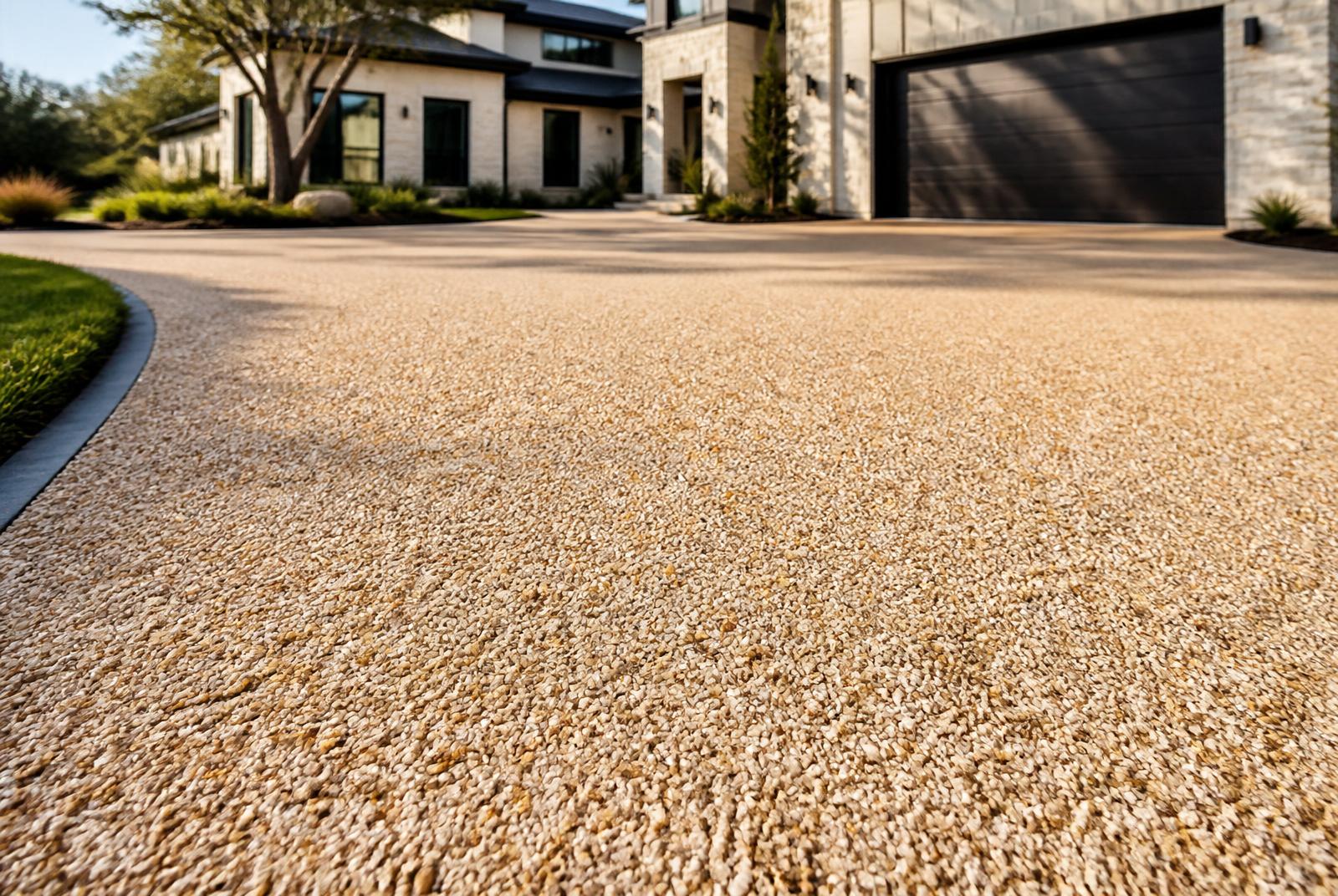
- Stamped Concrete: A poured concrete slab stamped with texturing mats to mimic brick, slate, or stone, then stained and sealed. While budget-friendly initially, it requires re-sealing every 2 to 3 years to prevent fading and surface spalling caused by sun and pool chemicals.
- Standard Concrete Pavers: Interlocking concrete units ranging from $20 to $32 per square foot installed. They offer high compressive strength and complete repairability, serving as a robust middle-ground material.
- 20mm Outdoor Porcelain Pavers: Ultra-dense, engineered porcelain slabs designed specifically for exterior use ($28 to $44 per square foot installed). Porcelain features water absorption rates below 0.5%, making it completely impervious to frost, moss, mildew, and staining.
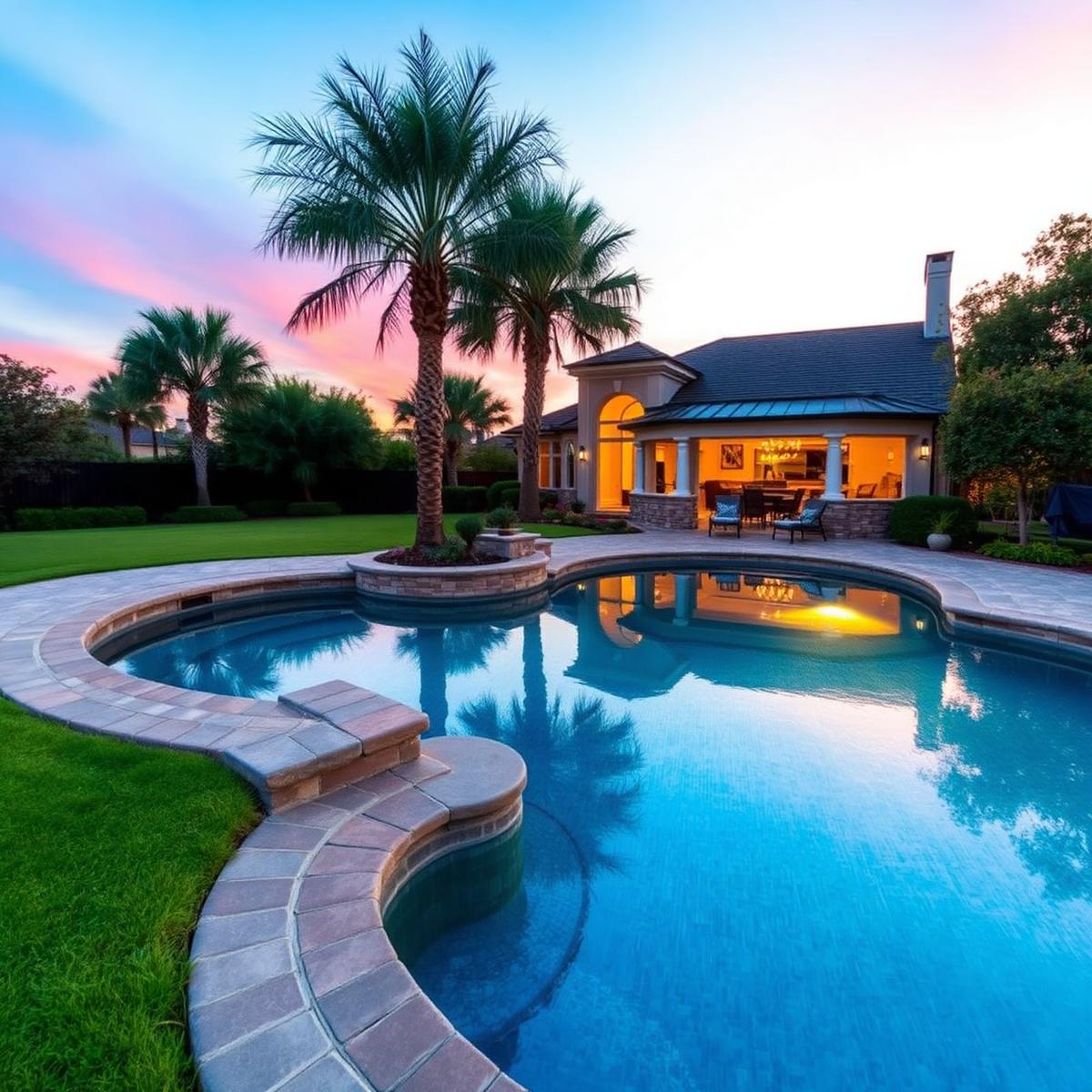
For homeowners building a pool deck or outdoor entertainment space in Dallas, porcelain pavers offer an exceptional slip resistance rating (R11 finish) and stay substantially cooler under direct foot traffic than dark-stained concrete or natural slate.
Base prep, drainage, and North Texas soil details
No patio surface can outlive an inadequate foundation. In North Texas, base preparation accounts for over half of a patio's structural integrity.
To install a permanent porcelain paver patio, Paverston excavates 7 to 9 inches into the native clay soil. We line the trench with heavy-duty geotextile fabric to prevent the clay from mixing with and contaminating our clean base aggregate. We then backfill and mechanically compact a 4-to-6-inch sub-base of crushed Texas limestone aggregate in dense, 2-inch lifts.
A 1-inch bedding layer of clean sharp sand or micro-gravel is screeded over the compacted stone base before setting the 20mm porcelain pavers. Polymeric sand is swept into the narrow joints and activated with water to lock the pavers in place while maintaining permeability.
Proper drainage slope is mandatory. We engineer every patio with a precise 1/8-inch-per-foot pitch away from your home's foundation. Where yard elevation prevents natural sheet drainage, we integrate discreet channel drains or catch basins linked to PVC discharge piping.
Cost guidance in Dallas–Fort Worth
Paverston projects in the DFW metroplex start at a minimum of $20 per square foot installed for standard pavers. Premium materials like porcelain carry a 25% to 40% premium due to specialized handling, precision diamond-blade cutting requirements, and material costs.
Below is a realistic cost comparison for a 500 sq ft backyard patio installation in Dallas:
| Patio Option | Cost per Sq. Ft. (Installed) | Typical 500 Sq. Ft. Total | Expected Lifespan | Maintenance Level |
| :--- | :--- |
|---|---|
| :--- |
| Basic Stamped Concrete | $12 – $16 | $6,000 – $8,000 | 10–15 Years | High (Reseal every 2 yrs) |
| High-End Stamped Concrete | $16 – $22 | $8,000 – $11,000 | 10–15 Years | High (Reseal every 2 yrs) |
| Standard Concrete Pavers | $20 – $32 | $10,000 – $16,000 | 30–50+ Years | Low (Occasional sweep/wash) |
| Porcelain Pavers | $28 – $44 | $14,000 – $22,000 | 50+ Years | Ultra-Low (Stain & fade proof) |
Additional Site Factors Impacting Overall Cost:
- Existing Concrete Demolition: Removing an old poured concrete patio adds $6 to $12 per square foot.
- Existing Paver Removal: Removing existing pavers adds $4 to $8 per square foot.
- Complex Layouts & Patterns: Diagonal layouts, curved borders, or intricate inlaid steps add 15% to 25% in labor due to custom cutting.
- Site Accessibility: Narrow side yards under 48 inches require manual equipment transport, slightly increasing labor times.
What to look for in photos or during a site visit
When reviewing a contractor's portfolio of Dallas patio projects, look past the initial beauty and examine the technical execution:
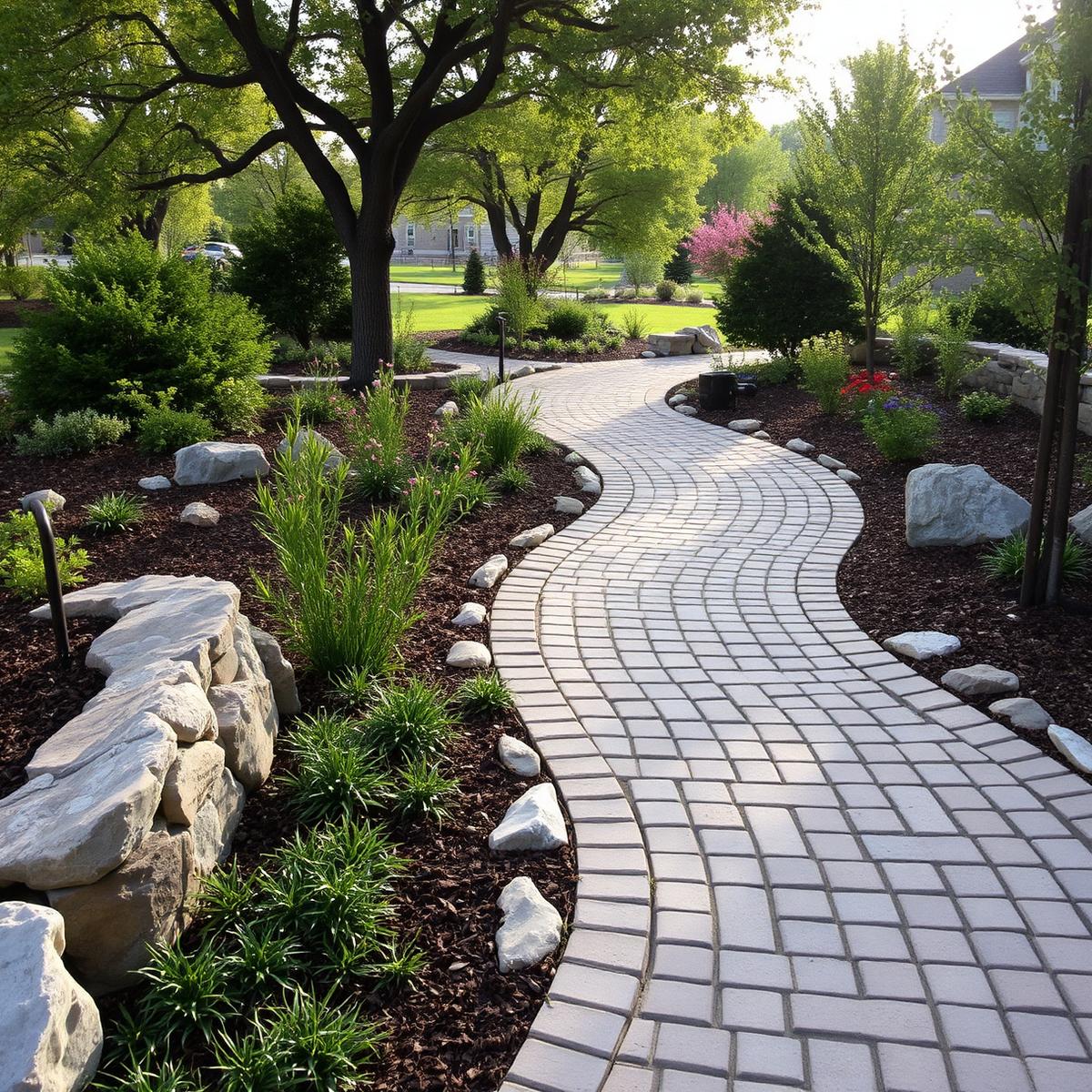
- Joint Uniformity: Look closely at porcelain paver photos. Joints should be crisp, perfectly straight, and consistently spaced (typically 3/16 inch). Wavy lines indicate poor base leveling.
- Edge Restraints: Check edge details on patio perimeters. Professional paver installations use heavy-duty commercial edge restraints spiked into the aggregate base, hidden beneath turf or mulch.
- Coping and Steps: Observe how porcelain copings around pool decks or steps are finished. Look for clean, smooth bullnose or mitered edges rather than rough field cuts.
- Integration with Landscaping: Check if drainage grates and turf transitions are flush with the paver surface rather than creating trip hazards.
Paverston recommendation
If your long-term goal is a low-maintenance, luxurious backyard patio that resists Dallas heat and soil expansion, porcelain pavers are the superior choice. Stamped concrete offers initial savings, but high long-term maintenance costs and inevitable structural cracking often make it more expensive over a 15-year period.
At Paverston, we back our porcelain paver patio and pool deck installations with rigorous base engineering designed specifically for DFW clay conditions. Contact Paverston today at 214-228-1011 or visit our /contact page to schedule an on-site consultation and receive an accurate, line-item estimate for your project.
Related questions
Do porcelain pavers get hotter than stamped concrete in the Dallas summer sun?
No. Light to mid-tone porcelain pavers generally stay cooler underfoot than dark-stained concrete or natural stone. Porcelain's high density and specialized surface glazes reflect thermal radiation effectively, making it ideal for barefoot pool deck walking.
How do you repair damaged stamped concrete versus damaged porcelain pavers?
Repairing cracked stamped concrete requires patching compound or complete section replacement, which leaves visible, mismatched color patches. With porcelain pavers, an individual damaged tile can be lifted out and replaced in less than an hour without altering the surrounding patio.
Can porcelain pavers be installed over an existing concrete slab in Dallas?
Yes, porcelain pavers can be installed over a structurally sound concrete slab using specialized pedestal systems or thin-set mortar. However, if the underlying concrete slab is severely cracked or shifting due to Dallas clay, we recommend demolishing the old concrete and installing a flexible aggregate base.
Do porcelain pavers require sealing?
No. Unlike stamped concrete or natural stone, porcelain pavers are completely non-porous and never require chemical sealers. Spilled wine, grill grease, and pool chemicals wash away easily with water and mild soap.