Preventing paver patio shifting in Fort Worth requires engineered soil stabilization rather than standard superficial base prep. Fort Worth sits on highly expansive clay soil—often referred to as Blackland Prairie clay or Eagle Ford shale—which expands dramatically when saturated during spring storms and contracts severely during long, dry summer spells. Standard 2-to-3-inch gravel bases fail under these conditions because the swelling clay forces its way up into the base rock, causing the surface pavers to buckle, dip, and separate.
At Paverston, we prevent patio shifting by excavating 6 to 8 inches into the native clay soil, installing heavy-duty non-woven geotextile stabilization fabric, placing a thoroughly compacted crushed stone base, and establishing positive slope drainage. This engineered sub-base isolates the flexible surface system from subsoil movement, ensuring your outdoor living space remains level and structurally sound year-round.
What this means for a DFW homeowner
Fort Worth homeowners often witness the destructive power of local soils on poured concrete driveways and foundations. Poured concrete is rigid; when the underlying clay expands unequally across a yard, the concrete cracks under tension. Paver systems, on the other hand, are flexible pavement structures composed of individual interlocking units. They naturally accommodate minor micro-movements without cracking.
However, if the base beneath the pavers is undersized or unsealed against soil migration, expansive clay will ruin the patio over time. During dry August droughts, soil shrinks and leaves deep subsurface voids. When severe North Texas thunderstorms arrive, water rushes into those voids, turning the top layer of clay into slurry. Without geotextile fabric and deep compaction, crushed stone sinks into the mud, leading to sunken spots, tripping hazards, and weed growth in expanding joints.
Best surface or material options for this project
When building on expansive clay, selecting high-performance paver materials paired with proper jointing systems makes a significant difference in long-term performance:
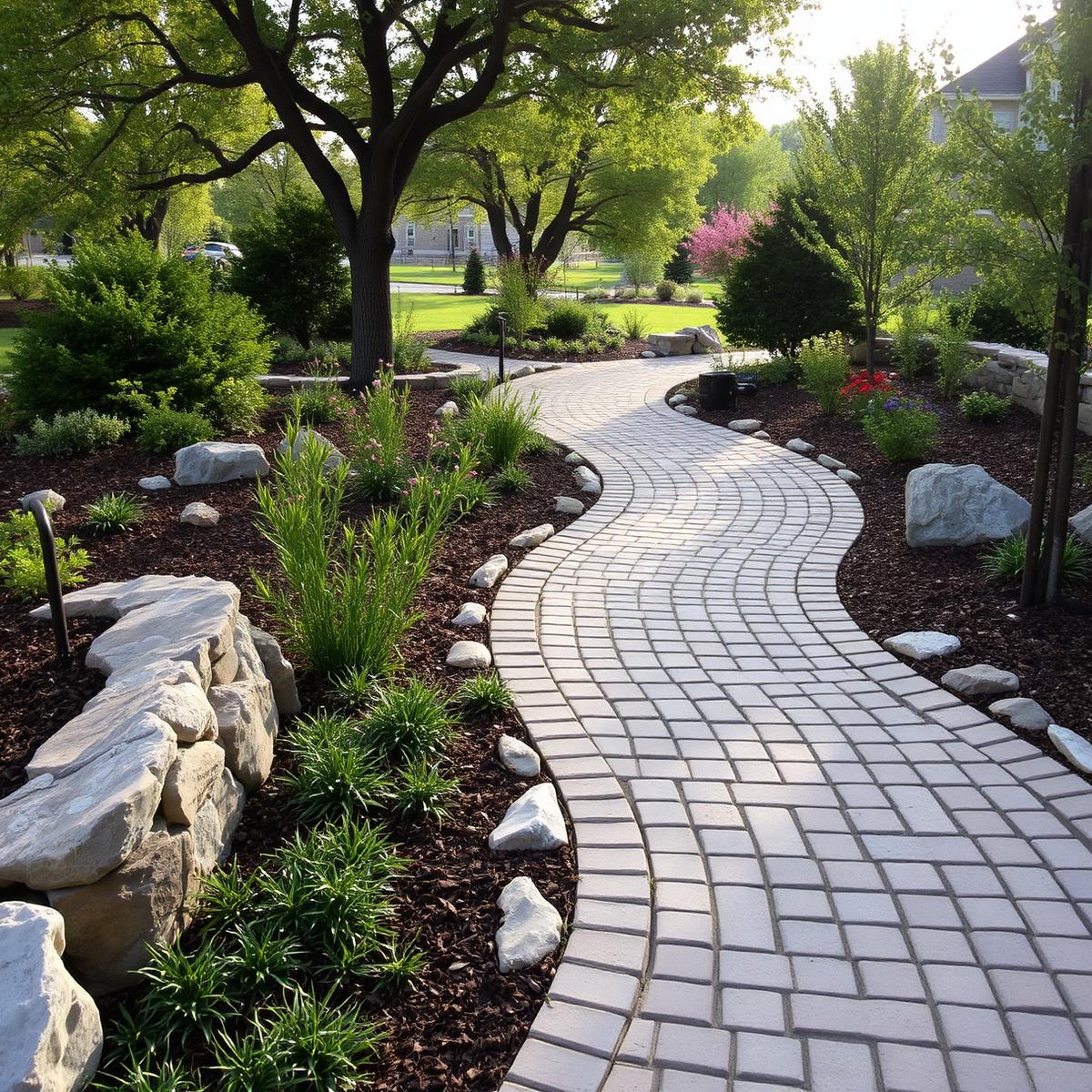
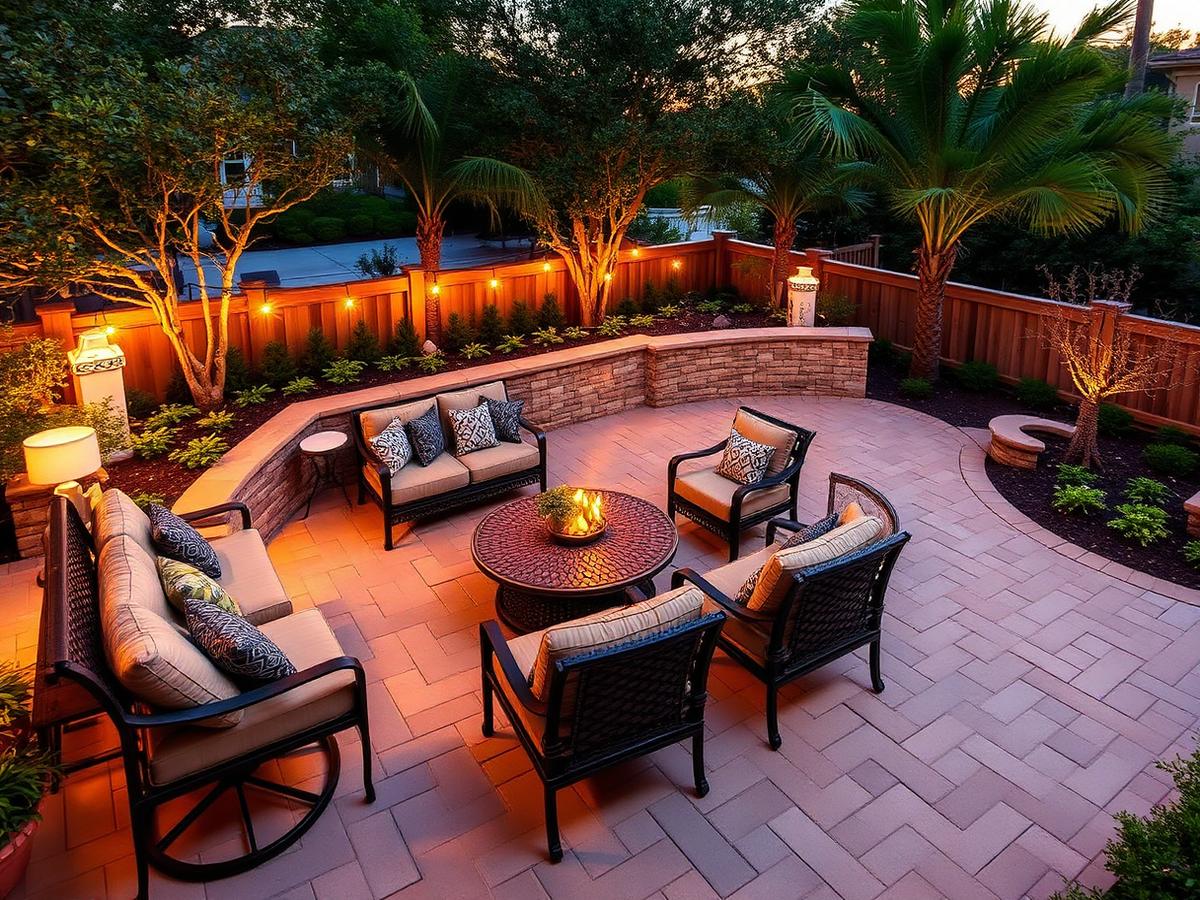
- Interlocking Concrete Pavers (2-3/8" thickness): The gold standard for residential patios and walkways. Interlocking pavers distribute weight evenly across the entire surface area. Their bevels and engineered spacer nubs allow polymeric sand to lock tightly, forming a weather-resistant barrier.
- Natural Travertine Pavers (1.25" to 2" thickness): Excellent for pool decks and upscale patios due to heat resistance. When installed over a properly compacted crushed stone bed with polymeric joint sand, travertine provides an elegant finish that tolerates DFW thermal cycles without shifting.
- Porcelain Exterior Pavers (2cm thickness): Extremely dense, frost-resistant, and non-porous. Porcelain requires a precise sand-bed setting over an ultra-stiff base, making thorough sub-base preparation even more essential in Fort Worth clay.
Base prep, drainage, and North Texas soil details
Sub-base preparation is where 90% of a patio's longevity is determined. Paverston uses a strict 5-layer installation method designed specifically for Tarrant County soil dynamics:
- Deep Excavation: We excavate 6 to 8 inches below final grade for pedestrian patios and walkways, and 8 to 12 inches for driveway applications.
- Geotextile Separation Fabric: We line the entire excavated clay bed with a heavy non-woven geotextile fabric. This membrane permits water movement while physically preventing wet clay from blending into the aggregate base.
- Crushed Aggregate Base: We spread a crushed stone base (Flex Base or crushed limestone) in 2-inch layers, compacting each layer with heavy vibratory plate compactors to 98% density. Water is applied during compaction to achieve maximum mechanical interlocking.
- Bedding Sand Layer: A sharp, 1-inch screeded layer of washed concrete sand (ASTM C33) is laid across the compacted stone. Pavers are set directly onto this sand bed.
- Edge Restraints & Polymeric Sand: Commercial-grade concrete edge restraints are spiked 10 inches deep into the base aggregate around the perimeter. Polymeric sand is swept into all joints and vibrated to seal the surface against rainwater intrusion.
Drainage Requirement: The patio surface must slope away from house foundations at a minimum rate of 1/8 inch to 1/4 inch per foot. Where natural surface slope is impossible, catch basins, channel drains, or French drains are integrated to direct runoff clear of the patio footings.
Cost guidance in Dallas–Fort Worth
Proper excavation and soil stabilization require specialized machinery and crushed rock tonnage, but it protects your investment. Paverston projects in the DFW metroplex start at $20/sq ft installed for basic patio projects, scaling based on material and site complexity.
| Project Type | Average Cost per Sq. Ft. (Installed) | Key Factors Included |
| :--- | :--- | :--- |
| Paver Patios & Walkways | $20 – $32 / sq ft | Excavation, fabric, 6" base, pavers, poly sand, edge restraints |
| Paver Driveways | $22 – $38 / sq ft | 8"–12" heavy vehicle base prep, high-load interlocking pavers |
| Pool Decks (Travertine / Porcelain) | $26 – $44 / sq ft | Cool-foot natural stone/porcelain, base prep, coping coping integration |
| Travertine / Porcelain Upgrades | +25% to +40% base cost | Premium material cost and specialized diamond cutting |
| Complex Patterns / Borders | +15% to +25% base cost | Increased manual labor and custom border cutting |
| Existing Concrete Demolition | +$6 – $12 / sq ft | Hydraulic breaking, hauling, and off-site recycling |
| Existing Paver Removal | +$4 – $8 / sq ft | Manual teardown and sub-grade re-leveling |
Note: Paverston never quotes below $20/sq ft installed, ensuring full compliance with essential soil stabilization standards.
What to look for in photos or during a site visit
When reviewing a contractor's past work or assessing your site during an estimate, check for these indicators of high quality:
- Concrete Edge Restraints: Verify that heavy-duty perimeter edging is anchored into stone base, not soft topsoil.
- Flush Grade Transitions: Look at how pavers meet back doors, siding, and existing foundation slabs—transitions should be flush and properly sloped.
- Crisp Joint Lines: Look closely at photo galleries for straight alignment along bond lines and consistent joint width throughout.
- No Standing Water: After rainstorms, check past project photos or client references to ensure water clears off the patio within 30 minutes.
Paverston recommendation
Do not cut corners on base excavation in Fort Worth. A gorgeous paver patio will fail within 24 months if laid on a thin 2-inch sand layer directly over clay soil. Invest in professional geotextile fabric installation, a minimum 6-inch compacted aggregate base, and high-performance polymeric joint sand.
If you want a durable outdoor patio, pool deck, or walkway built to withstand North Texas weather extremes, contact the local specialists at Paverston. Call us today at 214-228-1011 or visit /contact to request a detailed on-site estimate.