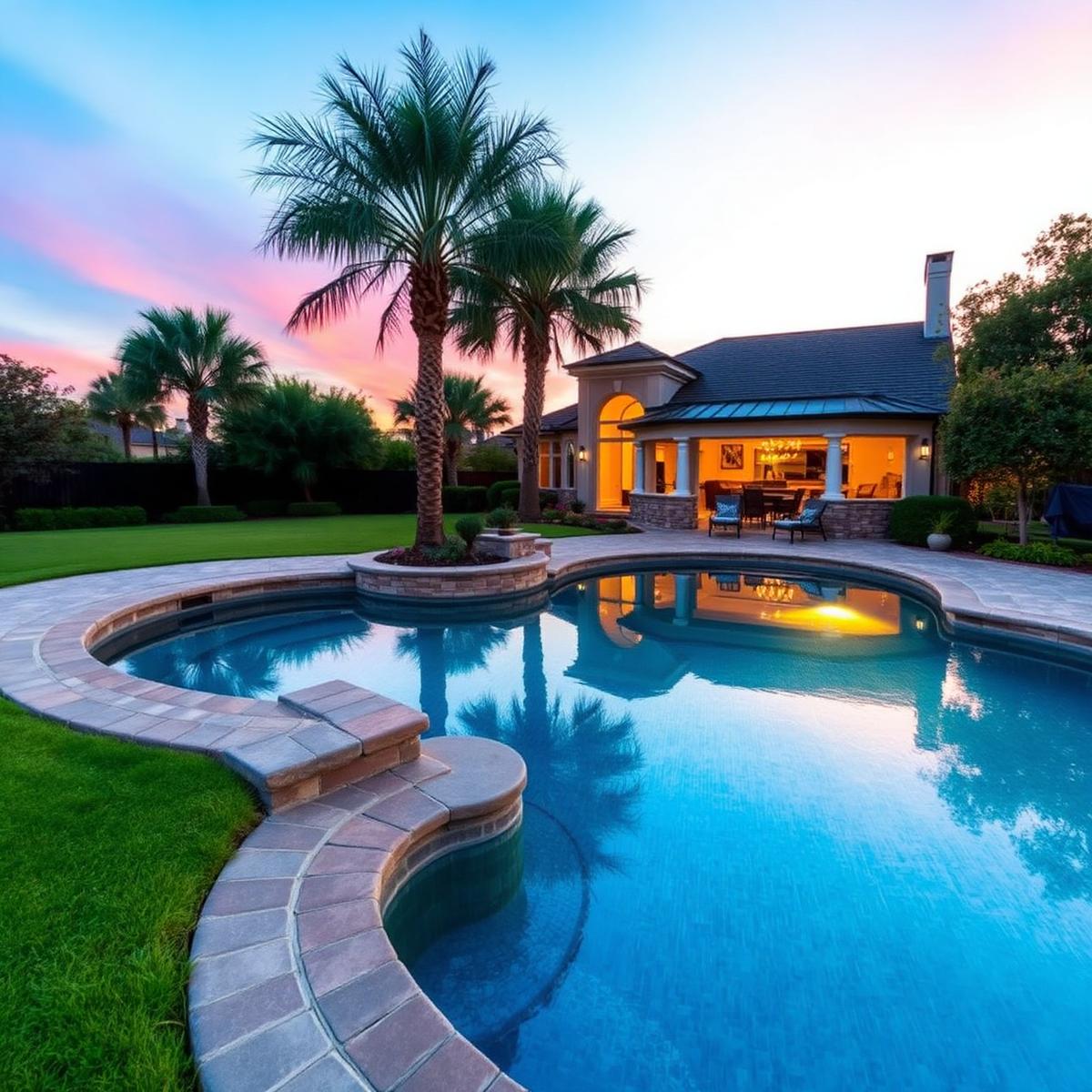
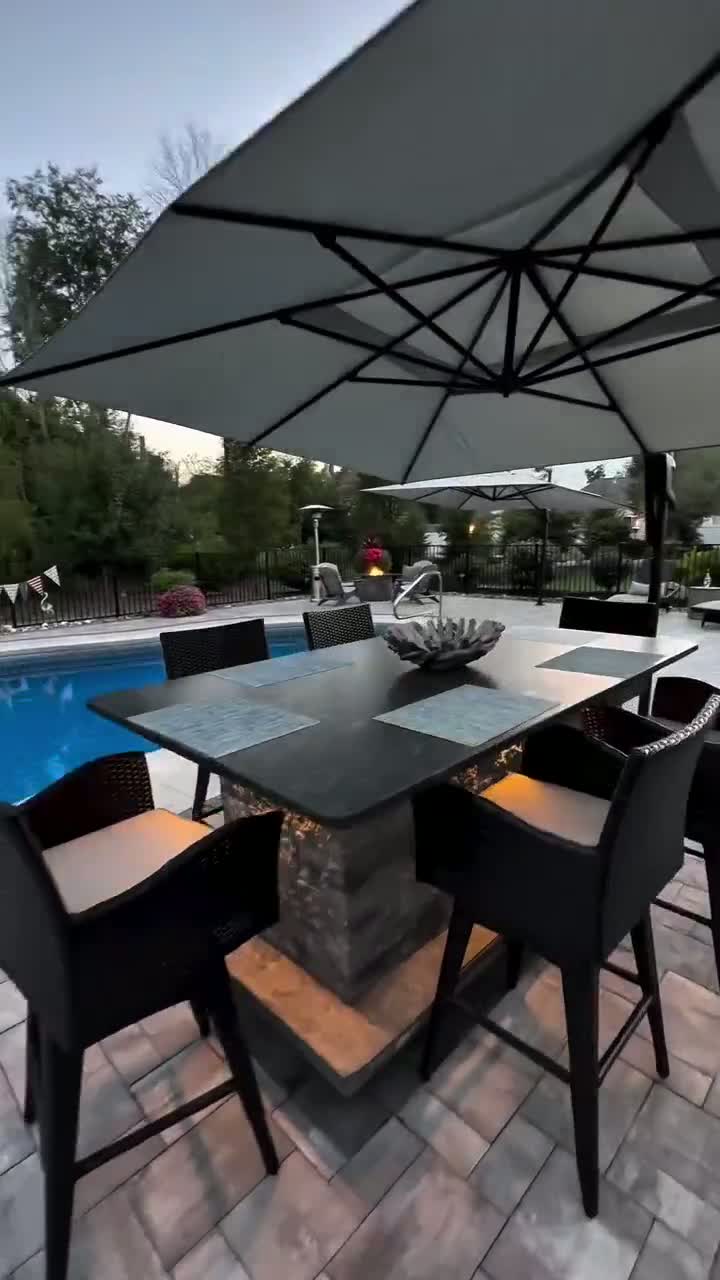
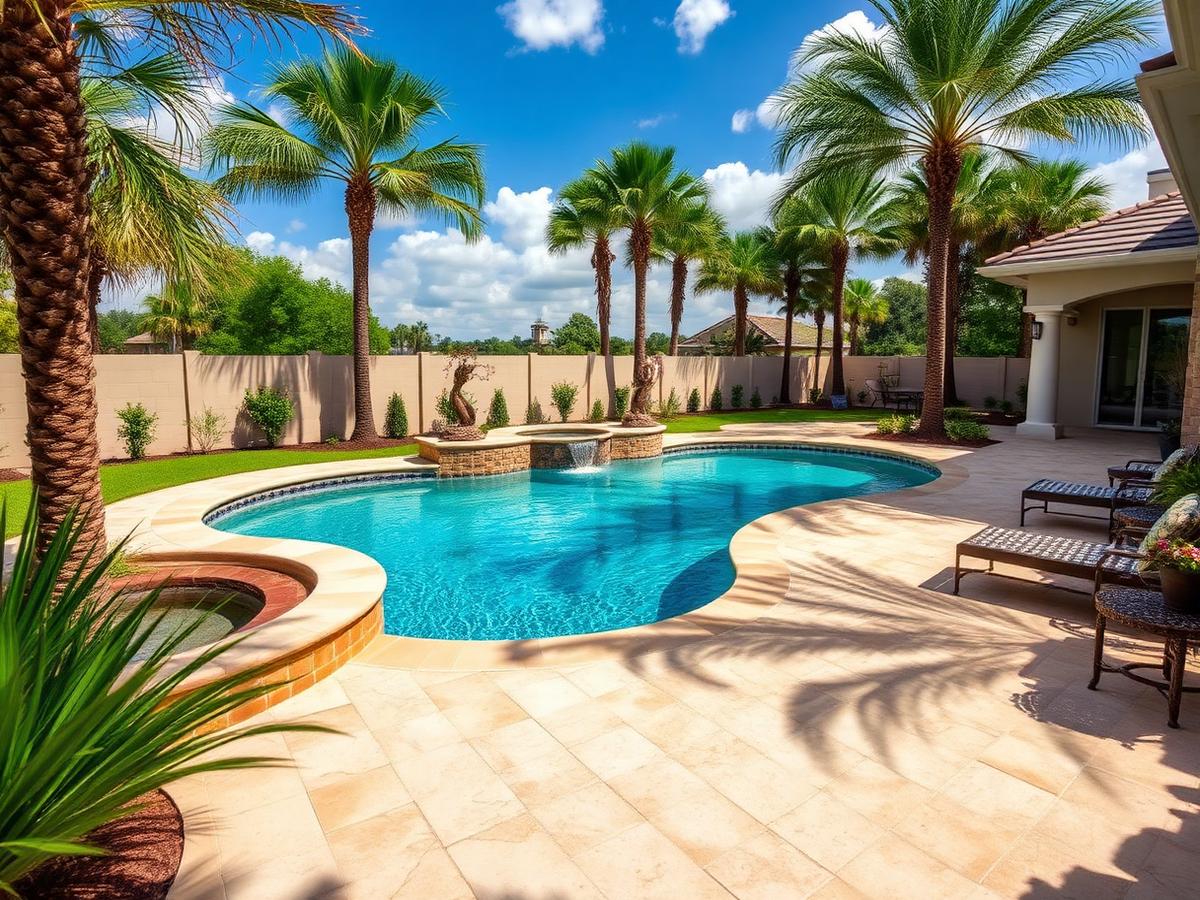
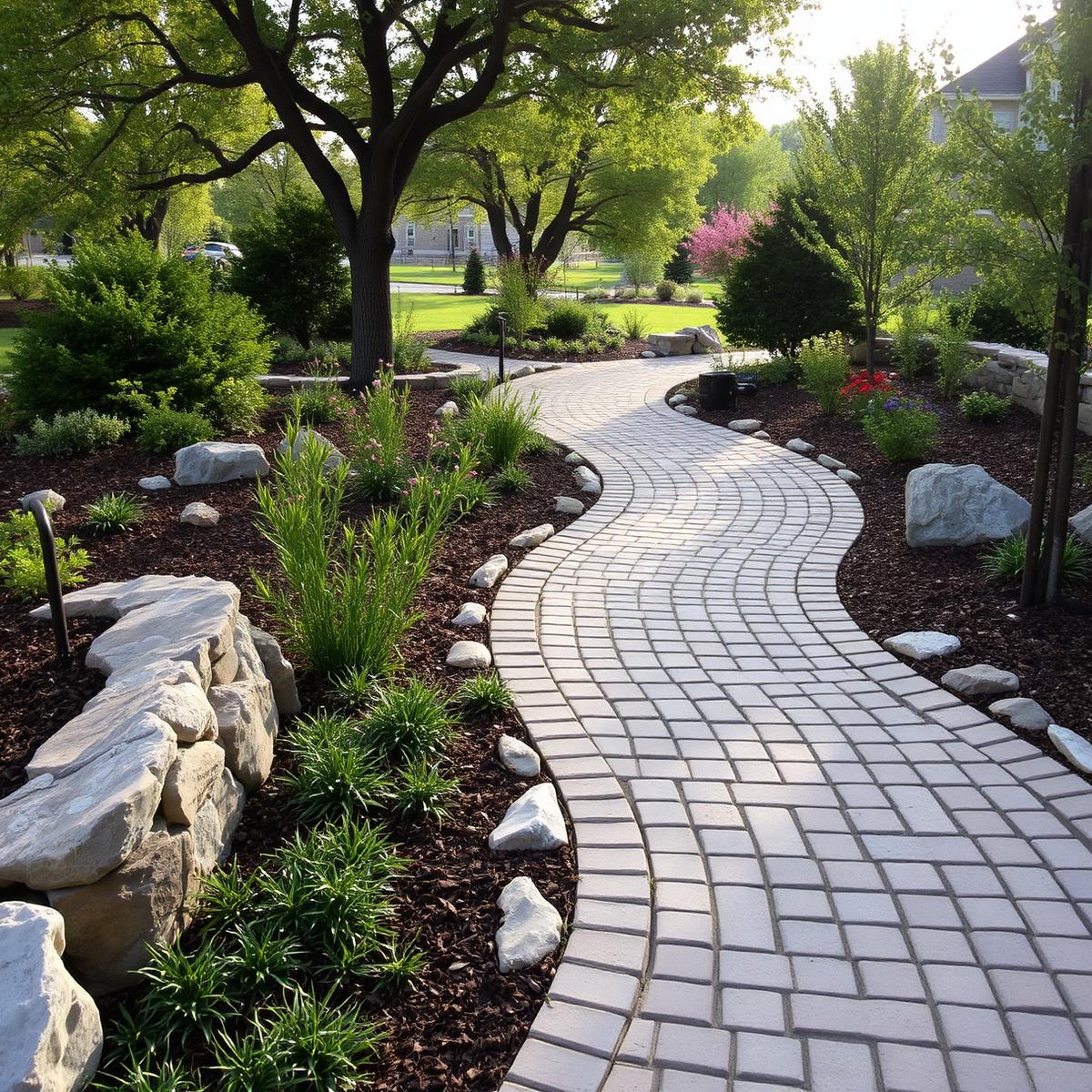
Cleaning and sealing pavers in the Dallas–Fort Worth metroplex is essential for preserving the beauty, structural integrity, and color of your hardscape. The process involves a thorough multi-stage washing to remove embedded dirt, algae, and efflorescence, followed by replacing or stabilizing joint sand, and finally applying a high-grade, breathable paver sealer.
In North Texas, skipping this routine maintenance allows intense summer heat, sudden heavy rainstorms, and expansive clay soil movement to degrade your hardscape prematurely. At Paverston, we recommend deep cleaning and sealing your concrete or natural stone pavers every 3 to 5 years to lock in sand, block weed growth, and prevent permanent surface staining.
What this means for a DFW homeowner
Living in DFW presents unique challenges for outdoor hardscapes. Our native Blackland clay soil shifts dramatically between dry summers and wet spring cycles. When paver joints lose sand due to rain runoff or pressure washing, water penetrates deep beneath the pavers, accelerating base erosion and soil swelling. This leads to sunken pavers and uneven surfaces on driveways, patios, and pool decks.
Furthermore, the North Texas sun subjects your hardscapes to relentless ultraviolet (UV) radiation for over six months of the year. UV rays bleach the iron oxide pigments in concrete pavers, turning vibrant shades of charcoal, terracotta, and sand into dull gray. Sealants act as a sunblock for your investment, blocking UV penetration and keeping water from soaking into porous concrete or natural travertine.
Best surface or material options for this project
Not all sealers and cleaners are created equal, and choosing the wrong product for your specific surface material can trap moisture, create a hazy white film, or make your pool deck dangerous and slippery. Here is how material selection breaks down for DFW hardscapes:
- Concrete Interlocking Pavers: Concrete pavers absorb water and oils quickly. They benefit most from joint-stabilizing water-based or solvent-based acrylic sealers. These sealers strengthen the surface and bind the joint sand together to resist weeds.
- Travertine & Natural Stone: Travertine pool decks and natural stone walkways require a penetrating (impregnating) breathable sealer. Coating travertine with a topical high-gloss film trap subterranean moisture from shifting clay, leading to dynamic failure and peeling.
- Porcelain Pavers: Porcelain has an extremely low absorption rate (under 0.5%). Porcelain surfaces do not require topical sealing, but high-performance joint grout should be cleaned routinely with non-acidic cleaner.
- Sealer Finishes: You can choose between a natural matte finish, an enhanced semi-gloss, or a wet-look shine. For pool decks and inclined driveways, always opt for a low-sheen or matte finish mixed with a non-slip grit additive to preserve traction.
Base prep, drainage, and North Texas soil details
Sealing over dirty, damp, or poorly prepped pavers locks in blemishes permanently. Successful sealing in Dallas–Fort Worth relies entirely on rigorous surface and base preparation:
- Deep Cleaning & Efflorescence Removal: Surfaces must be prepped with a specialized hardscape cleaner or eco-friendly detergent to lift oil spots, leaf tannin stains, and efflorescence (the white crystalline salt deposit common on DFW hardscapes). Pressure washing should utilize a rotary surface cleaner at 2,500 to 3,000 PSI to avoid gouging paver faces.
- Joint Sand Replacement: Old, weed-infested sand must be blown out of the joints to a depth of at least 1 inch. Once completely dry, sweep dry polymeric sand or kiln-dried joint sand into the gaps, compacting the surface with a mechanical plate compactor (using a protective pad) to eliminate air pockets.
- Drying Time for Clay Subgrades: Because North Texas clay retains groundwater, wait at least 24 to 48 hours after heavy washing before applying solvent or acrylic sealers. Trapped moisture below the paver will cause topical sealers to turn milky white (blistering).
- Application Conditions: Never seal pavers in DFW when surface temperatures exceed 90°F or during high-wind days, as the sealant will flash-cure on top without penetrating into the paver body.
Cost guidance in Dallas–Fort Worth
Maintaining an existing hardscape through professional cleaning and sealing is far more economical than tearing out damaged pavers. However, if your pavers have settled due to clay failure, spot repairs or full replacements may be necessary alongside maintenance.
| Maintenance or Installation Service | Average DFW Cost Range | Notes & Inclusions |
| :--- | :--- | :--- |
| Standard Paver Cleaning & Sealing | $1.50 – $2.75 / sq ft | Includes soft wash/surface prep, weed removal, & 2 coats of breathable sealer. |
| Full Restoration (Clean, Sand, & Seal) | $2.50 – $4.00 / sq ft | Includes deep stain treatment, joint sand washout, polymeric sand re-jointing, & premium sealer. |
| Paver Repair / Leveling (Targeted) | $12.00 – $18.00 / sq ft | Base correction, resetting sunken areas, re-sanding, and sealing localized zones. |
| New Paver Patio Installation | $20.00 – $32.00 / sq ft | Full excavation, 6" crushed limestone base, sand bed, concrete pavers, edge restraints, & sealing. |
| New Paver Driveway Installation | $22.00 – $38.00 / sq ft | Engineered 8"–10" reinforced base designed for vehicular loads and shifting DFW clay soils. |
| Travertine / Porcelain Upgrade | +25% to 40% over standard | Specialty natural stone or high-end porcelain materials with specialized sealers. |
What to look for in photos or during a site visit
When reviewing a contractor's past work or assessing your own home's patio or driveway, look closely for key technical indicators:
- Uniform Joint Sand Height: Sand should sit consistently 1/8 to 1/4 inch below the chamfered edge of the paver. Sand piled flush with the top surface will wash away during North Texas downpours.
- Clear, Even Color Retention: Inspect photos of sealed projects for consistency. Look for rich color depth without lap marks, white clouding, or uneven glossy patches.
- Clean Edge Restraints: Verify that snap-edge or concrete footing restraints along lawn boundaries are hidden and fully covered with sod or mulch.
- Proper Drainage Flow: During a rainy day or site demo, water should shed away from your home's foundation at a minimum slope of 1 inch per 8 feet toward catch basins or French drains.
Paverston recommendation
If your pavers are more than three years old, losing joint sand, or fading under the summer sun, a professional deep clean and seal is the best way to protect your investment. Avoid off-the-shelf sealers from big-box stores that trap moisture and create a plastic-like haze over your stone.
For hardscapes in Frisco, Southlake, Plano, Dallas, Fort Worth, and surrounding communities, Paverston delivers commercial-grade deep cleaning, polymeric sand stabilization, and premium breathable sealing solutions tailored to Texas climate conditions. If your project requires paver repairs, leveling, or a brand-new installation, our team provides comprehensive hardscape services starting at $20/sq ft.
Ready to restore or build your dream outdoor space? Contact Paverston today at 214-228-1011 or visit our /contact page to request your detailed on-site estimate.
Related questions
How often should I seal my pavers in Dallas–Fort Worth?
In DFW, concrete pavers should be sealed every 3 to 5 years. Travertine and natural stone pool decks typically require resealing every 2 to 3 years due to heavy chlorine, salt water, and direct UV exposure.
Will sealing my paver driveway make it slippery when wet?
Not if the correct product is used. We apply low-luster or breathable sealers blended with micronized slip-resistant grit additives on driveways, pool decks, and walkways to maintain safe foot and vehicle traction.
Why did my sealed pavers turn white or cloudy?
Cloudy or white hazing occurs when moisture gets trapped underneath a non-breathable topical sealer. This happens when sealer is applied to damp pavers, over-applied in thick coats, or applied to clay-rich soils without sufficient dry time.
Can I pressure wash my pavers without sealing them?
Pressure washing without re-sanding and sealing leaves your hardscape vulnerable. High-pressure water strips away the stabilizing joint sand, allowing weeds to sprout rapidly and inviting rain runoff to erode the sub-base beneath your pavers.