Preventing a paver patio from sinking or shifting in Fort Worth requires deep subgrade excavation, heavy-duty woven geotextile fabric, an engineered crushed aggregate base, and aggressive water management. Fort Worth soil is heavy in high-plasticity expansive clay (frequently part of the Eagle Ford Formation), which expands significantly when wet and shrinks during dry North Texas summers. Standard 3-to-4-inch base installations designed for sandy or rocky soils will fail quickly in this environment.
At Paverston, we prevent patio settlement by excavating 8 to 12 inches below grade, installing a geotextile separation layer to prevent subgrade clay from swallowing the rock aggregate, compacting crushed stone in dense lifts, and locking the perimeter with concrete or heavy-duty edge restraints. Proper grading and drainage keep standing water away from the base, keeping your hardscape level for decades.
What this means for a DFW homeowner
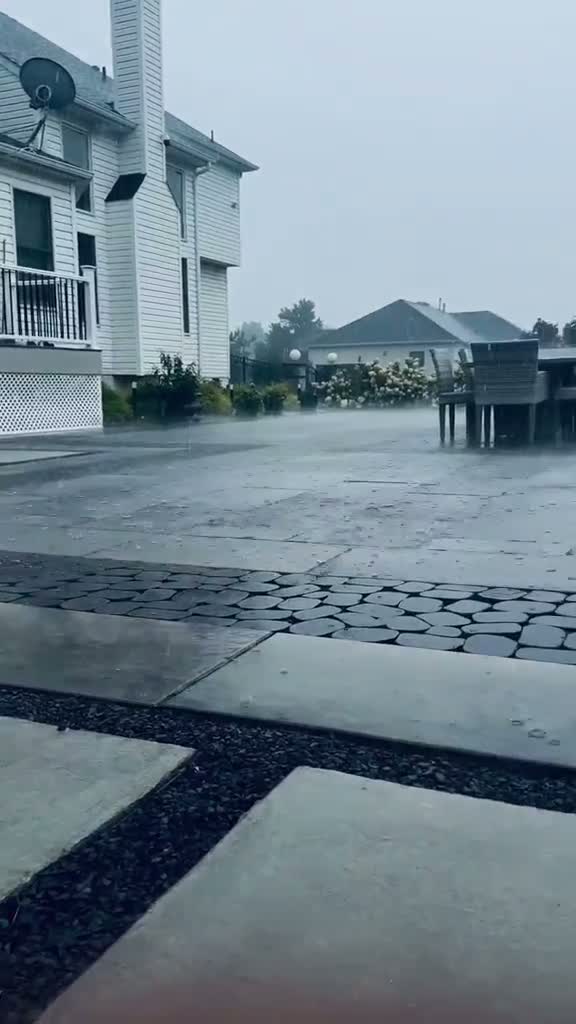
Fort Worth’s climate puts hardscapes through extreme moisture cycles. During wet spring storms, black clay soil absorbs water and swells upward. In July and August, scorching heat bakes the ground, causing the soil to shrink and crack open. If a paver patio is installed without account for this hydraulic pressure, the surface will experience differential settling—leading to low spots, uneven tripping hazards, pooling water, and loose pavers.
Unlike poured concrete, which cracks cleanly when the underlying clay moves, an interlocking paver system is designed to flex slightly. However, flexible hardscapes require a solid, stable foundation layer. When built correctly on clay subgrade, pavers dissipate weight across the entire patio surface. When built incorrectly, rain saturates the subgrade clay, turns it to mud, and pushes the base stone down into the soft ground, causing visible dip patterns within 12 to 24 months.
Best surface or material options for this project
Choosing the right paver material and edge system is critical when building over active North Texas clay. The material must accommodate thermal movement while staying tightly locked together.
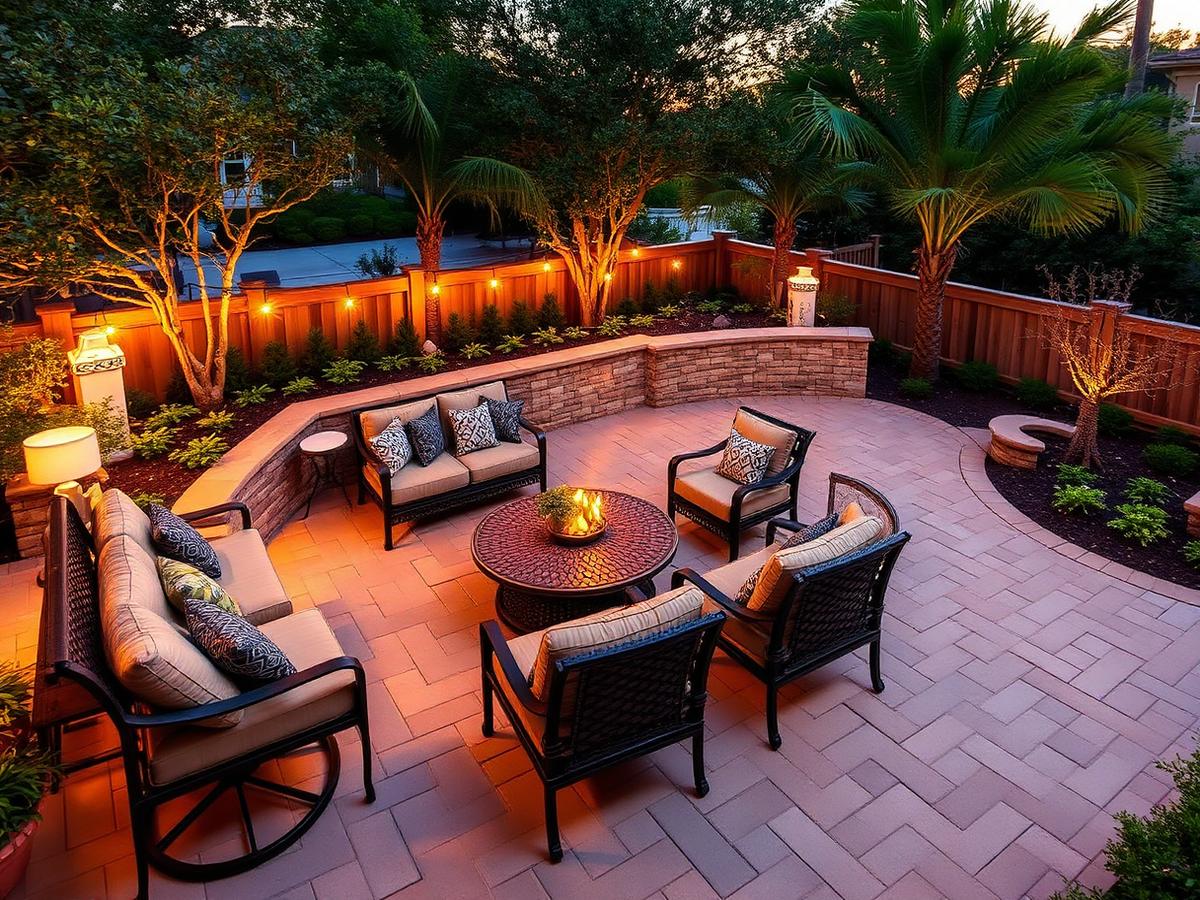
- Interlocking Concrete Pavers (60mm / 2.38-inch thickness): The gold standard for DFW patios. Interlocking shapes transfer load across adjacent units, preventing individual pavers from sinking independently.
- Natural Travertine Pavers (3cm thickness): Excellent for bare-foot comfort and heat management around patios and pool decks. Travertine requires an ultra-smooth 1-inch bedding layer over a rigid crushed aggregate base to prevent cracking.
- Porcelain Exterior Pavers (20mm thickness): Non-porous and highly stain-resistant, porcelain offers a modern aesthetic. Because porcelain is lighter, it requires a precise, fully compacted aggregate base and specialized joint sand to remain locked.
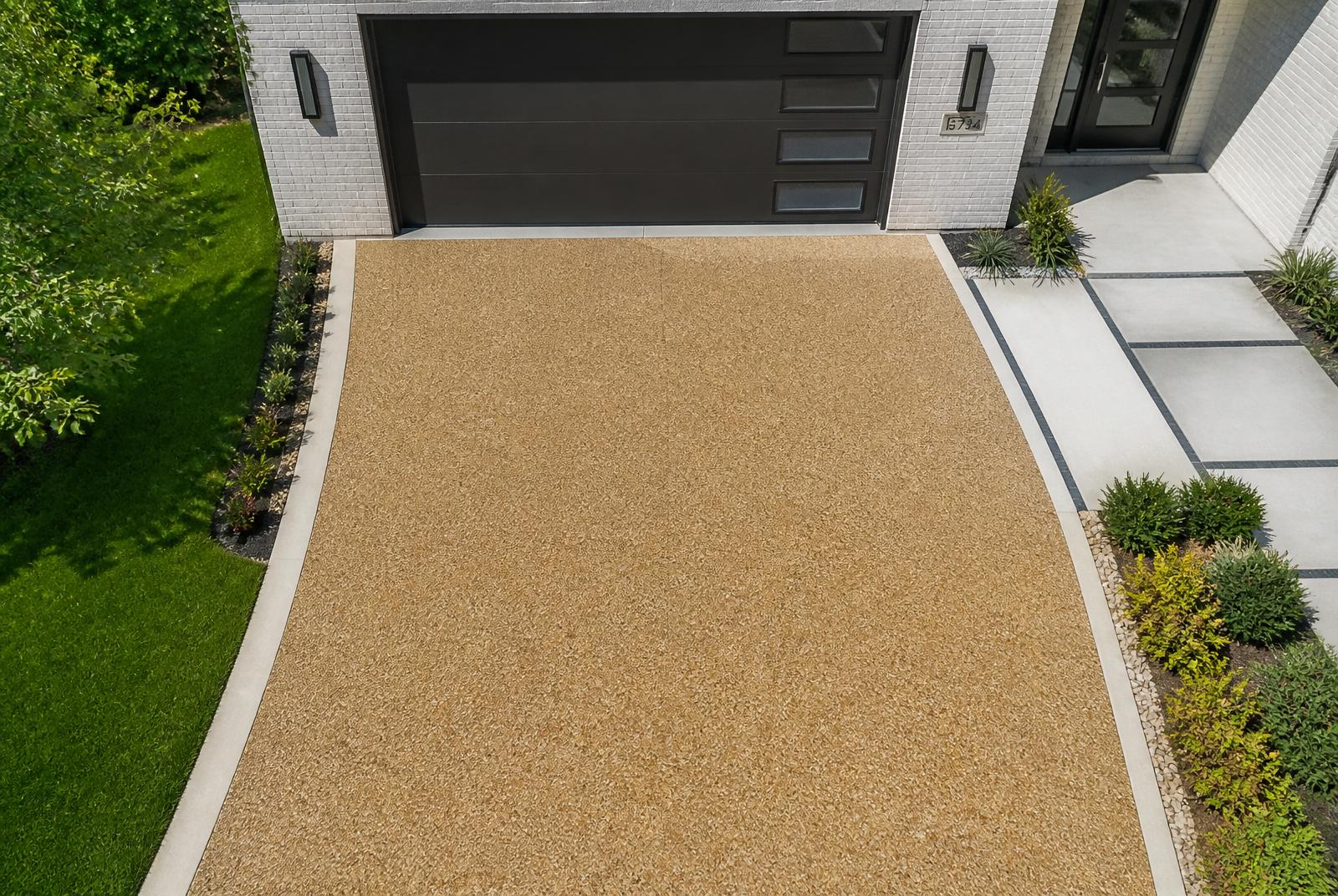
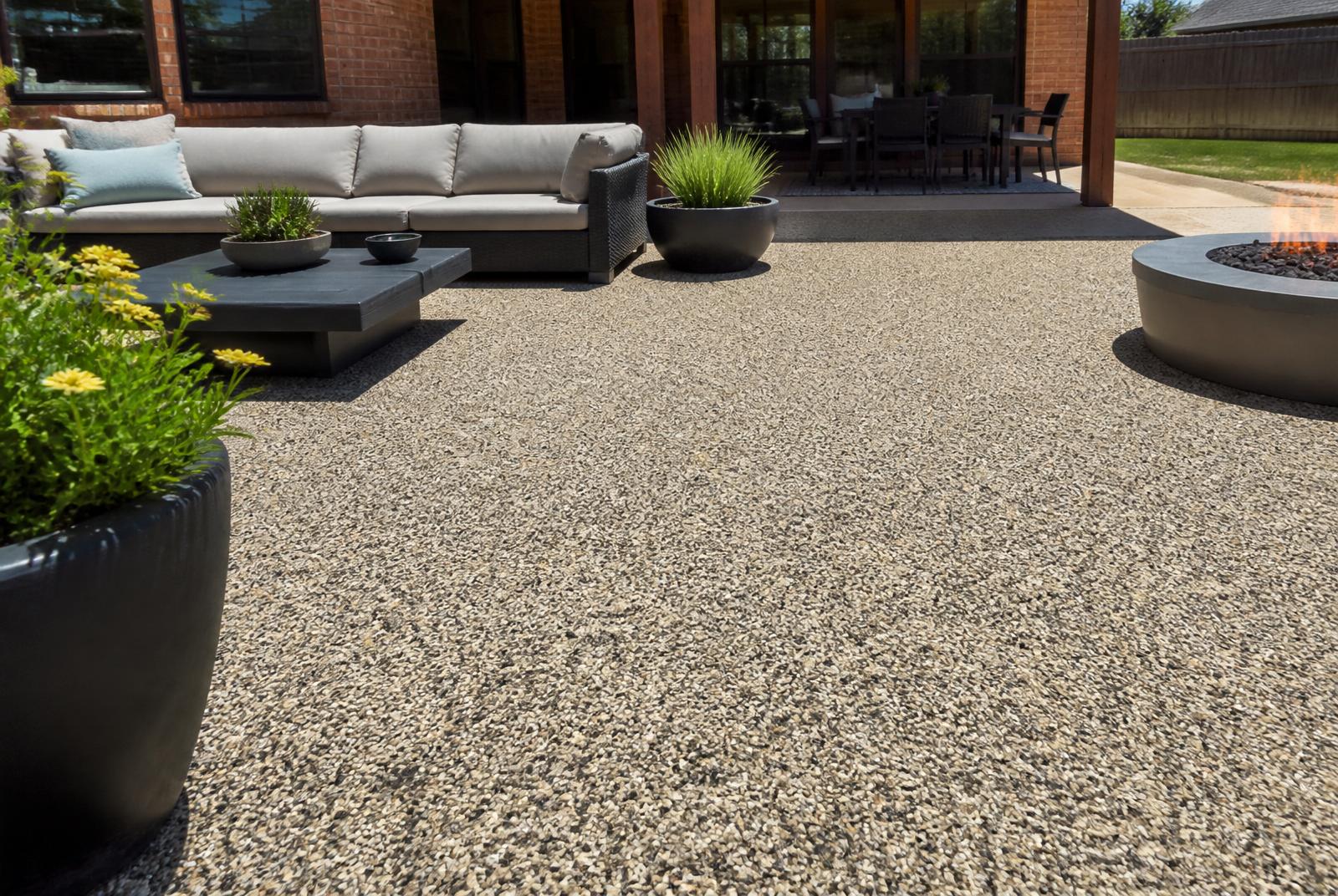
- Permeable Concrete Pavers: These feature wider joint gaps filled with coarse aggregate rather than sand, allowing rainfall to infiltrate directly into a thick reservoir base. This prevents surface runoff from pooling against your home's slab foundation.
Base prep, drainage, and North Texas soil details
Base construction is where 90% of long-term hardscape durability is determined in Tarrant County. Paverston uses a multi-step engineering protocol customized for expansive soil:
- Deep Subgrade Excavation: We excavate 8 to 12 inches deep to reach firm subgrade soil, removing topsoil and organic matter. The subgrade is graded at a consistent 1 to 2 percent slope (1/4 inch drop per linear foot) away from any house foundation or structure.
- Woven Geotextile Stabilization Fabric: Clay particles naturally migrate into base gravel when wet, undermining the patio. We lay a heavy-duty geotextile fabric across the entire excavation trench. This acts as a barrier, keeping soil beneath and aggregate above while allowing excess moisture to pass through.
- TxDOT Grade 4 Crushed Aggregate Base: We install 6 to 8 inches of crushed limestone aggregate (flexbase). The base material is spread and compacted in 2-to-3-inch lifts using a heavy mechanical plate compactor, achieving 98% Proctor density.
- 1-Inch Bedding Sand Layer: A crisp 1-inch layer of concrete sand (ASTM C33) is screeded flat over the compacted base. Pavers are set directly on this sand; thicker sand layers must be avoided as excess sand leads to rutting.
- Perimeter Edge Restraints: Solid concrete bond beams or heavy-duty PVC edge restraints secured with 10-inch steel spikes prevent the outside edges of the patio from spreading outward.
- Polymeric Joint Sand & Sealing: Hardened polymeric sand fills the joints between pavers, blocking rainwater intrusion and preventing weed growth.
Cost guidance in Dallas–Fort Worth
Paver patio installation in the Dallas–Fort Worth metroplex reflects the necessity of deep excavation, material disposal, and engineered base aggregate required for clay soils. All Paverston turn-key installations start at $20 per square foot.
| Project Scope / Material | Typical Price Range (Installed) | Key Notes for Fort Worth Soil |
| :--- | :--- | :--- |
| Standard Concrete Paver Patio | $20 – $32 / sq ft | Includes deep clay excavation, geotextile layer, 6" flexbase, sand, and edge restraint. |
| Natural Travertine Paver Patio | $26 – $44 / sq ft | Premium natural stone. Requires +25-40% material premium & precision base prep. |
| Porcelain Outdoor Paver Patio | $28 – $42 / sq ft | Requires specialized handling, tight base tolerances, and premium polymeric sand. |
| Complex Patterns / Borders | +15% – 25% to base | Adds detailed cutting labor around curves, pillars, or fire features. |
| Existing Concrete Demolition | +$6 – $12 / sq ft | Concrete removal, hauling, and offsite disposal fees before base excavation. |
| Existing Paver Demolition | +$4 – $8 / sq ft | Removal of failed legacy pavers and uncompacted base rock. |
What to look for in photos or during a site visit
When evaluating patio project photos or inspecting an active installation, focus on construction techniques rather than just the finished surface color:
- Excavation Depth: Look for project photos showing deep trenches with visible fabric lining the dirt before any rock aggregate is dumped.
- Joint Alignment: Straight joint lines indicate precise installation over a perfectly screeded sand bed without low spots.
- Edge Restraints: Check that perimeter borders are secured with continuous concrete shoulders or spiked edge restraints hidden beneath topsoil or turf.
- Drainage Integration: Verify how downspouts, catch basins, or channel drains integrate into the patio design so water flows away from the home slab.
During a Paverston site visit, our project manager measures yard slope, tests soil compaction conditions, locates underground utility lines, and identifies downspout discharge zones to ensure drainage is integrated seamlessly.
Paverston recommendation
Never compromise on base preparation depth or geotextile fabric to reduce upfront hardscape quotes in Fort Worth. A paver patio is only as stable as the soil foundation underneath it. Skimping on aggregate thickness or skipping subgrade fabric will lead to severe sinking within two years as North Texas clay expands and contracts.
If your existing patio is holding water, dipping near downspouts, or pulling away from your house foundation, contact the hardscape specialists at Paverston. We build engineered hardscapes built specifically for North Texas soil conditions.
Ready to build a permanent, shift-resistant outdoor space? Call Paverston today at 214-228-1011 or visit our /contact page to schedule an on-site consultation and get an accurate project estimate.
Related questions
How deep should you dig for a paver patio in Fort Worth clay soil?
For residential patios on Fort Worth expansive clay, excavation depth should be 8 to 12 inches deep. This allows for 6 to 8 inches of compacted crushed limestone aggregate base, 1 inch of concrete bedding sand, and the thickness of a standard 2.38-inch concrete paver.
Is geotextile fabric really necessary under pavers in North Texas?
Yes. Woven geotextile fabric is essential when installing hardscapes over clay subgrade. It acts as a structural separation barrier, preventing soft subgrade clay from mixing with and swallowing your clean crushed aggregate base during wet seasons.
Can sunken pavers in Fort Worth be repaired without replacing the whole patio?
Yes. Sunken areas can be lifted, the underlying base augmented with additional aggregate and re-compacted, sand re-screeded, and the existing pavers re-installed. However, if the entire patio was installed without adequate base depth or geotextile fabric, systemic re-installation may be required.
Does polymeric sand stop pavers from shifting?
Polymeric sand hardens to lock pavers together laterally and prevent water from infiltrating the base through the joints. However, polymeric sand cannot stop a patio from sinking if the underlying aggregate base or clay subgrade fails.