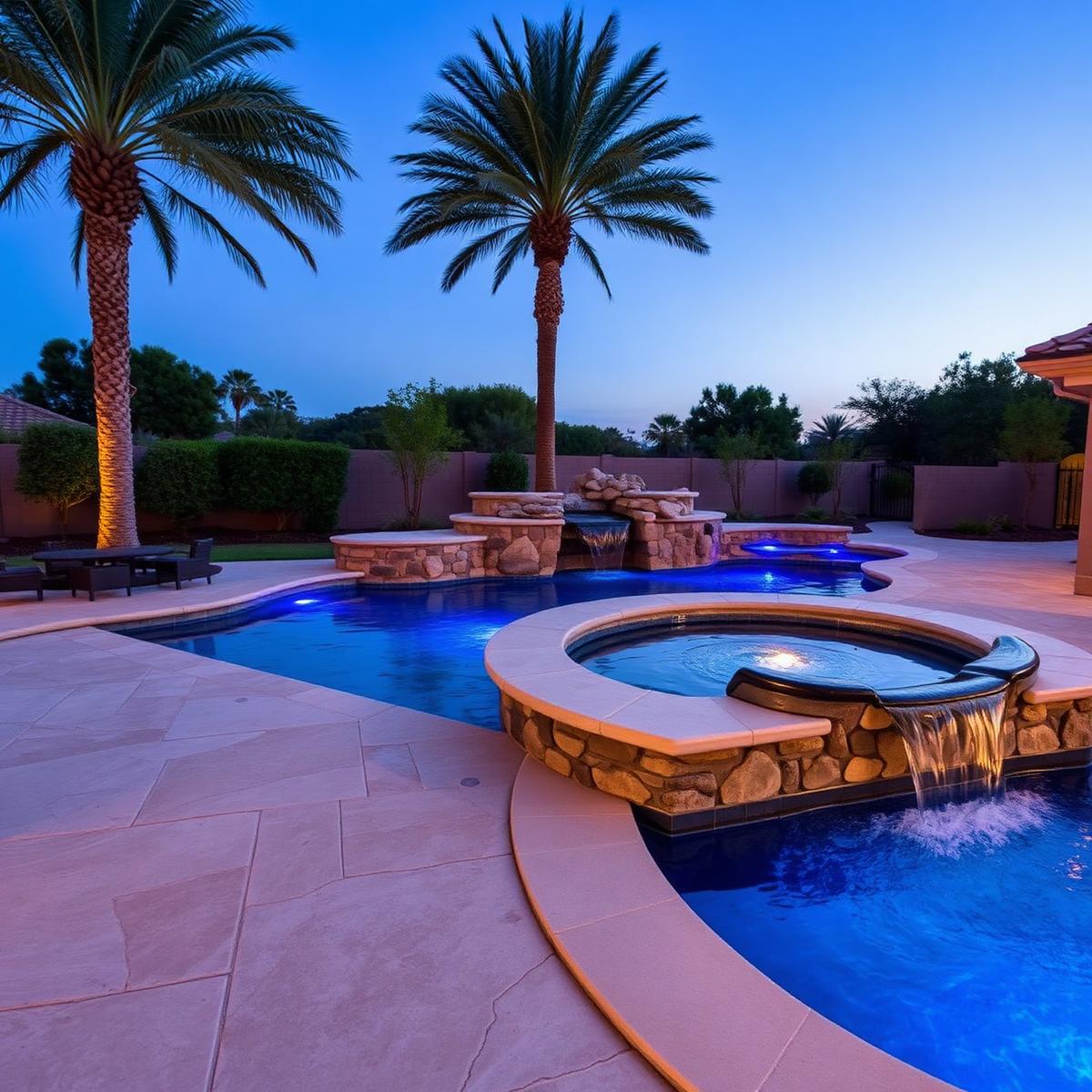
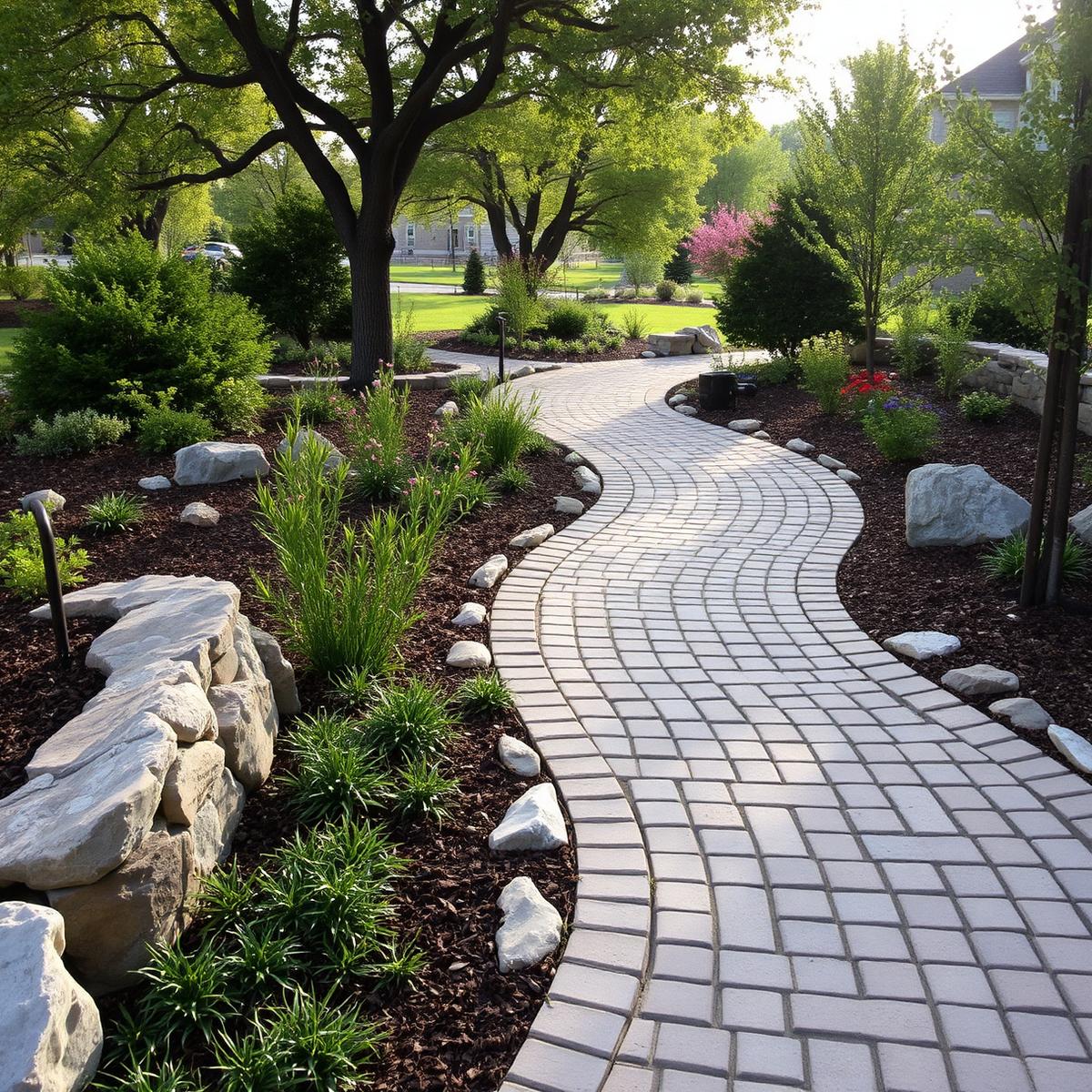
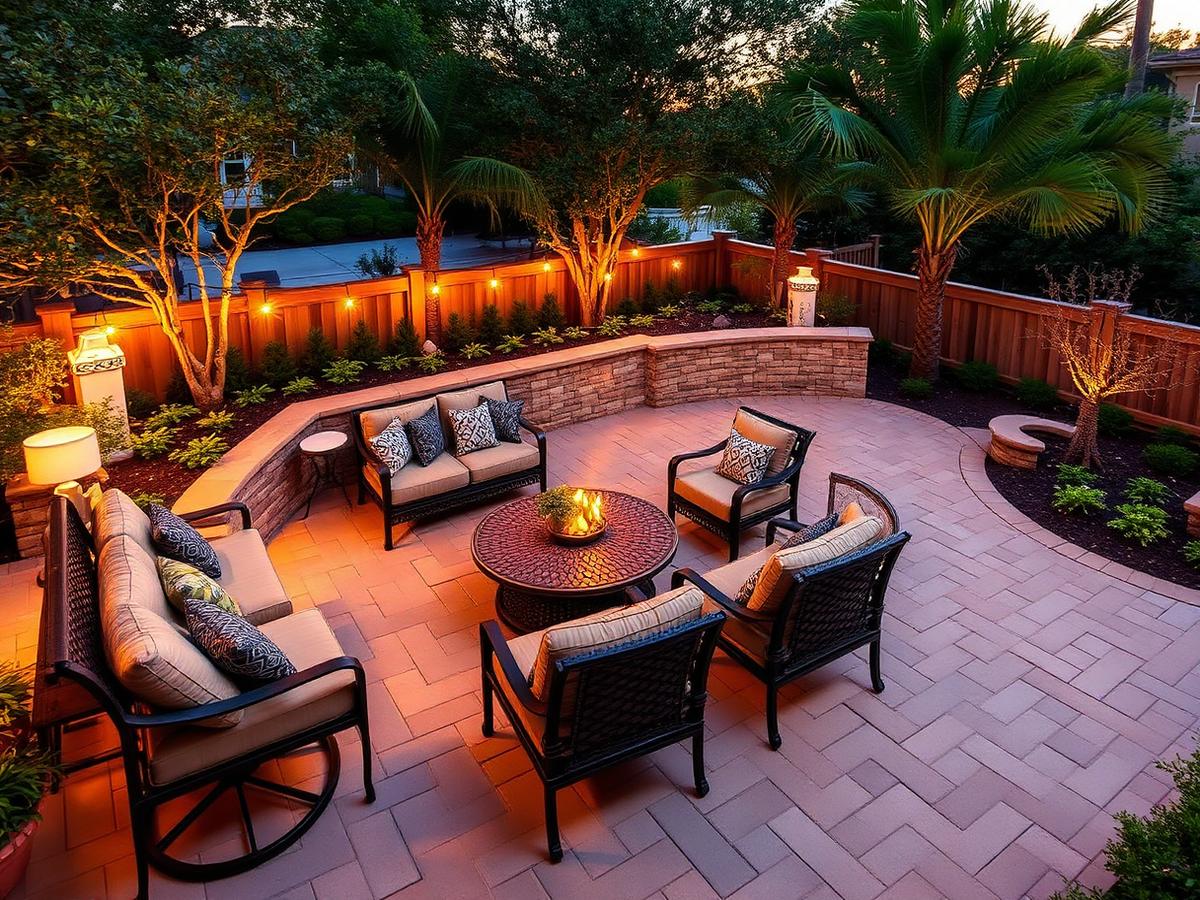
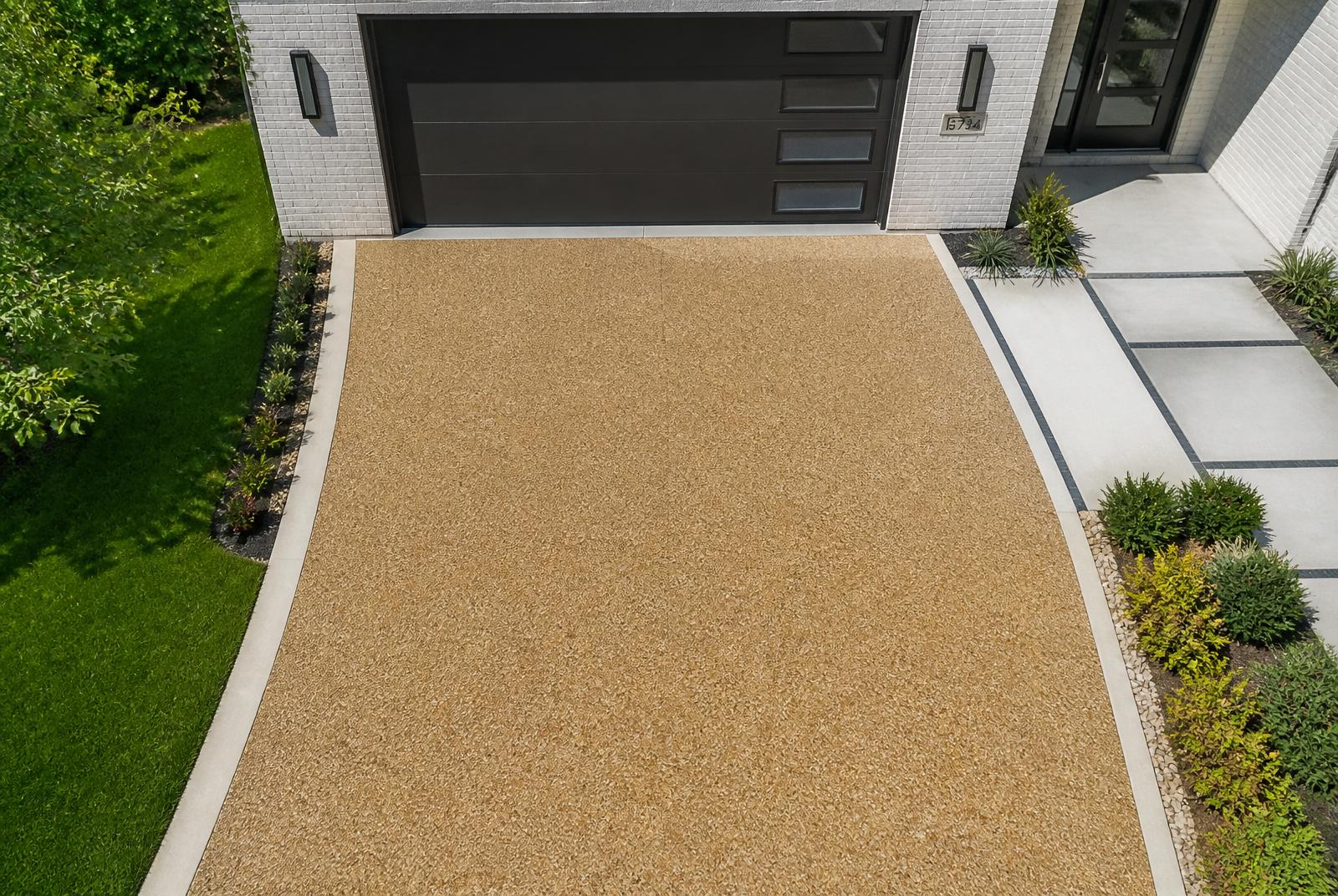
If you recently built a pool in Prosper and noticed the pavers right along your pool coping dropping an inch or two below the rim, you are not alone. This distinct dip along the perimeter of the pool shell is one of the most common issues on new construction outdoor living projects across Collin and Denton counties. At Paverston, we frequently receive calls from homeowners in neighborhoods like Windsong Ranch, Star Trail, and Mustang Lakes asking why their brand-new hardscape is already shifting.
The root cause of sinking pavers around new pool coping is almost always uncompacted backfill material inside the pool excavation zone, compounded by Prosper’s native, highly expansive clay soil. When pool contractors dig out a pool, they excavate 3 to 5 feet beyond the waterline to install gunite, plumbing, and steel. Once the pool shell is poured, that over-excavated trench is refilled—often with loose native dirt that was never compacted in proper layers. Over the first 12 to 24 months, rain, pool splash-out, and soil movement cause that loose dirt to settle, causing the paving base above it to cave in.
What this means for a DFW homeowner
When pavers sink around your pool coping, the problem extends beyond aesthetics. A drop between your pool coping and the paver deck creates a tripping hazard right next to deep water, which poses a serious safety risk for children and guests. Left unchecked, settled pavers direct rainwater straight down into the foundation of the pool rather than shedding it away toward drainage channels.
In North Texas, water pooling against the pool structure accelerates soil expansion and contraction. During our blistering Prosper summers, the clay shrinks and bakes dry; during heavy spring storms, it swells dramatically. When water gets under sunken pavers, it softens the underlying subgrade even further, leading to massive voids beneath the pool deck, cracked plumbing lines, and uneven coping stones that can break away from the bond beam.
Best surface or material options for this project
When repairing or rebuilding a sunken pool deck in Prosper, selecting materials engineered to withstand soil movement and thermal stress is essential. Paverston works with high-performance hardscape materials designed specifically for pool surrounds:
- Interlocking Concrete Pavers: High-density concrete pavers (such as 80mm heavy-duty units) excel around DFW pools because individual units move independently without cracking, unlike poured concrete slabs.
- Natural Travertine Pavers: Sandset travertine pavers (1.25-inch thick) offer a slip-resistant, cool surface underfoot during 100-degree summer days. When installed over a stabilized aggregate base, travertine delivers an elevated look while maintaining structural flexibility.
- Architectural Porcelain Pavers: Impervious to pool chemicals, salt, and water absorption, 2cm outdoor porcelain pavers offer low maintenance and high flexural strength. They require precise base preparation and specialized edge containment.
- Matching Bullnose Coping: Replacing damaged or mismatched pool edge pieces with matching travertine or concrete bullnose coping ensures seamless transitions between the pool waterline and your deck surface.
Base prep, drainage, and North Texas soil details
Fixing a sinking pool deck requires fixing the foundation underneath. Prosper sits on heavy Blackland Prairie clay soil, which expands when wet and shrinks when dry. Placing thin gravel or sand directly over raw, uncompacted clay trenching guarantees future failure.
To create a permanent repair, the uncompacted backfill zone must be completely remediated. Paverston executes a rigorous site prep process:
- Deep Excavation: We pull back the existing pavers and excavate the loose backfill down to dense, undisturbed subgrade soil.
- Geotextile Stabilization: We lay heavy-duty woven geotextile fabric across the entire subgrade. This layer separates native clay from the aggregate base, preventing stone from sinking into soft clay during wet weather.
- Compacted Flex-Base Aggregate: We install a minimum of 6 to 8 inches of crushed limestone flex-base (Type A Grade 2), mechanically compacting it in tight 2-inch to 3-inch lifts to achieve maximum density.
- Bedding Layer & Drainage: We screed a 1-inch layer of clean washed concrete sand or fine angular aggregate for leveling. Integrated deck drains or strip drains are aligned to route heavy rainfall away from the pool shell.
- Joint Stabilization: We fill all joints with high-performance polymeric sand, which cures to lock the pavers together while sealing out surface water.
Cost guidance in Dallas–Fort Worth
Repairing or installing paver pool decks in the DFW metroplex varies based on accessibility, square footage, materials, and the depth of subgrade remediation required. Below is a breakdown of typical costs for pool deck work in Prosper and the surrounding DFW area:
| Project Type / Service | Typical DFW Price Range (Installed) | Key Cost Drivers |
| :--- | :--- | :--- |
| Standard Concrete Paver Installation | $20 – $32 per sq. ft. | Material selection, total square footage, access |
| Pool Deck Paver Installation | $26 – $44 per sq. ft. | Intricate coping cuts, radius fitting, pool edge details |
| Travertine or Porcelain Upgrade | +25% – +40% over standard | Specialty material costs, precision cutting tools |
| Complex Patterns & Borders | +15% – +25% over standard | Labor time for custom borders, herringbone cuts |
| Existing Paver Demolition & Prep | $4 – $8 per sq. ft. | Paver removal, palletizing, subbase cleanup |
| Concrete Deck Demolition | $6 – $12 per sq. ft. | Sawn joints, heavy machinery, hauling fees |
| Deep Base Trench Remediation | Standard starting at $20/sq ft base rate | Depth of fill, compaction lifts, geotextile fabric |
Note: All custom hardscape installations and major structural repairs by Paverston start at a minimum baseline of $20 per square foot installed.
What to look for in photos or during a site visit
During a professional site inspection of a sunken pool deck, Paverston project managers evaluate several key indicators:
- Settlement Trenching Lines: We inspect whether the sinking follows a linear path 2 to 4 feet off the coping edge, which pinpoints an uncompacted plumbing trench.
- Coping Shear & Joint Separation: We examine the bond line between the pool coping stone and the first course of pavers. Separation or cracked grout indicates structural movement in the bedding base.
- Water Pooling Signs: Dark staining or salt rings near the coping show where splash-out water sits instead of draining away.
- Edge Restraint Integrity: We verify whether concrete sand-wear borders or specialized edge restraints were installed along outer deck boundaries to prevent lateral spreading.
Paverston recommendation
If your pool deck pavers are sinking near your pool coping in Prosper, do not simply dump loose sand underneath the sunken area to raise them. Adding leveling sand over uncompacted soil provides a temporary fix that will wash away or settle during the next heavy storm cycle.
Paverston recommends a total structural base correction. Our crew will carefully lift and stack your existing pavers, excavate the failing trench soil, line the zone with geotextile fabric, and install a mechanically compacted aggregate base built to withstand DFW clay dynamics. Once resetting the pavers flush with your coping, we apply commercial-grade polymeric sand and verify pitch tolerances so water drains cleanly off your hardscape.
Ready to restore your pool deck safety and beauty? Contact Paverston today at 214-228-1011 or visit our contact page at /contact to schedule an on-site evaluation with a DFW paver specialist.
Related questions
How long should a pool backfill trench settle before installing pavers?
If native North Texas clay is used without mechanical compaction, soil can continue settling for 2 to 3 years. However, when proper crushed stone backfill is installed and mechanically compacted in 3-inch lifts during pool construction, pavers can be installed immediately without risk of future sinking.
Will my pool builder's warranty cover sunken pavers around coping?
Most pool warranties cover structural gunite shells and plumbing, but often exclude deck settling caused by soil consolidation after 1 year. Review your builder contract carefully; if the builder's subcontractor failed to compact the utility trench properly, you may be able to request remediation under their hardscape workmanship clause.
Can I just add extra sand under sunken pool pavers to level them?
No. Simply adding extra sand beneath sunken pavers creates a soft bed that washes away rapidly. Sand is meant only for a thin 1-inch leveling course over a rigid, compacted crushed stone aggregate base. If the base beneath has settled, the stone foundation must be rebuilt.
Does polymeric sand stop pavers around pool coping from sinking?
Polymeric sand locks paver joints together and prevents surface water from washing away the bedding layer, but it does not provide structural support against subgrade settlement. Polymeric sand works as part of a complete system that requires a properly compacted flex-base foundation.