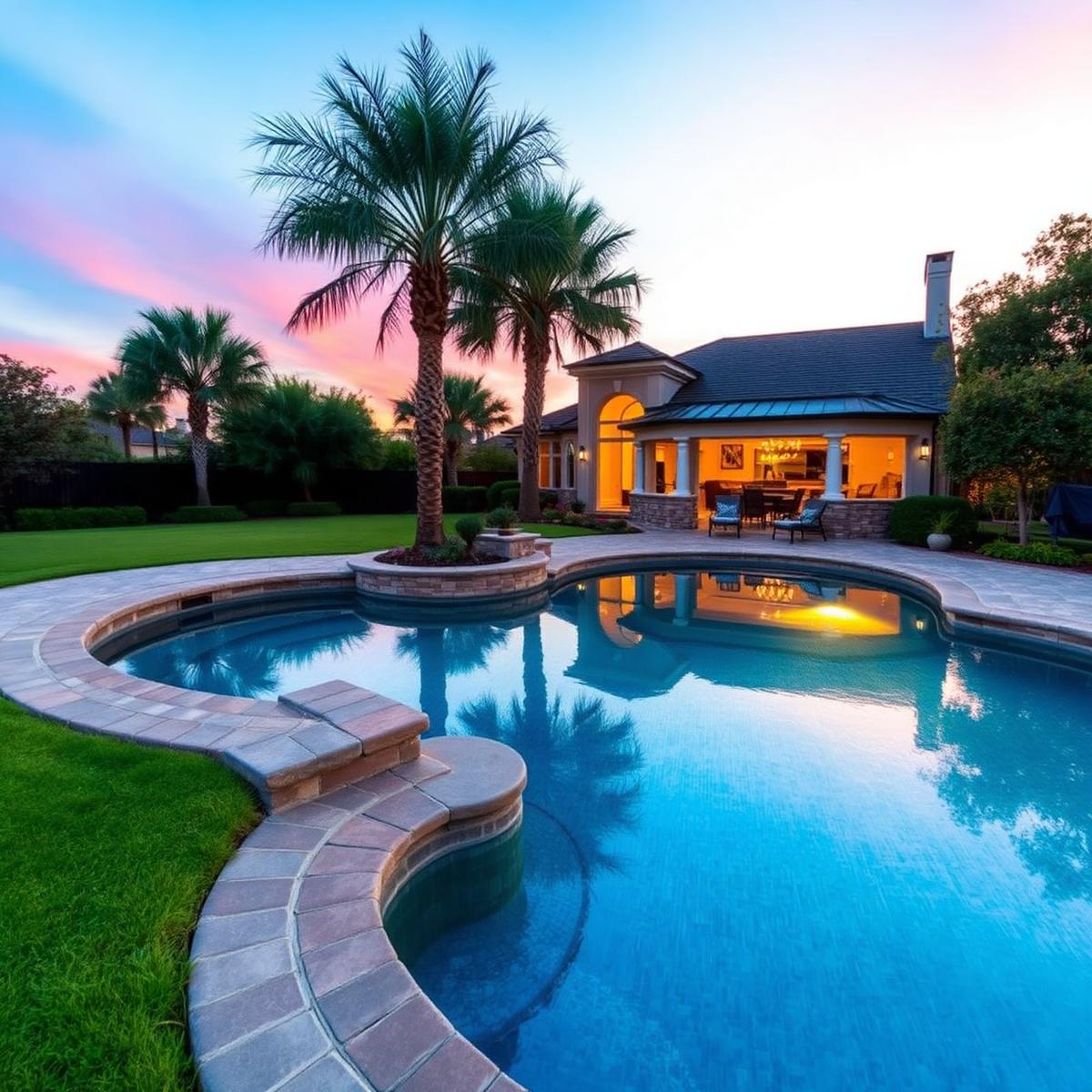
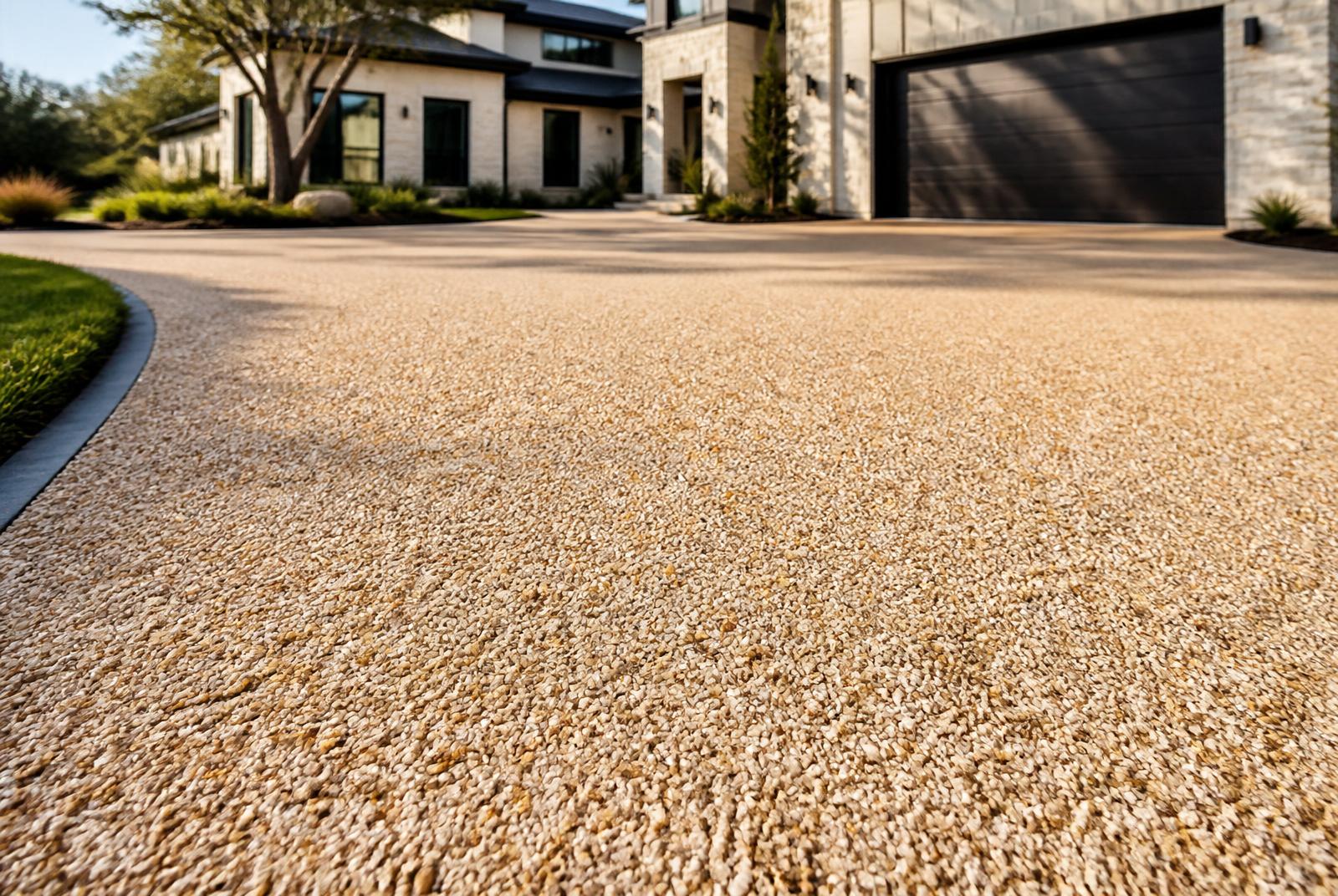
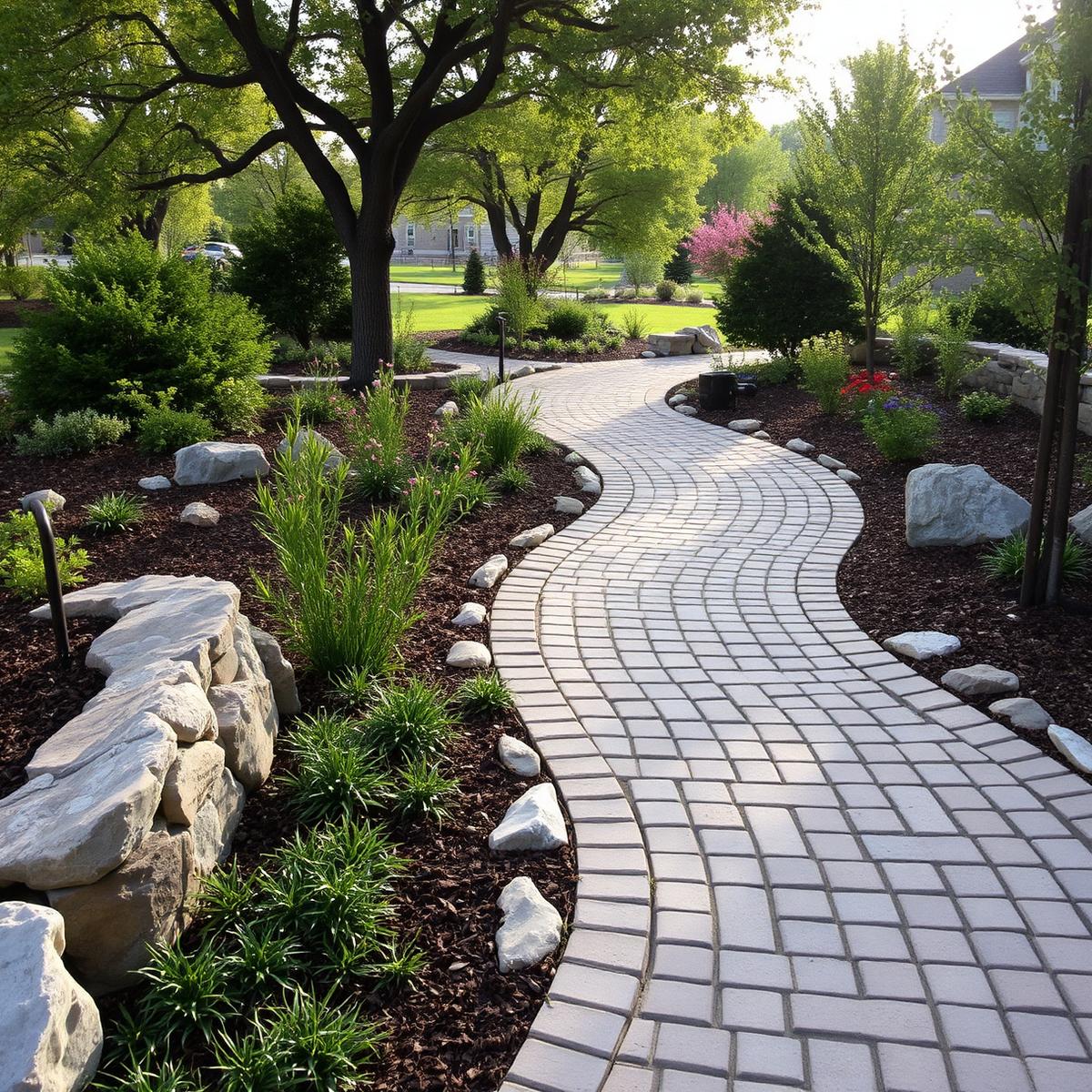
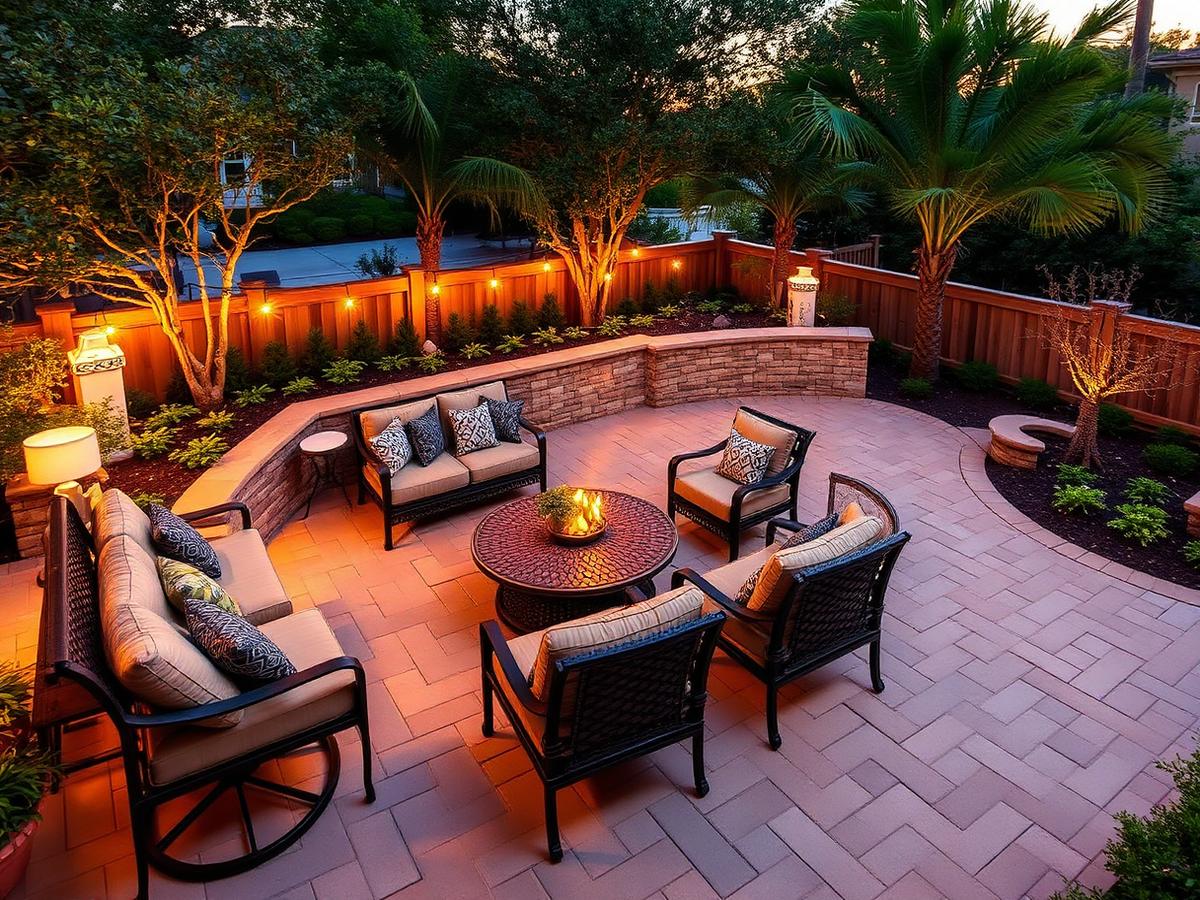
Light-colored 20mm outdoor porcelain pavers do not get too hot for bare feet around pool decks in Prosper, Texas—provided you choose light shades like ivory, beige, light gray, or cream. Thanks to high Solar Reflectance Index (SRI) values and low thermal mass, light porcelain reflects solar radiation efficiently, keeping surface temperatures significantly cooler than dark natural stone, stamped concrete, or dark concrete pavers during 100°F+ North Texas summer heat waves.
At Paverston, we frequently install porcelain pool decking across Prosper, Celina, and Frisco. While dark charcoal or slate porcelain will absorb heat and burn bare feet, light-toned porcelain stays surprisingly comfortable underfoot, performing on par with premium light travertine. Its dense, non-porous composition also ensures that heat dissipates rapidly once the sun shifts or shade is introduced, making it one of the most comfortable poolside materials available for North Texas backyards.
What this means for a DFW homeowner
Prosper experiences intense UV exposure and prolonged summer heat waves from June through September. For homeowners building or remodeling a luxury pool deck, walking barefoot from the water to a lounger is a daily routine. Standard grey concrete decks, dark flagstone, or brick pavers absorb thermal energy throughout the day, often reaching surface temperatures above 135°F—well beyond the threshold for skin comfort and potential burns.
Porcelain engineered specifically for outdoor use (20mm thickness) changes this equation. Outdoor porcelain features an R11 slip-resistance rating, meaning its textured surface provides safe traction when wet without trapping excess heat. Additionally, because porcelain has a near-zero absorption rate (less than 0.05%), it resists chemical staining from salt chlorination systems, sunscreen, acid washes, and barbecue spills. For a Prosper family, selecting light porcelain delivers a resort-style aesthetic that remains barefoot-friendly and low-maintenance year-round.
Best surface or material options for this project
When designing a pool deck in Prosper, material selection directly affects barefoot thermal comfort, slip safety, and long-term durability against expansive clay soils.
- Light Porcelain Pavers (Ivory, Cream, Sand, Light Gray): Best overall choice for heat resistance, stain immunity, and sleek modern aesthetic. Remains comfortable for bare feet even in 100°F direct sun.
- Ivory Travertine Pavers: Excellent natural stone option with high heat dispersion due to tiny natural air pockets. Slightly more porous than porcelain, requiring periodic sealing.
- Light Concrete Pavers: A reliable budget choice, starting at lower baseline price points, but retains more heat than high-SRI porcelain and requires sealing to prevent salt and pool chemical pitting.
- Dark Porcelain or Dark Natural Stone (Charcoal, Slate, Brown): Not recommended for unshaded pool decks in North Texas. Dark tones absorb maximum radiation and become uncomfortably hot to walk on.
- Broom-Finished or Stamped Concrete: Prone to cracking on Prosper clay soils. Stamped acrylic sealers often trap heat and create slick surfaces when wet.
Base prep, drainage, and North Texas soil details
Prosper sits on heavy Blackland Prairie clay soil, known for dramatic shrink-swell cycles. When heavy spring rains arrive, the clay swells; during hot August dry spells, it contracts and deep fissures open up. Pouring a rigid solid concrete pad around a pool without engineered joints frequently leads to severe cracking within a few seasons.
Paverston addresses Prosper's shifting soil by installing flexible, deep-base paver systems designed for high stability and moisture control:
- Deep Excavation: We excavate 6 to 8 inches below finish grade to remove active topsoil and organic matter.
- Geotextile Stabilization: A heavy-duty woven geotextile fabric is laid over the clay subgrade to prevent soil mixing and enhance structural integrity.
- Crushed Aggregate Base: We compact 4 to 6 inches of crushed limestone (Flex Base or crushed concrete aggregate) in 2-inch lifts to achieve 98% Proctor density.
- Bedding Layer & Drainage: A 1-inch uniform bedding layer of sharp sand or fine aggregate allows precision leveling. Deck drains (channel drains or slot drains) and a minimum 1/4-inch per foot slope ensure pool splash-out and rain runoff flow away from the pool structure and home foundation.
- Polymeric Sand & Edge Restraints: Joints are filled with polymeric jointing sand, locking pavers together while allowing slight micro-flexibility to absorb ground movement without cracking.
Cost guidance in Dallas–Fort Worth
Pool deck paver installations in the DFW metroplex reflect material quality, structural site preparation, and surface demolition needs. All Paverston paver projects start at a baseline of $20 per square foot installed, with pool decks ranging higher due to coping detail, slip safety specs, and pool edge integration.
| Project Type / Material | Typical Cost Range (Installed per Sq Ft) | Key Considerations |
| :--- | :--- | :--- |
| Standard Concrete Paver Pool Deck | $26 – $34 | Durable baseline; light colors keep heat manageable. |
| Premium Travertine Pool Deck | $32 – $42 | Natural stone; excellent heat dispersion; needs sealing. |
| Luxury Porcelain Paver Pool Deck | $35 – $48 | Premium high-SRI porcelain (+25-40% over standard); coolest underfoot; non-porous. |
| Concrete Demolition & Removal | $6 – $12 | Cost to jackhammer, haul, and dispose of existing concrete deck. |
| Existing Paver Demolition | $4 – $8 | Lift, haul, and regrade existing paver decking. |
| Complex Patterns or Radius Coping | +15% – +25% | Detailed border cuts, bullnose pool coping, curved steps. |
What to look for in photos or during a site visit
When evaluating pool deck installations in contractor portfolios or touring local Prosper projects, look beyond basic visual appeal to verify long-term build quality:
- Coping Alignment: Examine how the pool coping meets the deck pavers. Look for smooth bullnose or pencil-edge finishes with uniform joint spacing around pool corners and steps.
- Sunlight & Surface Finish: Observe photos taken in direct full midday sun. Light-colored porcelain surfaces show a subtle matte texture (R11 finish) rather than a high-gloss glaze that creates glare and heat traps.
- Drainage Integration: Check for cleanly integrated channel drains or discrete slot drains along the house wall or pool perimeter to handle heavy rainstorms.
- Pattern Precision: Look for tight, consistent lines across large field areas, ensuring no uneven paver lips (lippage) that could trip barefoot swimmers.
Paverston recommendation
For Prosper homeowners building a new pool deck or replacing cracked concrete, Paverston strongly recommends light-toned 20mm outdoor porcelain pavers (such as light ivory, sand, or white marble finishes) with an R11 slip rating. Combined with an engineered flexible aggregate base and proper drainage, light porcelain delivers unmatched foot comfort during 100°F+ Texas summer days while resisting pool salt, chlorine, and stubborn stains.
Ready to transform your poolside retreat with high-performance porcelain pavers in Prosper or the greater DFW area? Contact the expert installation team at Paverston today at 214-228-1011 or visit our website at /contact to schedule your detailed site evaluation and free estimate.
Related questions
Do outdoor porcelain pavers get slippery when wet around a pool?
No, provided you choose porcelain manufactured specifically for outdoor use with an R11 anti-slip finish. Outdoor 20mm porcelain pavers feature a micro-textured surface designed to maintain excellent traction even when soaked with splash-out water or rainwater.
How does outdoor porcelain compare to travertine for heat retention in Texas?
Light-colored porcelain and light travertine perform very similarly under Texas sun. Light porcelain has a high Solar Reflectance Index (SRI) and low thermal density, meaning it heats up slowly and cools down fast when shaded, offering comparable barefoot comfort to premium light travertine.
Will salt water or pool chemicals ruin outdoor porcelain pavers?
No. Unlike natural stone or concrete pavers, outdoor porcelain has an absorption rate under 0.05%. It is entirely immune to damage, pitting, or discoloration from salt water pools, chlorine, muriatic acid treatments, and pool chemicals.
Do I need concrete footings under porcelain pavers on Prosper clay soil?
Not necessarily. While porcelain can be installed over concrete pads, Paverston typically installs outdoor porcelain on an engineered flexible crushed stone base. This system accommodates Prosper's expansive clay movement without cracking the pavers or joint lines.