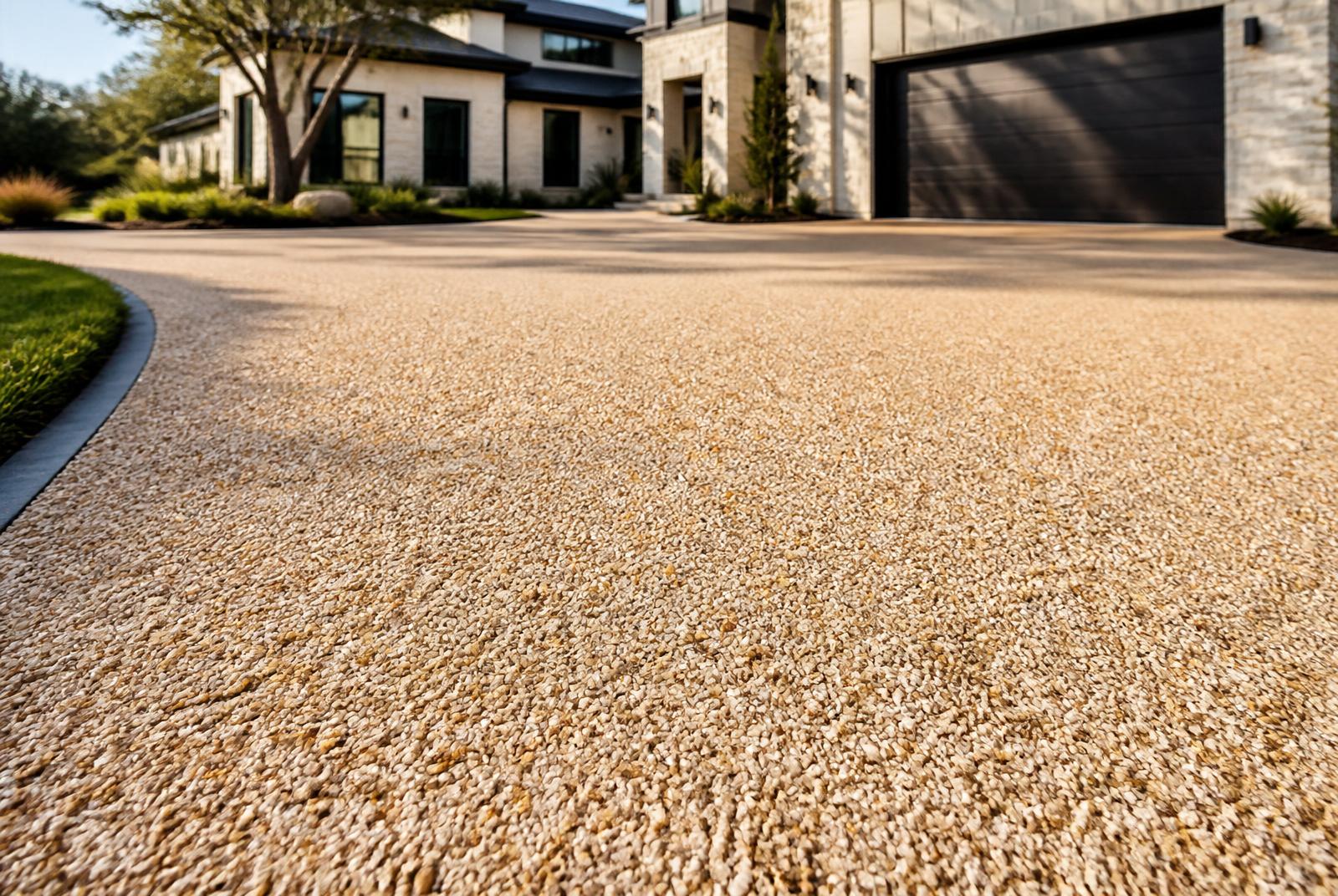
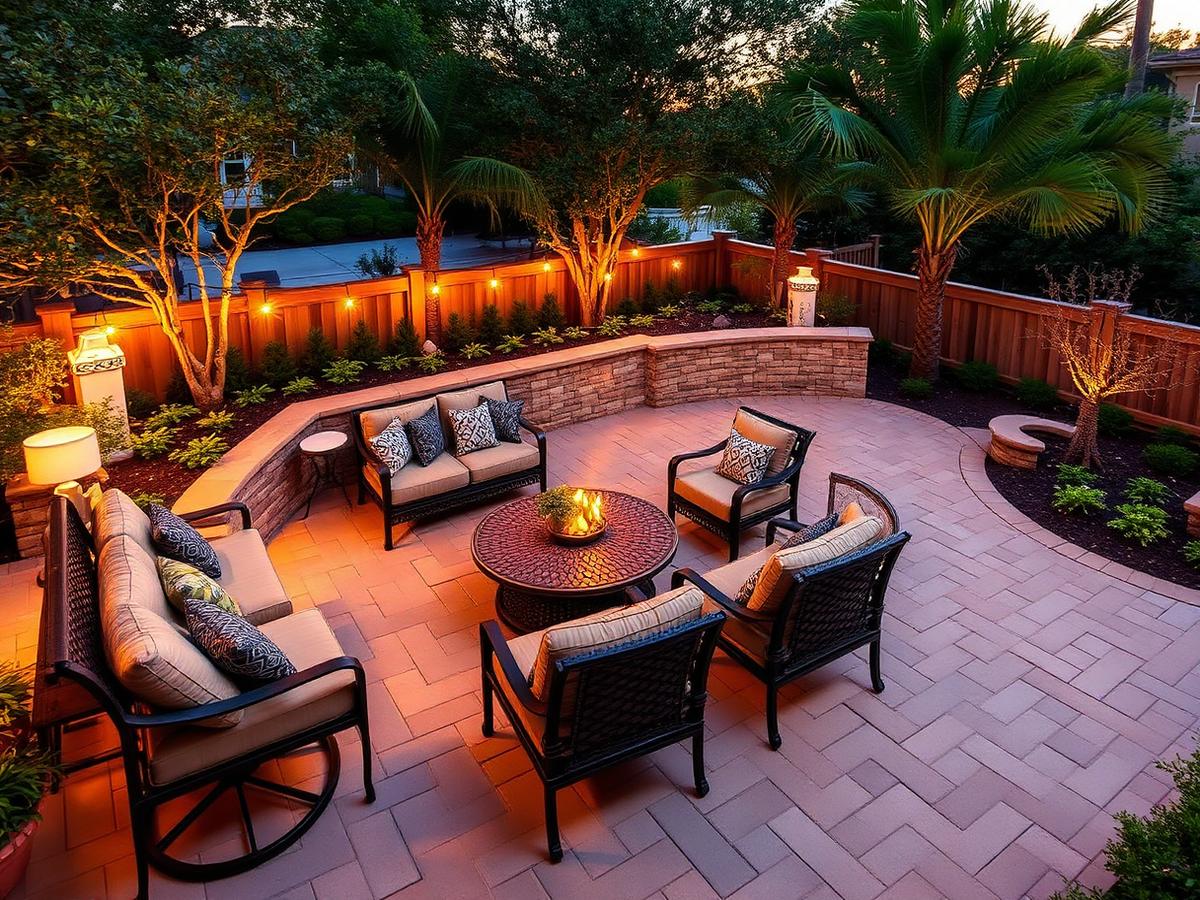
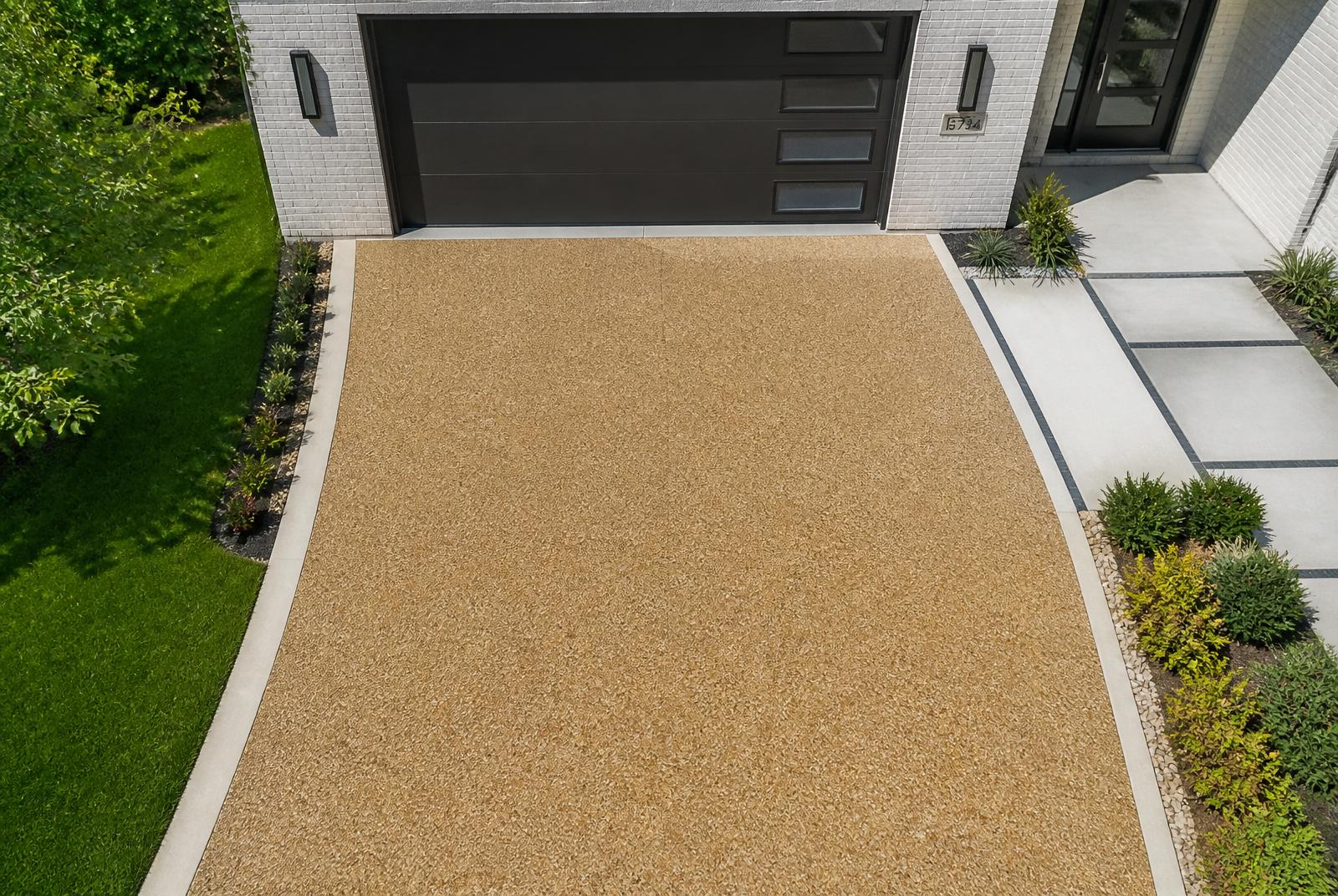
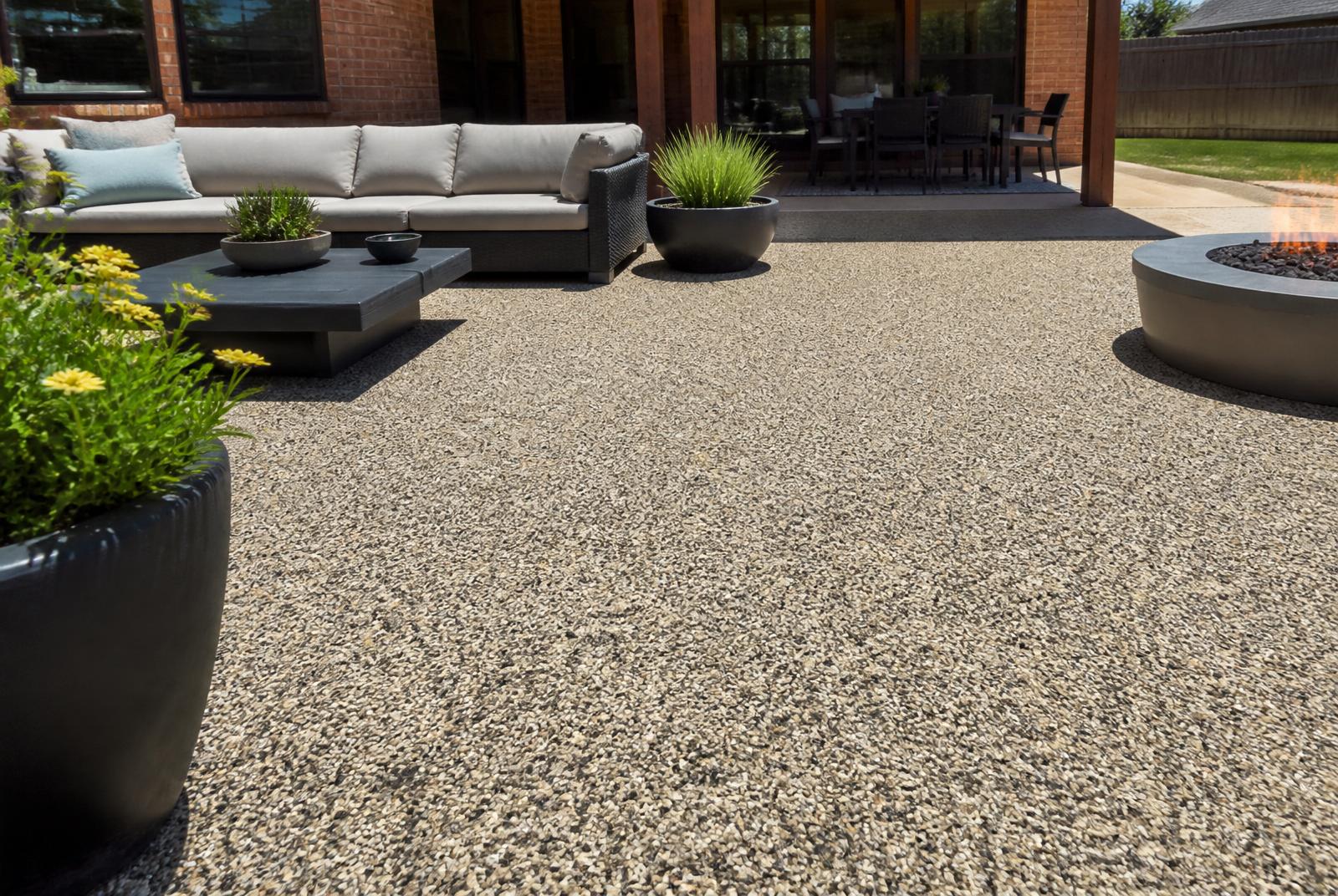
Selecting the right patio surface for a luxury outdoor kitchen in Southlake requires balancing thermal performance, grease resistance, and structural stability. High summer temperatures in North Texas can make unshaded hardscapes painfully hot underfoot, while heavy outdoor kitchen equipment—such as granite-topped islands, masonry pizza ovens, and heavy stainless steel appliances—puts immense pressure on the underlying foundation. At Paverston, we install both natural cool-touch travertine and high-performance permeable concrete pavers, each offering distinct advantages depending on your outdoor layout.
Cool-touch natural travertine delivers unmatched luxury aesthetics and superior heat dissipation, making it ideal for bare-foot patio areas integrated with outdoor kitchens. On the other hand, permeable concrete pavers offer exceptional stormwater management, superior load-bearing capacity for heavy kitchen structures, and easier maintenance against cooking spills. Understanding how these two premium surfaces perform in North Texas clay soil will ensure your investment lasts for decades without sagging, cracking, or staining.
What this means for a DFW homeowner
Southlake properties often feature expansive outdoor living spaces where kitchens seamlessly connect to swimming pools and dining pavilions. However, the region's climate and geology present specific challenges for outdoor hardscapes:
- Extreme Surface Heat: DFW summer heat easily drives standard dark concrete and flagstone surface temperatures above 140°F. Travertine naturally reflects solar radiation and stays up to 20°F to 30°F cooler than traditional materials, allowing comfortable bare-foot traffic around your kitchen bar.
- Expansive Clay Soil: Southlake rests on Blackland Prairie clay soil, which expands dramatically when wet and shrinks during hot, dry spells. Flexible paver systems move with this expansion without cracking, unlike poured concrete slabs.
- Grease and Chemical Exposure: Outdoor kitchens are working environments exposed to hot barbecue grease, wine, citrus juice, and grill cleaners. Travertine is porous and requires high-quality penetrative sealers, while high-density permeable concrete pavers sealed with protective coatings offer excellent chemical resistance.
- Lot Coverage and Drainage Mandates: Southlake municipal codes strictly limit impermeable surface coverage to prevent flash flooding. Permeable pavers allow rainwater to drain directly through aggregate-filled joints, helping homeowners meet strict drainage regulations without sacrificing patio footprint.
Best surface or material options for this project
Premium Cool-Touch Travertine
Natural French-pattern or oversized 16x24-inch travertine pavers provide a Mediterranean, resort-style finish. Travertine is a dense limestone formed around geothermal hot springs. Its high density and porous cellular structure prevent it from retaining thermal energy.
- Pros: Exceptionally cool underfoot during July heat waves; timeless luxury aesthetic that elevates Southlake home values; non-slip tumble finish even when wet near pool kitchens.
- Cons: Requires penetrating sealer every 2 to 3 years to guard against food stains; higher material investment; softer than engineered concrete under concentrated point loads.
Permeable Concrete Pavers
Engineered permeable pavers are designed with wide, aggregate-filled joint gaps that swallow water rapidly while maintaining a rigid structural surface. Available in modern plank styles or textured slate finishes, they mimic natural stone while providing maximum durability.
- Pros: Highly resistant to staining when sealed; superior load-bearing capacity for heavy stone kitchen islands; eliminates standing water around cooking stations; compliant with local drainage regulations.
- Cons: Surface temperatures get warmer than light travertine in direct summer sunlight; requires periodic vacuuming or clearing of organic debris from aggregate joints to maintain permeability.
Base prep, drainage, and North Texas soil details
No paver installation in Southlake will endure without an engineered sub-base designed specifically for North Texas clay soil. Clay soil exerts hundreds of pounds of lateral pressure during wet-dry cycles. Installing an outdoor kitchen on an under-engineered base guarantees uneven settlement, stuck cabinet doors, and cracked counter joints.
For Travertine Patios, Paverston excavates 8 to 10 inches below grade, laying down a heavy-duty woven geotextile fabric to separate native clay from crushed limestone base material. We compaction-test 6 inches of crushed rock base (Flex Base) in tight lifts, topped with a 1-inch bedding layer of coarse sand or concrete screenings. For heavy built-in kitchen structures, we poured reinforced concrete pads tied into deeper footings to prevent point-load settlement.
For Permeable Paver Systems, the base prep relies on open-graded aggregate rather than compacted crushed limestone and sand. Paverston excavates 10 to 14 inches to create an underground detention zone. We install non-woven geotextile fabric, followed by 6 inches of #2 washed stone (large ballast), 4 inches of #57 crushed stone (reservoir layer), and a 2-inch bed of #8 aggregate joint chip. This allows thousands of gallons of rainwater to filter into the ground naturally while providing a rigid, high-capacity sub-base under heavy outdoor kitchens.
Cost guidance in Dallas–Fort Worth
All professional paver installations in the DFW metroplex start at $20 per square foot installed, covering standard excavation, geotextile membrane, crushed stone base, bedding, material, and compaction. Travertine, custom patterns, heavy demolition, and permeable aggregate systems add to the base rate.
| Patio Option | Typical Installed Cost (per sq. ft.) | Key Attributes & Best Use Case |
| :--- | :--- | :--- |
| Standard Concrete Pavers | $20 – $32 | Cost-effective, versatile colors, good for basic outdoor dining patios. |
| Permeable Concrete Pavers | $24 – $36 | Excellent drainage, high load capacity for heavy kitchens, modern aesthetic. |
| Cool-Touch Travertine Pavers | $28 – $44 | Premium luxury look, coolest surface underfoot, ideal for barefoot pool kitchens. |
| Porcelain Outdoor Pavers | $32 – $48 | Zero porosity, stain-proof against grill grease, ultra-modern low maintenance. |
| Concrete Removal / Demolition | +$6 – $12 | Cost to jackhammer, haul away, and dispose of existing concrete slabs. |
| Existing Paver Removal | +$4 – $8 | Removal and grade correction of failing or outdated existing pavers. |
Note: Complex outdoor kitchen footprints requiring intricate cuts around gas plumbing, electrical conduits, and island footings increase installation labor by 15% to 25%.
What to look for in photos or during a site visit
When evaluating previous hardscape installations in Southlake or browsing a contractor’s portfolio, pay attention to these technical details:
- Joint Consistency Around Kitchen Bases: Look closely at where the patio meets built-in stone islands. Cuts should be tight, uniform, and cleanly trimmed without wide, sloppy mortar fills.
- Seamless Drainage Slope: In outdoor kitchen photos, look for subtle slope direction leading away from home foundations and outdoor appliances. Standing water around high-end stainless steel grills leads to rust and mold.
- Edge Restraint Cleanliness: High-grade installations feature heavy-duty concrete or aluminum edge restraints hidden below sod level to prevent outer pavers from spreading over time.
- Surface Color Uniformity: Quality travertine projects show balanced color blending across large square footages rather than blotchy clusters of dark and light tiles.
Paverston recommendation
If your Southlake outdoor kitchen is directly adjacent to a swimming pool, fully unshaded, and intended for bare-foot lounging, cool-touch travertine is the superior choice for foot comfort and high-end aesthetic appeal. Just ensure your contractor applies a premium oil-resistant penetrating sealer around cooking and prep stations.
If your project involves a heavy masonry kitchen with built-in pizza ovens, requires strict compliance with municipal lot coverage limits, or faces heavy grease exposure, permeable concrete pavers provide better structural load distribution, zero water pooling, and easier stain management.
For expert design, precise excavation, and flawless execution engineered for North Texas soil, contact the Paverston team today at 214-228-1011 or visit our contact page to schedule an in-person site assessment.
Related questions
Does grill grease stain travertine pavers?
Unsealed travertine is porous and will absorb hot cooking oils, red wine, and grill grease. However, when Paverston seals travertine with a high-grade fluoropolymer penetrating sealer, liquid sits on top of the stone, allowing easy clean-up with mild dish soap and warm water.
Will Southlake's shifting clay soil crack travertine pavers?
Travertine installed over a flexible dry-set aggregate base will not crack from soil movement because each paver shifts independently. Cracking typically occurs only when travertine is mortared onto an unreinforced, poorly poured concrete base slab that cracks underneath.
Can heavy outdoor kitchen islands sit directly on permeable pavers?
Heavy masonry structures should not sit on top of the loose bedding aggregate of a permeable paver system. Paverston pours deep, reinforced concrete footings or isolated base pads for kitchen islands first, then installs the permeable paver system seamlessly around the perimeter.
How much cooler is travertine than concrete pavers in DFW summers?
Light-colored ivory or walnut travertine naturally stays 20°F to 30°F cooler than standard concrete pavers or dark stamped concrete. Travertine's lack of metallic oxides prevents it from storing solar energy, keeping it comfortable for bare feet even in 100°F weather.