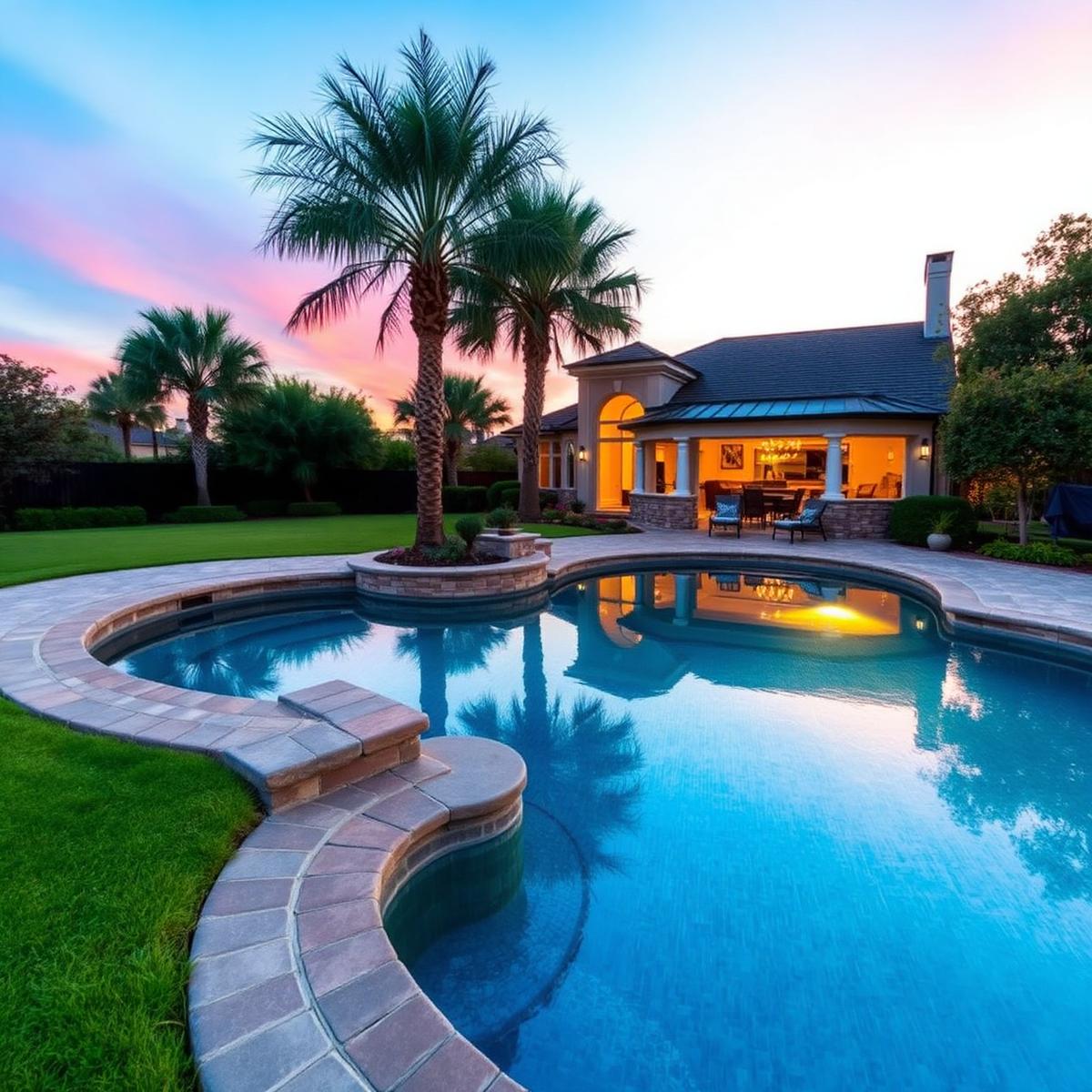
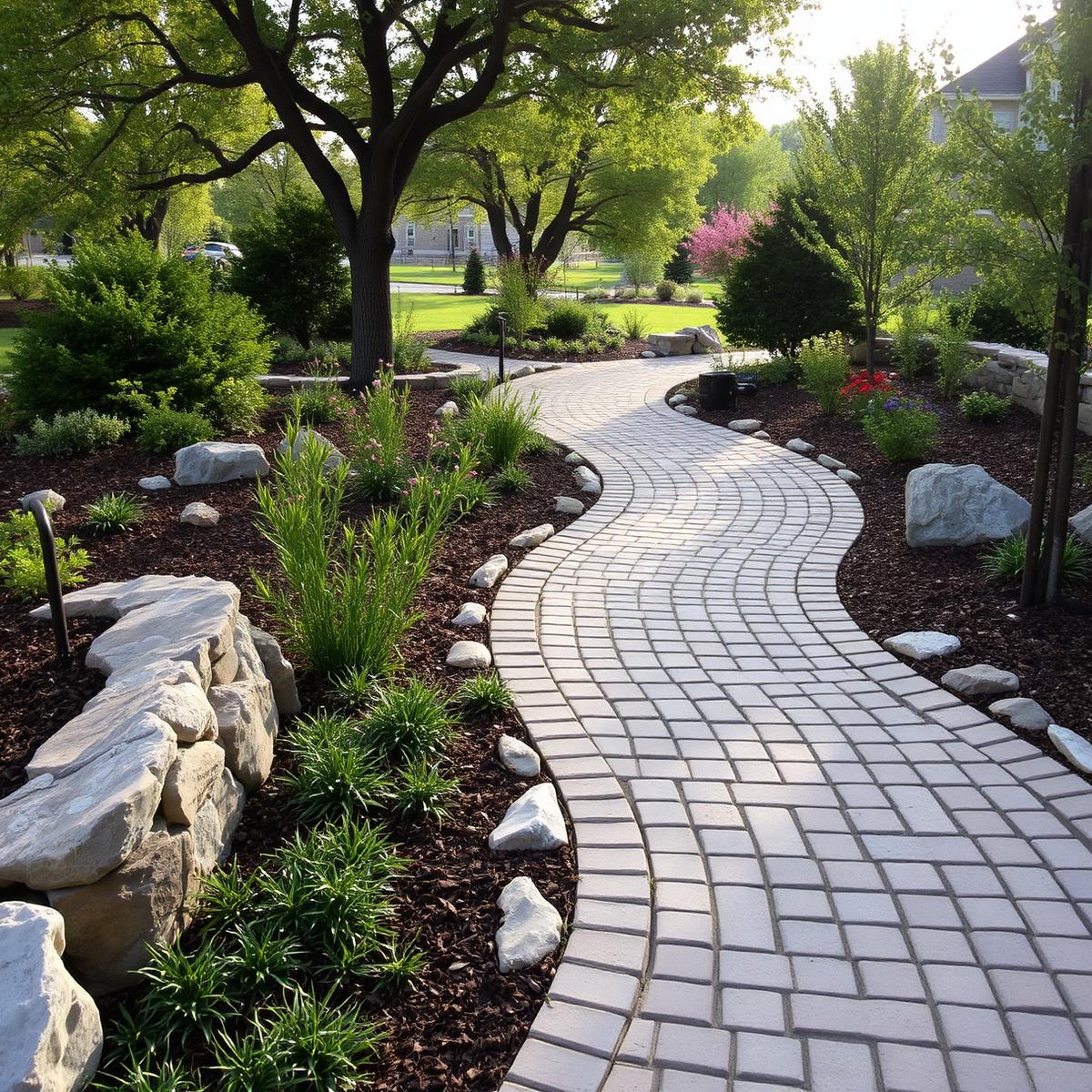
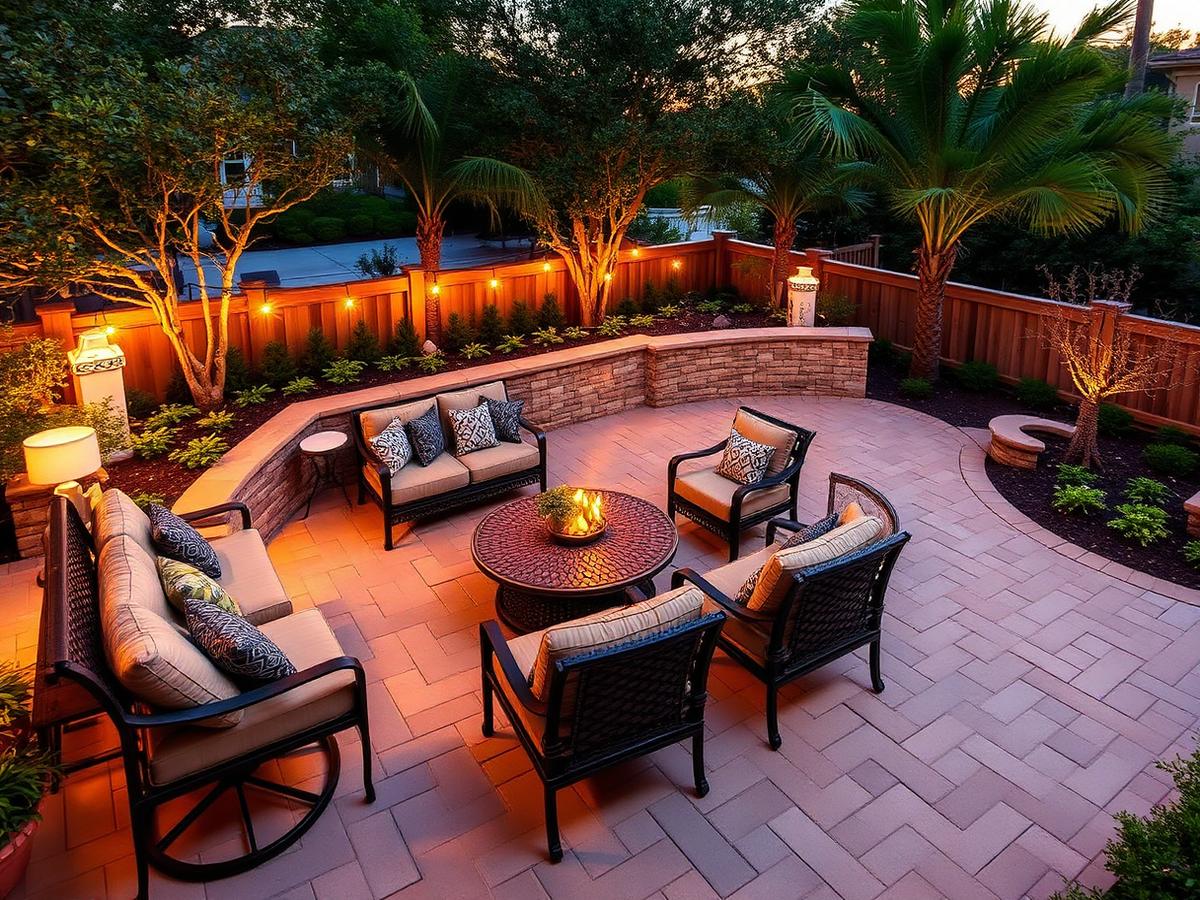
Yes, light-colored travertine pavers stay remarkably cool under bare feet even during peak Southlake summer heat. Travertine is a natural sedimentary limestone formed around geothermal hot springs. Its high reflectivity and porous cellular structure prevent rapid heat retention, allowing light shades like Ivory, Light Walnut, and Silver Light to stay up to 20°F to 30°F cooler than dark pavers, poured concrete, or natural flagstone when ambient temperatures pass 100°F in North Texas.
At Paverston, we regularly install natural travertine pool decks for homeowners across Southlake neighborhoods such as Carillon, Estes Park, and Timarron. While any surface exposed to relentless July or August sunshine will absorb some warmth, quality light-toned travertine allows comfortable barefoot walking straight from your sun lounger into the pool without thermal discomfort or burning soft feet.
What this means for a DFW homeowner
During a North Texas summer, outdoor surface temperatures become a critical factor for poolside comfort and safety. Standard brushed concrete decks and dark flagstones can easily top 140°F when ambient air temperatures reach 102°F. At those levels, standing barefoot for even a few seconds causes physical pain and discomfort for children, pets, and adults.
Travertine solves this thermal issue through three distinct physical properties:
- High Light Reflectance: Premium light-colored travertine reflects solar radiation rather than absorbing solar infrared thermal energy.
- Micro-Porous Cellular Composition: Natural travertine contains microscopic air pockets created by trapped carbon dioxide during its formation. These tiny voids act as natural thermal insulation, resisting heat build-up.
- Evaporative Cooling: Travertine naturally absorbs minimal water from splashing pool water, which evaporates under direct sunlight to create a localized cooling effect across the surface.
For Southlake homeowners who build high-end outdoor living environments around swimming pools, travertine delivers an elevated Mediterranean aesthetic while keeping outdoor living usable during the hottest months of the year.
Best surface or material options for this project
Not all travertine and stone surfaces perform equally around a pool deck. Selecting the correct shade, thickness, and finish ensures thermal comfort and non-slip safety.
1. Light Ivory Tumbled Travertine (Top Recommendation)
Light Ivory (often called Turkish Premium Ivory) is the ultimate cool-foot poolside choice. Its creamy, off-white appearance offers maximum solar reflectance. Choosing a tumbled finish exposes open pits and subtle texture, providing excellent slip resistance when wet while remaining soft on bare skin.
2. Silver Light & Walnut Light Travertine
If your home’s architectural design calls for cooler grays or subtle warm taupe tones, Silver Light and Walnut Light are excellent secondary choices. While slightly darker than pure Ivory, they stay comfortably cooler than stamped concrete or dark flagstone while hiding natural dust and pollen better.
3. Outdoor Porcelain Pavers (Light Tones)
Engineered 2cm outdoor porcelain pavers in light limestone or travertine patterns are an alternative modern option. They resist heat reasonably well when specified in light colors, require zero sealing, and resist chemical fading from pool chlorine or saltwater systems. However, premium natural travertine still holds an edge in sheer foot-comfort texture.
Surfaces to Avoid Around DFW Pools
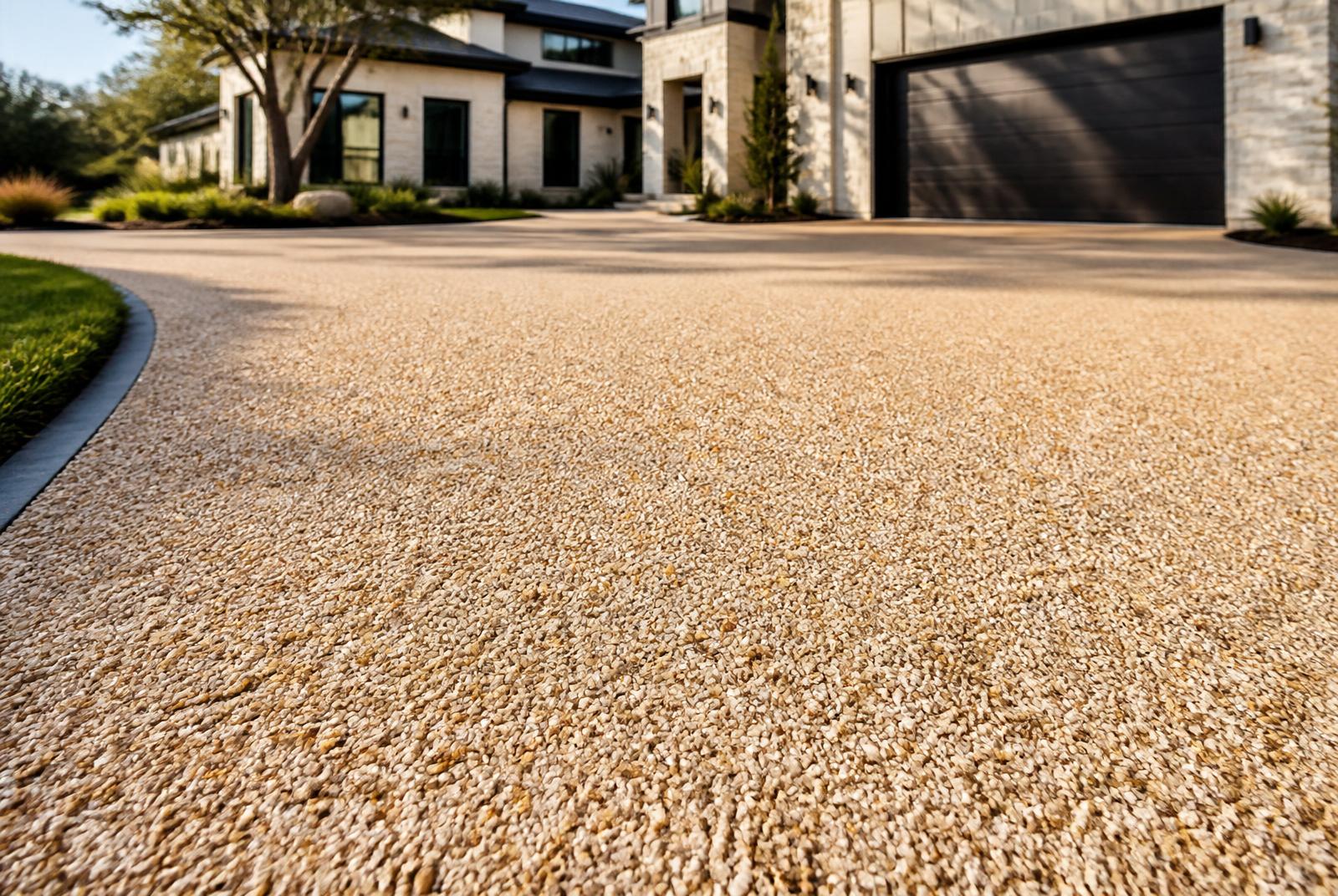
Avoid dark gray/charcoal pavers, unsealed dark flagstone, dark granite, and standard exposed aggregate concrete. These materials store heat like an iron skillet, remaining hot long after the sun dips behind the trees.
Base prep, drainage, and North Texas soil details
A travertine pool deck in Southlake is only as stable as the engineering hidden beneath it. Tarrant County and the broader DFW Metroplex sit atop expansive clay soils—often referred to as Houston Black or Eagle Ford clay. This soil swells when saturated by sudden North Texas thunderstorms and shrinks dramatically during heatwaves, creating ground movement that can buckle improperly installed stone.
To ensure your travertine pool deck stays flat, level, and crack-free, Paverston follows strict soil stabilization and drainage protocols:
- Deep Excavation: We excavate existing turf, expansive clay, or failing concrete down to a firm sub-base level.
- Geotextile Woven Fabric: We lay a heavy-duty geotextile fabric directly over the native clay soil. This prevents the stone base material from sinking into shifting sub-soil over time.
- Crushed Base Layer: We compact 4 to 6 inches of flexible base material (crushed limestone or recycled concrete) to 98% compaction, establishing a rigid, load-bearing foundation.
- Open-Graded Bedding Layer: Travertine pavers (typically 1.25-inch or 3cm thickness for pool decks) are bedded on a 1-inch uniform layer of clean coarse sand or crushed angular aggregate.
- Integrated Drainage: We engineer every deck with a subtle pitch (1/8-inch per linear foot minimum) sloping away from the pool cope and house foundation. Where natural drainage slope is limited, channel drains or strip drains are integrated directly into the paver layout to manage heavy Texas rain runoff.
Cost guidance in Dallas–Fort Worth
Pool deck paver projects in the DFW market vary based on material selection, site access, sub-base requirements, and demolition needs. All professional paver installations in North Texas start at $20/sq ft, with premium pool deck travertine projects reflecting specialized material sourcing and precision handling.
| Project Scope / Surface Material | Typical Installed Cost per Sq Ft | Key Notes & Features |
| :--- | :--- | :--- |
| Standard Concrete Paver Pool Deck | $26 – $36 / sq ft | Durable, modern styles; light colors recommended for heat control. |
| Premium Travertine Pool Deck (3cm Tumbled) | $32 – $44 / sq ft | Premium thermal comfort, natural non-slip texture, long-lasting luxury. |
| Outdoor Porcelain Paver Deck (2cm) | $34 – $46 / sq ft | Zero porosity, stain/chemical resistant, ultra-modern low maintenance. |
| Demolition: Existing Concrete Removal | +$6 – $12 / sq ft | Depends on concrete thickness, rebar presence, and equipment access. |
| Demolition: Existing Paver Removal | +$4 – $8 / sq ft | Includes disposal and base soil inspection. |
| Custom Patterns / Travertine Coping Units | +15% – 25% | Adds hand-cutting labor for radius pools, bullnose coping, or French patterns. |
Note: Final project quotes depend on total square footage, perimeter pool coping details, and machinery access to the backyard.
What to look for in photos or during a site visit
When evaluating travertine pool deck craftsmanship in completed project photos or live jobsite visits, inspect these details:
- Coping Integration: Look at the transition around the pool edge. High-quality work features smooth, full-bullnose or smooth-eased travertine coping stones tightly fitted against tile lines.
- Pattern Balance: In a classic Versailles / French pattern travertine installation, check that four different stone sizes are blended evenly without obvious color clustering or repeated lines.
- Flush Expansion Joints: Ensure control joints and perimeter expansion joints along pool coping walls are sealed flush with high-grade polyurethane sealant, preventing water penetration beneath the sub-base.
- Consistent Edge Restraints: Verify that snap-edge or concrete bond beams securely hold the perimeter pavers to prevent lateral movement along flower beds or lawn borders.
Paverston recommendation
If you want a comfortable barefoot pool surface that withstands 100°F Southlake summer days while elevating your outdoor home value, 1.25-inch (3cm) tumbled Ivory Travertine set over a crushed stone flexible base is the best choice available.
Paverston designs and builds custom travertine pool decks, coping, and outdoor living patios across Southlake and the entire DFW Metroplex. Our team manages every phase—from soil evaluation and drainage planning to precision stone laying.
Ready to transform your pool deck? Contact Paverston today at 214-228-1011 or request your detailed project estimate online at paverston.com/contact.
Related questions
Does travertine get slippery around a pool when wet?
Not if you select a tumbled or chiseled finish. Tumbled travertine has open natural pores and a micro-textured surface that provides excellent slip resistance under wet feet, making it much safer around pools than smooth, polished stone or slick stamped concrete.
Do travertine pavers crack during North Texas winter freeze-thaw cycles?
Quality 3cm high-density travertine withstands DFW winter freeze cycles without cracking when installed on a properly drained flexible base. Water must be allowed to drain away beneath the stone so trapped moisture cannot freeze and expand directly under the pavers.
Can travertine pavers be installed directly over an existing concrete pool deck in Southlake?
Yes, thin travertine pavers (3/4-inch or 2cm thickness) can be overlay-installed or thin-set over existing concrete decks, provided the existing concrete is structurally sound, free of severe cracking, and properly sloped for drainage.
Does travertine pool decking require regular sealing in Texas?
While travertine naturally resists weather, applying a breathable, penetrating natural-look sealer every 2 to 3 years protects the porous stone from pool chemicals, salt water systems, organic leaf stains, and BBQ grease without making the surface slick or glossy.