
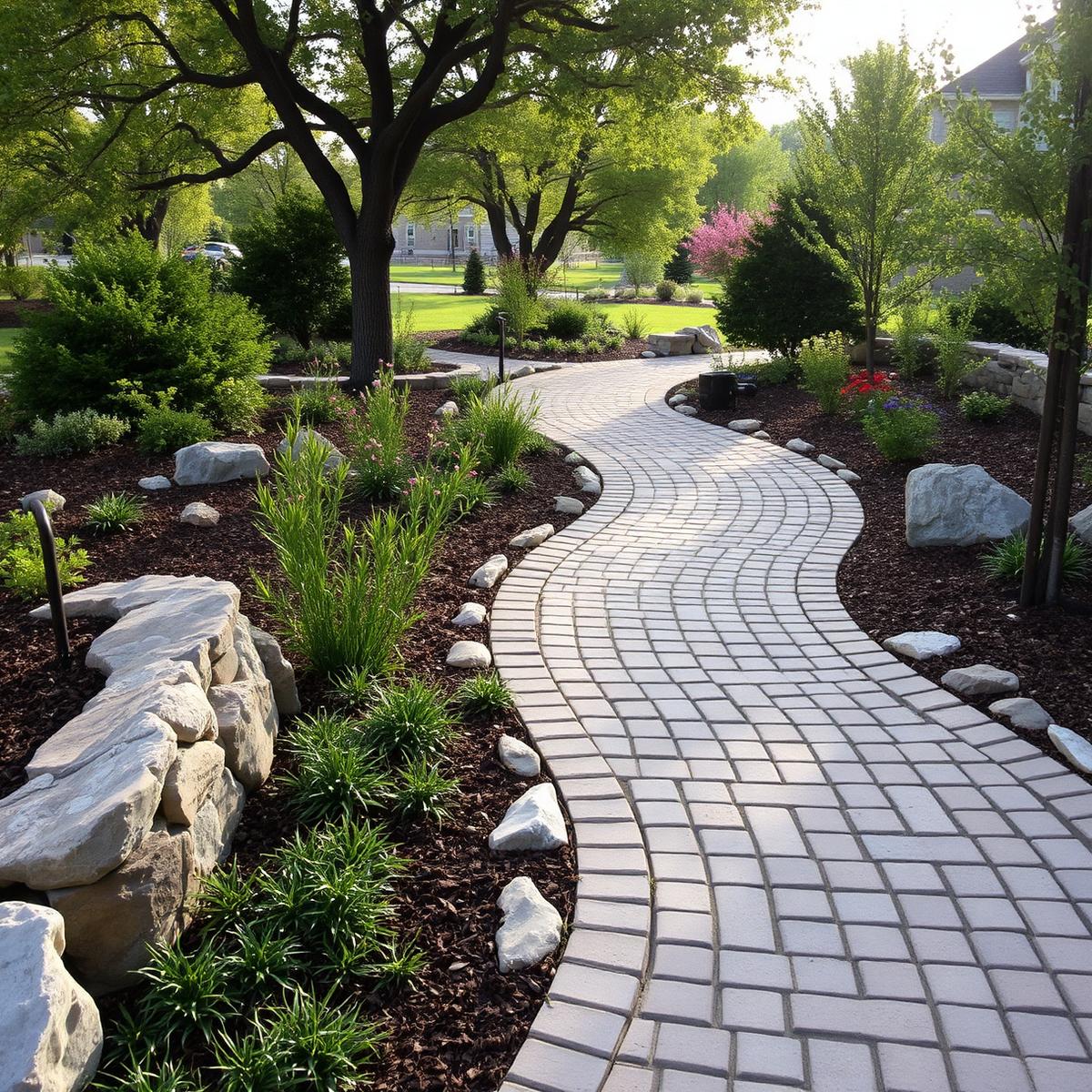
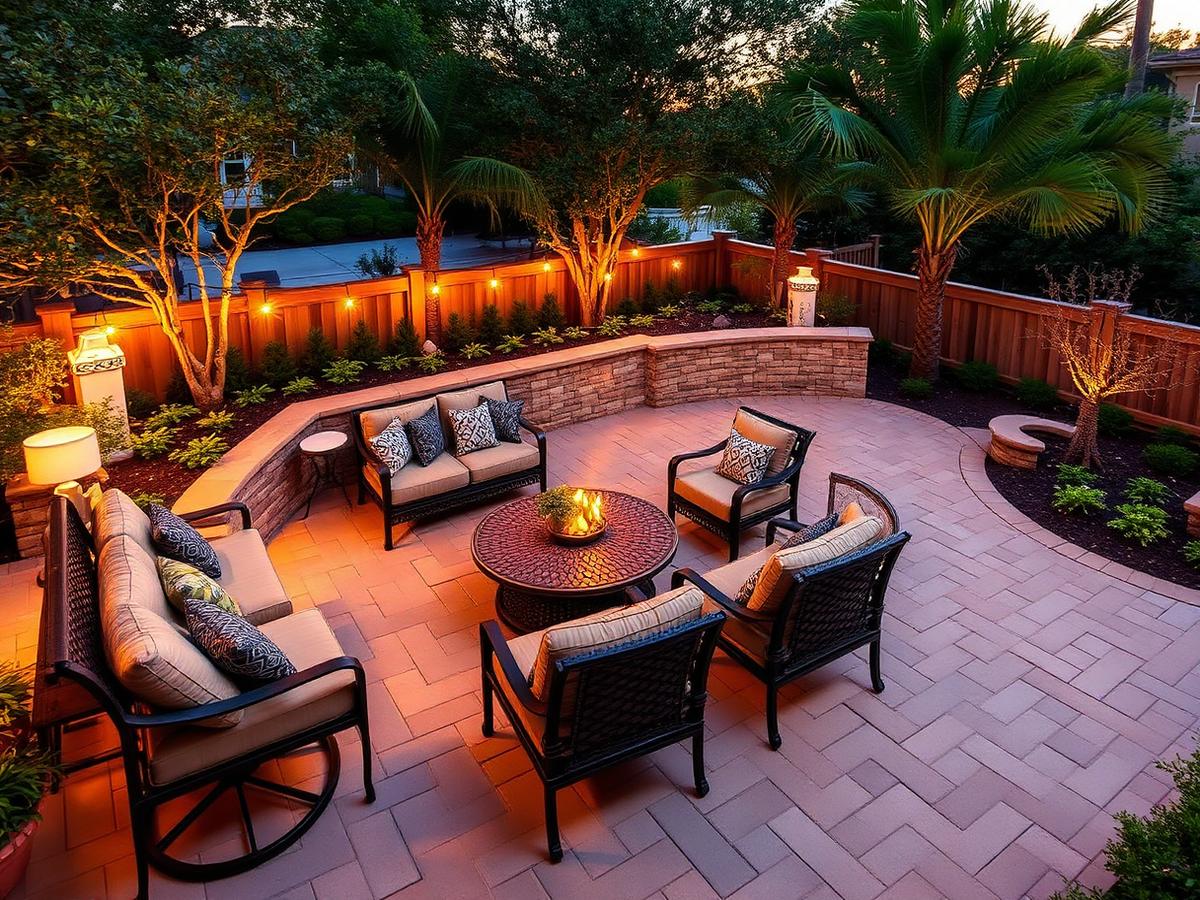
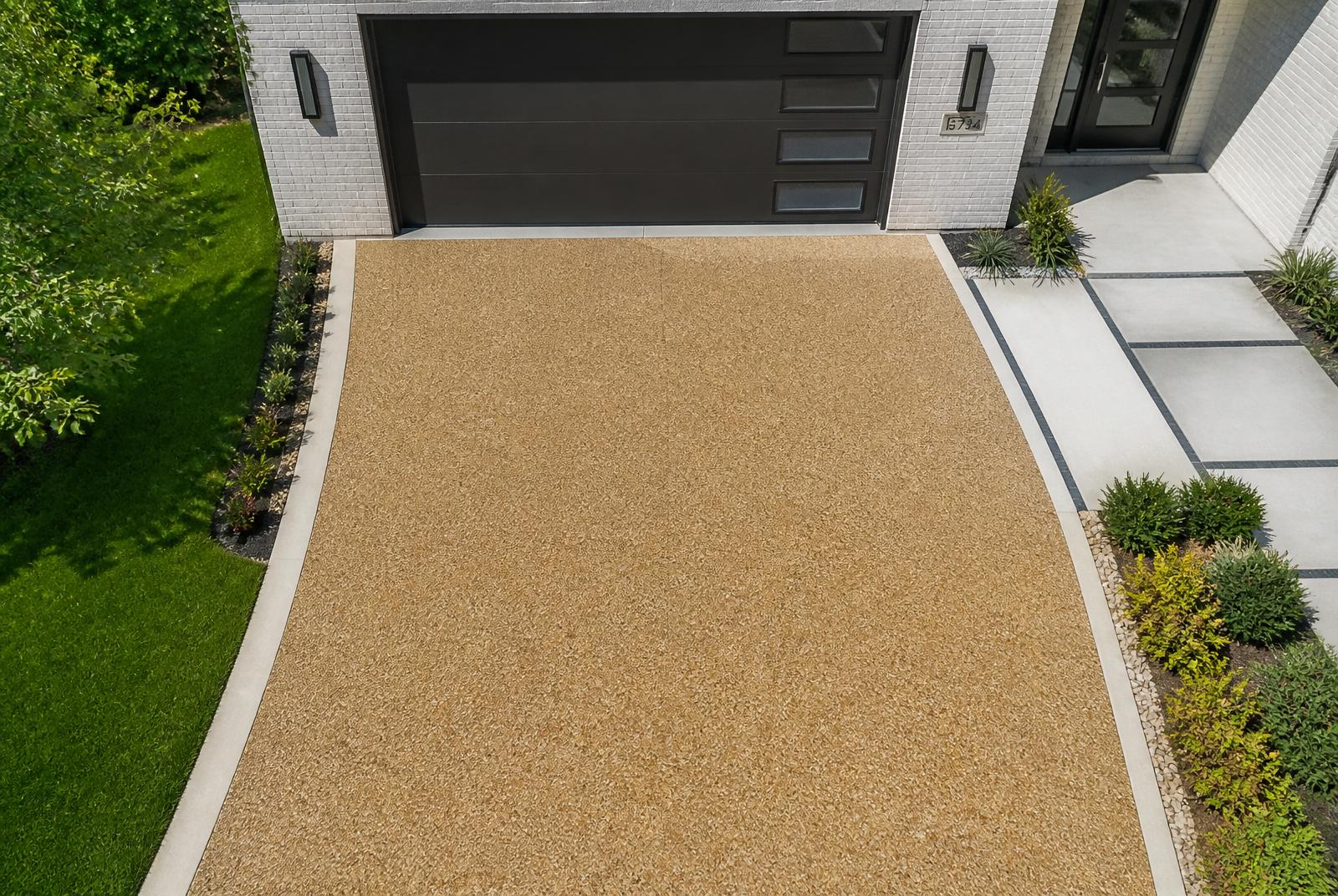
When July and August temperatures hit triple digits in Frisco, Texas, the surface temperature of your pool deck determines whether your backyard is usable or unbearable. Natural travertine pavers stay noticeably cooler underfoot than stamped concrete because of their low thermal conductivity, high solar reflectance, and porous natural stone structure. Light-colored travertine (such as Ivory or Walnut) dissipates heat quickly, allowing bare feet to walk comfortably even during peak afternoon sun.
In contrast, stamped concrete relies on surface sealers and dense aggregate mixes that absorb and trap heat. Even light-colored concrete stains heat up rapidly under direct North Texas sun, and the required acrylic sealers create a smooth surface that amplifies solar radiation. For Frisco pool decks where barefoot comfort, long-term durability, and soil movement are main concerns, natural travertine pavers consistently outperform stamped concrete.
What this means for a DFW homeowner
Frisco sits squarely on expansive Blackland Prairie clay soil, which expands dramatically when wet and contracts during hot dry spells. This constant ground movement creates specific challenges for pool decks:
- Thermal Comfort: Sealed stamped concrete decks can reach surface temperatures exceeding 135°F on a 100°F Frisco day, creating a genuine burn risk for kids and pets. Tumbled travertine pavers typically stay 20°F to 30°F cooler under identical conditions.
- Ground Movement and Cracking: Concrete decks are rigid slabs. When the underlying clay shifts, stamped concrete inevitably develops hairline or structural cracks. Travertine pavers are flexible interlocking systems set on aggregate base layers; they adjust to minor soil shifts without cracking.
- Slip Resistance: Around splashing pool water, smooth or acrylic-sealed stamped concrete becomes extremely slick unless heavily textured with anti-slip additives. Tumbled travertine features natural surface pores that provide exceptional grip without feeling rough on bare feet.
- Repairability: If a pool line leaks or ground shifts significantly, repairing stamped concrete leaves visible patches and mismatched dye lots. Travertine pavers can be individually lifted, sub-base adjusted, and re-laid seamlessly.
Best surface or material options for this project
When evaluating materials for a Frisco pool deck replacement or new installation, material choice dictates long-term performance:
- French Pattern Ivory Travertine (Top Recommendation): Light beige and off-white tones reflect maximum sunlight. Tumbled edges provide classic aesthetic appeal and anti-slip safety around water features and pool edges.
- Silver or Noche Travertine: Offers rich, modern grey or warm walnut tones. While slightly warmer than light ivory, silver travertine still remains significantly cooler underfoot than dark-stained stamped concrete.
- Shellstone / Limestone Pavers: Natural stone alternatives with dense calcified compositions that remain cool, offering a subtle, soft-textured light surface.
- Stamped Concrete (Control Joints Required): Poured slab stamped with slate or stone patterns and colored with integral dyes or release agents. Must be sealed every 2–3 years to maintain color, which increases surface temperature and slipperiness.
Base prep, drainage, and North Texas soil details
Installing a travertine pool deck in Frisco demands rigorous base preparation to handle heat, water runoff, and reactive clay. Skimping on sub-base depth is the primary cause of deck failure in DFW.
- Excavation & Sub-Grade: We excavate 8 to 10 inches below final grade to remove unstable topsoil and reach firm base clay.
- Geotextile Stabilization: A heavy-duty woven geotextile fabric layer is installed across the excavated clay to prevent native soil from mixing into the crushed aggregate base.
- Crushed Stone Base: We install 4 to 6 inches of compacted crushed limestone (Flex Base) compacted in 2-inch lifts to achieve 98% density. This creates a structural bridge over expanding clay.
- Bedding Layer: A 1-inch layer of coarse concrete sand or crushed granite bedding chips is screeded evenly for precision paver setting.
- Slope and Drainage: Pool decks require a minimum 1/4-inch per foot slope away from the pool coping and home foundation. Strip drains or channel drains are integrated near patio doors or lawn edges to prevent standing water during sudden DFW downpours.
Cost guidance in Dallas–Fort Worth
While stamped concrete has a lower initial installation price, travertine pavers offer superior lifespan, easier maintenance, and higher property resale value. Below is a detailed cost comparison for pool deck projects in Frisco and the surrounding DFW metroplex.
| Surface Option | Installed Cost / Sq Ft | Key Characteristics | Expected Lifespan | Heat Retention | Maintenance Required |
| :--- | :--- |
|---|---|
| :--- | :--- |
| Tumbled Travertine Pavers | $26 – $44 | Coolest surface, flexible paver system, natural stone beauty | 30+ Years | Very Low (Stays Cool) | Polymeric sand top-up every 3–5 yrs |
| Porcelain Outdoor Pavers | $30 – $48 | Non-porous, ultra-durable, highly fade-resistant | 30+ Years | Low to Moderate | Minimal washing |
| Stamped Concrete Decking | $20 – $28 | Rigid slab, pattern options, prone to surface cracking | 10–15 Years | High (Gets Very Hot) | Acrylic re-sealing every 2 yrs |
| Concrete Removal (Demo) | +$6 – $12 | Tear out of existing failed pool deck slab | N/A | N/A | Disposal & haul-off |
Note: All Paverston hardscape projects carry a base minimum of $20/sq ft installed. Complex pool coping coping integrations, radial cuts, or step risers add 15–25% to labor costs.
What to look for in photos or during a site visit
When reviewing a contractor's past pool deck projects in Collin County or inspecting completed work, focus on these critical craftsmanship indicators:
- Pool Coping Integration: Check how the deck pavers meet the pool coping stone. The transition should feature uniform joint widths without uneven lip heights (trip hazards).
- Surface Sheen: Highly reflective gloss on stamped concrete indicates heavy acrylic sealer, which traps heat and gets slick. Travertine should display a natural, matte, un-sealed or penetrating-sealed finish.
- Clean Drain Lines: Look for clean, recessed channel drains cut seamlessly into the paver pattern rather than awkward concrete patches around drain grates.
- Edge Restraints: Check that perimeter pavers along lawn edges are secured with heavy-duty concrete bond beams or engineered edge restraints to prevent lateral spreading over time.
Paverston recommendation
For Frisco homeowners who prioritize foot comfort during hot Texas summers, light Ivory or Select Silver Tumbled Travertine Pavers are the clear winner over stamped concrete. Travertine's ability to remain cool during 100°F summer days, paired with its flexible structural installation over reactive clay soil, makes it the premium choice for pool decks.
While stamped concrete saves money upfront, the long-term costs of re-sealing, crack repairs, and uncomfortable summer heat make natural travertine a far smarter investment for your home.
Ready to transform your pool deck into a cool, comfortable outdoor oasis? Call Paverston today at 214-228-1011 or visit /contact to schedule an in-person site evaluation and design consultation.
Related questions
Does sealing travertine pavers make them hot underfoot?
No, as long as you use a breathable, penetrating (impregnating) sealer rather than a film-forming acrylic sealer. Penetrating sealers protect the stone against pool chemicals and stains beneath the surface without creating a glossy top film that traps sun heat.
Can cracked stamped concrete around a Frisco pool be capped with travertine?
Yes, provided the existing concrete slab is structurally sound and there is sufficient vertical clearance below the pool coping and surrounding door thresholds. Travertine thin pavers (1-1/4 inch) can be mud-set over prepared concrete, saving demolition costs.
Is tumbled travertine slippery when wet with pool water?
No. The tumbling process opens natural surface pores and softens stone edges, creating a textured surface that provides excellent slip resistance even when soaking wet with chlorinated or saltwater pool splash-out.
How long does a travertine pool deck installation take in Frisco?
A typical 800 to 1,200 sq ft pool deck renovation—including existing deck removal, aggregate base compaction, coping installation, and paver laying—takes our Paverston crew approximately 5 to 8 working days, weather permitting.