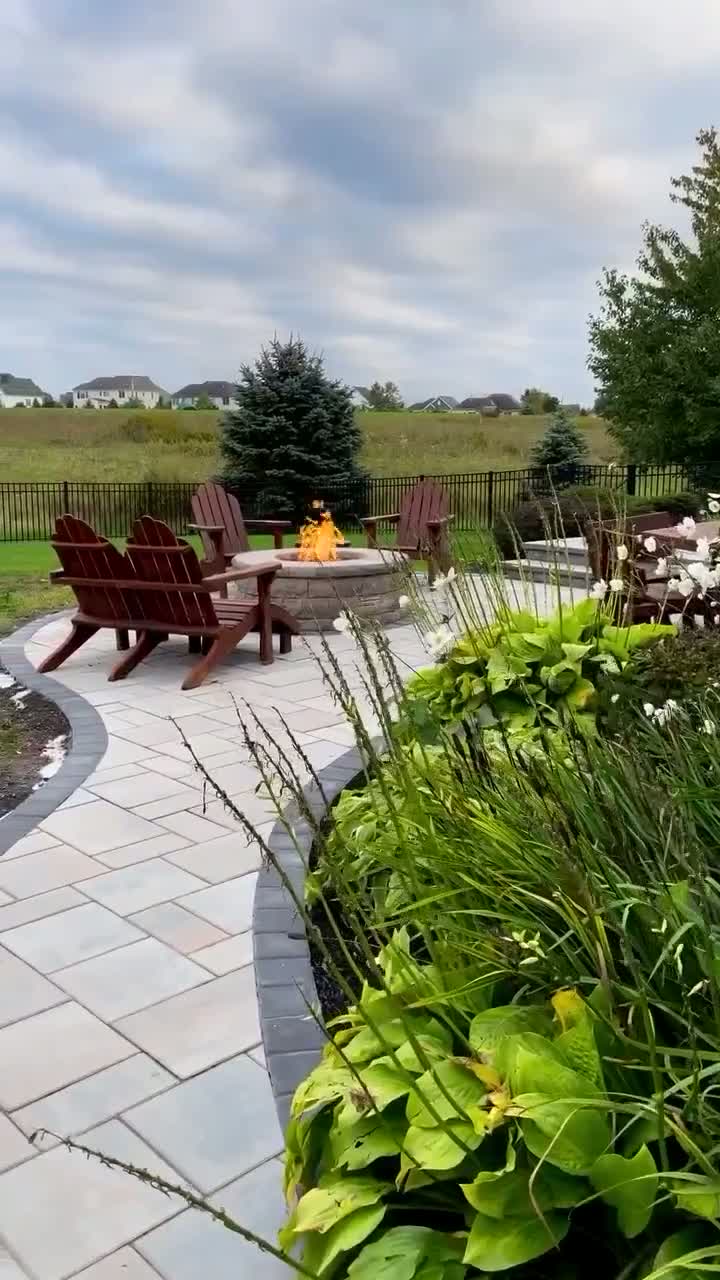
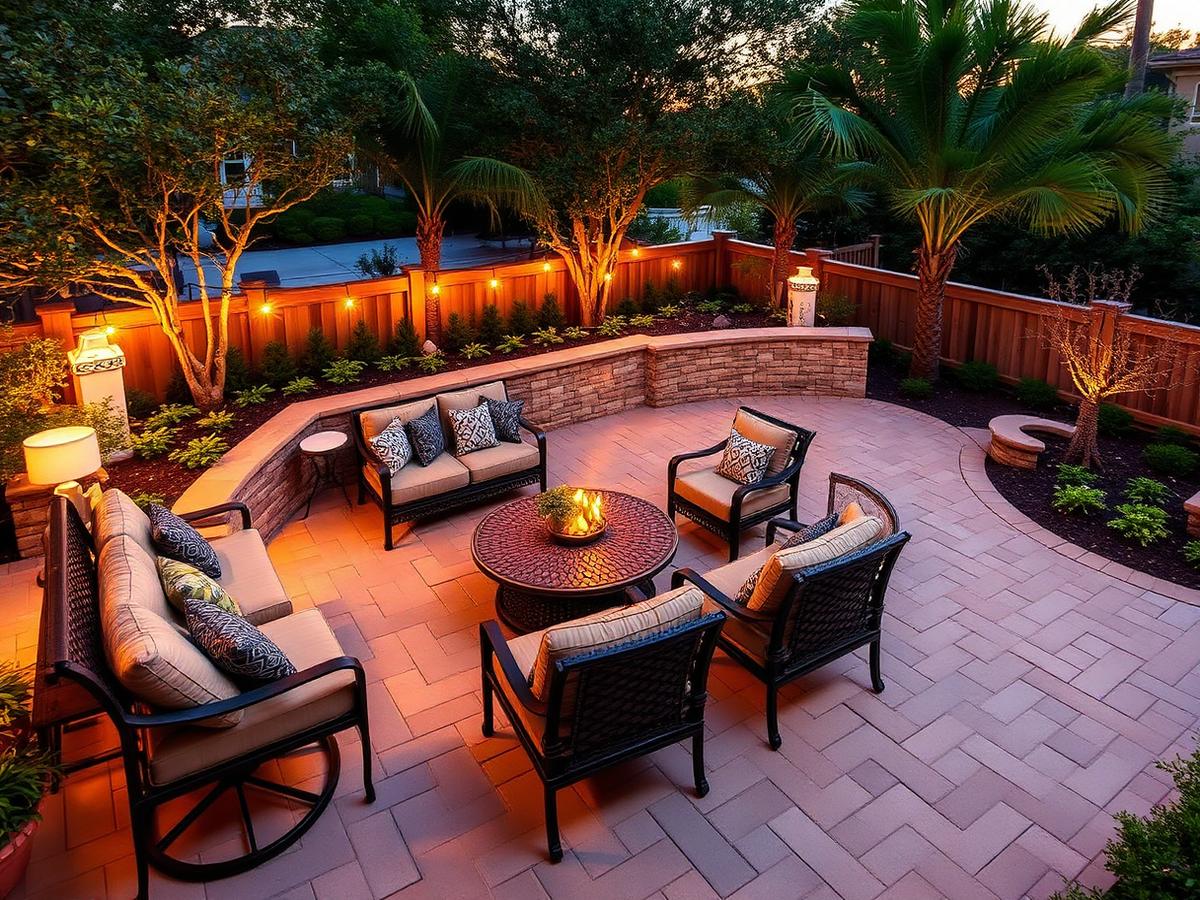
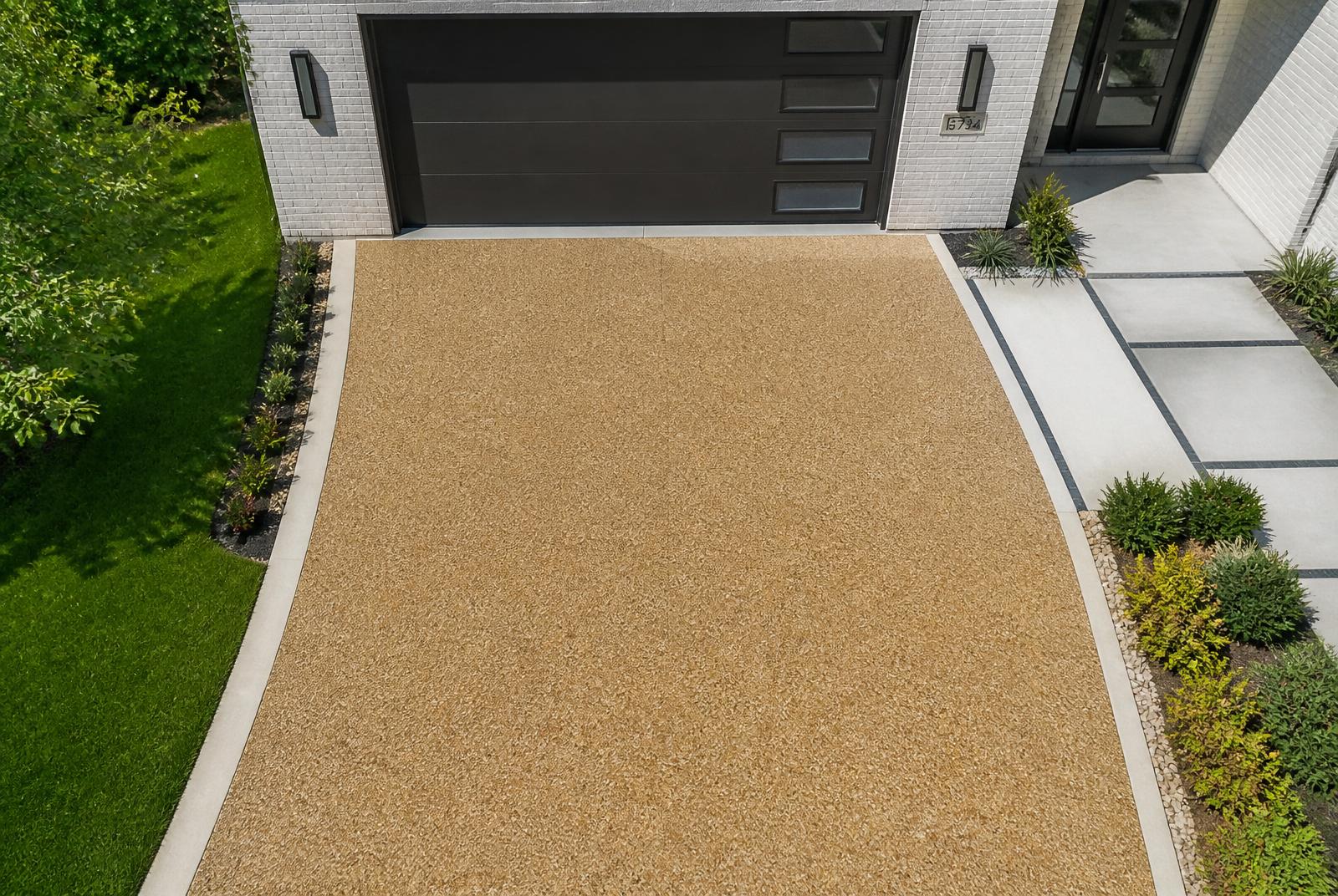
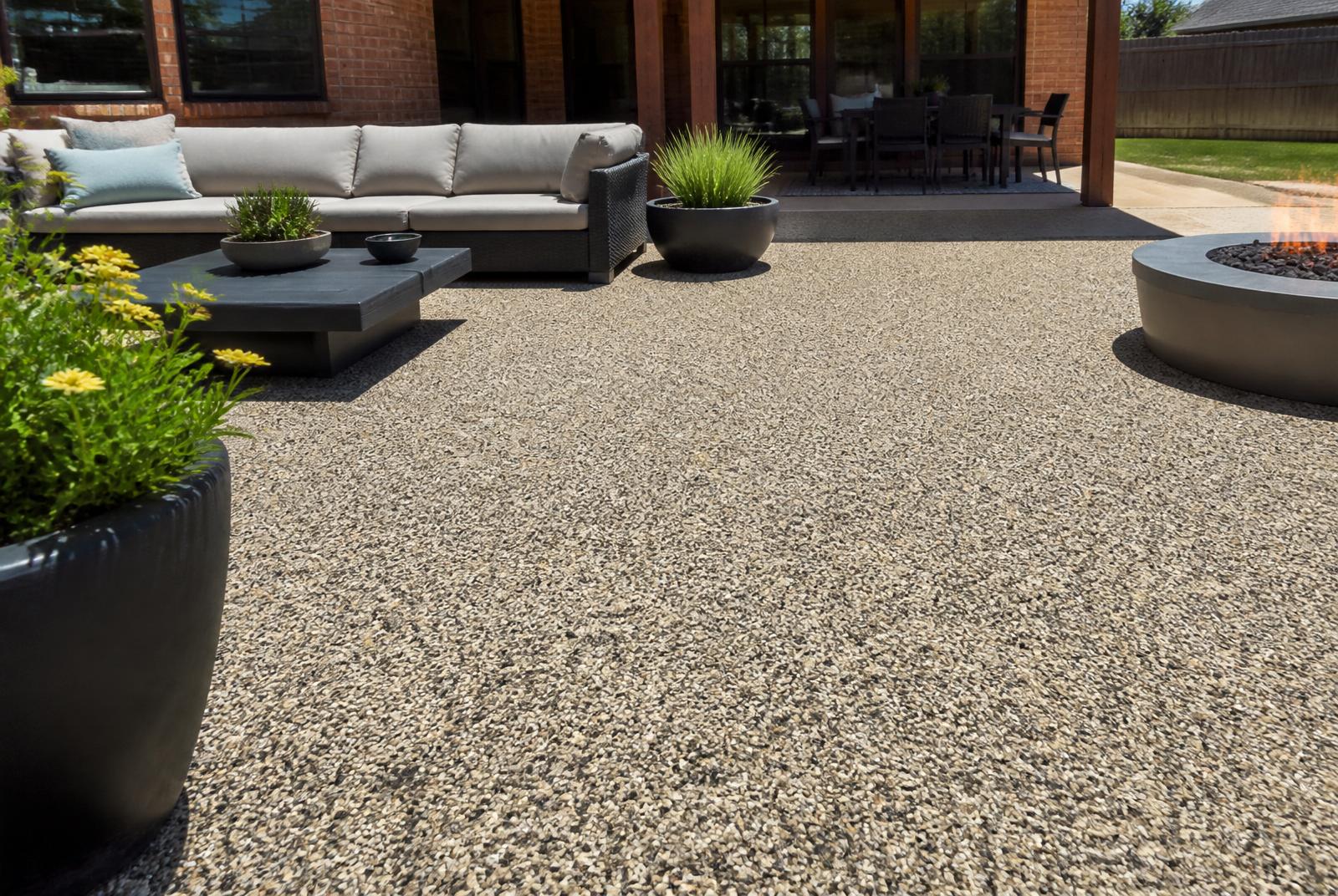
Replacing an existing poured-concrete patio with interlocking pavers in Prosper, Texas, generally does not require a structural building permit from the Town of Prosper, provided the new installation remains within the original footprint and does not alter overall lot drainage, property easements, or utility lines. Because pavers are classified as flexible flatwork rather than permanent rigid structures, standard surface replacements fall outside major municipal building code reviews.
However, if your patio project expands beyond the original slab size, encroaches on utility or drainage easements, or includes secondary features like gas fire pits, electrical wiring, or covered structures, a permit from the Town of Prosper Development Services department becomes mandatory. Furthermore, regardless of municipal permit exemptions, nearly every neighborhood in Prosper requires mandatory Architectural Review Committee (ARC) approval from your Homeowners Association (HOA) before any excavation begins.
What this means for a DFW homeowner
For homeowners living in Prosper master-planned communities like Windsong Ranch, Mustang Lakes, Gentle Creek, or Star Trail, navigating municipal and neighborhood regulations is just as critical as selecting your paver style. While the Town of Prosper focuses on storm drainage compliance and structural safety, your HOA focuses on color palette, set-back limits, material choices, and total lot coverage.
In North Texas, unpermitted grade alterations or unapproved hardscape additions can cause significant head-aches down the road. If hardscape construction directs rainwater onto a neighboring property or blocks a dedicated drainage easement, the city can issue stop-work orders or require costly teardowns. Similarly, building without HOA approval can result in daily fines or mandatory restoration of the original concrete footprint at your expense. Working with an experienced local contractor ensures that site surveys, plot plan submissions, and HOA documentation are handled correctly prior to breaking ground.
Best surface or material options for this project
When replacing a cracked or failing concrete patio in Prosper, selecting the right material determines both long-term curb appeal and surface performance in the intense Texas heat.
- Interlocking Concrete Pavers: The most versatile option for North Texas backyards. Manufactured to exceed 8,000 PSI compressive strength, concrete pavers will not crack from soil movement like poured concrete. They are available in textured stone looks, slate finishes, and classic cobble patterns.
- Travertine Pavers: Ideal for pool decks and sun-exposed patios. Natural travertine remains significantly cooler underfoot during 100-degree DFW summers compared to stamped concrete or dark stone. Its natural porosity provides excellent slip resistance while adding a high-end resort aesthetic.
- Architectural Porcelain Pavers: A modern, low-maintenance choice that resists staining, moss, and color fading. Porcelain offers non-porous performance that handles backyard grilling splatters with ease, though it requires precise base preparation and specialized handling.
Base prep, drainage, and North Texas soil details
Prosper sits directly on North Texas's notorious Black Eagle Ford clay soil. This expansive clay swells dramatically when saturated with rain and shrinks severely during dry summer spells. Poured concrete slabs fail in Prosper precisely because they cannot absorb this constant subgrade movement, leading to severe diagonal cracking.
To ensure a paver patio lasts decades without shifting or settling unevenly, base preparation is non-negotiable:
- Complete Demolition & Excavation: Removing the old concrete slab entirely and excavating 8 to 10 inches below the finished grade to clear active topsoil.
- Geotextile Fabric Installation: Placing a heavy-duty woven geotextile fabric between the native clay subgrade and the aggregate base. This prevents the heavy clay from migrating upward and mixing into your crushed stone base.
- Compacted Flex-Base Aggregate: Installing 4 to 6 inches of crushed stone flex-base, compacted in 2-inch lifts to achieve maximum density.
- Bedding Sand & Edge Restraints: Spreading a uniform 1-inch layer of coarse bedding sand to cushion the pavers, held firmly in place by heavy-duty snap-edge restraints anchored with steel spikes.
- Positional Slope & Drainage Integration: Establishing a positive slope of 1/8 inch to 1/4 inch per foot away from your home's foundation to prevent water pooling against exterior walls.
Cost guidance in Dallas–Fort Worth
Paver patio installations in Prosper and the greater DFW metroplex start at $20 per square foot installed. Total investment depends on demolition needs, material selections, base depth, and complex layout patterns.
| Service / Material Option | Estimated Cost (per Sq. Ft.) | Key Factors & Inclusions |
| :--- | :--- | :--- |
| Standard Interlocking Concrete Paver Patio | $20 – $32 | Includes base prep, geotextile fabric, sand, and installation |
| Travertine or Porcelain Paver Upgrade | +25% to +40% base cost | Premium natural stone or porcelain tile material premium |
| Complex Patterns (Herringbone, Inlays, Borders) | +15% to +25% labor cost | Intricate cutting, alignment, and increased material waste |
| Existing Concrete Demolition & Haul-off | $6 – $12 | Full slab removal, breaking up reinforced rebar, disposal |
| Existing Paver Demolition & Disposal | $4 – $8 | Removal of old unit pavers and aggregate clearing |
Note: All professional paver installations in Prosper start at a baseline of $20/sq ft. Site access, steep grading challenges, or custom drainage installs (such as French drains or catch basins) may adjust the final scope estimate.
What to look for in photos or during a site visit
When evaluating a contractor's portfolio of past patio projects in Prosper, pay close attention to craftsmanship details that indicate proper engineering:
- Clean Cut Edges: Look at photos showing curved borders and outer edges. Quality installations show precise, tight soldier-course borders cut smoothly with diamond-blade masonry saws.
- Flush Threshold Alignment: Examine how the finished paver surface meets back doors, sliding glass thresholds, and existing brick masonry. Proper prep results in a step down that sits flush and secure without tripping hazards.
- Solid Edge Restraints: Ask to see photos of the perimeter before final sod backfill. You should see heavy-duty commercial edge restraints spiked securely into the compacted base aggregate, not bare sand or thin mortar bed setting.
- Uniform Surface Lines: Review wide-angle photos of installed patios. Joint lines should be arrow-straight across long spans without wavy alignment or inconsistent gap sizes.
Paverston recommendation
If you are planning to replace your concrete patio in Prosper, start by securing your HOA's Architectural Review Committee guidelines before placing material deposits. Paverston provides detailed site plans, material samples, and precise technical specifications required for quick HOA submissions and city planning inquiries.
Our team handles every phase of construction—from concrete demolition and clay subgrade stabilization to custom paver laying and polymeric sand sealing. Every project is engineered specifically for North Texas soil conditions to ensure your patio stays level and beautiful for decades.
Contact Paverston today at 214-228-1011 or visit /contact to schedule a site evaluation and receive a detailed, accurate estimate for your Prosper home.
Related questions
Does Prosper HOA require approval for paver patios?
Yes. Virtually every Homeowners Association in Prosper requires advance approval through their Architectural Review Committee (ARC). You will typically need to submit a property plot plan showing set-backs, proposed paver material samples, color swatches, and drainage flow details before installation begins.
Do I need a permit if I add a pergola or roof over my paver patio in Prosper?
Yes. While flatwork paver replacement within an existing footprint rarely requires a municipal permit, adding any permanent roof structure, shade pergola, or covered pavilion requires a building permit from the Town of Prosper to verify wind load resistance, foundation footings, and setback compliance.
How close to my property line can I build a paver patio in Prosper?
Property line set-back rules in Prosper depend on your specific residential zoning classification and dedicated utility or drainage easements shown on your lot plat. Hardscape flatwork cannot encroach on recorded city drainage easements without explicit town variance approval.
Will replacing concrete with pavers fix my backyard standing water?
Swapping non-porous poured concrete for an engineered paver system improves surface drainage control. Because pavers are installed on a carefully sloped aggregate base, water can be directed away from the home into integrated channel drains, catch basins, or rain gardens to prevent localized pooling.