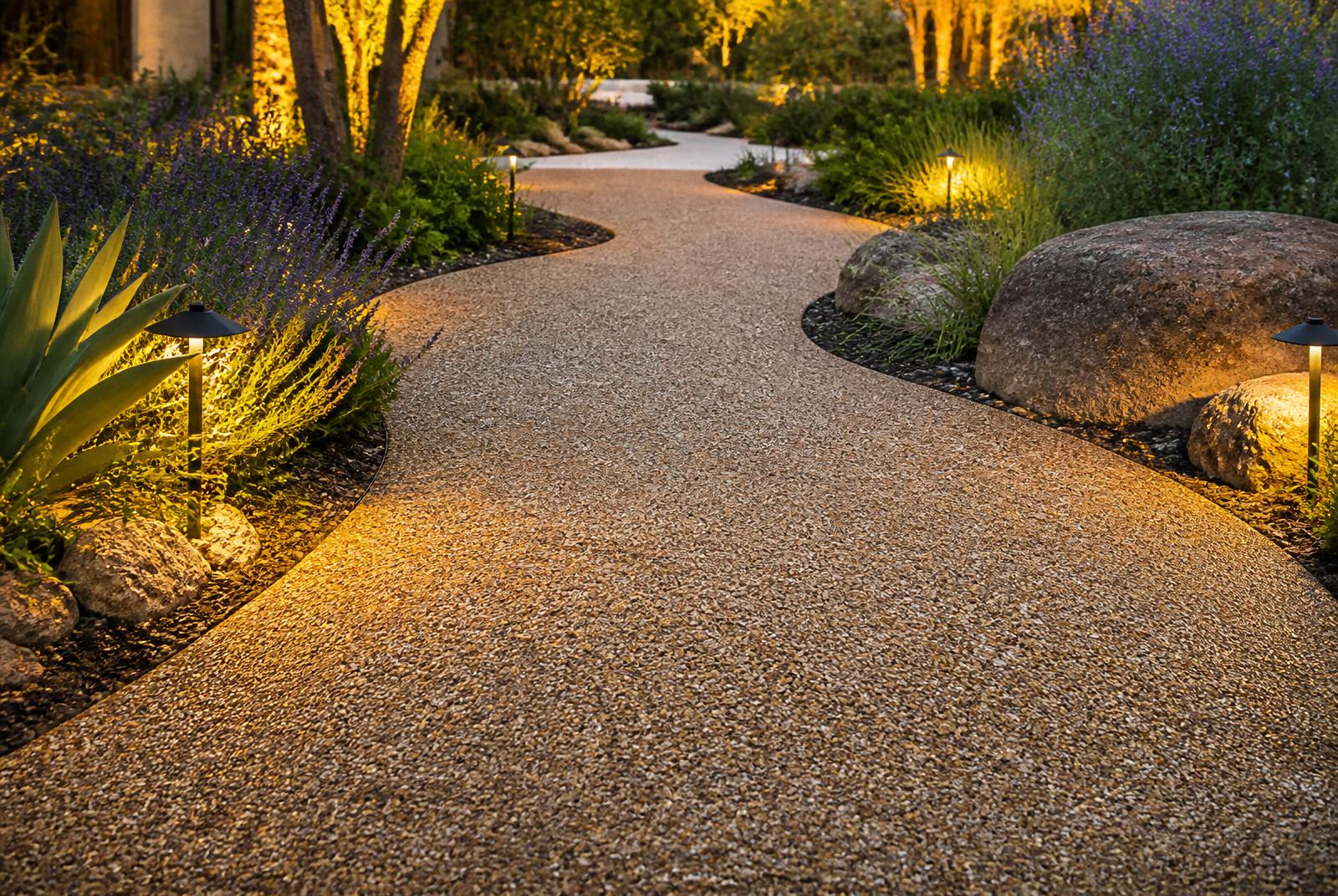
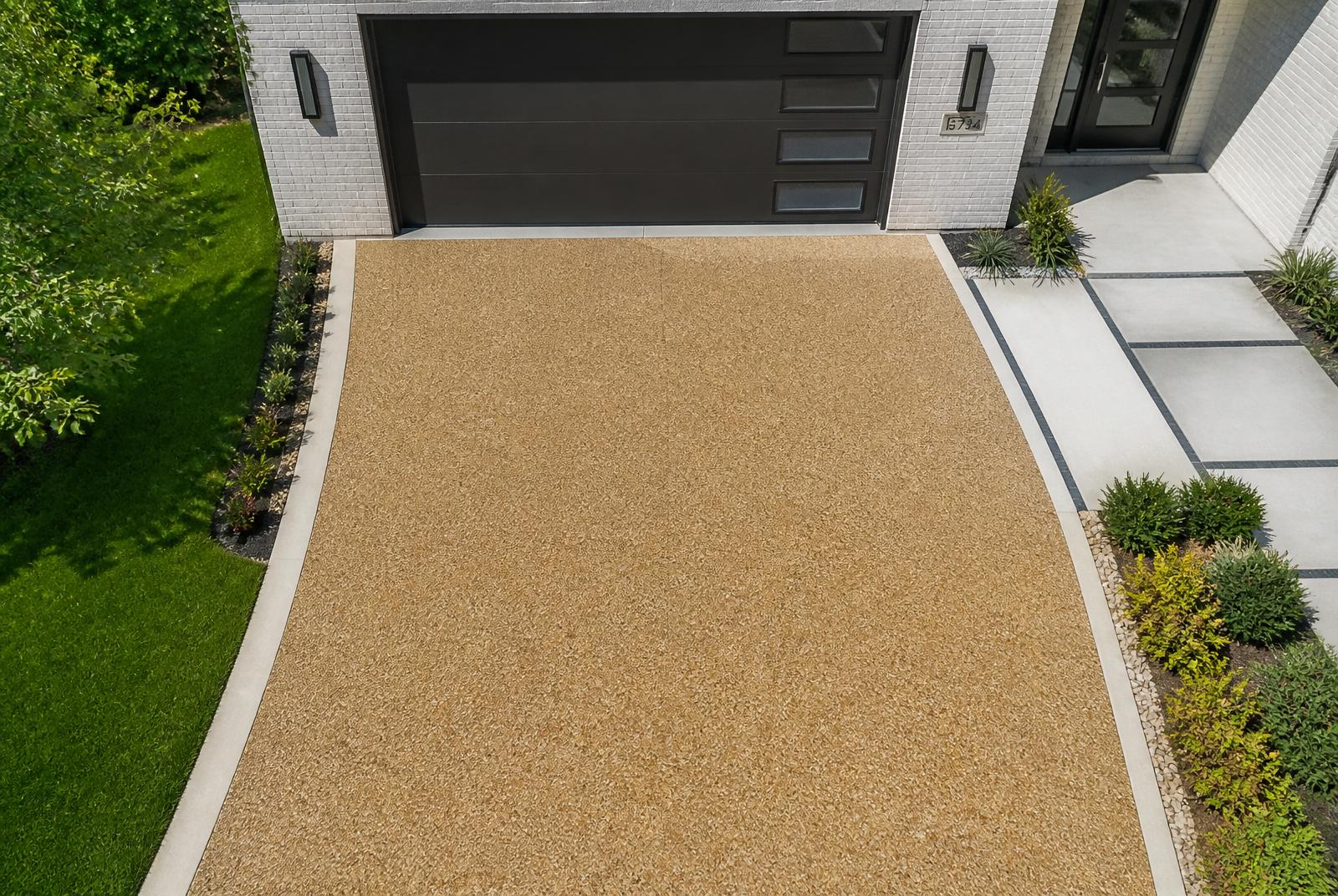
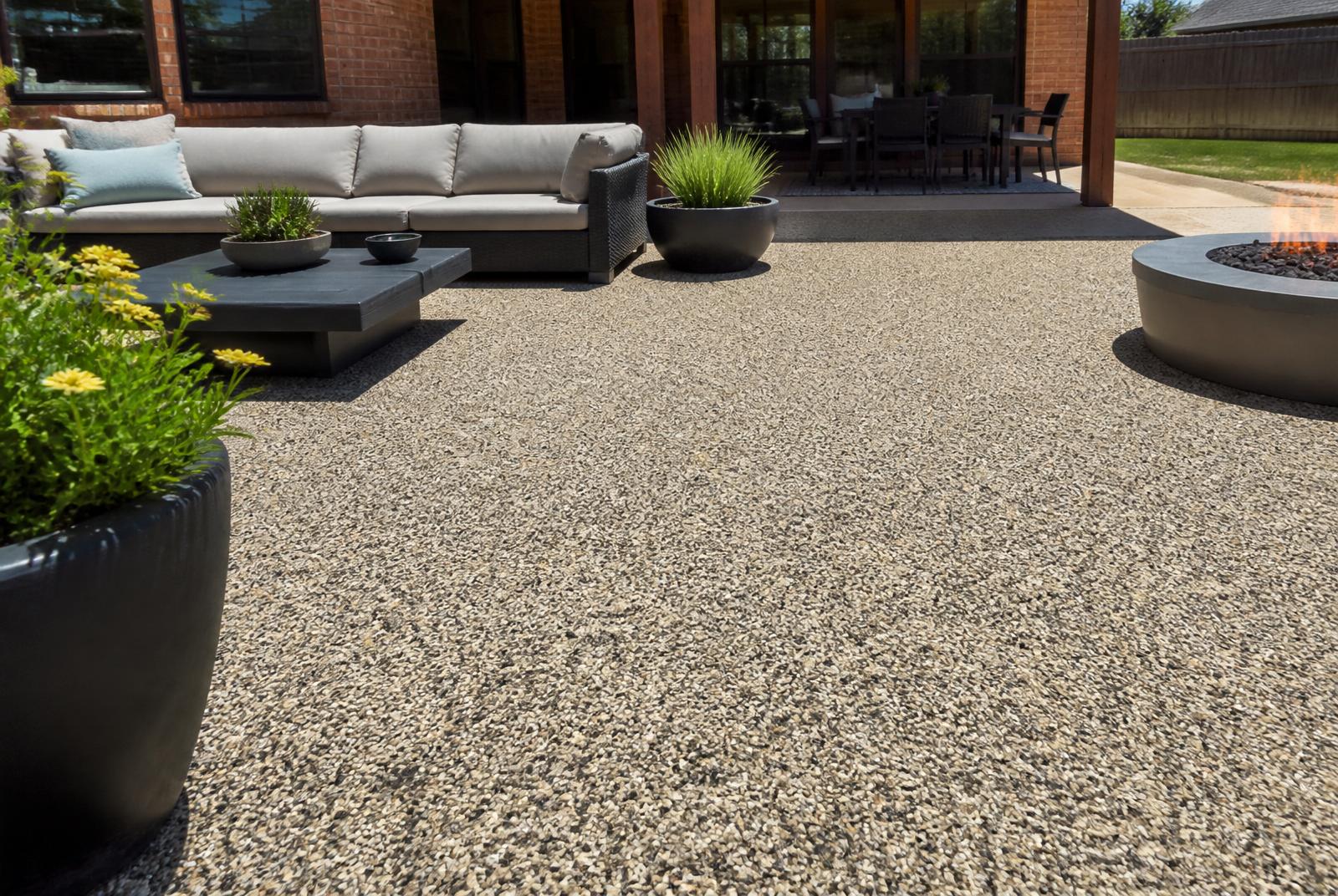
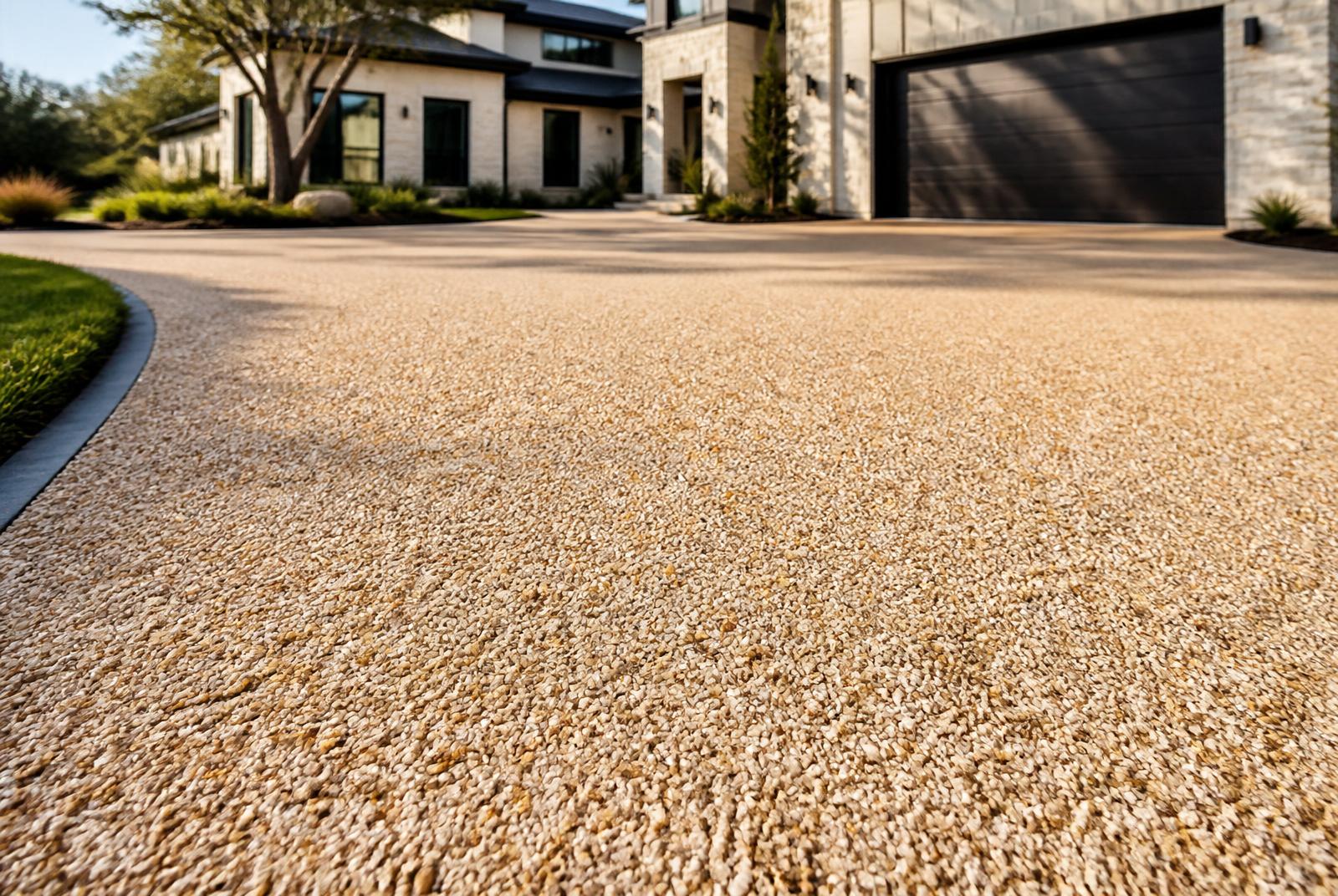
Plano HOA regulations rarely mandate specific brand names for permeable pavers, but almost all Architectural Review Committees (ARCs) enforce strict rules regarding lot coverage limits, drainage runoff, earth-tone color palettes, and property line setbacks. Before extending your driveway, you must ensure your chosen hardscape system complies with both your neighborhood covenant and City of Plano residential building codes.
At Paverston, we frequently guide homeowners through the Plano ARC approval process. Utilizing Permeable Interlocking Concrete Pavers (PICP) allows you to expand your vehicular parking space without exceeding municipal impervious surface allowances or triggering neighbor disputes caused by surface water runoff on North Texas clay soil.
What this means for a DFW homeowner
If you live in a Plano neighborhood governed by an HOA—such as Willow Bend, Deerfield, Kings Ridge, or Lakeside on Preston—your driveway extension is subject to architectural control. While HOAs do not force you to buy a single proprietary brand, they do mandate specific visual and functional standards:
- Impervious Surface Calculations: The City of Plano limits total lot coverage to prevent excessive stormwater runoff into municipal storm drains. Standard poured concrete and solid paver installations count 100% toward your lot's maximum impervious surface limit. Permeable pavers, when installed over an engineered aggregate sub-base, allow water to infiltrate into the ground, frequently helping projects stay compliant with city coverage caps.
- Color and Style Matching: HOAs typically require driveway extensions to match or complement the existing primary driveway and the home’s brick or stone masonry. High-contrast, overly bright, or non-traditional patterns are routinely rejected.
- Setback Lines and Property Boundaries: Most Plano residential covenants require driveway extensions to stay at least 3 to 5 feet away from the side property line. Extending a driveway all the way to a neighbor's lot line is almost universally prohibited unless a shared easement exists.
- Right-of-Way Restrictions: Any work extending toward the street curb may cross into the City of Plano public utility easement or right-of-way. This section requires careful adherence to city curb-cut and sight-line regulations.
Best surface or material options for this project
When extending a vehicular driveway in North Texas, material selection must account for both heavy wheel load capacities and long-term aesthetic approval by your ARC board.
- 80mm Permeable Interlocking Concrete Pavers (PICP): Standard patio pavers are 60mm thick, which is insufficient for vehicle weights. For driveway extensions, Paverston recommends 80mm (3.15-inch) thick interlocking concrete pavers designed specifically for vehicular loads. Trusted manufacturers like Belgard, Pavestone, and Tremron produce high-density 80mm permeable pavers featuring widened joint nibs that allow surface water to filter directly into the base below.
- Turf or Grid Pavers (Open-Cell Concrete Units): These units feature hollow concrete cells filled with gravel or turf grass. While highly permeable, some Plano HOAs restrict open-cell turf grids for primary front driveways due to uniformity concerns. They are more commonly approved for side-entry parking pads or RV access areas behind gates.
- Non-Porous Interlocking Pavers with Integrated Drainage: If your HOA requires a traditional tight-joint paver aesthetic, non-permeable 80mm pavers can still be used if paired with channel drains or French drains that route surface water safely away from adjacent properties.
Base prep, drainage, and North Texas soil details
In Plano and the broader DFW Metroplex, the subsoil consists predominantly of highly expansive Houston Black clay. This soil swells when wet and shrinks during hot Texas summers, exerting immense hydraulic pressure on surface structures. Proper base preparation is non-negotiable for a driveway extension.
For a durable permeable driveway extension in Plano, standard compacted flex-base sand is insufficient because it blocks water infiltration and destabilizes when saturated. Instead, Paverston utilizes an open-graded aggregate base profile:
- Deep Excavation: We excavate 10 to 14 inches below final grade to remove unstable surface clay topsoil.
- Geotextile Woven Fabric: A high-strength geotextile filter fabric line is installed along the excavated subgrade to prevent soft clay from rising up and clogging the clean crushed stone base.
- Open-Graded Base Reservoir: We install 6 to 8 inches of clean, crushed angular stone (typically ASTM No. 2 or No. 57 stone) with zero fines. This creates a structural sub-base with 30-40% void space to temporarily hold rainwater as it infiltrates the clay layer below.
- Bedding Layer: A 1.5-inch layer of clean ASTM No. 8 aggregate is spread as a level setting bed for the pavers.
- Joint Infill: The wide permeable paver joints are filled with clean ASTM No. 8 or No. 89 aggregate stone, completely omitting joint sand, which would wash away or block water filtration.
This open-graded structural system prevents shifting, wheel rutting, and water pooling, ensuring your driveway extension withstands both summer heat and torrential North Texas downpours.
Cost guidance in Dallas–Fort Worth
All paver installation projects in the DFW area start at a base pricing floor of $20 per square foot installed. Driveway extensions require heavier 80mm materials, deeper excavation, structural edge restraints, and open-graded rock bases, putting overall installation costs between $22 and $42 per square foot depending on site access, material selection, and existing surface removal needs.
| Project Type / Scope | Estimated Cost Range (Installed) |
|---|---|
| Standard Interlocking Driveway Extension (80mm) | $22 – $38 per sq ft |
| Permeable Paver (PICP) Driveway Extension | $26 – $42 per sq ft |
| Concrete Demolition & Haul-Away (Existing Slab) | +$6 – $12 per sq ft |
| Existing Paver Removal & Salvage | +$4 – $8 per sq ft |
| Integrated Channel Drain Installation | $35 – $65 per linear ft |
| Sub-surface French Drain Integration | $25 – $45 per linear ft |
Note: Complex border patterns, multi-piece herringbone layouts, or tight side-yard access can add 15% to 25% to initial installation labor costs.
What to look for in photos or during a site visit
When evaluating real past project photos or inspecting completed driveway extensions in Plano, pay close attention to structural finishing details:
- Concrete Edge Restraints: Driveway edge pavers must be locked down with heavy-duty concrete edge restrains buried below turf level to prevent lateral spreading under vehicle tires.
- Flush Transition Joints: Look at where the new paver extension meets the existing concrete driveway or street apron. The height transition should be flush, smooth, and trip-free without jagged cut lines.
- Aggregate Infill vs. Standard Sand: True permeable paver installations use small, clean chip stone in the joints rather than fine polymeric sand.
- Integrated Channel Drains: Look for sleek trench drains installed along the low points of the driveway extension, catching surface runoff before it reaches a neighbor’s property line.
Paverston recommendation
Before purchasing materials or hiring a contractor, request an official architectural submission form from your Plano HOA management company. Paverston provides complete CAD-style site drawings, material cut sheets, and aggregate cross-section diagrams to make HOA approval fast and effortless.
We recommend selecting an 80mm permeable interlocking concrete paver in an earth-tone color blend that coordinates with your brick fascia. Coupled with a deep, open-graded aggregate base, your extension will look beautiful, handle heavy vehicles, and meet all Plano surface runoff guidelines.
To schedule a free site evaluation and receive an exact line-item quote for your Plano driveway extension, contact Paverston today at 214-228-1011 or submit a request online at /contact.
Related questions
Do I need a permit from the City of Plano for a driveway extension?
Yes. The City of Plano requires a residential building permit for driveway extensions to verify compliance with lot coverage limits, utility easements, and setback regulations. Paverston assists homeowners in pulling all necessary permits before site excavation begins.
How do permeable pavers help with Plano lot coverage limits?
Permeable pavers feature open joint structures and an aggregate base reservoir that captures rainwater and allows it to percolate into the ground. Many municipalities and HOAs count permeable paver systems as partially or fully pervious, helping you expand your parking footprint without violating maximum lot coverage rules.
Can I use standard polymeric sand in a permeable paver driveway?
No. Polymeric sand hardens to form an solid barrier that prevents water from flowing through the joints. Permeable interlocking pavers must be filled with small, clean aggregate stone (such as ASTM No. 8 or No. 89) to preserve their water drainage capabilities.
How thick must pavers be for a vehicle driveway extension?
Driveway pavers in Plano must be at least 80mm (3.15 inches) thick. Standard 60mm (2.36-inch) patio pavers are designed strictly for pedestrian traffic and will crack under the weight of passenger cars, trucks, and SUVs.