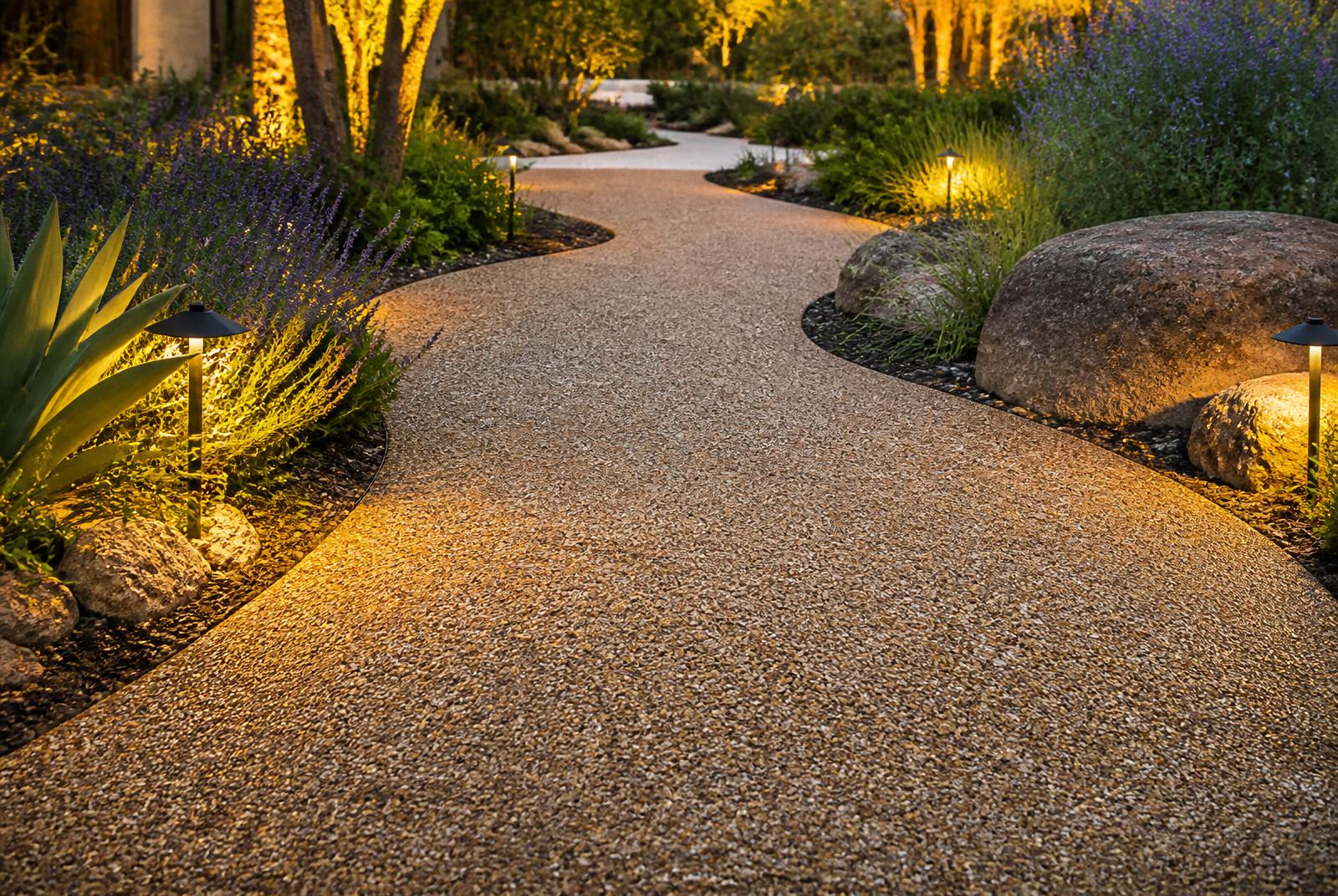

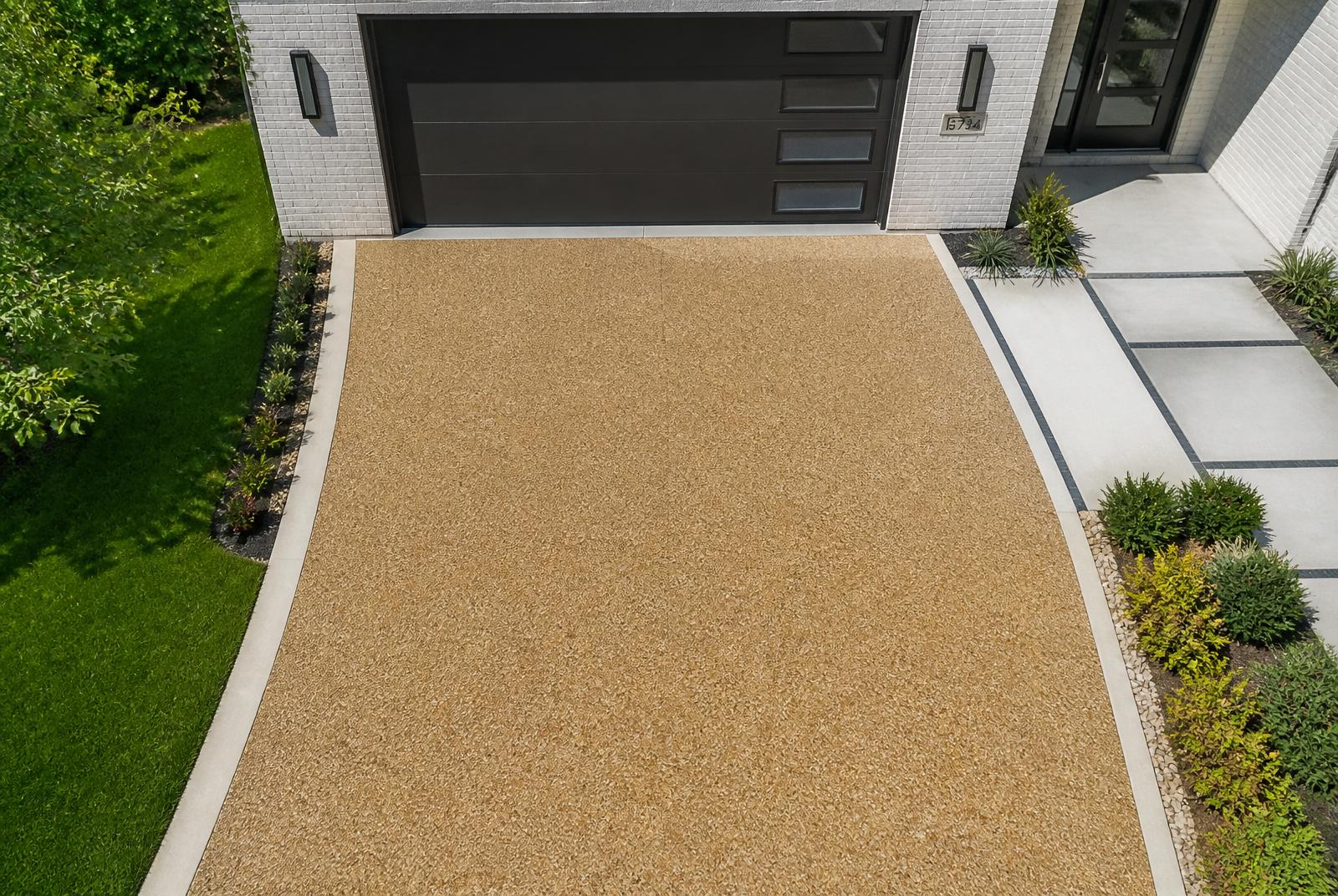
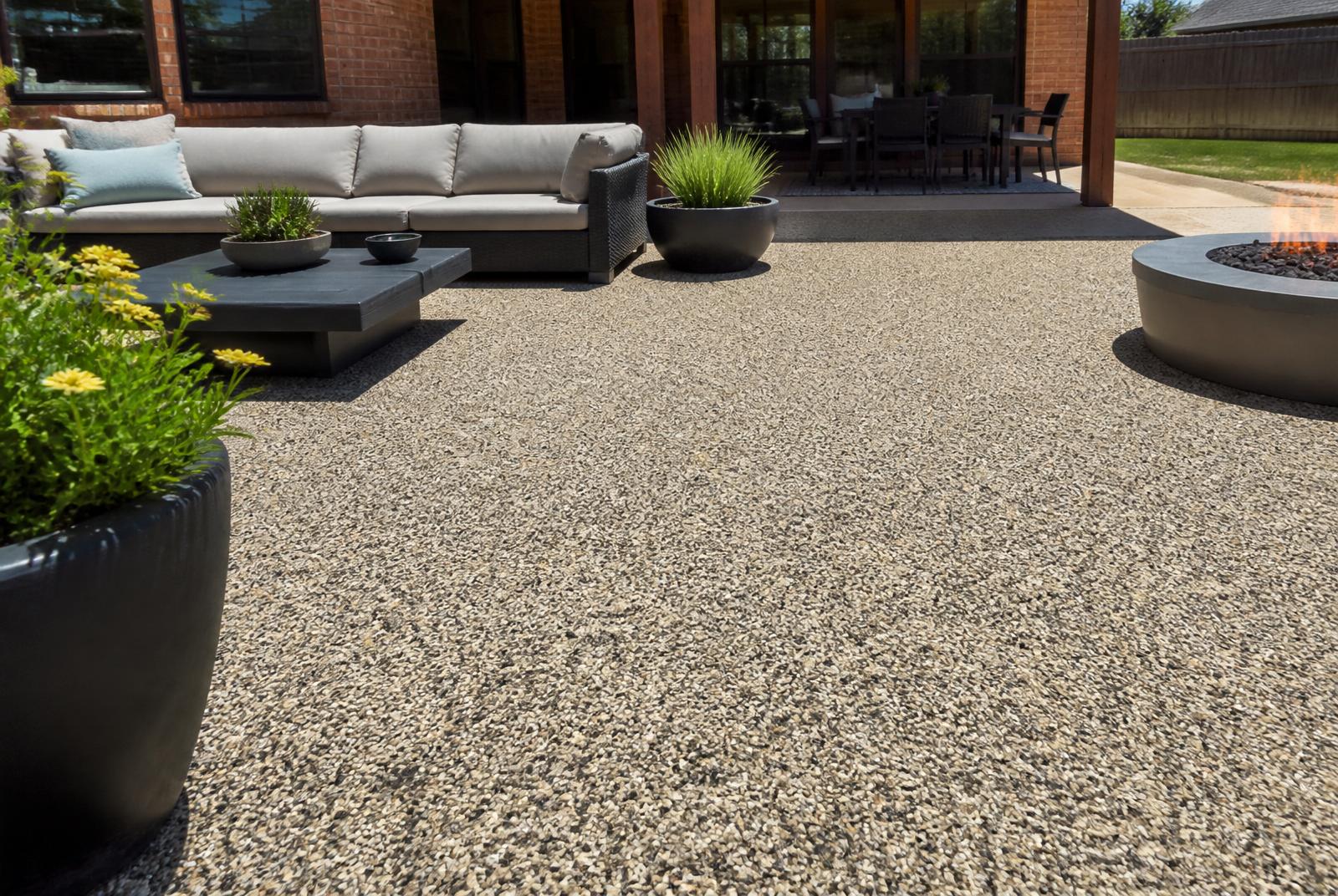
In Fort Worth, Texas, you generally do need a permit if your permeable paver driveway project alters the curb cut, changes the driveway approach within the public right-of-way (ROW), or expands the hardscape footprint on your lot. The City of Fort Worth Development Services Department regulates driveway construction and flatwork to safeguard city stormwater infrastructure, maintain proper street drainage, and protect utility corridors.
Even though permeable interlocking concrete pavers (PICP) reduce stormwater runoff compared to traditional poured concrete, Fort Worth still requires review whenever you connect to a municipal street or adjust on-site drainage patterns. If you are replacing an existing driveway purely within private property lines without expanding its dimensions or touching the apron, a formal ROW permit may not be triggered, but zoning setback and maximum lot coverage limits still apply. At Paverston, we navigate these municipal requirements and soil engineering challenges for homeowners across Fort Worth.
What this means for a DFW homeowner
Fort Worth spans diverse neighborhoods—from historic districts like Fairmount and Ryan Place to established communities like Tanglewood, Ridglea, Wedgwood, and fast-growing developments in Alliance and Far North Fort Worth. Local regulations differ depending on your location and neighborhood overlays:
- Right-of-Way (ROW) & Apron Permits: The apron—the section of driveway between your property line and the street curb—is owned by the city. Fort Worth requires a ROW permit for any modification, repair, or replacement of this apron or curb cut to ensure proper flare angles, thickness, and slope.
- Impervious Surface & Lot Coverage Limits: Fort Worth zoning codes limit the percentage of a residential lot that can be covered by hard surfaces. Permeable pavers can often help you satisfy these coverage ratios because they allow rainwater to filter directly into the ground rather than running off into city gutters.
- Historic Overlay Districts: If you live in a designated Fort Worth Historic District (such as Fairmount or Mistletoe Heights), all exterior driveway modifications require a Certificate of Appropriateness (COA) from the Historic and Cultural Landmarks Commission before installation begins.
- HOA Regulations: Beyond city permits, master-planned communities in Fort Worth (like Crawford Farms or Heritage) usually require Architectural Review Committee (ARC) approval before replacing a driveway with pavers.
Best surface or material options for this project
Permeable paver driveways require specialized materials designed to withstand vehicular weight while facilitating vertical water infiltration:
- Permeable Interlocking Concrete Pavers (PICP): These thick, heavy-duty concrete units feature engineered spacer lugs that create uniform, wide joints (typically 1/4 inch to 3/8 inch). Rainwater drains instantly through these joints into an underground aggregate reservoir.
- High-Load Vehicle-Grade Pavers: Driveways require units with a minimum compressive strength of 8,000 PSI and a minimum thickness of 80mm (3.15 inches) to handle heavy trucks, delivery vehicles, and daily commuter vehicles without cracking.
- Granular Joint Infill: Instead of polymeric sand or fine masonry sand—which seals joints—permeable driveways use clean, washed aggregate (such as #8 or #89 granite or basalt stone) to fill the gaps between pavers.
- Textured and Earth-Tone Surfaces: Permeable pavers come in a variety of smooth, tumbled, or textured finishes that complement Fort Worth architecture, from classic red brick styles to contemporary slate tones.
Base prep, drainage, and North Texas soil details
Installing a driveway in Fort Worth requires deep preparation due to the region's aggressive expansive black clay soil. Clay expands dramatically when wet and shrinks during hot DFW summers, exerting severe hydro-static pressure that easily destroys poorly prepared driveways.
For a permeable paver driveway, standard crushed limestone base (flex base) cannot be used because fine particles trap water and prevent infiltration. Instead, Paverston installs an open-graded aggregate reservoir base engineered specifically for North Texas conditions:
- Deep Excavation: Driveway excavation reaches 10 to 16 inches below grade, depending on subgrade strength and vehicle load expectations.
- Heavy-Duty Non-Woven Geotextile Fabric: We line the excavated clay trench with high-performance geotextile fabric. This prevents surrounding clay from migrating upward into your clean stone reservoir while allowing water to pass through.
- Sub-Base (AASHTO No. 2 or No. 57 Stone): A 6 to 10-inch layer of clean, open-graded crushed stone (#57 or #2) provides structural support and serves as a temporary underground holding tank for stormwater.
- Bedding Layer (AASHTO No. 8 Stone): A 2-inch leveling layer of clean #8 stone is installed on top of the sub-base to set the pavers perfectly flat.
- Edge Restraints: Heavy-duty concrete edge restraints or heavy steel edging pinned deep into the ground prevent edge spreading under vehicular turning loads.
Cost guidance in Dallas–Fort Worth
Permeable paver driveways require deeper excavation and specialized clean aggregate than traditional paver driveways. In the Fort Worth market, all paver installations start at $20/sq ft, with driveway work ranging from $22 to $38 per square foot installed depending on site accessibility, paver selection, and sub-base depth. Demo and removal of existing concrete driveways add $6 to $12 per square foot.
| Project Component | Estimated Cost Range (DFW Market) |
|---|---|
| Standard Driveway Paver Installation | $22 – $38 per sq. ft. |
| Permeable Aggregate Sub-Base Upgrade | Included in permeable driveway scope |
| Existing Concrete Removal & Haul-Off | $6 – $12 per sq. ft. |
| Existing Paver Removal | $4 – $8 per sq. ft. |
| Travertine / Natural Stone Driveway Upgrade | +25% to +40% over standard pavers |
| Complex Herringbone or Custom Patterns | +15% to +25% labor adjustment |
| Fort Worth ROW / Driveway Permit Fees | $100 – $350 (typical city fee range) |
Note: Paverston maintains a minimum pricing structure starting at $20/sq ft installed for all DFW projects.
What to look for in photos or during a site visit
When reviewing paver driveway portfolios or inspecting past work around Fort Worth, pay close attention to structural and finishing details:
- Apron Transitions: Check how smoothly the paver driveway connects to the asphalt or concrete street curb. The transition should be seamless without a lip that catches tires.
- Joint Filling: Look at the wide joints. In permeable installations, you should see uniform clean stone chips rather than swept sand or empty gaps.
- Linear Alignment: Inspect long joint lines along the driveway length. Lines should remain razor-straight under high load, indicating precise installation and locking.
- Edge Restraint Integration: Ensure borders are backed by hidden concrete curbs or heavy-duty restraint systems that keep perimeter stones tightly bound.
Paverston recommendation
If you are planning a permeable paver driveway in Fort Worth, start by determining whether your project modifies the street curb cut or city apron. Working with an experienced local contractor ensures that your site plan meets City of Fort Worth Development Services requirements, respects setback lines, and accounts for North Texas clay soil expansion.
At Paverston, we handle the technical engineering, aggregate reservoir layering, and permit submission steps so your driveway stands up to high heat, heavy downpours, and heavy vehicular loads for decades. Contact our Fort Worth installation team today at 214-228-1011 or visit our Contact Page to schedule your site evaluation and receive a detailed quote.
Related questions
Do permeable pavers help me meet Fort Worth lot coverage rules?
Yes. Fort Worth zoning codes limit maximum lot coverage for single-family homes. Because permeable pavers allow water to filter through wide aggregate joints into an underground reservoir, city reviewers often count them favorably compared to standard poured concrete, helping you stay compliant with runoff and coverage guidelines.
Can permeable pavers handle heavy pickup trucks and SUVs?
Yes, provided they are 80mm (3.15 inches) thick and installed over a properly compacted open-graded aggregate base. Paverston uses vehicle-grade pavers designed to support loaded full-size trucks, SUVs, and delivery vans without shifting or rutting.
How do you maintain a permeable paver driveway in DFW?
Permeable driveways require periodic maintenance to clear dirt, leaves, and debris from the aggregate joints. Vacuum sweeping or gentle power washing once every 1–2 years keeps the joints open, and topping off the joint stone (#8 aggregate) maintains full joint interlock.
How long does it take to pull a driveway permit in Fort Worth?
Driveway and right-of-way (ROW) permit approvals through Fort Worth Development Services typically take between 5 to 15 business days, depending on whether historic overlays or special drainage plan reviews are required for your property.