

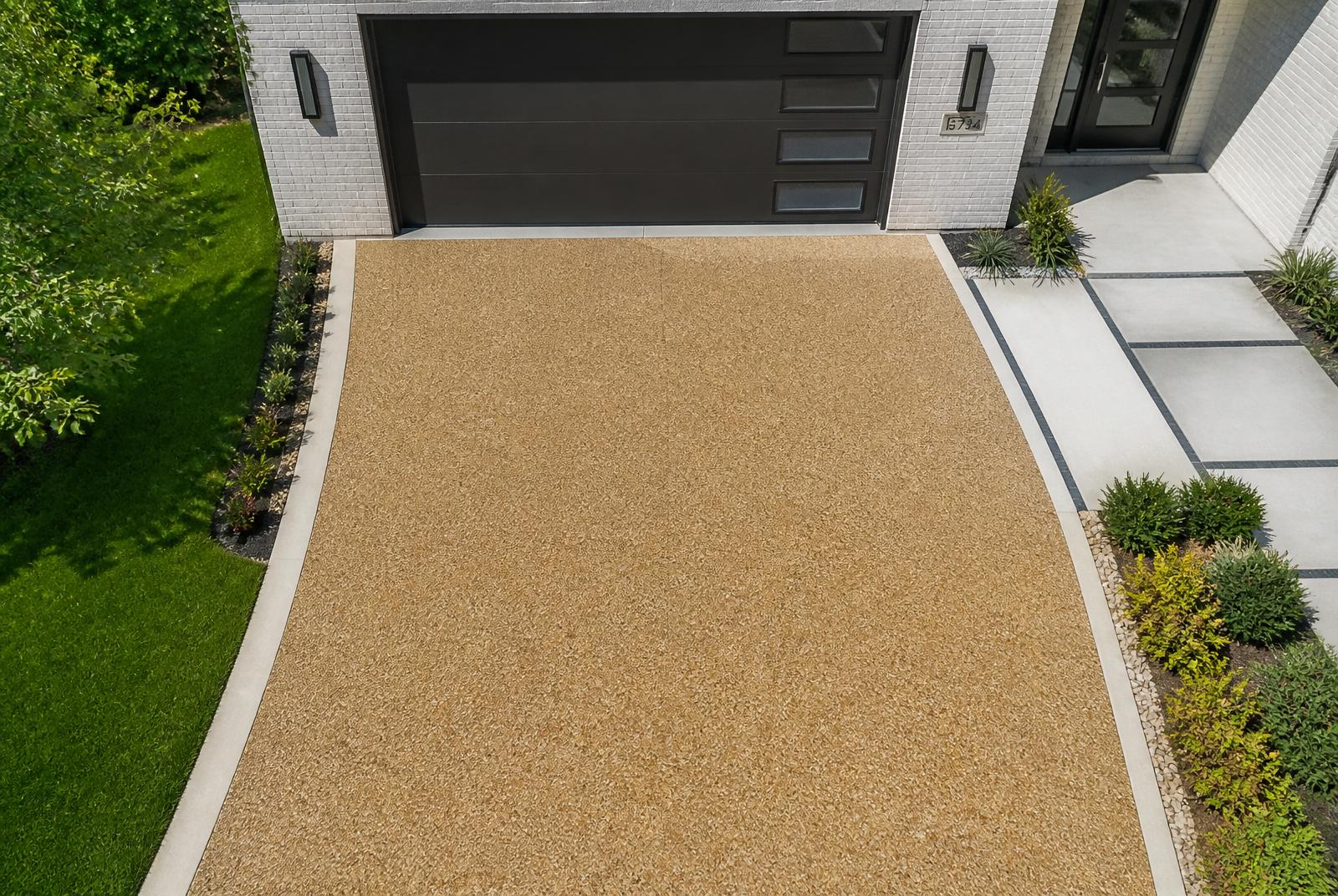
In Plano, extending your driveway with pavers almost always requires two distinct approvals: a permit from the City of Plano if you alter the curb apron, change drainage flow, or approach property line setbacks, and formal written approval from your Homeowners Association (HOA). The city focuses on structural integrity, storm runoff, and zoning codes, while your HOA regulates aesthetics, material selection, and neighborhood uniformity.
At Paverston, we help Plano homeowners navigate both municipal requirements and HOA Architectural Review Committees (ARCs). Skipping either step can result in stop-work notices from city inspectors, hefty HOA fines, or forced teardowns. Here is a clear breakdown of how permitting, HOA rules, costs, and construction standards apply to your driveway paver extension in Plano.
What this means for a DFW homeowner
Expanding your driveway—whether for additional vehicle parking, an RV pad, or improved turn-around space—changes how water moves across your lot and how your home interacts with city infrastructure.
City of Plano Permitting Rules
The City of Plano Engineering and Building Inspections departments require permits whenever hardscaping impacts public right-of-way or alters site drainage. Key city rules include:
- Right-of-Way (ROW) & Aprons: If your paver extension connects directly to the street curb or modifies the existing concrete apron, a Right-of-Way permit is mandatory.
- Setbacks and Property Lines: Plano zoning ordinances typically prohibit expanding hardscapes directly up to the side property line. Most residential zones require a minimum setback (often 3 to 5 feet) to prevent water runoff onto adjacent properties.
- Maximum Lot Coverage: Plano limits the total percentage of a lot covered by impervious surfaces (home footprint, existing driveway, patios). If your addition pushes your lot over the city threshold, engineered permeable pavers may be required.
Plano HOA Architectural Control Committees
Most Plano neighborhoods—such as Willow Bend, Deerfield, Kings Ridge, and Hunters Glen—have active HOAs with strict covenants. Before breaking ground, you must submit an ARC application that includes:
- A scaled site plan showing property lines, existing structures, and proposed paver dimensions.
- Samples or spec sheets showing paver color, texture, shape, and pattern.
- Details on how the paver extension transitions into the existing concrete or asphalt driveway.
Best surface or material options for this project
Driveways handle vehicle weights ranging from standard sedans to heavy SUVs and pickup trucks. Selecting the right driveway-grade paver ensures your extension will not crack, rut, or shift under daily load.
- Interlocking Concrete Pavers (Standard Driveway Grade): The most popular and reliable choice for Plano driveway extensions. Minimum thickness for vehicular traffic is 80mm (3.15 inches). They offer compressive strengths exceeding 8,000 PSI, making them far stronger than standard poured concrete.
- Permeable Interlocking Concrete Pavers (PICP): Designed with wider, aggregate-filled joints that allow rainwater to filter directly into the ground base. Permeable pavers are an excellent solution in Plano neighborhoods with strict lot coverage limits or severe runoff restrictions.
- Border & Accent Pavers: Using contrasting paver colors or soldier-course borders creates a intentional design transition between your existing concrete driveway and the new paver expansion.
Note: Thin 30mm or 40mm patio pavers, natural travertine, and unreinforced clay brick are not suitable for vehicular driveway extensions and will crack under heavy wheel loads.
Base prep, drainage, and North Texas soil details
Plano rests on North Texas Blackland Prairie clay soil—an expansive clay known for drastic shrinking and swelling during DFW's freeze-thaw cycles and extreme summer heat. A driveway extension built without proper sub-base prep will quickly develop sunken tire ruts and edge separation.
Essential Sub-Base Construction Steps
- Deep Excavation: We excavate the installation area 10 to 12 inches deep to remove unstable topsoil and organic matter.
- Geotextile Stabilization Fabric: A woven geotextile fabric is laid over the clay subgrade to prevent the sub-base gravel from sinking into the shifting clay over time.
- Flexbase Foundation: We install a 6-to-8-inch base of crushed stone (TXDOT Flexbase or crushed concrete), compacted in 2-inch lifts using heavy plate compactors to achieve 98% density.
- Bedding Sand Layer: A uniform 1-inch layer of concrete sand provides a leveling bed for the 80mm pavers.
- Polymeric Joint Sand & Edge Restraints: High-performance polymeric sand seals the joints to block weed growth, while heavy-duty concrete or aluminum edge restraints prevent lateral paver movement.
Slope and Stormwater Management
Plano receives intense sudden downpours. Driveway extensions must be pitched at a minimum 1/4 inch per foot away from garage doors and house foundations, directing water safely toward designated drainage swales or the street.
Cost guidance in Dallas–Fort Worth
Driveway paver extensions in Plano are priced per square foot based on excavation requirements, access, paver material, and demo of existing soil or concrete. Below is standard baseline pricing for the DFW market:
| Project Component | Estimated Cost Range (Installed) |
|---|---|
| Standard Interlocking Paver Extension (80mm) | $22 – $38 / sq ft |
| Permeable Paver Extension System | $26 – $42 / sq ft |
| Existing Soil / Grass Excavation & Removal | Included in base rate |
| Existing Concrete Demolition & Disposal | +$6 – $12 / sq ft |
| Existing Paver Demolition & Haul-off | +$4 – $8 / sq ft |
| City Permitting & ARC Plan Preparation | $250 – $600 (flat fee typical) |
Note: Paverston maintains a absolute minimum project baseline of $20/sq ft for all hardscape installations. Intricate patterns, custom border ribbons, or steep slope grading add 15% to 25% to base unit costs.
What to look for in photos or during a site visit
When reviewing past work from DFW driveway contractors or inspecting job sites, watch for these indicator details:
- Seamless Transition Joint: The joint where the new paver extension meets existing concrete should be flush, tight, and neat, without ragged cut lines or wide gaps.
- Crisp Perimeter Edges: Border pavers (soldier course) should follow clean straight lines or continuous smooth curves, backed by submerged edge restraints.
- Zero Standing Water: Look at photos taken after rain; there should be no pooling along the garage foundation or driveway edges.
- Uniform Pattern & Alignment: Joint lines in herringbone or running bond patterns should stay completely straight across the entire width of the driveway extension.
Paverston recommendation
Do not start excavating a driveway extension in Plano until you have written ARC approval from your HOA and confirmed your city permit status. Paverston provides detailed project site maps, paver specs, and drainage profiles required for smooth HOA submittals and city reviews.
Our installation crews build every driveway extension to withstand Plano’s demanding clay soil with heavy-duty aggregate bases and 80mm commercial-grade pavers.
Ready to expand your driveway space? Call Paverston today at 214-228-1011 or visit our contact page to schedule an on-site consultation and get an exact quote.
Related questions
How long does HOA approval take for a driveway extension in Plano?
Most Plano HOA Architectural Review Committees process submittals within 14 to 30 days. Providing complete site plans, paver color samples, and drainage details during initial submission prevents review delays.
Can I extend my driveway all the way to my property line in Plano?
No. City of Plano zoning codes generally require a side setback (typically 3 to 5 feet depending on your specific residential zoning district) between hardscaped driveways and neighboring property lines to manage stormwater runoff.
Will permeable pavers help pass Plano lot coverage restrictions?
Yes. If your property is near the maximum allowable impervious surface limit set by the city, permeable interlocking concrete pavers allow water to infiltrate into the ground base and can often be excluded from impervious coverage totals.
What happens if I build a driveway extension without a permit or HOA approval?
If caught, the City of Plano can issue a stop-work order and impose daily fines until a retroactive permit is approved. Your HOA can issue fines and legally compel you to remove the unapproved hardscape at your own expense.