In Plano, TX, concrete pavers should generally be resealed every 3 to 5 years to protect the paver surface and lock polymeric sand firmly in place. High-traffic surfaces like driveways or pool decks exposed to intense, unshaded North Texas sunlight may require maintenance closer to the 3-year mark, whereas covered patios or shaded walkways can often stretch to 5 years.
At Paverston, we recommend using a specialized joint-stabilizing sealer. Unlike basic topical sealers, joint-stabilizing formulas penetrate the top layer of the polymeric sand, creating a durable adhesive bond that prevents joint erosion, stops weed growth, and protects your hardscape during heavy Collin County rainstorms.
What this means for a DFW homeowner
Plano experiences some of the most aggressive weather swings in the Dallas–Fort Worth metroplex. Between 100°F+ summer heat waves and intense seasonal deluges, unsealed hardscapes take a severe beating. High UV exposure breaks down the chemical polymers and additives inside polymeric sand over time, causing it to loosen, turn brittle, and revert to loose sand particles.
Once the polymeric sand loses its structural binder, sudden torrential rain downpours can wash the sand right out of the joints. Furthermore, Plano sits on deep, expansive Blackland Prairie clay soil. As the moisture content in the ground swells and shrinks, pavers undergo subtle micro-movements. A high-quality joint-stabilizing sealer reinforces the polymeric sand, providing the flexible strength needed to withstand both soil shifting and weather exposure without cracking out of the joints.
Best surface or material options for this project
When maintenance or installation time arrives in Plano, choosing the correct combination of sand and sealing agent is critical to long-term success:
- High-Performance Polymeric Sand: Select premium commercial-grade polymeric sands (such as Alliance Gator Maxx or Techniseal NextGel) designed specifically for wide or narrow joints. These blends contain high-grade polymers that resist washout even in heavy DFW rains.
- Joint-Stabilizing Liquid Sealers: Ensure you choose a sealer labeled explicitly as a "joint stabilizer." These sealers act as a liquid binder that cures inside the sand joints to harden the surface sand grains into a durable barrier.
- Water-Based Acrylic Sealers: Ideal for homeowners looking for a low-VOC, breathable option. They enhance natural paver color, resist yellowing under Plano sun, and allow moisture vapor to escape from the soil below.
- Solvent-Based Acrylic Sealers: Excellent for deep color enhancement and a rich wet-look finish. They offer superior UV resistance and strong joint stabilization, though they require precise surface dryness during application.
Base prep, drainage, and North Texas soil details
Polymeric sand and sealer are only as good as the foundation beneath them. In Plano, expansive clay soils swell dramatically when wet and contract when dry. If your hardscape base holds standing water or settles unevenly, polymeric sand will fail rapidly regardless of how frequently you seal it.
Proper base preparation for any Plano hardscape project requires:
- Subgrade Excavation: Removing soft topsoil down to stable clay subgrade.
- Crushed Aggregate Flexbase: Installing 4 to 8 inches of compacted aggregate (such as TXDOT Crushed Concrete or Flexbase) compacted in 2-inch lifts to resist soil movement.
- Bedding Sand Layer: A crisp 1-inch layer of sharp, angular concrete sand to set pavers evenly.
- Positive Pitch & Drainage: Pitching the patio, driveway, or pool deck at least 1/8 to 1/4 inch per foot away from home foundations to prevent pooled water from softening joint sand.
- Compaction & Activation: Mechanically compacting the pavers into the bedding sand, sweeping polymeric sand deep into joints, vibrating it down, and misting it precisely according to manufacturer standards before sealing.
Cost guidance in Dallas–Fort Worth
For maintenance services in Plano, clean-and-seal treatments—which include pressure washing, joint sand top-off or re-sanding, and a joint-stabilizing sealer application—typically cost between $1.50 and $3.50 per square foot depending on the level of deep cleaning and joint restoration required.
If you are installing a new hardscape or replacing an old poured concrete slab in the DFW area, complete professional installation pricing starts at $20 per square foot installed.
| Hardscape Service Type | Typical DFW Price Range (Installed) | Key Notes for Plano Homeowners |
| :--- | :--- | :--- |
| Paver Patios | $20 – $32 / sq ft | Standard concrete paver installation including excavation, base prep, sand, and edge restraint. |
| Paver Driveways | $22 – $38 / sq ft | Requires an 8" minimum crushed stone base to handle heavy vehicular loads on shifting clay. |
| Pool Decks | $26 – $44 / sq ft | Includes slip-resistant texturing, copings, and drainage integration around pool coping. |
| Walkways & Pathways | $20 – $32 / sq ft | Ideal for side-yard transitions and garden paths built to divert drainage. |
| Travertine / Porcelain Upgrade | +25% to +40% over standard | Natural stone and porcelain pavers requiring specialized wet-setting or specialized sand. |
| Concrete Removal (Demo) | +$6 to +$12 / sq ft | Demolition and haul-away of existing cracked concrete slabs or old walkways. |
| Existing Paver Removal | +$4 to +$8 / sq ft | Lifting, cleaning, or disposing of old failing paver surfaces. |
What to look for in photos or during a site visit
When evaluating existing paver installations on a site visit or looking through contractor project photos in Plano, pay close attention to these indicators of healthy or failing joint sand:
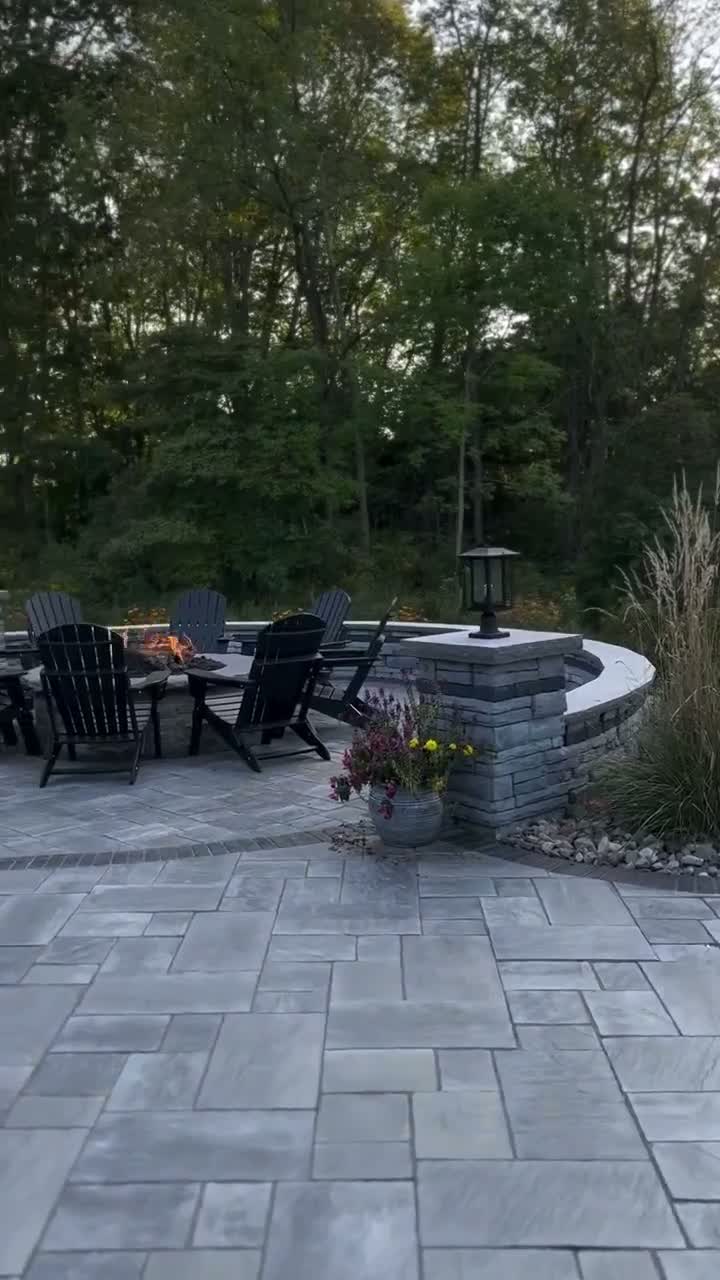
- Patio & Walkway Photos: Check joint lines near roof driplines or downspouts. If sand is missing, eroded, or grooved out, the area was either never sealed with a joint stabilizer or is overdue for maintenance.
- Driveway Site Visits: Look for tire track areas. Vehicle weight combined with unsealed joint sand creates loose grit on top of pavers, signaling that the polymeric binder has broken down.
- Pool Deck Visuals: Check for weed growth or ant mounds emerging between paver joints. Healthy joint-stabilized sand forms a cement-like crust that blocks organic growth completely.
- Surface Haze: Look for white, cloudy films (efflorescence or trapped moisture). This indicates sealer was applied over damp sand or uncleaned concrete pavers.
Paverston recommendation
To maximize the life of your hardscape in Plano, schedule a routine visual inspection of your paver joints every spring. If you notice sand washing away after heavy rains or see fine cracks forming in the joints, it is time for a maintenance refresh. Wash the hardscape thoroughly, replace any lost polymeric sand, allow the surface to dry completely for 24–48 hours, and apply a premium breathable joint-stabilizing sealer.
Whether you need your existing hardscape professionally restored or want to build a custom patio, driveway, or pool deck from scratch, Paverston is here to deliver durable North Texas craftsmanship.
Contact Paverston today at 214-228-1011 or visit /contact to request a free, on-site consultation and hardscape estimate in Plano, TX.
Related questions
Can you apply sealer immediately after installing new polymeric sand?
No. Polymeric sand must be properly hydrated and allowed to fully cure (typically 24 to 48 hours depending on humidity and heat) before applying any sealer. Sealing wet or damp polymeric sand will trap moisture, turning the sealer cloudy or white.
How do I know if my polymeric sand needs to be replaced instead of just resealed?
If the joint sand is soft, squishy, washed out more than 1/4 inch below the paver bevel, or infested with established weeds, it must be pressure-washed out completely and re-installed before sealing. Resealing over degraded, dirt-filled sand will not restore structural bond.
Does high summer heat in Plano affect sealer application?
Yes. You should never seal pavers in Plano when surface temperatures exceed 90°F or in direct mid-day summer sun. Extreme heat causes liquid sealers to flash off and dry too rapidly on the surface, preventing deep penetration into the polymeric sand and leaving streak marks.
Will joint-stabilizing sealer make my pavers slippery around a pool?
Not if chosen correctly. For pool decks and wet areas, use a breathable water-based sealer with a matte or low-gloss finish, or add a non-slip micronized polymer additive into the sealer to ensure safe, slip-resistant traction underfoot.