
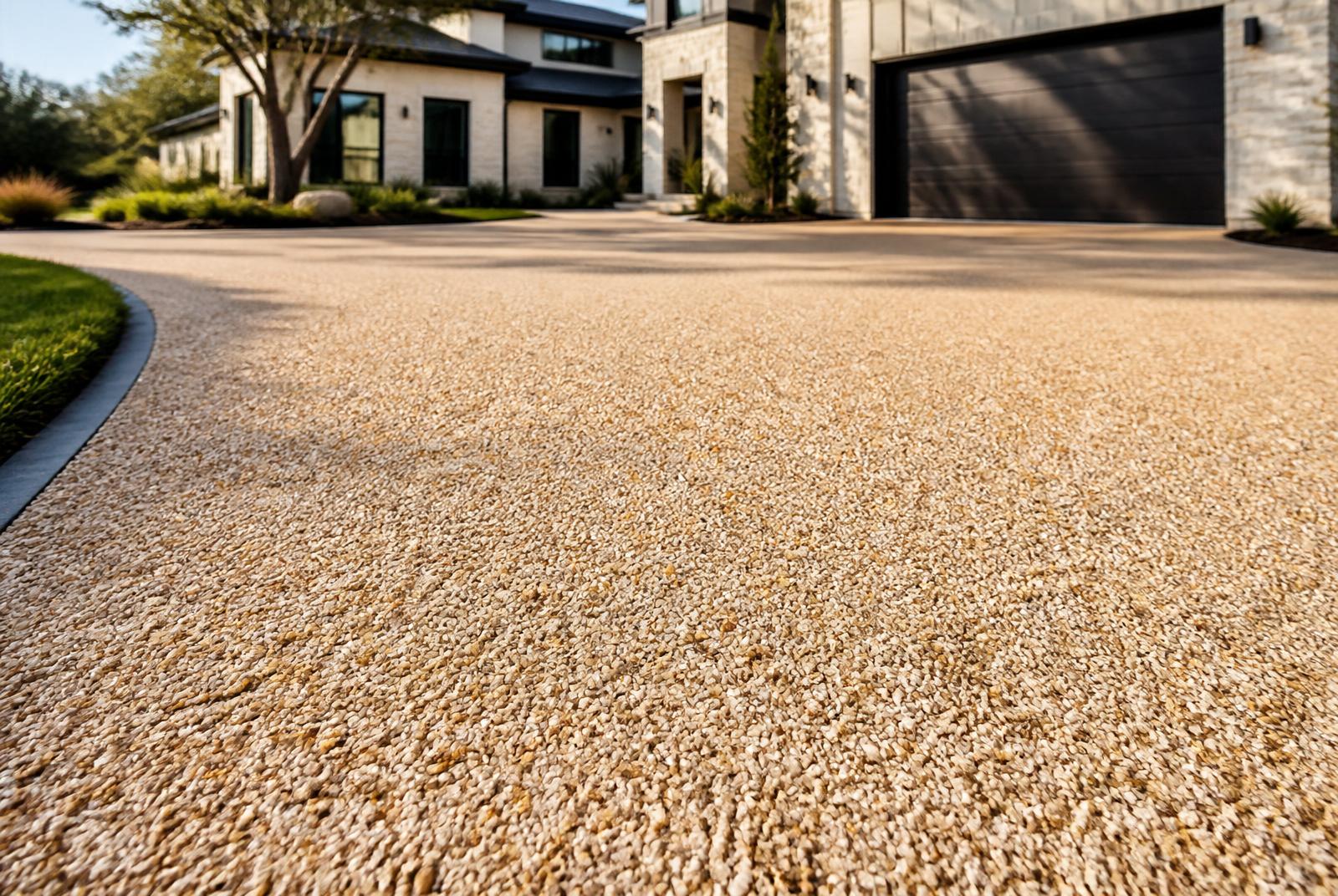
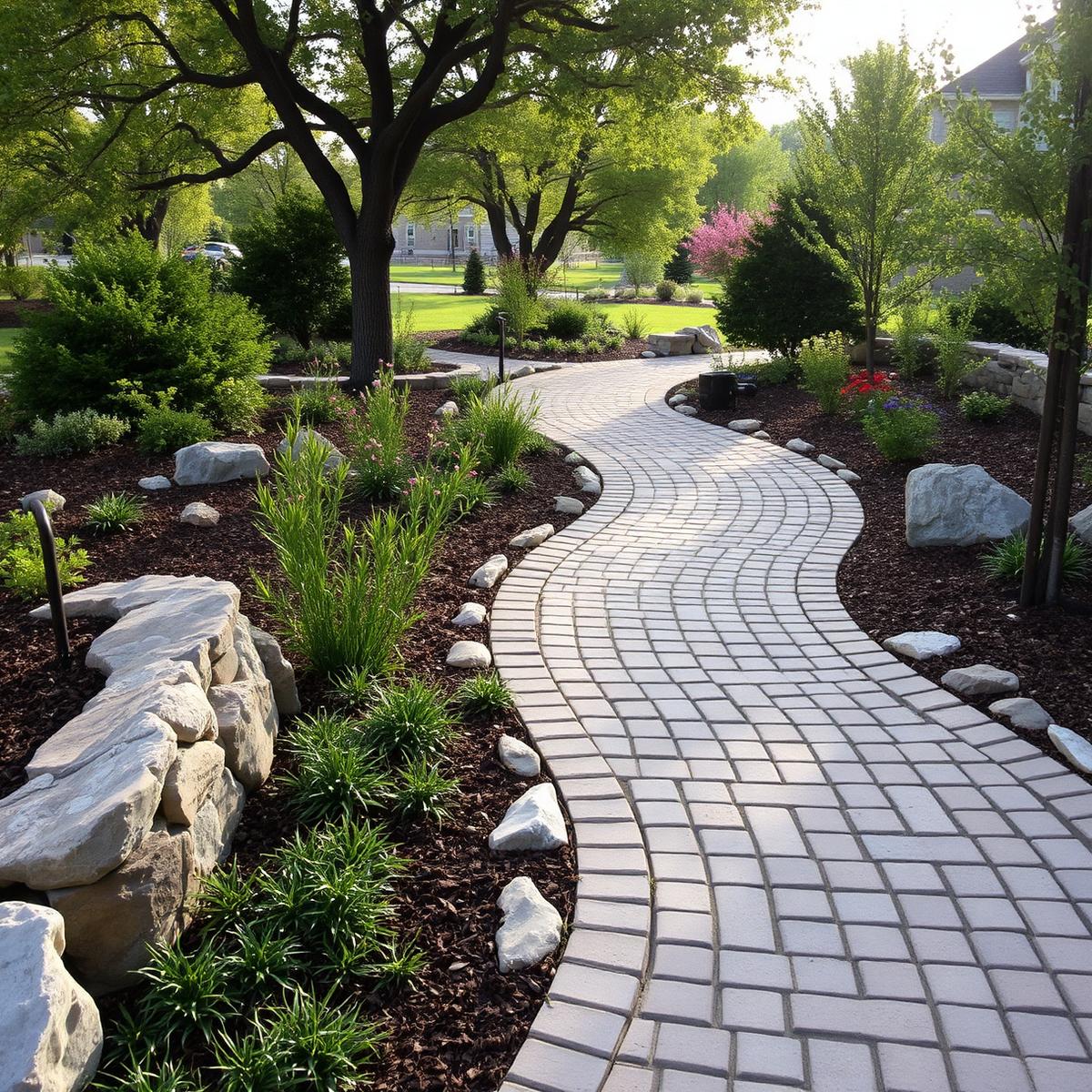
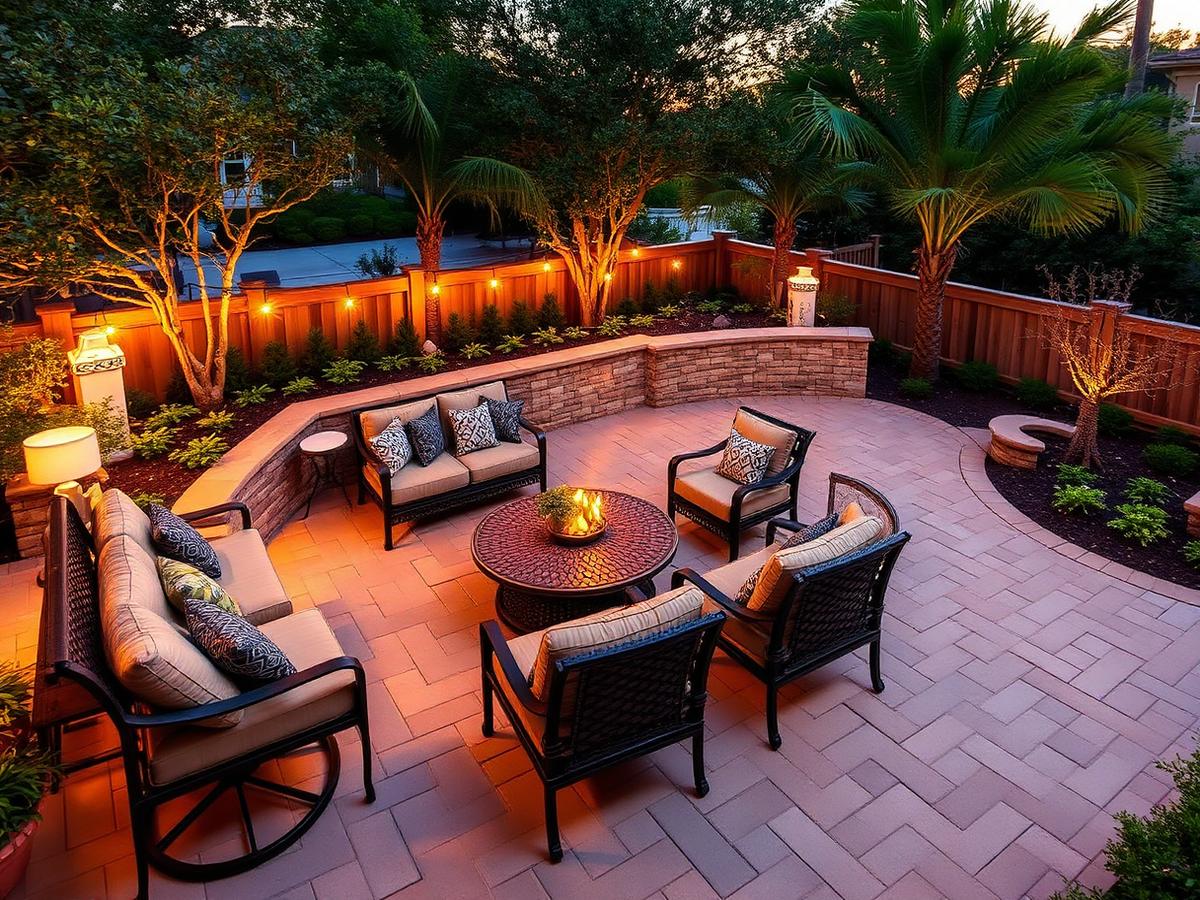
In Fort Worth, concrete pavers should be thoroughly cleaned and resealed every 3 to 5 years. However, high-traffic driveways exposed to frequent automotive oils and south-facing pool decks enduring intense, unfiltered North Texas sun often require maintenance every 2 to 3 years to maintain peak protection and color vitality.
At Paverston, we recommend an annual pressure wash with an eco-friendly surface cleaner, accompanied by periodic application of a premium, UV-resistant sealer. Proper sealing stabilizes your joint sand, blocks deep penetration of motor oil, and locks in the concrete pigments before the intense summer heat causes permanent bleaching.
What this means for a DFW homeowner
Fort Worth experiences over 230 sunny days per year, with summer temperatures routinely staying above 100°F for weeks. Unprotected concrete pavers absorb solar radiation, which oxidizes the surface pigments and leads to noticeable color fading within just a few seasons.
Additionally, vehicle leaks on driveways pose a major threat. Unsealed concrete acts like a dense sponge. Motor oil, transmission fluid, and tire marks sink deep into the concrete's microscopic pores, turning minor spills into dark, permanent stains. A proper sealing regime keeps fluids sitting on top of the surface, allowing you to wipe or hose them away before damage occurs.
Finally, the expansive clay soil unique to Tarrant and surrounding counties causes constant micro-movements in your hardscape. Unsealed, loose joint sand easily washes out during spring thunderstorms, leaving gaps where weeds take root and pavers begin to shift. Sealing solidifies the joint sand, creating a durable shield against erosion and weed intrusion.
Best surface or material options for this project
Selecting the right sealer format depends on the aesthetic finish you desire and the specific function of the paved surface:
- Solvent-Based Acrylic Sealers (Wet-Look or Semi-Gloss): Ideal for driveways and decorative patios where rich color enhancement is desired. Acrylic sealers form a protective film on top of the paver, offering superior UV stability and maximum resistance against motor oil and grease penetration.
- Water-Based Acrylic Sealers (Natural to Satin Finish): A low-VOC, eco-friendly option that provides excellent UV protection without adding high shine. These sealers penetrate well and work exceptionally around pool decks where slip resistance is critical.
- Penetrating Silane/Siloxane Sealers (Invisible Barrier): Best for homeowners who want complete protection against water, oil, and salt without altering the natural, original look or texture of the concrete paver.
- Polymeric Joint Sand Stabilizers: When resealing, replacing washed-out sand with high-performance polymeric sand locks pavers tightly together, preventing weed growth and ant hills across Fort Worth properties.
Base prep, drainage, and North Texas soil details
No cleaning or sealing job will perform well if the underlying base and drainage systems are compromised. Fort Worth's heavy clay soil retains significant moisture, expanding when wet and contracting during dry summer dry spells. This cyclic movement stresses paver joints.
Before any sealer application, the surface must undergo a complete restoration process:
- Deep Extraction: Removing surface dirt, algae, efflorescence (white salt deposits), and embedded oil using specialized hot-water pressure equipment and targeted bio-degradable degreasers.
- Joint Sand Replenishment: Washing out contaminated soil or old, degraded sand, followed by sweeping kiln-dried joint sand or polymeric sand back into the gaps to proper depth (1/8 inch below the paver bevel).
- Moisture Testing: Allowing the surface to dry completely for 24 to 48 hours. Applying sealer over damp North Texas clay sub-bases can trap moisture beneath the acrylic film, causing a cloudy, white haze (blistering).
Proper slope and drainage channels must be clear to ensure stormwater flows off the sealed surface rather than pooling along foundation lines.
Cost guidance in Dallas–Fort Worth
Professional paver cleaning, joint re-sanding, and sealer application in Fort Worth typically ranges between $1.50 and $3.50 per square foot depending on the level of oil stain treatment and sand replacement needed. If your hardscape requires full reconstruction, paver additions, or original installation, reference our baseline pricing below:
| Service / Surface Type | Average Cost Range (Installed / Serviced) | Key Considerations |
| :--- | :--- | :--- |
| Paver Cleaning, Sanding & Sealing | $1.50 – $3.50 / sq. ft. | Deep pressure wash, stain treatment, sand top-off, high-solids sealer. |
| Paver Patio Installation | $20.00 – $32.00 / sq. ft. | Concrete pavers, full base excavating, crushed rock base, edge restraints. |
| Paver Driveway Installation | $22.00 – $38.00 / sq. ft. | Heavy vehicular grade base prep (8"-10" depth), high PSI concrete pavers. |
| Paver Pool Deck Installation | $26.00 – $44.00 / sq. ft. | Non-slip textures, coping, specialized drainage integration. |
| Walkways & Pathways | $20.00 – $32.00 / sq. ft. | Custom borders, gentle slopes, pedestrian base thickness. |
| Demo: Existing Concrete Removal | +$6.00 – $12.00 / sq. ft. | Haul away old cracked concrete pads prior to paver installation. |
| Demo: Existing Paver Removal | +$4.00 – $8.00 / sq. ft. | Unstacking, base re-grading, or haul off of old pavers. |
Note: Travertine or porcelain upgrades add 25%–40% to installation bases. Complex lay patterns add 15%–25% in labor. Paverston maintains a $20/sq ft structural minimum for all new paver installations.
What to look for in photos or during a site visit
When inspecting your Fort Worth paver driveway, patio, or pool deck to see if it is time for a professional cleaning and sealing service, look closely for these visual signs:
- Water Absorption Test: Splash water onto the pavers. If the water immediately darkens the concrete and soaks in, the previous sealer has worn off. If water beads up, the sealant layer is still intact.
- Faded Surface Aggregate: Concrete pavers where the top layer looks dull, grayed, or pitted compared to shaded edges show significant UV wear.
- Dark Motor Oil Rings: Dark, shaded rings under vehicle parking spots indicating oil is penetrating deep into unsealed pores.
- Empty or Weedy Joints: Gaps between pavers filled with dirt, grass, or missing sand, which signal joint erosion.
- Efflorescence Haze: White, powdery mineral deposits migrating up through the paver body from the wet clay subgrade beneath.
Paverston recommendation
For Fort Worth homeowners, maintaining a strict 3-to-5-year cleaning and sealing cycle is the single most cost-effective way to preserve your hardscape investment. High-traffic driveways exposed to oil drips should be inspected and sealed every 2 to 3 years using a solvent-based, UV-stable sealer with embedded non-slip aggregates.
Our team at Paverston provides comprehensive hardscape restoration, joint stabilization, and custom paver installations tailored specifically to North Texas soil and climate conditions. Protect your curb appeal before UV oxidation and fluid stains become permanent.
To schedule a free on-site evaluation and detailed quote in Fort Worth, contact Paverston today at 214-228-1011 or visit our /contact page.
Related questions
Can you seal brand-new concrete paver installations immediately in Fort Worth?
No, brand-new concrete pavers should cure for 60 to 90 days before sealing. This allows naturally occurring efflorescence salts inside the fresh concrete to migrate to the surface and wash away, preventing trapped haze under the sealer.
How do you clean oil stains off concrete pavers before sealing?
Oil stains must be treated with a specialized heavy-duty industrial degreaser or poultice cleaner designed for concrete. The cleaner draws embedded oils out from the pores before pressure washing and sealer application.
Will sealing pavers make my driveway or pool deck slippery?
Not when applied correctly. For wet areas like pool decks or steep driveways, we mix micro-polymer anti-skid additives into the sealer to maintain traction without compromising the protective finish.
What happens if you don't seal concrete pavers in North Texas?
Unsealed pavers in North Texas experience rapid UV fading, joint sand erosion, stubborn stain absorption from oil and organic debris, and higher susceptibility to shifting caused by moisture entering the base.