
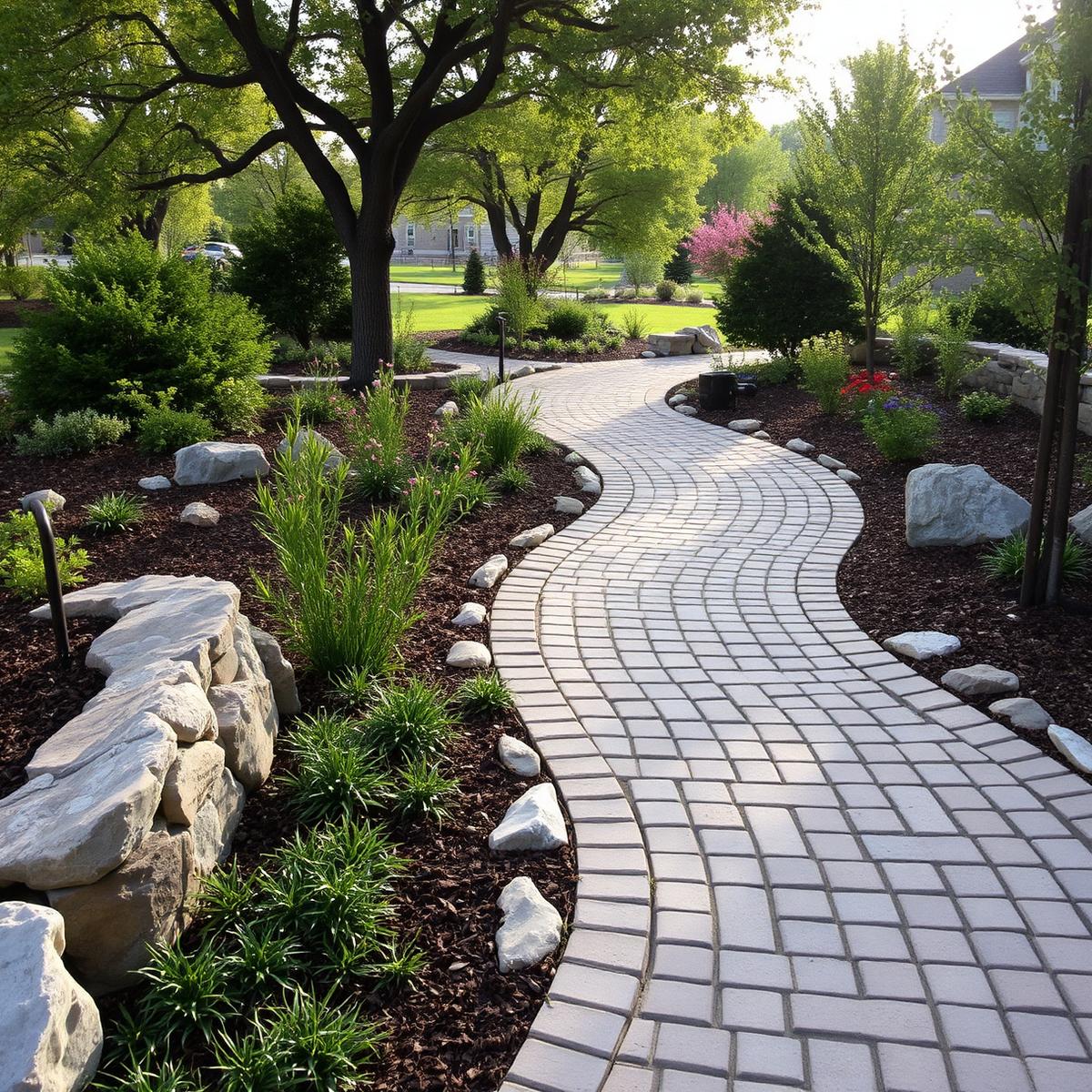
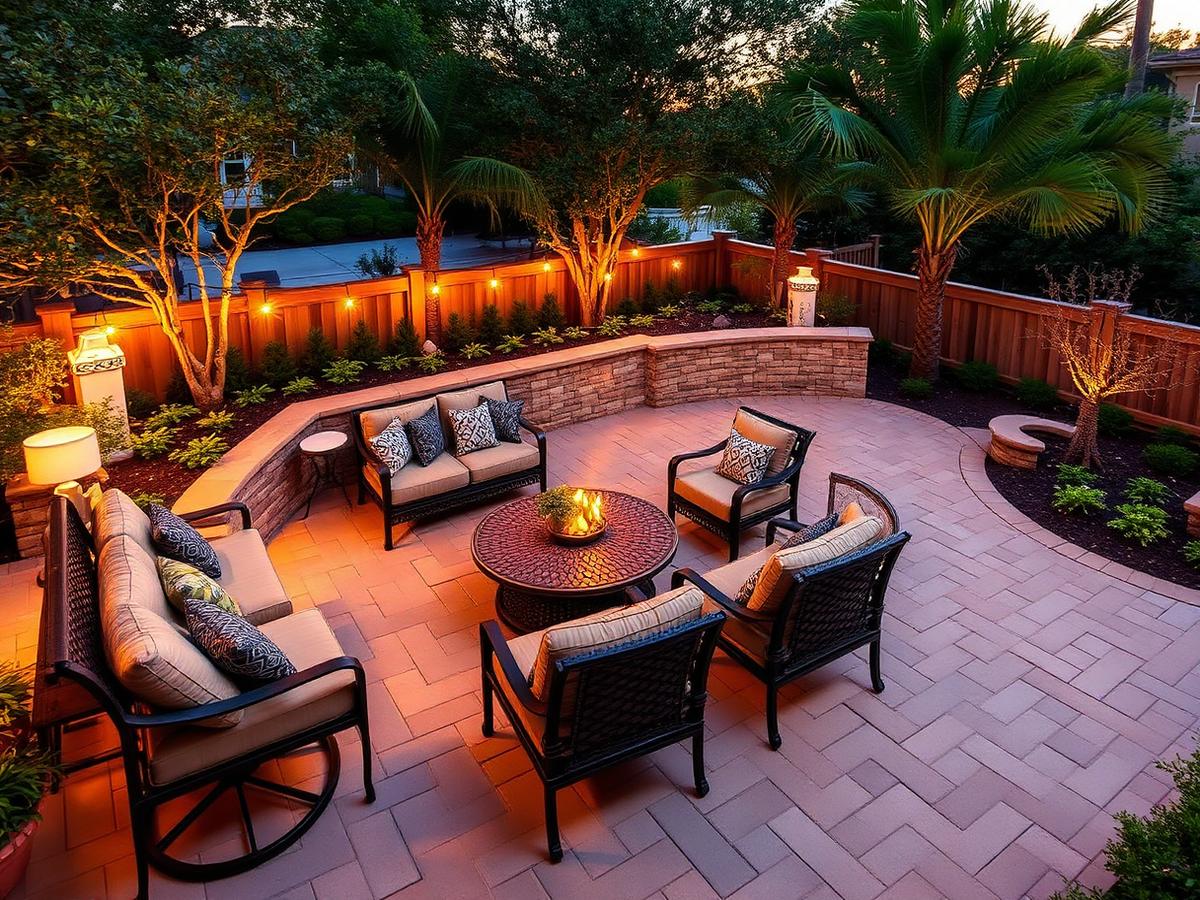
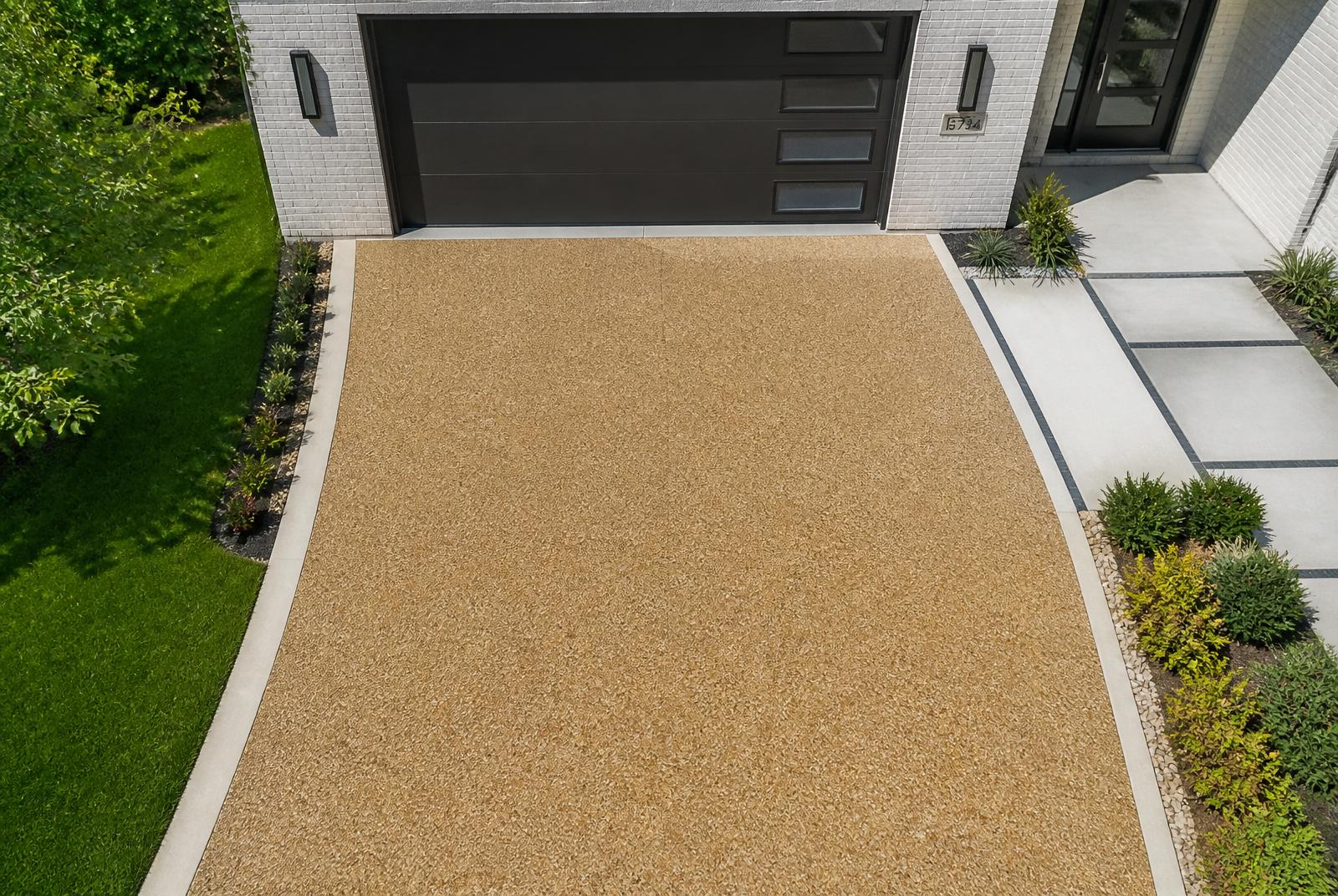
Yes, in almost all Fort Worth homeowners associations, you need HOA Architectural Control Committee (ACC) approval before starting a paver walkway extension. Whether you are adding a side path from your driveway to the backyard gate in Alliance or expanding a front entry walkway in Heritage, HOAs strictly regulate visible exterior modifications to protect property values and neighborhood aesthetics.
At Paverston, we frequently guide Fort Worth homeowners through the ACC submittal process. Providing your HOA board with detailed site plans, material specifications, and product samples before digging ensures a seamless approval process and protects your investment from costly fines or mandatory modifications later.
What this means for a DFW homeowner
Fort Worth neighborhood covenants are designed to maintain architectural harmony and proper storm run-off management across development tracts. When planning a walkway extension, your HOA's primary concerns center on visibility from the street, material consistency with the home's brick or stone trim, and potential interference with drainage easements.
Submitting an ACC application before work begins requires a site plan (often drawn directly onto your property survey) showing exact dimensions, set-back distances from property lines, and color samples of the chosen pavers. Approval windows typically range from 14 to 30 days depending on whether your board meets monthly or uses a digital management company like FirstService Residential or Spectrum Association Management. Starting construction before receiving formal written approval can lead to daily fines, stop-work orders, or demands to remove the hardscape entirely.
Best surface or material options for this project
To pass HOA review quickly in Fort Worth, your choice of paver material should complement the home's exterior palette. Most North Texas ACC guidelines require earth-toned, natural aesthetics that blend with surrounding brick, Austin stone, or chopped stone masonry.
- Interlocking Concrete Pavers: The most popular choice for Fort Worth walkway extensions. High-density concrete pavers offer immense structural durability, resist cracking during soil shifts, and come in subtle blend tones (such as tan, charcoal, brown, and limestone gray) that meet standard HOA design guidelines.
- Natural Travertine Pavers: Ideal for premium front entries or side passages leading to pool decks. Travertine stays cool under the Texas summer sun, provides non-slip texture, and offers an elevated natural stone look that high-end master-planned communities frequently approve.
- Porcelain Pavers: Highly resistant to staining, modern, and non-porous. Porcelain works well in contemporary Fort Worth developments, though some traditional HOAs may require specific earth-tone color selections.
- Flagstone or Slate Accents: Often approved for rustic or Tuscan-inspired architectural themes, provided the stone is set over a proper compacted aggregate base rather than loose sand.
Base prep, drainage, and North Texas soil details
Fort Worth is built over expansive black clay soil (often referred to as 'Houston Black' clay). This soil expands dramatically when wet and shrinks during dry DFW summers, placing extreme hydraulic tension on any surface installed above it. Poured concrete walkways frequently crack across these fault lines within a few seasons, which is why interlocking paver systems are superior—they flex with minor ground movements without cracking.
However, a paver walkway extension will only perform as well as its base preparation. At Paverston, our installation process for Fort Worth clay soils includes:
- Deep Excavation: Digging out 8 to 10 inches of native clay soil to eliminate sub-surface organic material.
- Geotextile Fabric: Installing a heavy-duty woven geotextile fabric between the raw clay base and the crushed stone. This prevents the stone base from sinking into soft wet clay over time.
- Sub-Base Compaction: Laying 4 to 6 inches of dense-graded crushed limestone (flex base), compacted in layers to 98% density.
- Bedding Sand & Polymeric Sand: Setting pavers over a 1-inch uniform bedding sand layer, followed by sweeping polymeric sand into the joints. Polymeric sand locks the pavers together, prevents weed growth, and resists erosion from heavy North Texas thunderstorms.
- Slope and Drainage: Pitching the walkway away from your home's foundation at a minimum 1/4 inch per foot slope to protect your foundation and stay compliant with Fort Worth storm drainage guidelines.
Cost guidance in Dallas–Fort Worth
Paver walkway extensions in Fort Worth generally range from $20 to $32 per square foot for standard concrete paver installations, including full excavation, base build-up, and joint sand finish. Premium materials or complex site conditions will adjust the total investment. Paverston maintains a $20/sq ft absolute minimum for all installed paver projects.
| Walkway Extension Service / Material | Typical Cost (per sq. ft. installed) | Key Considerations |
| :--- | :--- | :--- |
| Standard Concrete Paver Walkway | $20 – $32 | Includes excavation, fabric, flex base, pavers, and polymeric sand. |
| Travertine or Porcelain Upgrade | $26 – $40 | Adds natural stone or high-end porcelain aesthetics (+25–40% material premium). |
| Existing Concrete Demolition & Haul | +$6 – $12 | Required if removing an old narrow walkway before extending. |
| Existing Paver Demolition / Reset | +$4 – $8 | Removal and disposal of damaged existing pavers. |
| Complex Patterns (Herringbone/Inlays) | +15% – 25% | Requires extra border cutting and detailed masonry layout labor. |
What to look for in photos or during a site visit
When reviewing existing walkway photos or walking your property with a Paverston estimator, focus on how the extension integrates with your home's structure and property lines:
- Lot Lines and Utility Clearances: Look at your property survey map. Walkways extending into side yards must respect neighborhood setback rules and avoid blocking access to gas/electric meters or 811 underground utility lines.
- Grade Transitions: Observe how the proposed path meets existing surfaces like driveways, back patios, or air conditioner pads. Transitions should be smooth, flush, and trip-free.
- Drainage Flow: Look at existing downspouts. If roof runoff pours directly onto the proposed walkway path, underground catch basins or channel drains must be integrated into the design before pavers are laid.
- Edge Restraints: Check that edge restraints (heavy-duty plastic or concrete bond beams) are specified along lawn borders to prevent pavers from shifting outward into flowerbeds or turf.
Paverston recommendation
If you live in a Fort Worth HOA community, do not skip the ACC submittal process. Paverston provides full support for your HOA application: we furnish digital spec sheets, detailed surface measurements, and material color samples so your board gets everything they need on the first review.
We recommend selecting concrete or travertine pavers that match or complement the brick mortar or stone cladding on your home's facade. Contact Paverston today at 214-228-1011 or visit our /contact page to schedule a free site evaluation and obtain an accurate, turn-key estimate for your walkway extension project.
Related questions
How long does Fort Worth HOA approval usually take for a paver walkway?
Most Fort Worth HOAs process Architectural Control Committee applications within 14 to 30 days. Submitting a clear plot diagram showing exact walkway dimensions, along with paver manufacturer spec sheets, prevents back-and-forth delays and speeds up final sign-off.
What happens if I build a paver walkway extension without HOA approval in Fort Worth?
Building without approval can result in formal violation notices, daily fines added to your HOA account, and potential legal action. In severe cases, the HOA board can force you to remove the unapproved walkway at your own expense.
Do I need a City of Fort Worth permit for a residential paver walkway extension?
In most cases, standard ground-level paver walkway extensions on private residential property do not require a city building permit, provided they do not alter public sidewalk easements or encroach on city right-of-ways. However, HOA rules apply regardless of city permit exemptions.
Can my Fort Worth HOA dictate the color or pattern of my paver walkway?
Yes. HOAs have legal authority under community deed restrictions to approve or reject exterior colors, brick patterns, and border styles to ensure the modification remains harmonious with neighboring homes.