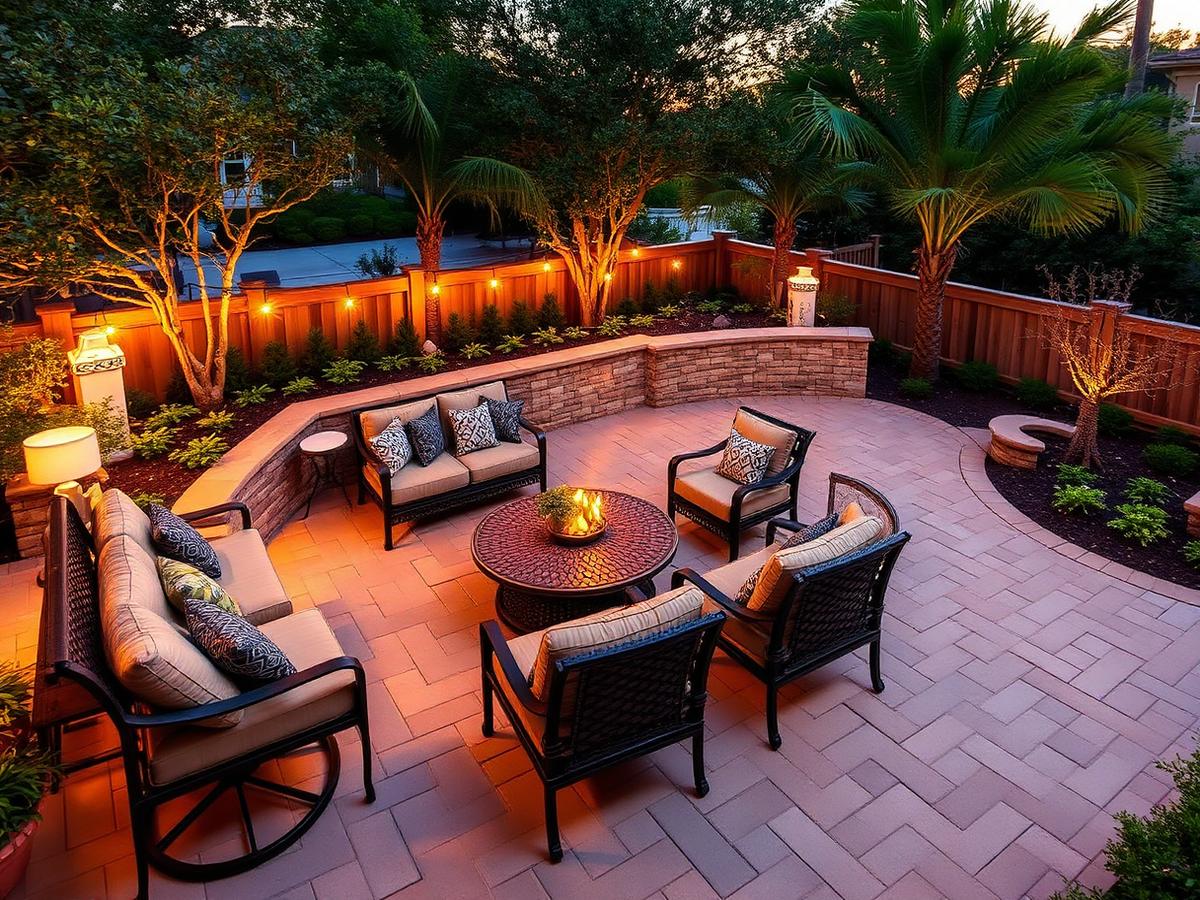
Yes, Architectural Review Committees (ARCs) across Frisco HOAs frequently favor and recommend permeable interlocking pavers to resolve severe backyard drainage, pooling, and property line runoff issues. Because Frisco municipal codes and subdivision covenants enforce strict maximum impervious surface coverage limits, traditional poured concrete patios or driveways can easily trigger compliance violations during heavy rain events.
Permeable paver systems capture rainfall where it falls, directing water downward through wide, aggregate-filled joints into an engineered sub-surface reservoir. At Paverston, we regularly design permeable patio, walkway, and driveway solutions that satisfy strict HOA aesthetic guidelines while actively mitigating North Texas drainage challenges.
What this means for a DFW homeowner
In high-density Frisco developments—such as Newman Village, Phillips Creek Ranch, Starwood, and Fields—zero-lot-line designs and tight property boundaries mean stormwater runoff quickly impacts neighboring yards. Standard concrete slabs force torrential downpours off the hardscape, pooling along fence lines or pushing water directly toward house foundations.
When a homeowner submits plans for a new outdoor living space or patio expansion, the HOA board evaluates how that surface alters stormwater flow. Traditional concrete is classified as 100% impervious. Permeable pavers, when built with an engineered crushed-stone sub-base, are designed to retain and filter stormwater on-site.
Choosing a permeable system gives Frisco homeowners three distinct advantages:
- Easier HOA Plan Approval: ARC boards look favorably on hardscape projects that eliminate neighbor runoff disputes and adhere to local surface drainage regulations.
- Foundation Protection: By managing water flow through controlled sub-surface drainage, standing water is directed safely away from expansive North Texas slab foundations.
- Maximizing Outdoor Living Footprints: Permeable options allow you to build larger patios or poolside entertaining spaces without breaching local impervious coverage caps.
Best surface or material options for this project
Not all permeable surfaces perform equally under North Texas climate extremes. For long-term performance and curb appeal, Paverston installs four primary permeable options:
- Permeable Interlocking Concrete Pavers (PICP): These units feature specialized joint tabs that create uniform 3/8-inch gaps. Filled with clear angular aggregate, they mimic classic brick or stone cobbles while absorbing up to 8 inches of rainfall per hour.
- Wide-Joint Natural Stone or Porcelain: Thick natural stone or porcelain pavers set over an open-graded aggregate base with crushed stone joint infill offer high-end luxury aesthetics with full permeability for backyard patios and pool decks.
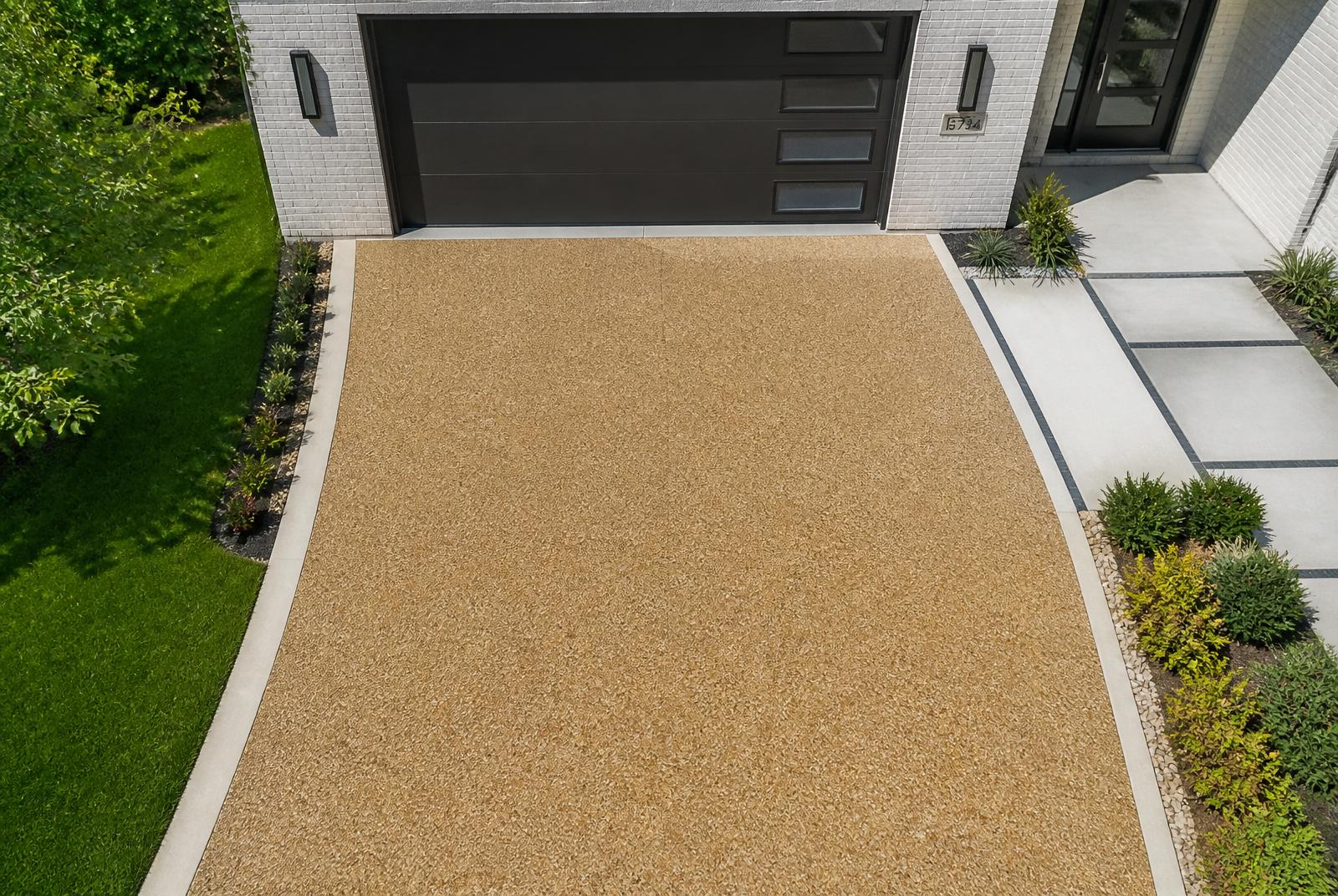
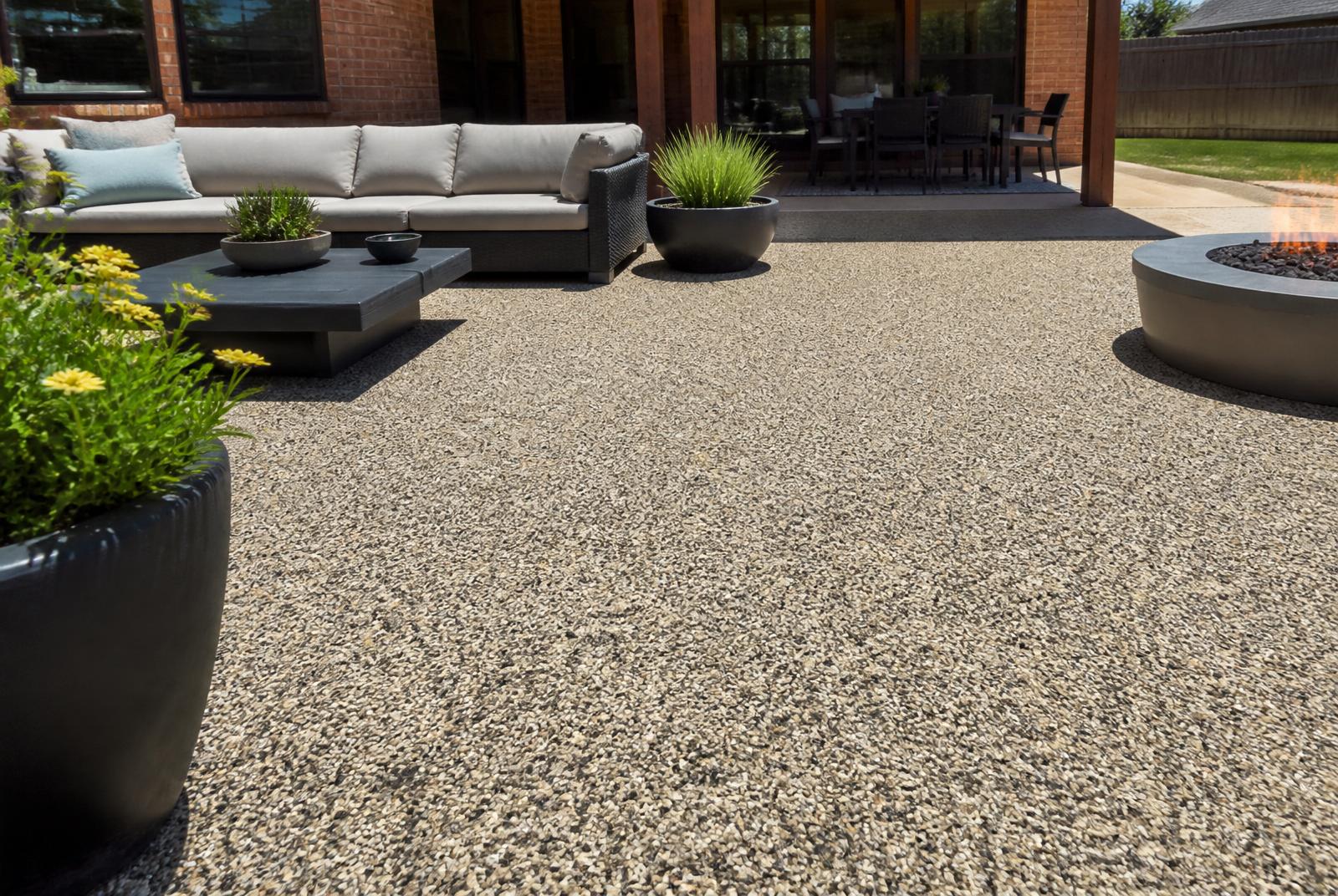
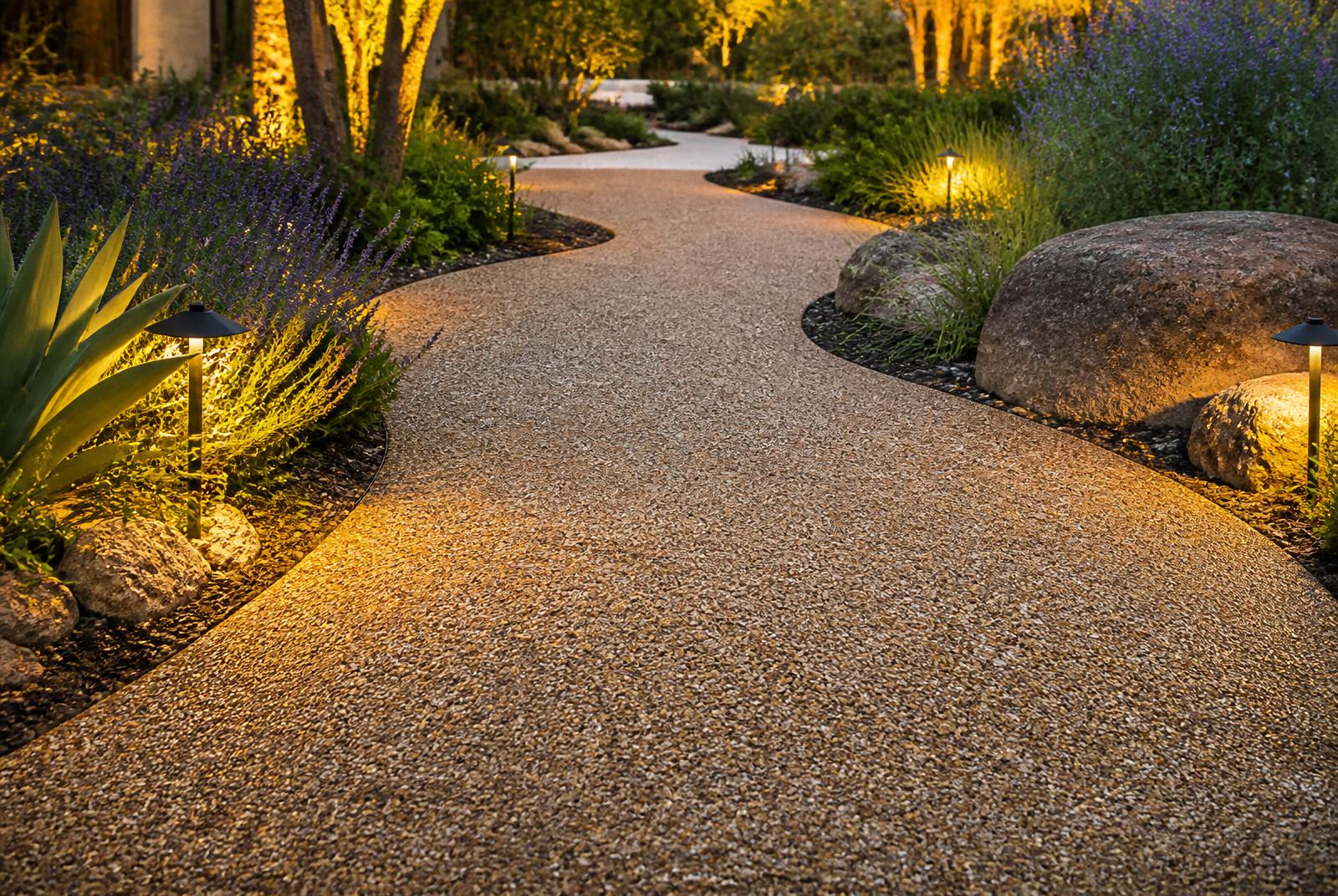
- Resin Bound Stone Systems: Natural gravel embedded in a clear polyurethane binder creates a smooth, continuous surface that allows water to pass straight through into the sub-grade. Excellent for modern walkways and patio accents.
- Turf and Grid Pavers: Open-cell concrete or heavy-duty polymer grids filled with turf or gravel are ideal for extra driveway parking pads or utility pathways, offering maximum water infiltration.
Base prep, drainage, and North Texas soil details
Standard paver construction uses flexbase dirt fines and bedding sand. In North Texas clay soil, this traditional method fails for drainage projects because wet clay swells, traps water, and creates an impermeable layer.
Permeable paver installation requires an open-graded aggregate system without fine dirt:
- Sub-Grade Excavation: We excavate 8 to 14 inches deep, depending on expected vehicular or pedestrian loads, pitching the sub-grade sloped away from the house at a minimum 2% grade.
- Geotextile Separation Fabric: A heavy-duty woven geotextile fabric lines the bottom and sides of the trench to keep expansive North Texas Blackland Prairie clay from churning up into the crushed stone base.
- Open-Graded Sub-Base Layer: We place 6 to 8 inches of ASTM No. 2 or No. 57 clean, washed crushed stone (3/4-inch to 1.5-inch single-size aggregate). This stone leaves roughly 40% open void space between rocks to act as an underground water storage vault.
- Bedding & Joint Infill: The pavers are set on 2 inches of ASTM No. 8 clean crushed aggregate, and the joint gaps are swept with the same No. 8 stone—never polymeric sand, which seals off permeability.
- Perforated Sub-Surface Underdrains: Because Frisco clay absorbs water very slowly, Paverston integrates perforated PVC underdrain pipes inside the aggregate base layer. Excess water collected in the base vault is safely directed to pop-up emitters in the front yard or connected to city storm lines if permitted.
Cost guidance in Dallas–Fort Worth
All professional paver installations in DFW start at a baseline of $20 per square foot installed. Permeable paver projects require specialized open-graded aggregates, deeper excavation, woven geotextiles, and optional integrated drainage lines, placing them in the following investment ranges:
| Project Type | Material Options | Typical Cost Range (Installed per Sq Ft) |
| :--- | :--- | :--- |
| Permeable Backyard Patio | Concrete PICP / Wide-Joint Stone | $22 – $34 |
| Permeable Driveway Extension | Heavy-Duty Concrete PICP | $25 – $40 |
| Permeable Walkway | Concrete PICP / Resin-Bound Stone | $22 – $34 |
| Pool Deck Permeable Surfacing | Wide-Joint Porcelain / PICP | $28 – $44 |
| Concrete Demolition & Removal | Existing Slab Prep | +$6 – $12 |
| Existing Paver Removal | Site Clearing | +$4 – $8 |
Note: Final pricing depends on site access, total square footage, excavation depth, and exact material choices. Complex patterns add 15–25% to labor costs.
What to look for in photos or during a site visit
When evaluating a contractor’s portfolio of permeable patio, driveway, or walkway work, pay close attention to specific construction details:
- Clean Joint Infill: Photos should clearly show small, clean gravel (No. 8 crushed stone) inside the joints, not fine sand or mortar.
- Integrated Drainage Features: Look for discreetly placed cleanout caps, smooth transitions to catch basins, or pop-up discharge valves installed away from foundation walls.
- Edge Restraint Quality: Heavy-duty concrete bond beams or spiked commercial edge restraints must be visible during the installation phase to prevent horizontal shifting over time.
- Elevation Management: The surface of the permeable pavers must sit flush or slightly higher than surrounding sod so heavy storm sheet flow drains into the joints rather than spilling mud onto the patio.
Paverston recommendation
If your Frisco HOA has flagged standing water issues or strict impervious lot coverage caps, Paverston recommends installing a custom-engineered Permeable Interlocking Concrete Paver (PICP) system built over an open-graded stone base.
We handle site evaluation, sub-surface drainage calculations, and complete architectural review submissions—including technical specifications, surface elevation drawings, and material samples required by your ARC.
Ready to eliminate backyard standing water and upgrade your outdoor living space? Call Paverston today at 214-228-1011 or visit our /contact page to schedule an on-site consultation with a DFW hardscape specialist.
Related questions
Do permeable pavers clog easily with North Texas clay mud?
Permeable paver joints can capture fine soil or organic debris over time if yard washouts occur. However, routine sweeping and an annual light vacuuming or high-volume power rinse clears the aggregate joints and maintains full absorption capacity for decades.
Do Frisco HOAs require an engineering plan for permeable paver installations?
Most Frisco HOAs require standard scale drawings, site photos, and product specifications for approval. If your property backs onto a city drainage easement or involves large retaining walls, Paverston can provide stamped engineering plans if required by your ARC or local city codes.
Can permeable pavers be installed directly over existing concrete?
No. Installing permeable pavers directly over solid concrete traps water between the surfaces, leading to system failure and pooling. Existing concrete must be demolished and hauled away (typically adding $6–$12 per sq ft) to allow proper excavation and open-graded aggregate installation.
Are permeable pavers strong enough for vehicle driveways in Frisco?
Yes. Engineered PICP units rated for driveway use can easily withstand heavy SUV and pickup truck traffic when installed over an 8- to 12-inch open-graded stone base. The interlocking design distributes heavy wheel loads evenly across the aggregate base.