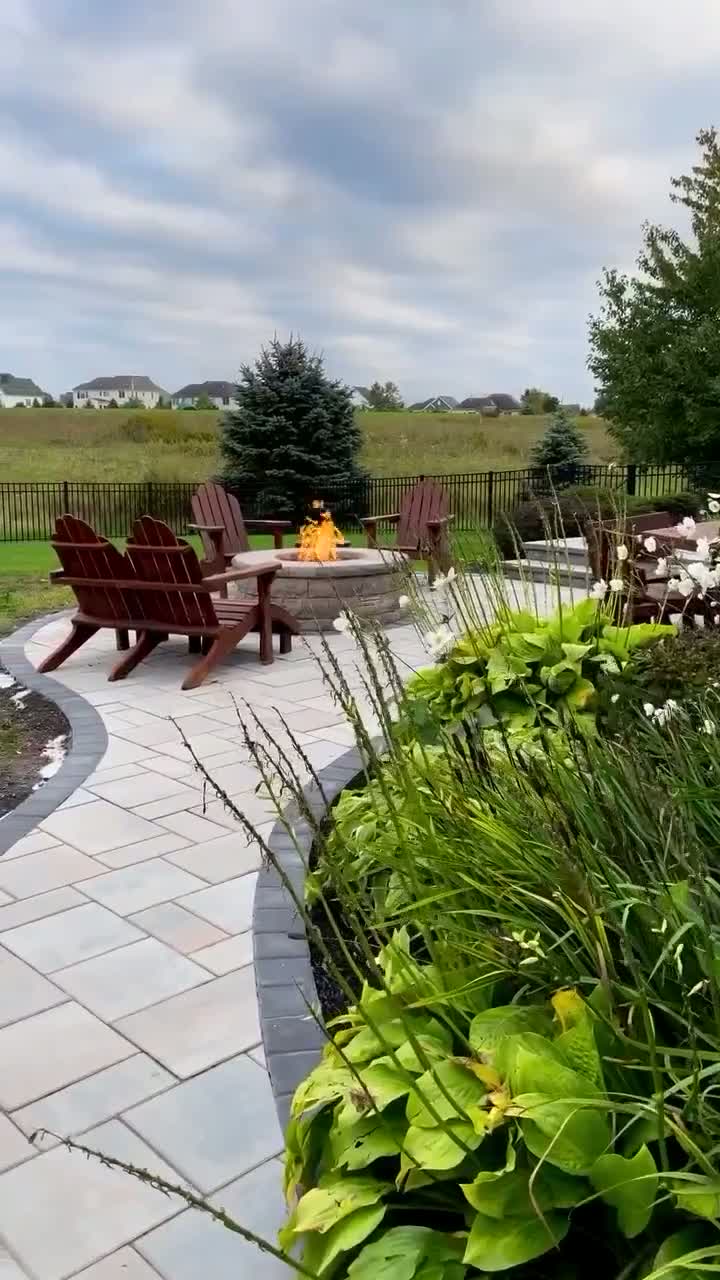
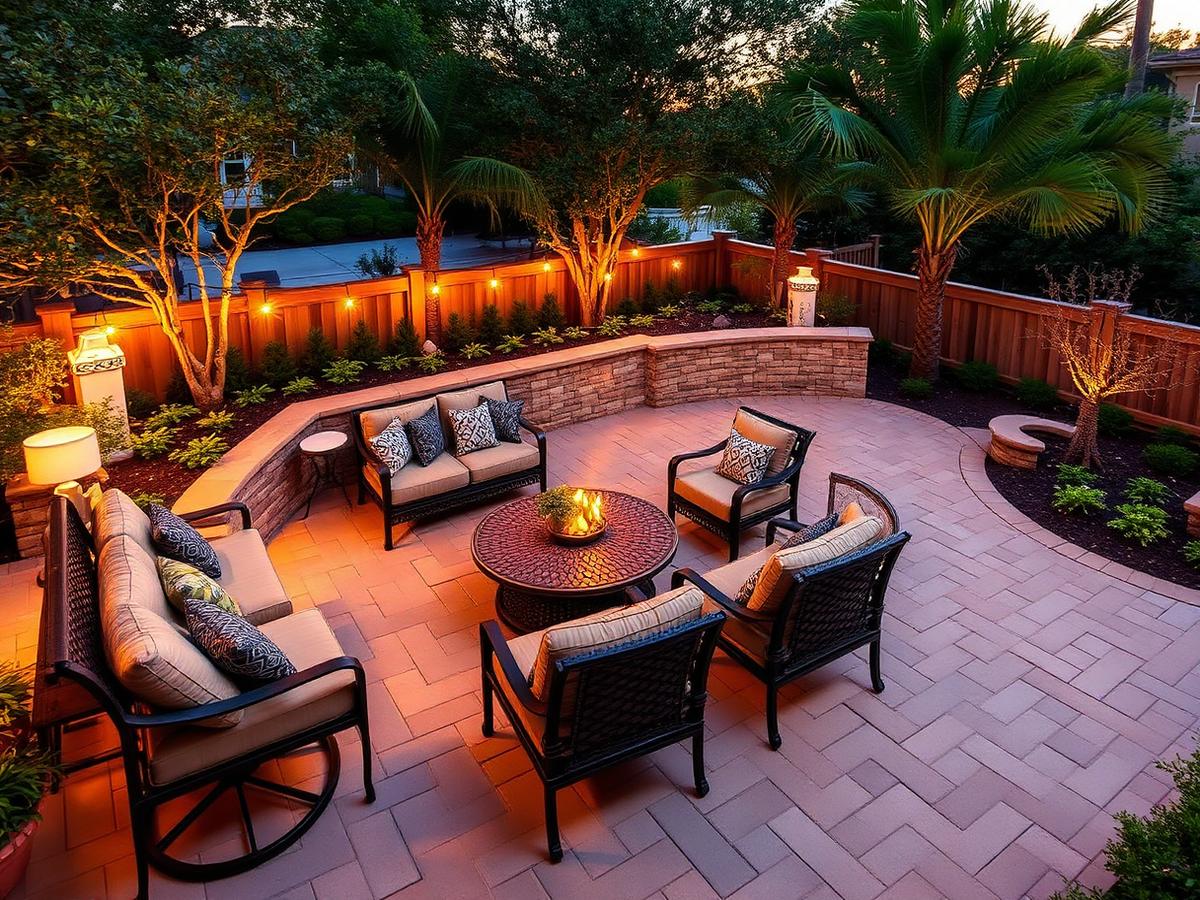
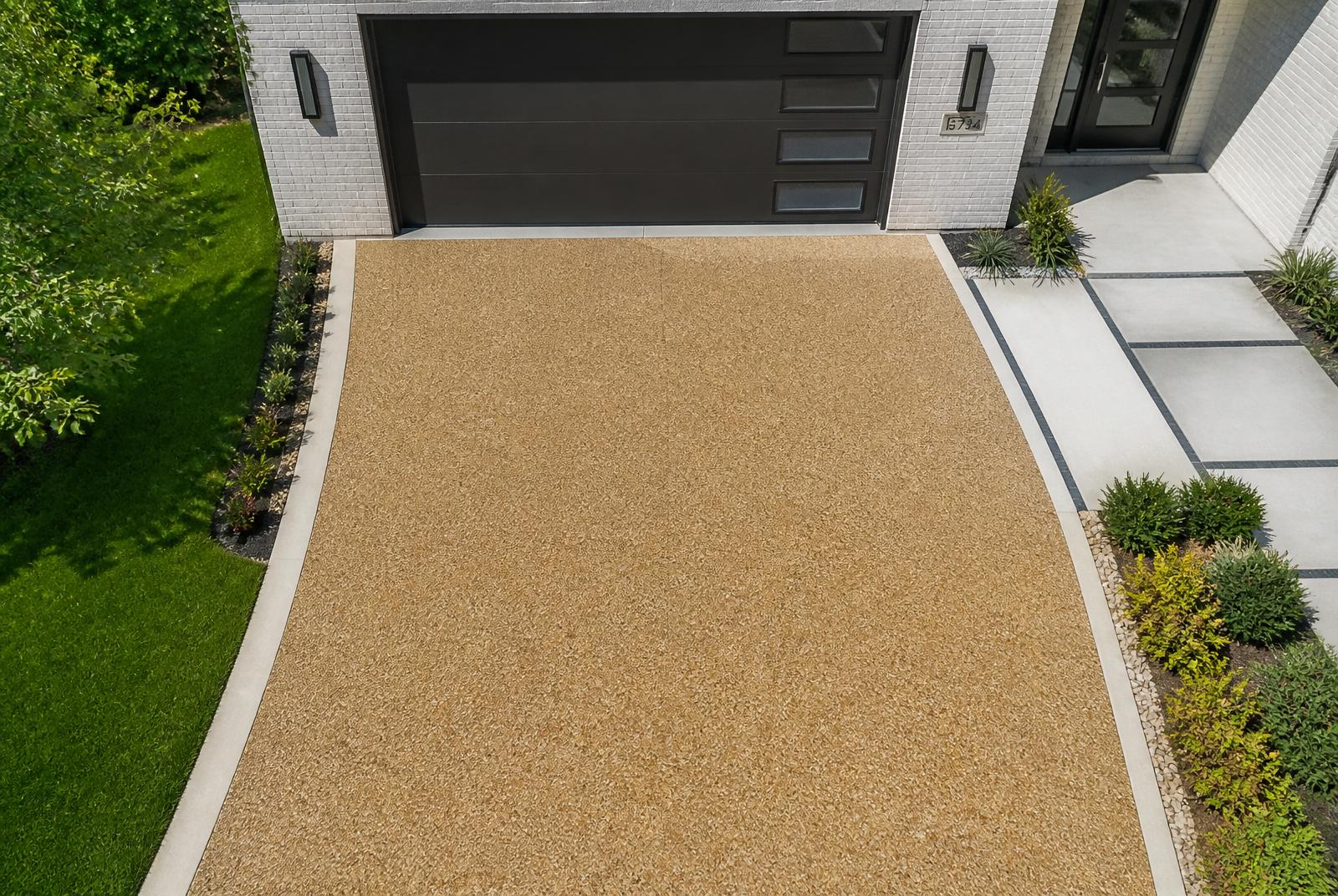
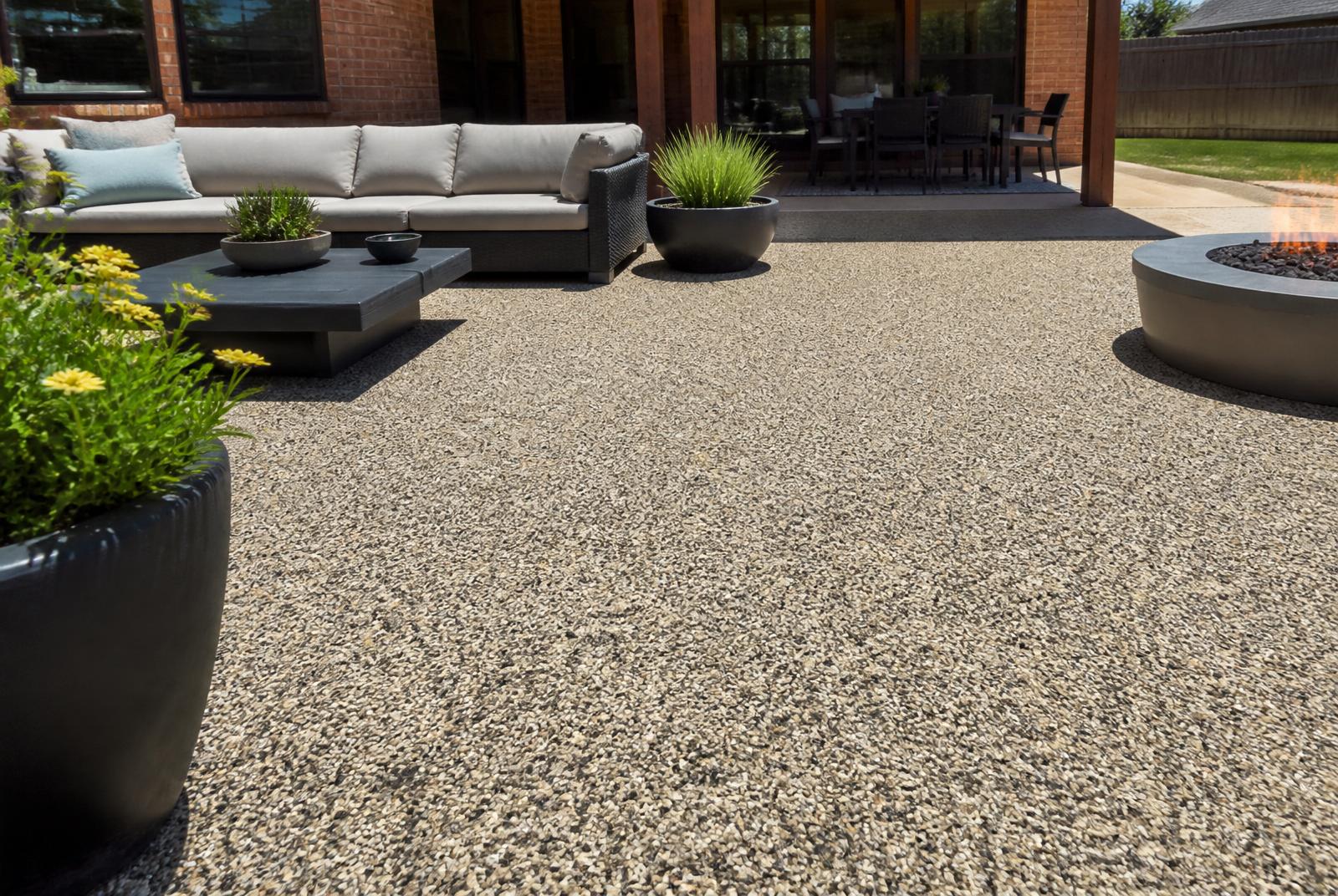
Extending your backyard patio with pavers in Frisco, Texas, requires navigating your neighborhood’s Architectural Review Committee (ARC) or Architectural Control Committee (ACC) approval process before breaking ground. Most Frisco Homeowner Associations—such as those in Newman Village, Phillips Creek Ranch, Stonebriar, Starwood, and Panther Creek—require a formal architectural application, detailed plot plan, material samples, and a clear drainage management plan to preserve community aesthetics and manage stormwater runoff.
At Paverston, we guide Frisco homeowners through every stage of the approval workflow while designing high-performance patio extensions built for North Texas conditions. Securing HOA approval typically takes 10 to 30 days depending on your specific board's review schedule. Submitting accurate site scale drawings, exact paver manufacturer color swatches, and property line setback dimensions on your initial submission prevents costly delays and project rejections.
What this means for a DFW homeowner
Living in a master-planned Frisco community means your outdoor living spaces must align with strict architectural guidelines. When planning a paver patio extension, Frisco HOAs primary evaluate four core elements: property line setbacks, lot coverage limits, material harmony, and drainage impact.
First, your patio extension cannot encroach on designated utility easements or city setback lines (typically 5 to 10 feet from side lot lines and 10 to 15 feet from rear property lines, though master covenants vary). HOAs inspect plot maps to ensure hardscaping remains strictly within your buildable envelope.
Second, HOAs monitor maximum impervious lot coverage ratios. Replacing turf grass with solid surfaces reduces natural groundwater absorption. Most Frisco HOAs limit hardscape footprint to ensure storm run-off does not exceed municipal storm sewer capacity. Interlocking pavers with permeable jointing aggregates are frequently favored by review committees because they aid water filtration.
Third, aesthetic compliance is mandatory. The paver material, texture, and color profile must complement your home’s existing brick, stone facade, and trim colors. Bright, unnatural shades or industrial-looking plain concrete additions are routinely turned down. Finally, your submittal must prove that redirected rainwater will not drain onto neighboring properties or pool against your home's foundation.
Best surface or material options for this project
Choosing the right paver material helps streamline HOA approval while ensuring your patio extension handles Frisco's blistering summer heat and sudden North Texas downpours. The three primary options for patio extensions include:
- Interlocking Concrete Pavers: The most popular choice across Frisco neighborhoods like Edgestone and Canals at Grand Park. Manufactured pavers offer consistent compressive strength (typically 8,000+ PSI) and come in warm earth tones, slate textures, and limestone blends that easily match suburban brick palettes. They flex with ground movement, preventing the surface cracking common with poured concrete.
- Travertine Pavers: Excellent for upscale Frisco properties, particularly around pool decks and outdoor living rooms. Natural travertine stays significantly cooler under direct sun than poured concrete or dark stone, making it comfortable for barefoot walking in July and August. Natural stone options usually receive fast-track approval in communities with high-end architectural standards.
- Porcelain Pavers: Highly durable, non-porous, and stain-resistant. Porcelain offers clean, modern aesthetics that suit transitional and contemporary home designs in newer North Texas developments. Their ultra-low absorption rate makes them impervious to pool chemicals, BBQ grease, and red clay staining.
Base prep, drainage, and North Texas soil details
Frisco rests on the Blackland Prairie geological formation, known for deep, highly expansive clay soils. This clay expands dramatically when saturated during heavy spring rains and shrinks during dry summer months. Poured concrete slabs installed over this shifting soil almost inevitably crack, heave, and pull away from existing home foundations.
An interlocking paver system solves this problem by creating a flexible structural grid, provided the base preparation is executed correctly. At Paverston, our North Texas base standard for patio extensions includes:
- Excavation: Digging down 7 to 9 inches to remove topsoil, organic matter, and active clay root zones.
- Geotextile Fabric Installation: Laying a heavy-duty woven geotextile soil stabilization fabric across the subgrade to prevent soft subsoil clay from mixing into the aggregate base over time.
- Crushed Aggregate Base: Installing 4 to 6 inches of compacted crushed limestone flex base (Type 2, Grade 1), compacted in layers using heavy plate compactors to achieve minimum 95% Standard Proctor density.
- Bedding Layer: Spreading a uniform 1-inch bedding layer of washed concrete sand or coarse granite chips (for permeable systems).
- Edge Restraints: Securing industrial PVC or concrete edge restraints along all open perimeters with 10-inch steel spikes to prevent lateral drift.
- Drainage Integration: Maintaining a minimum 1/4-inch per foot slope away from the residential structure. We frequently integrate shallow channel drains or catch basins tied into solid PVC pipe routed toward the street gutter or back-alley drainage swale, keeping your HOA submission fully compliant with local drainage codes.
Cost guidance in Dallas–Fort Worth
All paver installation projects in the DFW metroplex start at $20 per square foot installed. The total investment for your Frisco patio extension depends on surface material selection, site access, sub-base requirements, and demolition needs.
| Project Scope / Material Type | Estimated Cost Range (Installed per Sq Ft) | Key Considerations |
| :--- | :--- | :--- |
| Standard Concrete Paver Extension | $20 – $32 | Includes excavation, geotextile fabric, crushed aggregate base, sand bed, pavers, and polymeric sand joints. |
| Natural Travertine Paver Extension | $25 – $44 | Base rate +25% to 40% material premium; requires specialized cutting and natural stone handling. |
| Porcelain Paver Extension | $26 – $45 | Requires high-density base prep, thin-set or specialty pedestal/sand systems, and diamond-blade cutting. |
| Complex Patterns / Borders | +15% – 25% | Additional labor for herringbone, multi-size ashlar patterns, or double soldier-course accent borders. |
| Concrete Removal (Demolition) | +$6 – $12 | Breaking out and hauling away existing poured concrete patios prior to paver base installation. |
| Existing Paver Removal | +$4 – $8 | Scrape, uplift, and dispose of existing failed or mismatched paver surfaces. |
Note: Pricing reflects current Dallas–Fort Worth metro area averages. Final site quotes depend on total square footage, gate access width, elevation changes, and specific HOA drainage requirements.
What to look for in photos or during a site visit
When reviewing completed patio extension projects in your neighborhood or inspecting contractor portfolios, pay close attention to structural detail. Look at the transition point where the new paver patio meets the original home foundation or existing covered porch. There should be a smooth, flush grade transition without trip hazards or awkward gaps.
Examine perimeter edge restraints in photos—properly installed paver edges remain perfectly straight and hidden beneath turf lines or mulch beds without bulging. Review how color blending is handled across larger field areas. High-quality installations draw pavers from multiple bundles simultaneously to prevent color blotching, creating a rich, natural mix across the entire patio surface.
Paverston recommendation
Before submitting your ARC application to your Frisco HOA, request a professional site assessment. Paverston provides comprehensive architectural application packages for Frisco homeowners, including scaled CAD line drawings, detailed drainage plans, and official material spec sheets required by property management companies.
Never start excavation before receiving written HOA approval; unapproved hardscape extensions can result in daily fines, stop-work orders, or forced removal of unapproved surfaces. Contact the Paverston team today at 214-228-1011 or visit /contact to schedule your on-site estimate and get your HOA approval package prepared by North Texas hardscape specialists.
Related questions
Do I need a City of Frisco permit for a paver patio extension?
In most cases, low-profile, grade-level paver patios without roof covers or structural walls do not require a separate building permit from the City of Frisco. However, if your patio extension includes an outdoor kitchen, gas line, patio cover, or retaining wall over 4 feet high, city permits and inspections are mandatory alongside HOA approval.
What happens if I extend my patio with pavers without HOA approval in Frisco?
Unapproved patio extensions typically trigger a violation notice from your HOA management company. The HOA can impose retroactive fines, require you to submit an emergency ARC application after the fact, or force you to remove the unapproved hardscape at your own expense if it violates lot coverage or easement guidelines.
How long does the Frisco HOA patio extension approval process take?
Standard ARC review cycles in Frisco take between 14 and 30 calendar days. Submitting a complete package—including your property plot survey with the proposed footprint highlighted, paver color swatches, and drainage direction arrows—prevents committee rejections and speeds up approval.
Can I build a paver patio over a utility easement in Frisco?
While hardscaping over a utility easement is sometimes permitted by HOAs, you do so at your own risk. Utility companies retain the right to excavate within designated easements to repair underground pipes or fiber lines. Interlocking pavers are advantageous here because they can be removed and re-laid after utility work, unlike permanent poured concrete.