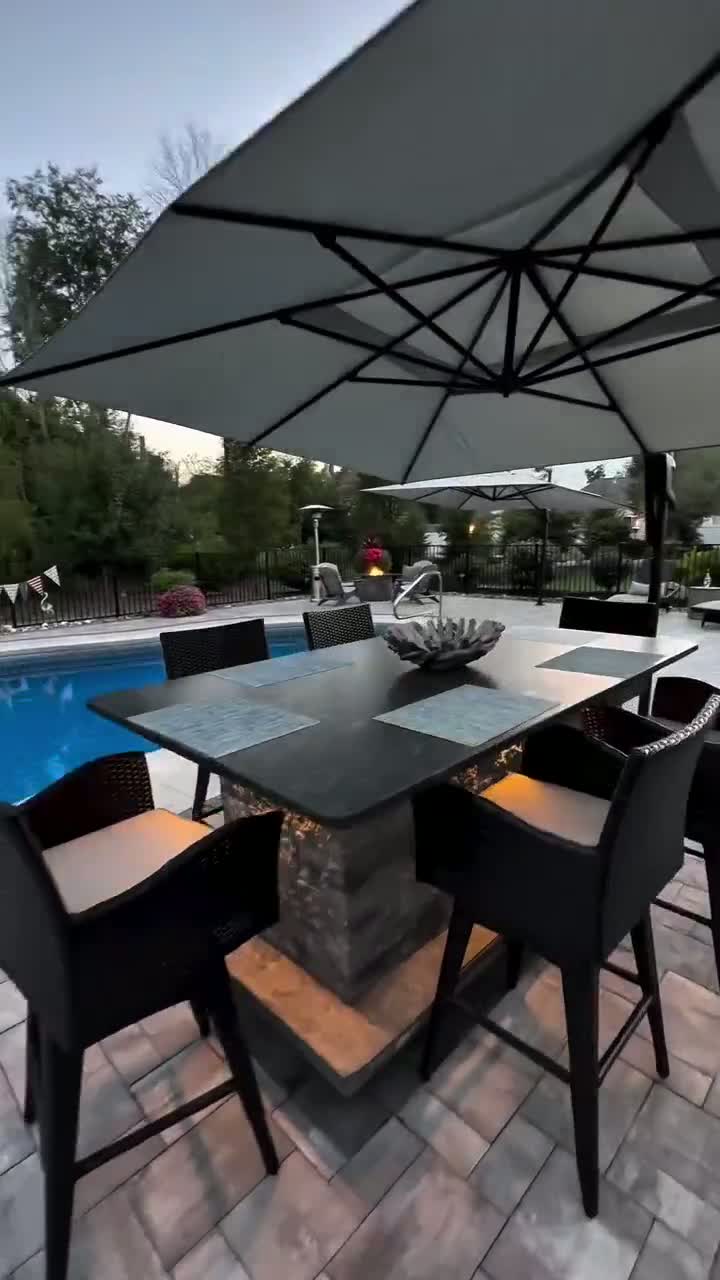
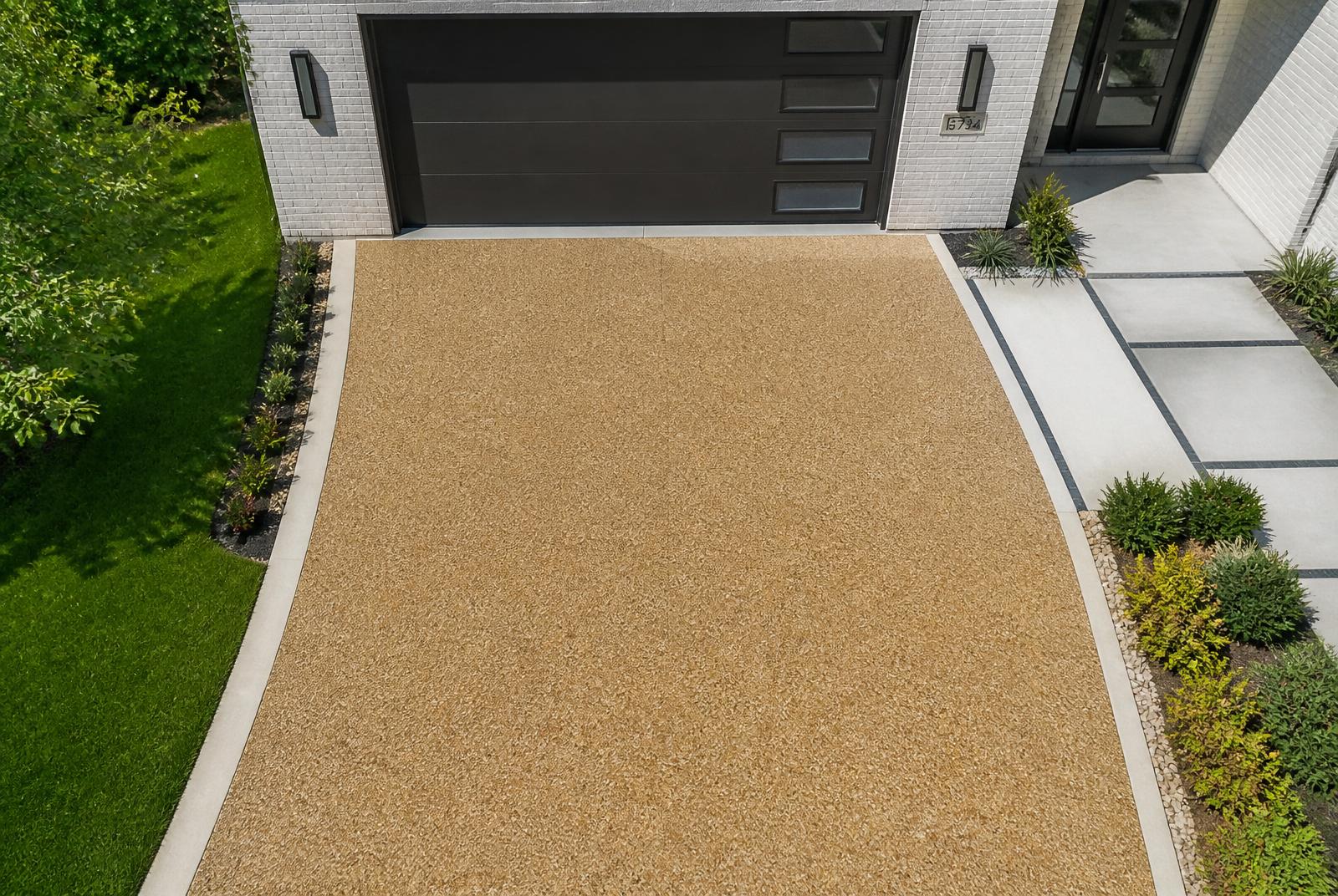
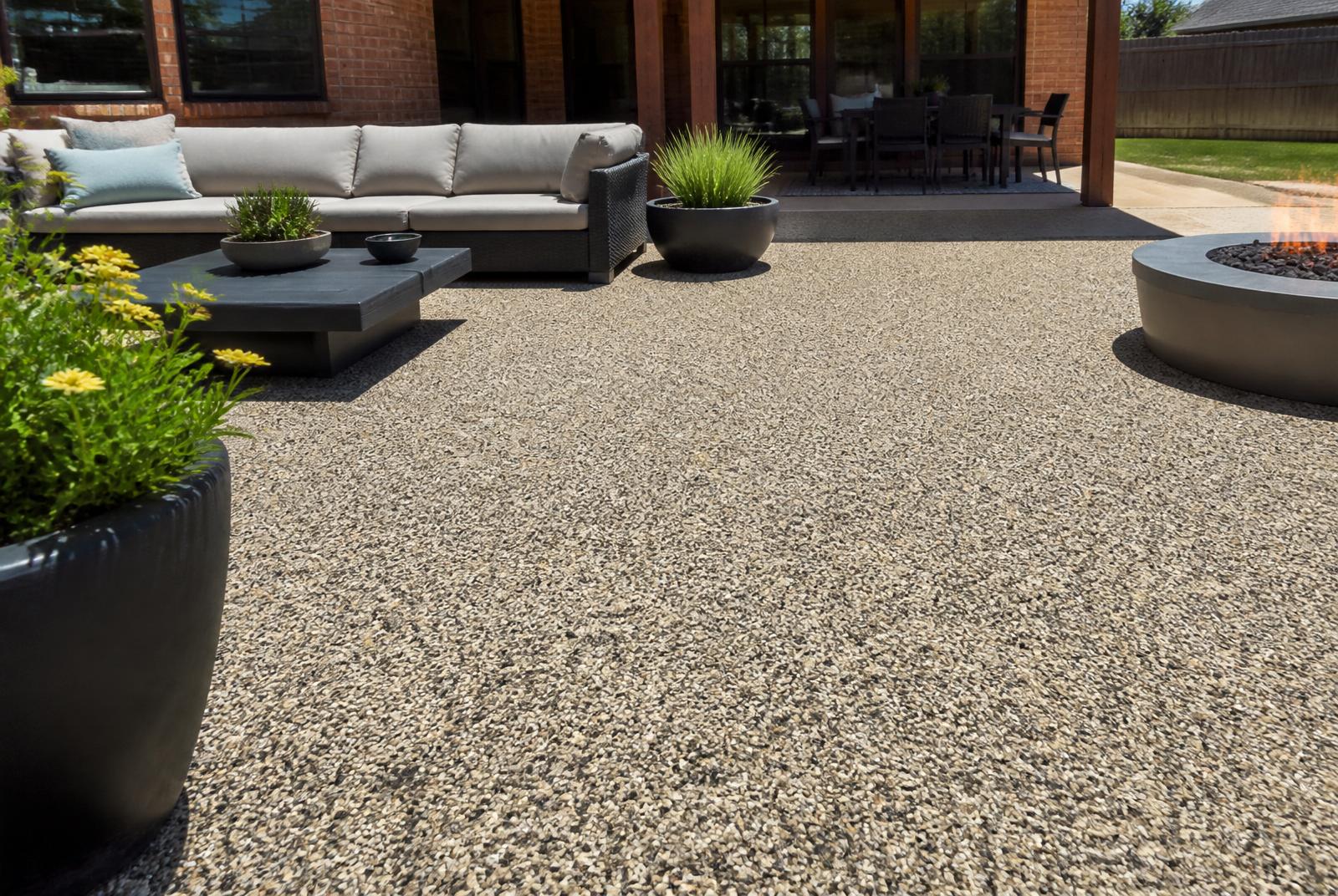
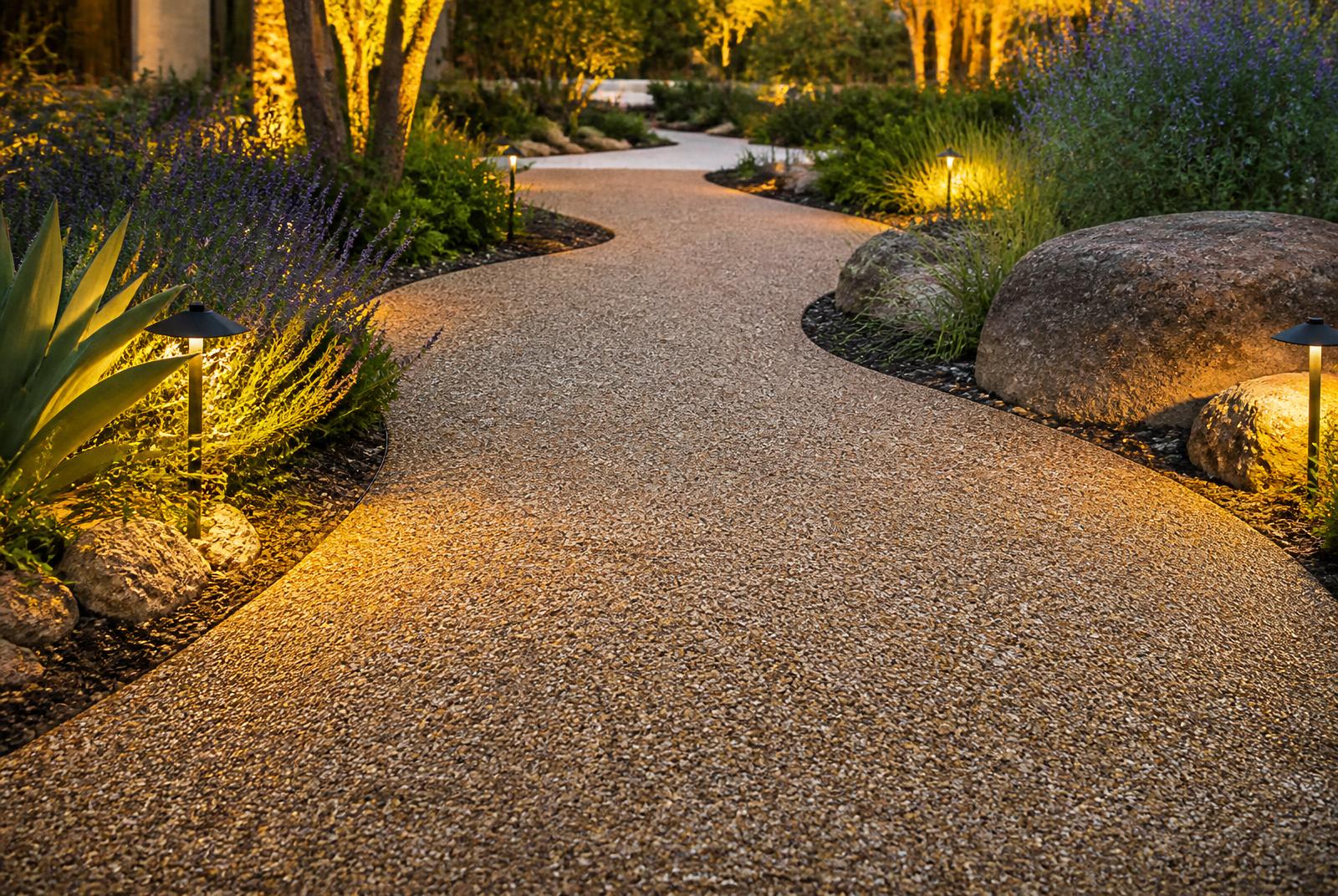
When choosing between travertine and concrete pavers for a pool deck in Southlake, natural travertine is the undisputed winner for surface heat resistance. Light-colored tumbled travertine—such as Ivory, Shellstone, or Walnut—remains significantly cooler under foot during 100°F+ North Texas summer days because its natural air pockets and solar reflectance prevent extreme heat absorption.
While high-density concrete pavers perform well structurally and offer excellent slip resistance, manufactured concrete absorbs and retains solar energy longer than natural stone. At Paverston, we install both materials across Southlake pool remodels and new construction, but for homeowners who prioritize barefoot comfort during peak July and August heat, light natural travertine offers a cooling advantage that concrete cannot quite replicate.
What this means for a DFW homeowner
In Southlake and across the Dallas–Fort Worth metroplex, summer heat regularly pushes unshaded outdoor surface temperatures past 130°F. Darker or denser paving materials absorb thermal energy, making barefoot walking from the patio to the pool impossible without burning feet or constantly hosing down the deck. Selecting a surface material with low thermal mass and high solar reflectance directly determines how usable your pool deck is during midday hours.
In addition to extreme thermal stress, Southlake pool decks sit on expansive Blackland Prairie clay soil. This clay expands when saturated during severe spring storms and shrinks dramatically during dry summer spells. Rigid, poured-in-place concrete pool decks frequently crack under these ground shifts. Both travertine pavers and modular concrete pavers are flexible pavement systems laid over an engineered base, allowing individual units to flex with ground movement rather than cracking.
Best surface or material options for this project
When designing a cool, durable pool deck in Southlake, you generally choose between four primary material profiles:
- Tumbled Light Travertine (Ivory/Walnut/Shellstone): Unfilled, tumbled 1.25-inch travertine pavers are the gold standard for Texas pool surrounds. The tumbled texture provides natural slip resistance around splash zones, while micro-porous stone vents surface heat into the ground below.
- Light-Colored Concrete Pavers (White, Cream, Light Gray): High-density concrete pavers manufactured with reflective light pigments heat up faster than travertine, but modern cool-pigment formulations keep them cooler than traditional poured concrete or dark pavers.
- Porcelain Decking Pavers: Highly reflective and ultra-durable, porcelain pavers stay moderately cool in light shades but require precise installation on specialized pedestals or concrete sub-bases.
- Travertine Coping Edge Tiles: Matching 2-inch bullnose or square-edge travertine coping around the pool rim provides a smooth, comfortable hand-hold and seamless transition into the deck surface.
Base prep, drainage, and North Texas soil details
Installing pool deck pavers in Southlake's heavy clay requires a sub-base engineered to handle water migration and soil movement. Standard thin-bed sand installations often fail near pools due to washouts or sub-grade saturation. Paverston uses a multi-layered site preparation method designed for local soil conditions:
- Excavation and Geotextile Fabric: We excavate 8 to 10 inches below final grade and lay a heavy-duty woven geotextile soil stabilization fabric to separate North Texas clay from the clean aggregate base.
- Open-Graded Base Construction: We install 6 to 8 inches of compacted angular crushed stone (FlexBase or #57 aggregate), which allows subterranean moisture to drain without settling.
- Bedding and Edge Restraints: A 1-inch bedding layer of coarse granite sand or fine crushed aggregate supports the pavers, held firmly by heavy-duty concrete edge restraints engineered around pool plumbing lines.
- Pool Drainage Interception: We integrate low-profile channel drains and slope the deck 1/4 inch per foot away from the pool edge to handle sudden summer downpours and prevent deck water from overloading skimmers.
Cost guidance in Dallas–Fort Worth
Pool deck installations in the DFW market vary based on material selection, access around pool equipment, and demolition requirements. All Paverston projects start at $20 per square foot installed, with pool decks reflecting higher labor and coping detailing costs.
| Feature / Metric | Natural Tumbled Travertine | High-End Concrete Pavers |
| :--- | :--- | :--- |
| Barefoot Heat Resistance | Outstanding (Stays cool in 100°F+) | Moderate (Lighter shades perform best) |
| Slip Resistance Rating | Excellent (Tumbled natural texture) | High (Textured/tumbled finishes) |
| Installed Cost Range (DFW) | $32 – $55 per sq ft | $26 – $44 per sq ft |
| DFW Clay Soil Longevity | 30+ Years (Flexible units) | 25+ Years (Flexible units) |
| Maintenance Requirements | Seal every 2–3 years, wash off debris | Seal every 3–5 years, stain-resistant |
| Pattern Options | French Pattern, Ashlar, Running Bond | Modular 3-piece, Plank, Cobble patterns |
Note on Demolition: Removing an existing poured concrete pool deck adds $6 to $12 per square foot depending on rebar reinforcement and pool access constraints. Removing older paver decks costs $4 to $8 per square foot.
What to look for in photos or during a site visit
When evaluating completed pool deck photos or examining an installed project in Southlake, focus on technical craftsmanship details rather than just color:
- Coping Alignment: Inspect the pool rim where coping meets waterline tile. Lines should be straight with consistent 1/8-inch joint spacing and uniform overhang.
- Drainage Integration: Look for sleek trench drains or subtle deck drains positioned flush with the paver surface to eliminate standing water hazards.
- Color Uniformity: Natural travertine features authentic color variations. High-quality installations blend tiles from multiple pallets to avoid blotchy color blocking.
- Joint Tightness: Check that French pattern travertine or concrete pavers maintain tight, uniform joints filled with polymeric sand or fine granite dust, locking units tightly in place.
Paverston recommendation
For Southlake homeowners with unshaded pool surrounds seeking maximum summer comfort, Paverston recommends 1.25-inch tumbled Ivory travertine in a French Pattern, paired with matching 2-inch bullnose travertine coping. This combination delivers superior barefoot cooling, high slip resistance, and timeless architectural appeal that elevates luxury Southlake outdoor living spaces.
If project budgets favor concrete pavers, select light-toned, textured units installed over our open-graded crushed stone base to maximize stability and minimize thermal heat absorption. Contact Paverston today at 214-228-1011 or visit our /contact page to schedule an on-site pool deck consultation and heat-testing material demonstration.
Related questions
Does travertine paver surface get slippery around pool water?
Unfilled, tumbled travertine is naturally slip-resistant due to micro-pores and a slightly textured surface finish created during processing. Unlike polished travertine tiles used indoors, outdoor tumbled travertine pavers offer excellent traction for wet, bare feet around pool perimeters.
Will North Texas clay soil cause travertine pool pavers to crack?
Individual travertine pavers rarely crack from soil movement when installed over a flexible crushed stone aggregate base. Because pavers are modular units rather than a single concrete slab, the deck flexing with clay swelling prevents widespread structural cracking.
Do light concrete pavers stay cool enough for Texas summers?
Light beige, cream, or soft gray concrete pavers stay substantially cooler than poured concrete or dark stone, but they still absorb more heat than light travertine. Adding a breathable, UV-reflective sealer helps reduce surface heat build-up on concrete pavers.
How often should I seal a travertine pool deck in Southlake?
We recommend applying a breathable, penetrating stone sealer every 2 to 3 years. This protects natural travertine from pool chemicals, salt water systems, and organic leaf stains without creating a shiny or slippery film on the stone.