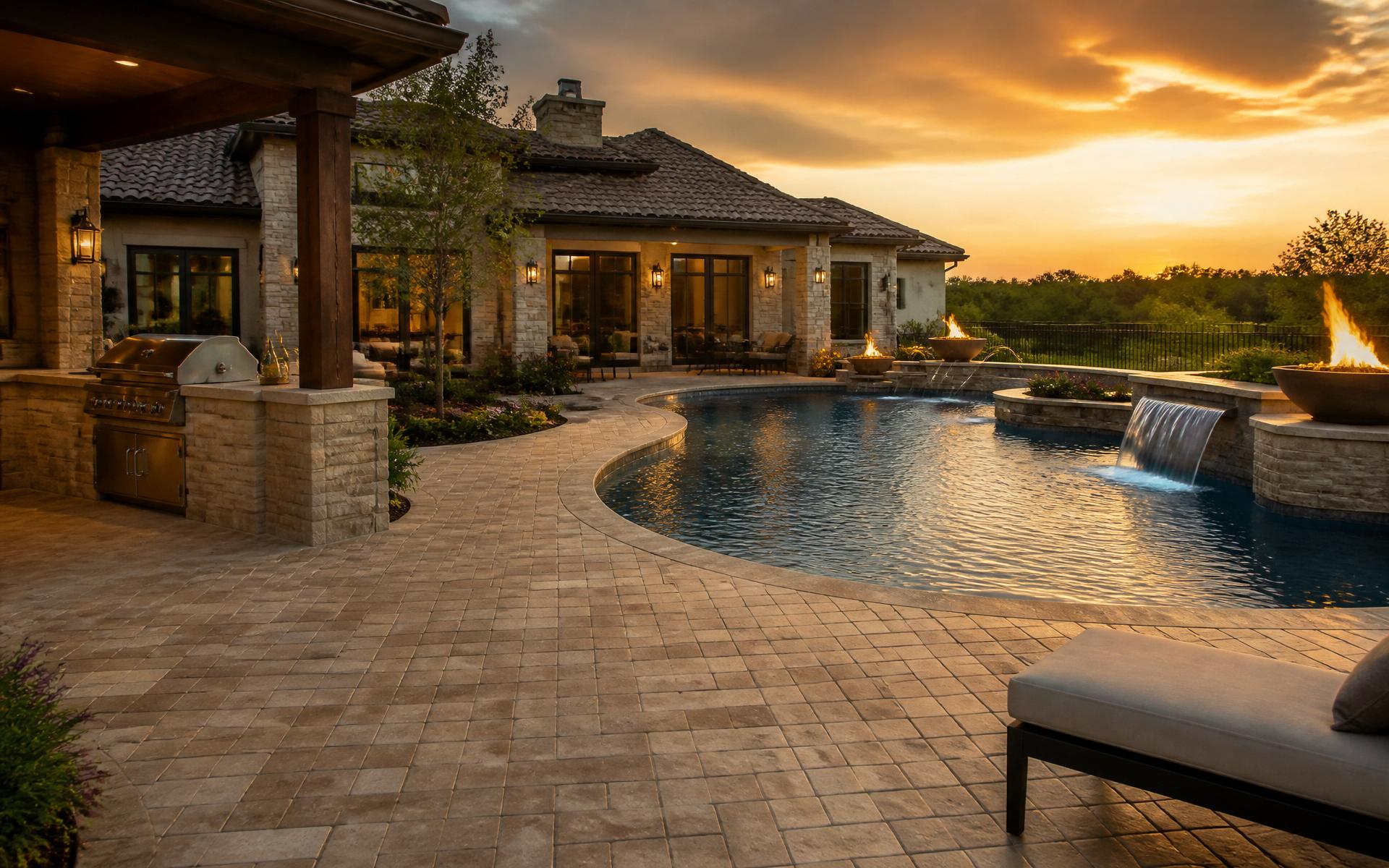
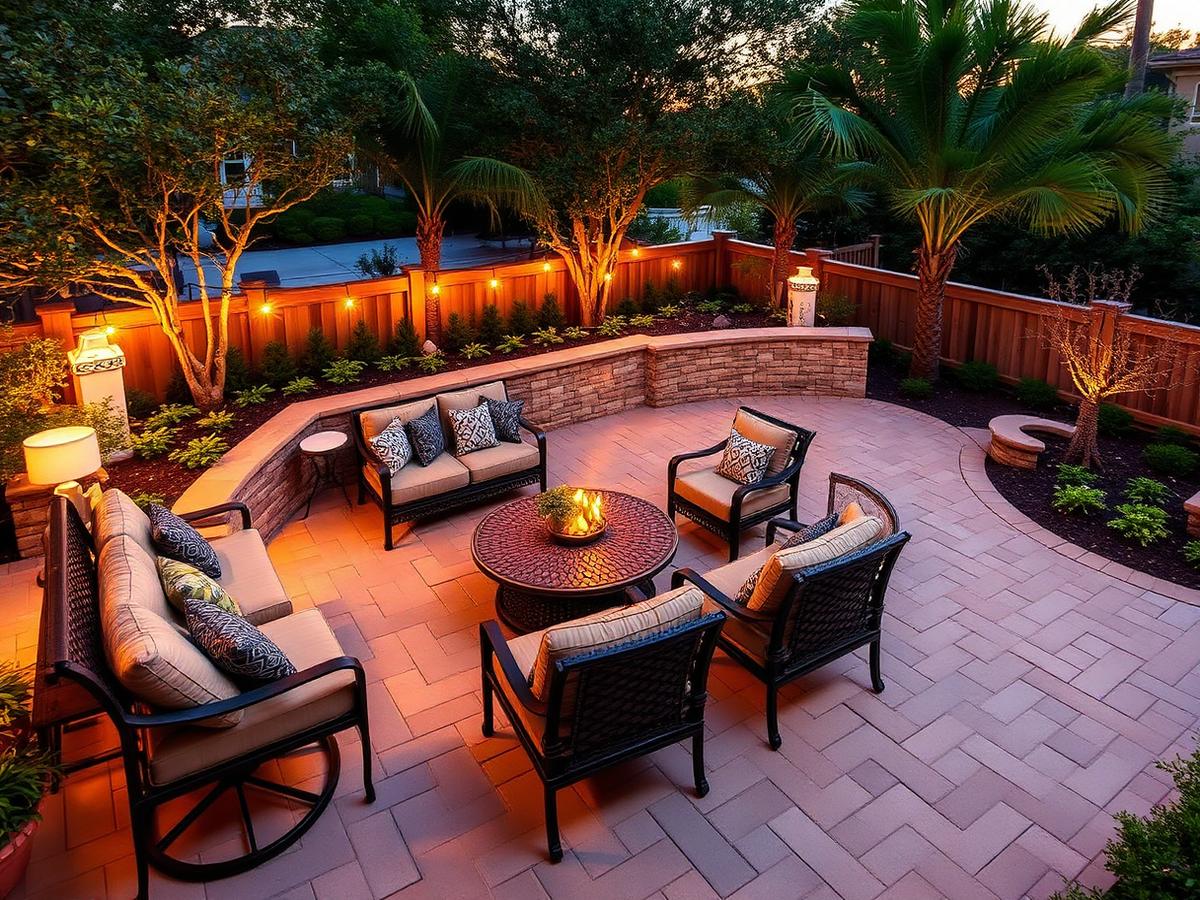
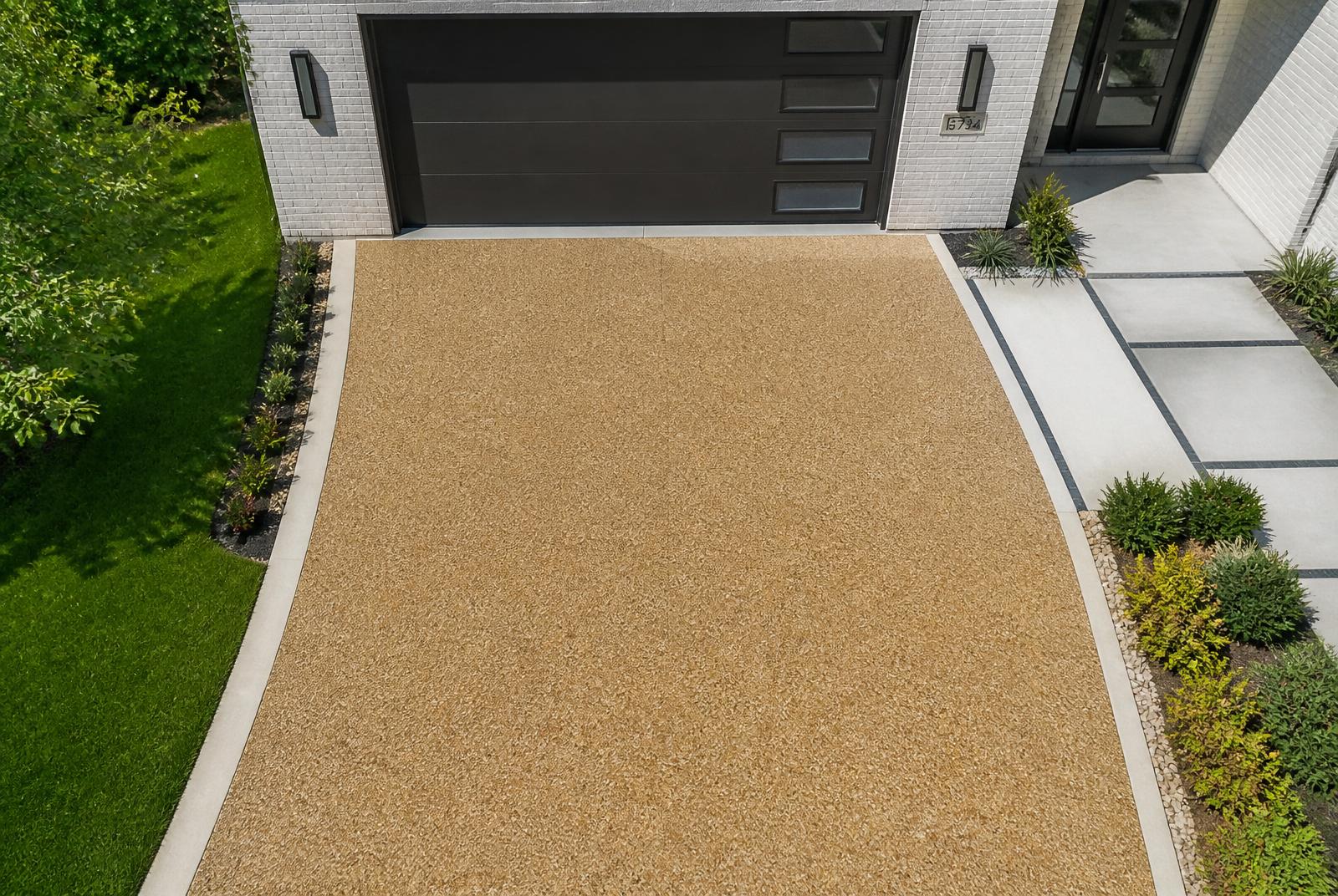
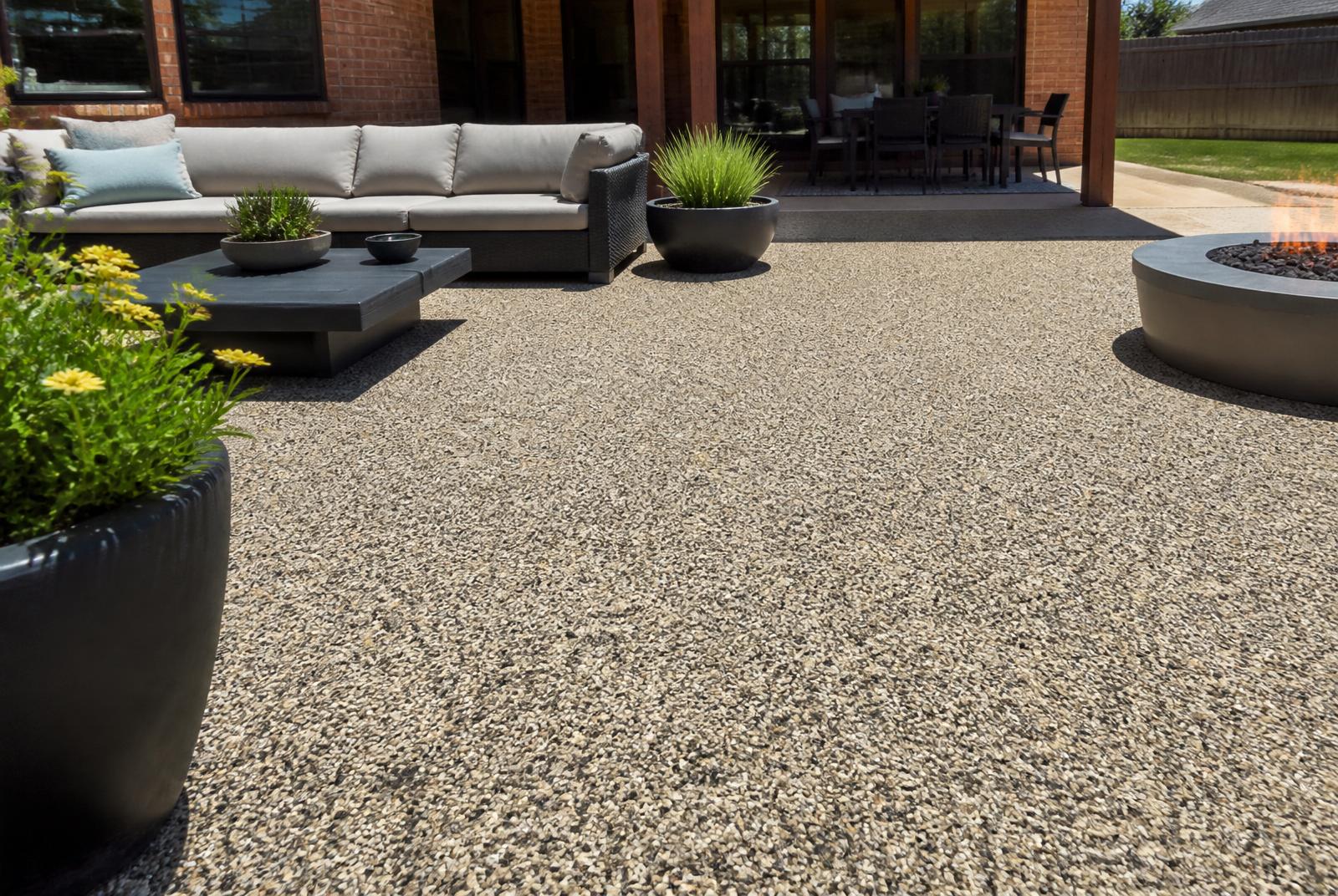
When comparing travertine pavers to stamped concrete around a pool deck in Southlake, Texas, travertine wins decisively in bare-foot comfort, durability, and resilience against North Texas heat and ground movement. Travertine is a natural stone that naturally reflects solar radiation and disperses thermal heat, keeping the deck surface significantly cooler under intense 100°F+ summer sun compared to sealed stamped concrete.
Stamped concrete relies on a dark or color-tinted sealant that traps thermal energy, making it uncomfortably hot for bare feet during Peak DFW summers. Furthermore, stamped concrete is a rigid monolithic slab subject to cracking as Southlake’s active clay soil expands and contracts. Travertine pavers, installed on an engineered flexible base system, absorb ground movement without cracking, making them the superior long-term investment for high-end pool surrounds.
What this means for a DFW homeowner
For a homeowner in Southlake, choosing a pool deck surface is not just an aesthetic decision; it is a thermal and structural one. Southlake sits on expansive North Texas clay soil, known for dramatic swell-shrink cycles between wet springs and bone-dry summers. Monolithic concrete slabs—even reinforced stamped concrete—inevitably crack when the ground shifts beneath them. When stamped concrete cracks, repairing it seamlessly is nearly impossible because color dyes and stamped patterns cannot be easily matched after curing.
Additionally, pool decks are built for bare feet. During July and August in Tarrant County, deck surface temperatures often climb above 135°F. Standard sealed or stamped concrete absorbs heat rapidly, turning pool perimeters into heat sinks. Travertine’s natural porous structure and low heat conductivity allow it to stay comfortably cool to the touch. It also provides a naturally slip-resistant, tumbled texture that enhances pool safety when wet without feeling abrasive.
Best surface or material options for this project
When evaluating pool deck materials for Southlake properties, four main options dominate the landscape:
- Unfilled, Tumbled French Pattern Travertine: The gold standard for Texas pool decks. Tumbled travertine features natural surface voids and an unpolished finish that provides maximum slip resistance, elegant old-world aesthetics, and top-tier solar reflection. Premium shades like Ivory, Walnut, and Noche complement Southlake architectural styles.
- Sandblasted Porcelain Pavers: An engineered alternative to natural stone. Porcelain is extremely durable, non-porous, and fade-proof, though it tends to hold slightly more heat than high-grade light ivory travertine.
- Stamped & Colored Concrete: A poured concrete slab stamped with texturing mats to mimic stone or brick. While initial installation cost is lower than natural stone, it requires resealing every 2 to 3 years and is prone to surface flaking (spalling) and structural cracking in DFW clay.
- Standard Concrete Interlocking Pavers: High-density concrete pavers offered in various colors and patterns. They provide flexible ground resistance superior to stamped slabs, though light-colored travertine still outperforms dark concrete pavers in thermal comfort.
Base prep, drainage, and North Texas soil details
No pool deck material will perform long-term in Southlake without correct subsurface preparation. The primary cause of pool deck failure in North Texas is inadequate base depth and poor drainage design over expansive clay.
At Paverston, our pool deck installations follow a strict multi-layer engineering process:
- Excavation & Clay Stabilization: We excavate native soil to a depth of 8 to 10 inches minimum. Soil geotextile fabric is laid down to prevent the underlying clay from migrating upward into the aggregate base.
- Crushed Limestone Flex Base: We install a 6-inch compacted layer of crushed limestone aggregate (Flex Base). Compaction is performed in 2-inch lifts using heavy plate compactors to reach 98% Standard Proctor Density.
- Bedding Layer & Drainage Slope: A 1-inch bedding layer of washed concrete sand or granite grit is screeded. The deck is set with a minimum slope of 1/8 to 1/4 inch per foot directed away from the pool beam and house foundation to prevent standing water.
- Edge Restraints & Coping: Travertine coping is mortar-set along the pool perimeter beam with appropriate expansion joints. Paver edges are locked in using heavy-duty concrete edge restraints or soldier courses laid in concrete mortar beds.
Cost guidance in Dallas–Fort Worth
Pool deck pricing in DFW varies based on material choice, site access, and existing site conditions. All Paverston paver installations start at $20/sq ft. Travertine and specialized pool deck paver projects range from $26 to $44 per square foot installed. If an existing concrete deck must be removed, demolition and haul-off add $6 to $12 per square foot.
| Feature / Metric | Premium Travertine Pavers | Stamped Concrete Slab |
| :--- | :--- | :--- |
| Average DFW Installed Cost | $26 – $44 per sq ft | $16 – $24 per sq ft |
| Summer Surface Temperature | Cool to warm (105°F–115°F) | Extremely Hot (130°F–145°F) |
| Resistance to Clay Soil Movement | Excellent (Flexible joint system) | Poor (Rigid slab cracks under tension) |
| Slip Resistance (Wet) | High (Tumbled natural texture) | Moderate to Low (Requires grip additive) |
| Maintenance Required | Low (Occasional sweep/rinse) | High (Reseal clear coat every 2–3 yrs) |
| Repairability | Easy (Individual tiles replaced) | Difficult (Patches are highly visible) |
| Expected Lifespan | 50+ Years | 10–15 Years before major cracking |
Note: Demolition of existing pool deck concrete adds $6–$12/sq ft depending on thickness and rebar reinforcement.
What to look for in photos or during a site visit
When reviewing a contractor's past pool deck projects in Southlake or visiting an active installation site, look for key technical details that indicate quality workmanship:
- Pool Beam Expansion Joint: Look at the transition where the pool coping meets the deck pavers. There must be a dedicated, clean expansion joint filled with specialized foam backing and elastomeric sealant. Direct contact between the deck base and pool shell will cause cracking during ground shifts.
- Tile Color Blend Consistency: Travertine is a natural product with color variation. Quality installers pull tiles simultaneously from multiple crates to ensure a balanced pattern rather than isolated patches of light or dark stone.
- Flush Coping & Drain Integration: Check channel drains along patio thresholds or outdoor kitchens. The surface of the pavers should sit 1/8 inch above the drain rims to allow smooth water flow without tripping hazards.
- Tight Joints & Clean Cuts: Look closely at radius cuts around pool corners, spa walls, and skimmer lids. Precision diamond-saw cuts with consistent 1/16 to 1/8 inch joints demonstrate master craftsmanship.
Paverston recommendation
For Southlake pool decks, Paverston strongly recommends choosing French Pattern tumbled travertine pavers over stamped concrete. While stamped concrete has a lower initial price point, the heat accumulation, vulnerability to clay movement, and constant resealing requirements make it a costlier choice over time. Travertine provides immediate barefoot comfort during Texas summers and maintains its value for decades.
Whether you are replacing an old cracked concrete deck or building a new backyard pool retreat, Paverston brings the engineering experience needed for North Texas soils. Contact Paverston today at 214-228-1011 or visit /contact to schedule a detailed on-site estimate and material consultation.
Related questions
Does travertine get hot in 100-degree Texas heat?
No, light-colored tumbled travertine (such as Ivory or Walnut) stays significantly cooler than concrete or dark stone. Its porous nature disperses heat quickly, making it comfortable to walk on barefoot even during 100°F+ North Texas summer days.
Can you lay travertine over existing concrete around a pool?
Yes, thin travertine overlays (1-1/4 inch or 3/4 inch) can be installed over existing concrete slabs if the slab is structurally sound, crack-free, and properly sloped. If the underlying concrete has active settling cracks, removing the slab and installing a crushed limestone flexible base is required.
Is travertine slippery around a pool deck when wet?
Tumbled and sandblasted travertine options are highly slip-resistant. The unpolished, natural texture and open pores create surface friction that provides excellent traction under wet feet around pool perimeters and spa edges.
How does North Texas clay soil affect stamped concrete pool decks?
Expansive clay in DFW swells when wet and shrinks during droughts. This ground movement creates immense pressure under rigid stamped concrete slabs, leading to surface cracking, uneven heaving, and spalling sealants that are difficult to repair smoothly.