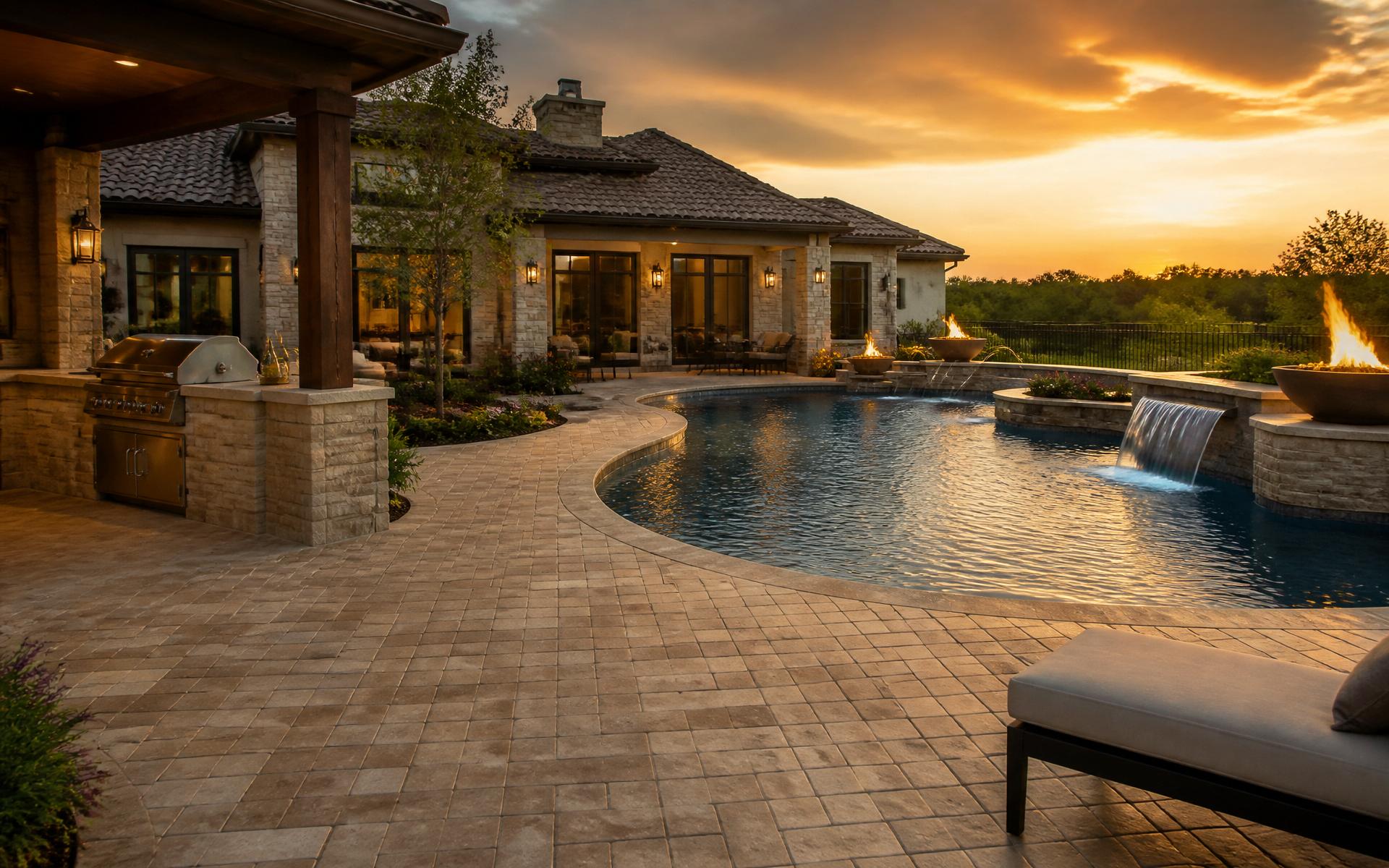
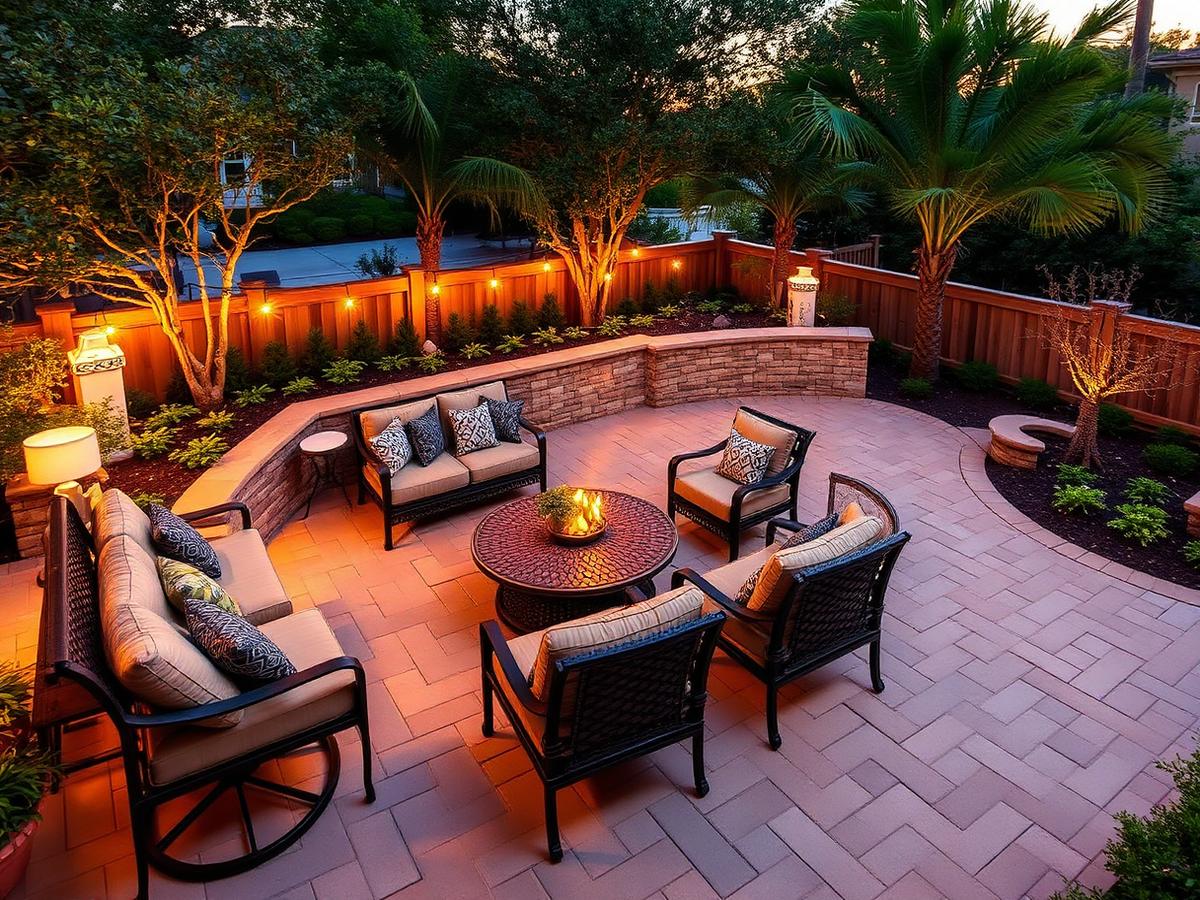
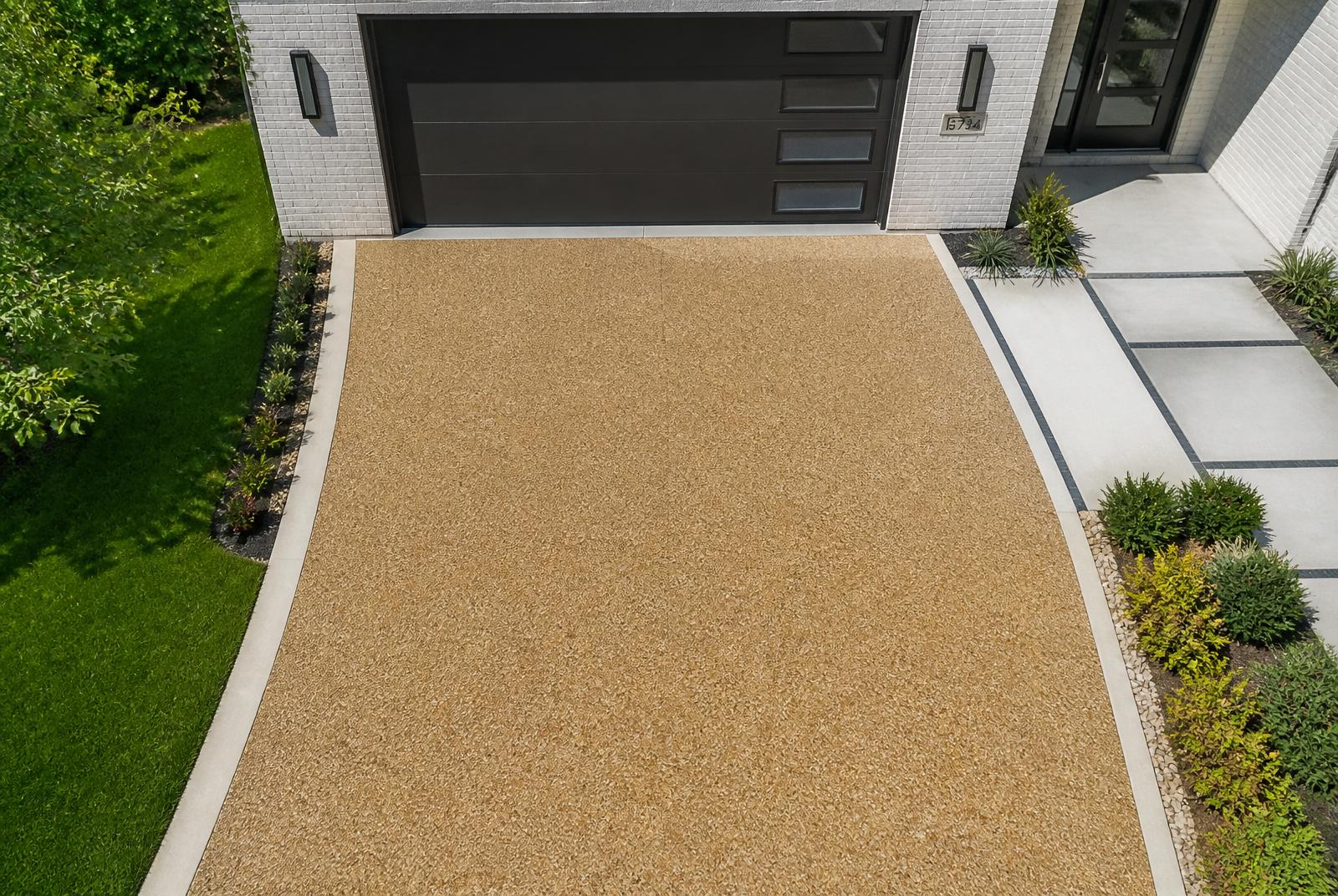
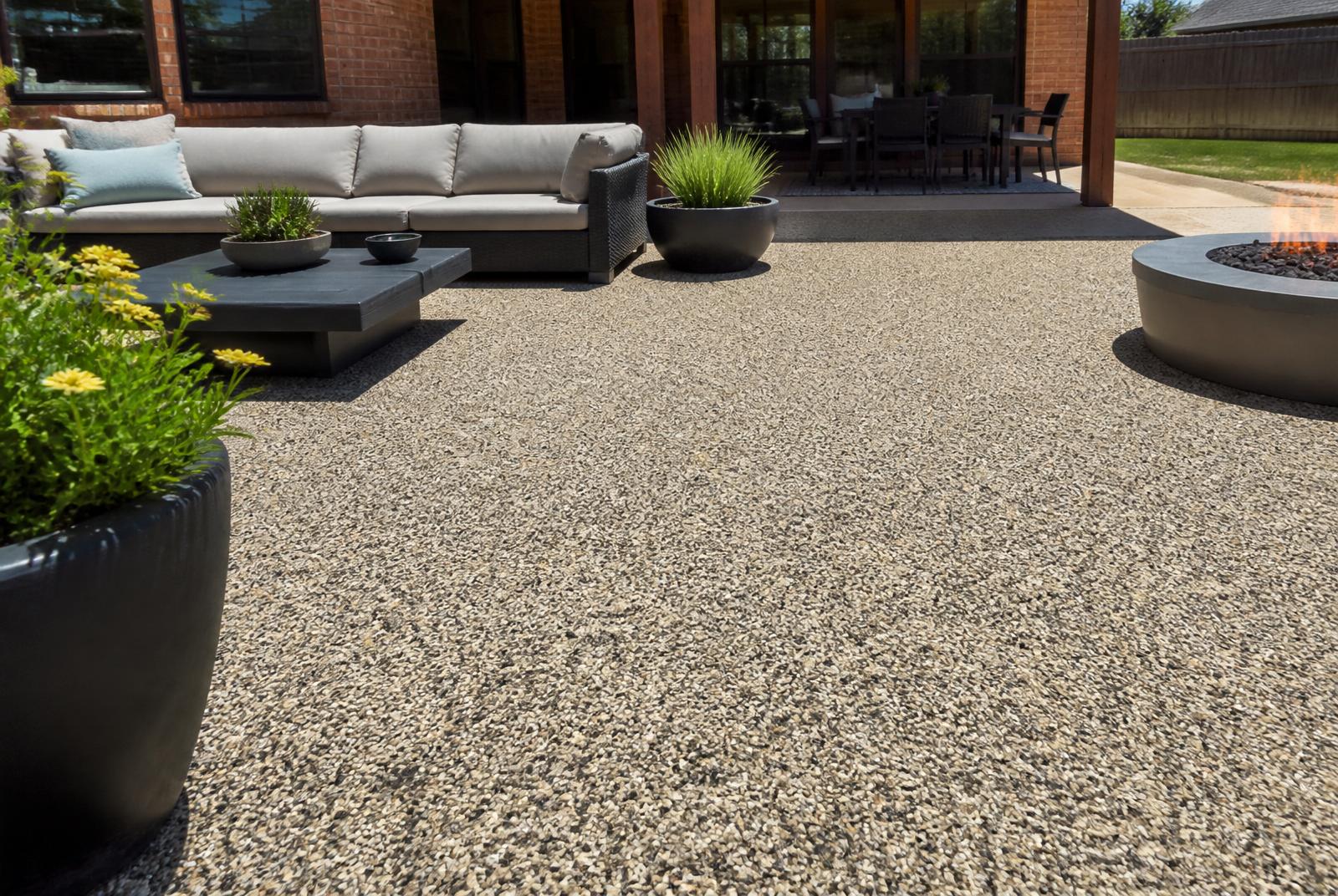
Yes, travertine pavers are significantly cooler than stamped concrete around a pool deck in Southlake, Texas. Natural travertine is a porous, light-colored natural stone that reflects solar radiation and dissipates trapped heat rapidly. During peak 100°F+ North Texas summer afternoons, light ivory or walnut travertine pavers remain up to 20°F to 30°F cooler than dark or sealed stamped concrete surfaces, making it comfortable to walk barefoot from the sun shelf to the outdoor kitchen.
Beyond barefoot comfort, travertine pavers outperform stamped concrete in Southlake's challenging soil environment. Continuous concrete slabs inevitably crack as North Texas black clay swells and shrinks during wet and dry cycles. An interlocking or sand-set travertine paver deck flexes naturally with ground movement without cracking, making it a safer, higher-value long-term investment for luxury poolside living.
What this means for a DFW homeowner
For homeowners in Southlake, Westlake, and the surrounding Keller area, a pool deck isn't just an ornamental border; it's the primary living space for family gatherings from May through October. High summer heat drastically limits how you use your outdoor space if the decking material absorbs thermal energy like an oven.
- Barefoot Safety and Comfort: Sealed stamped concrete relies on acrylic topcoats that trap solar energy. On a July afternoon in DFW when ambient temps hit 102°F, stamped concrete surface temperatures can easily surge past 140°F—causing immediate burning on bare feet and pet paws. Tumbled travertine typically hovers closer to 110°F to 115°F in direct sunlight.
- Slip Resistance Around Splash Zones: Stamped concrete requires smooth topical sealers to keep colors vibrant, which creates a dangerously slick surface when wet. Tumbled travertine features natural micro-pores and a light matte texture that offers excellent traction even under dripping wet feet.
- Plumbing Access and Repair Costs: Southlake pool decks frequently sit above complex skimmer lines, returns, and irrigation runs. If a pipe leaks beneath stamped concrete, contractors must jackhammer out large sections, leaving permanently visible concrete patches. Travertine pavers can be individually lifted, stored during pipe repairs, and re-laid seamlessly over fresh base material.
Best surface or material options for this project
When evaluating pool deck materials for a new build or deck replacement in Southlake, four primary options stand out:
- Tumbled French Pattern Travertine Pavers (30mm): The gold standard for DFW pool decks. Light shades like Ivory, Shell, or Light Walnut offer maximum heat reflection, velvet-like texture underfoot, and timeless architectural appeal that matches Southlake's estate-style homes.
- Architectural Concrete Pavers: Engineered pavers with light-reflecting aggregates and cool-touch surface coatings. While denser than travertine, high-end light-colored pavers remain substantially cooler than poured slabs and offer predictable, uniform jointing.
- Outdoor Porcelain Pavers (20mm): Extremely dense, non-porous, and scratch-resistant. High-grade light porcelain stays cooler than stamped concrete and never requires sealing, though it demands a rigid base or specialized installation setting beds.
- Stamped and Sealed Concrete: Poured concrete scored with patterns to mimic stone or tile. While initially cost-effective, it stores intense heat, requires re-sealing every 2–3 years, and suffers from inevitable structural cracking in active local soils.
Base prep, drainage, and North Texas soil details
Southlake sits squarely atop expansive Eagle Ford shale and high-plasticity black clay. This soil expands dramatically when saturated by spring thunderstorms and shrinks severely during summer droughts. Placing a rigid, unyielding concrete slab over this soil invites structural failure.
At Paverston, our pool deck base engineering prevents shifting, settling, and cracked coping:
- Deep Soil Excavation: We excavate 8 to 10 inches below final grade to remove unstable topsoil and soft clay organic layers around the pool shell.
- Non-Woven Geotextile Fabric: We line the entire excavated area with heavy-duty geotextile fabric. This prevents sub-base aggregate from sinking into the native clay when wet.
- Crushed Concrete/Limestone Flex-Base: We install a 6-inch base of dense-graded aggregate, compacted in 2-inch lifts to 95% Standard Proctor density. This flexible aggregate base absorbs sub-grade clay expansion without transferring movement to the surface pavers.
- 1-Inch Bedding Layer: A coarse sand or #8 granite aggregate bedding layer allows each travertine paver to seat firmly while accommodating micro-flexure.
- Positive Slope and Drainage Integration: We engineer a minimum 1/4-inch per foot slope away from the pool coping and home foundation. Slot drains or decorative strip drains are tied into sub-surface piping to evacuate heavy rainfall during sudden DFW downpours.
Cost guidance in Dallas–Fort Worth
All professional paver work installed by Paverston in the DFW metroplex starts at $20 per square foot. Pool deck projects typically range between $26 and $44 per square foot depending on material selection, pattern complexity, coping details, and access.
Natural travertine pavers carry a premium over standard concrete pavers (+25% to 40%), but eliminate the recurring cost of concrete crack repairs and frequent re-sealing. Demolition and removal of an existing concrete pool deck adds $6 to $12 per square foot depending on reinforced rebar density and machinery access.
| Decking Feature / Metric | Tumbled Travertine Pavers | Stamped Concrete Slab |
| :--- | :--- | :--- |
| Average DFW Installed Cost | $32 – $44 / sq ft | $18 – $28 / sq ft |
| Peak Summer Surface Temp | ~110°F – 118°F (Cooler) | ~135°F – 150°F+ (Hotter) |
| Wet Slip Resistance | High (Natural texture) | Low (Slick sealed surface) |
| Clay Soil Movement Handling | Flexible (No surface cracks) | Rigid (Prone to cracking) |
| Underground Repairability | Excellent (Lift & reset) | Poor (Cut, jackhammer & patch) |
| Expected Service Life | 30+ Years | 10 – 15 Years (Before major cracking) |
What to look for in photos or during a site visit
When evaluating completed pool deck projects in Southlake portfolios or inspecting a neighbor's yard, keep these key details in mind:
- Pool Coping Integration: Check how the deck pavers meet the pool edge coping. Look for clean, radiused bullnose edges and even bullnose mortar joints around water features and spillovers.
- Drainage Flushes: Inspect channel drains. High-end installations feature low-profile slot drains or color-matched stone grates that blend into the travertine grid rather than bulky white plastic grates.
- Joint Consistency: Look down long pattern lines. A skilled craftsman maintains straight, tight 1/16-inch to 1/8-inch joints across French patterns without wide sand gaps or misaligned corners.
- Color Blending: Natural travertine varies in tone from tile to tile. Quality installers pull from multiple pallets simultaneously during installation to create a balanced, harmonious color blend across the entire pool landscape.
Paverston recommendation
If barefoot comfort, safe poolside traction, and long-term durability are your primary priorities in Southlake, light-toned tumbled travertine pavers are the clear winner over stamped concrete. Stamped concrete may present a lower upfront cost, but North Texas heat and expansive clay soil turn it into a hot, slippery, crack-prone surface within just a few seasons.
Paverston specializes in custom travertine pool decks, bullnose coping, outdoor living spaces, and structural drainage solutions tailored specifically to North Texas soil dynamics. Call our team today at 214-228-1011 or request an on-site consultation at paverston.com/contact to review samples, inspect past Southlake installations, and get an accurate, itemized project estimate.
Related questions
Does travertine pool coping get hot in North Texas summers?
No. Light-colored ivory or walnut tumbled travertine pool coping reflects sunlight effectively and stays significantly cooler than dark flagstone, brick, or poured concrete coping, allowing swimmers to comfortably sit on the pool edge during peak afternoon hours.
Can you install travertine pavers over an existing concrete pool deck?
Yes. If your existing concrete pool deck is structurally sound without severe vertical shifting, a thin-set mortar or thin-paver overlay system can be installed directly over the concrete slab, provided deck elevations and door clearances accommodate the added height.
How do you prevent travertine pavers from shifting in Southlake clay?
Shifting is prevented by excavating native clay, lining the trench with non-woven geotextile fabric, installing a 6-inch compacted aggregate base, and anchoring all open deck edges with heavy-duty concrete bond beams or composite edge restraints.
Does travertine require sealing around saltwater pools?
Yes. While natural travertine is extremely durable, saltwater splash zones can cause salt-crystallization pitting over time. We recommend applying a breathable, penetrating stone sealer that protects against salt intrusion without adding a slippery gloss finish.