
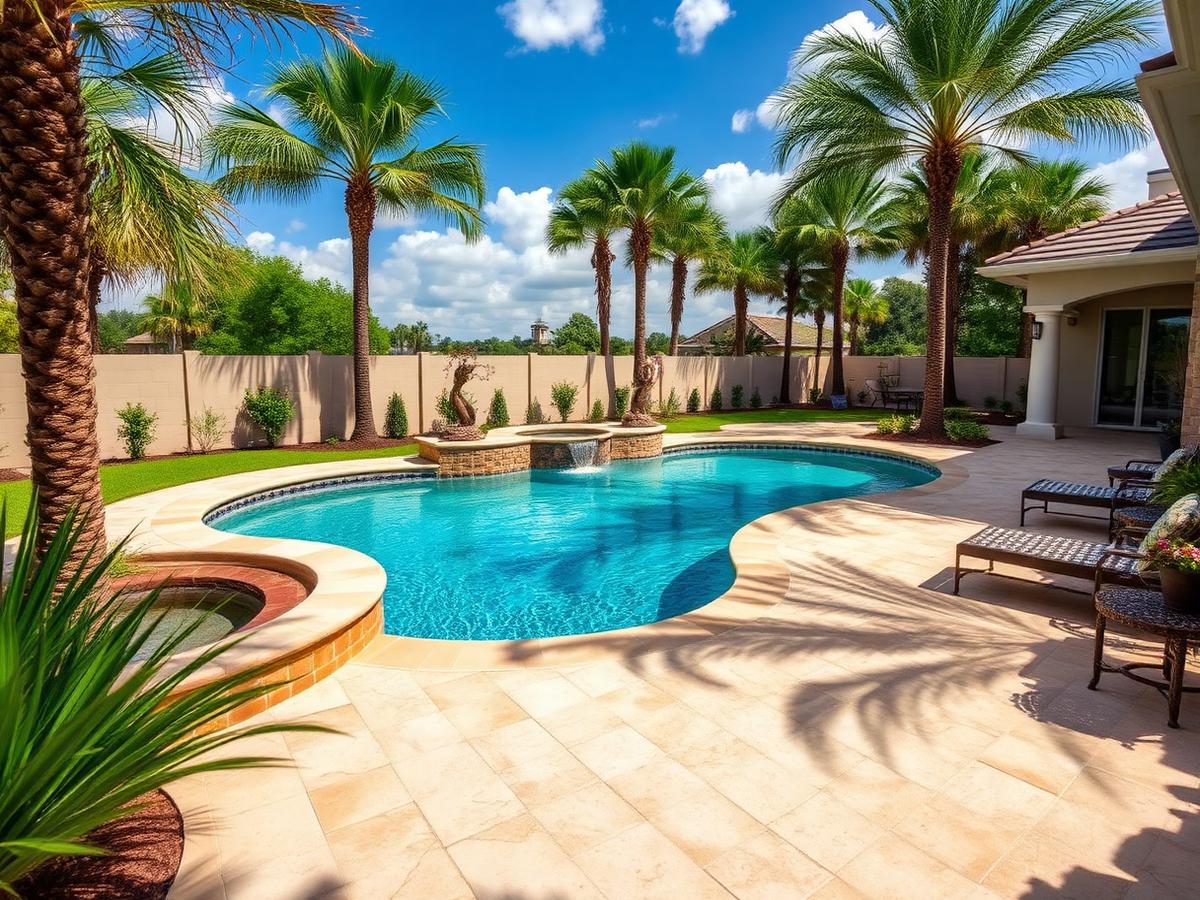
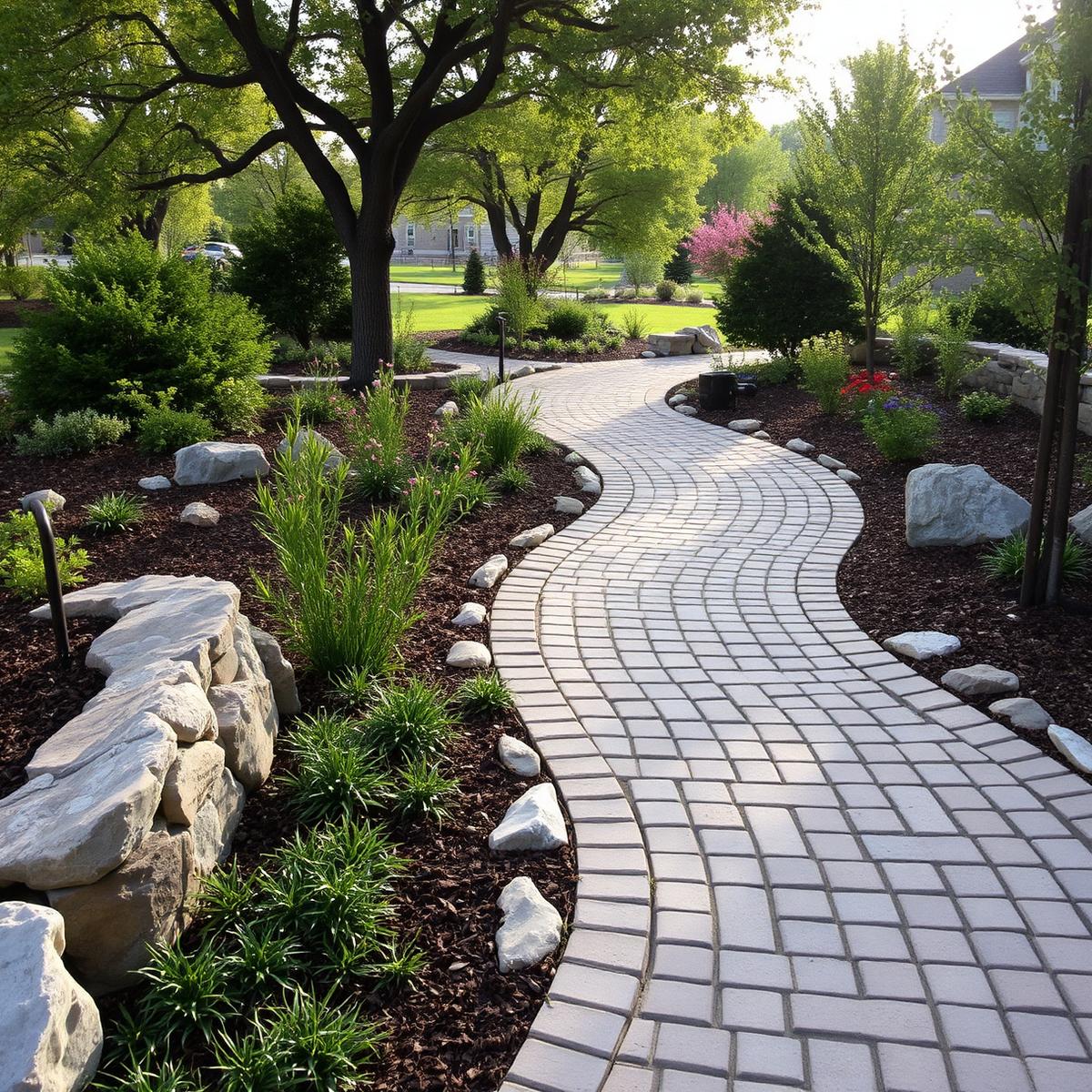
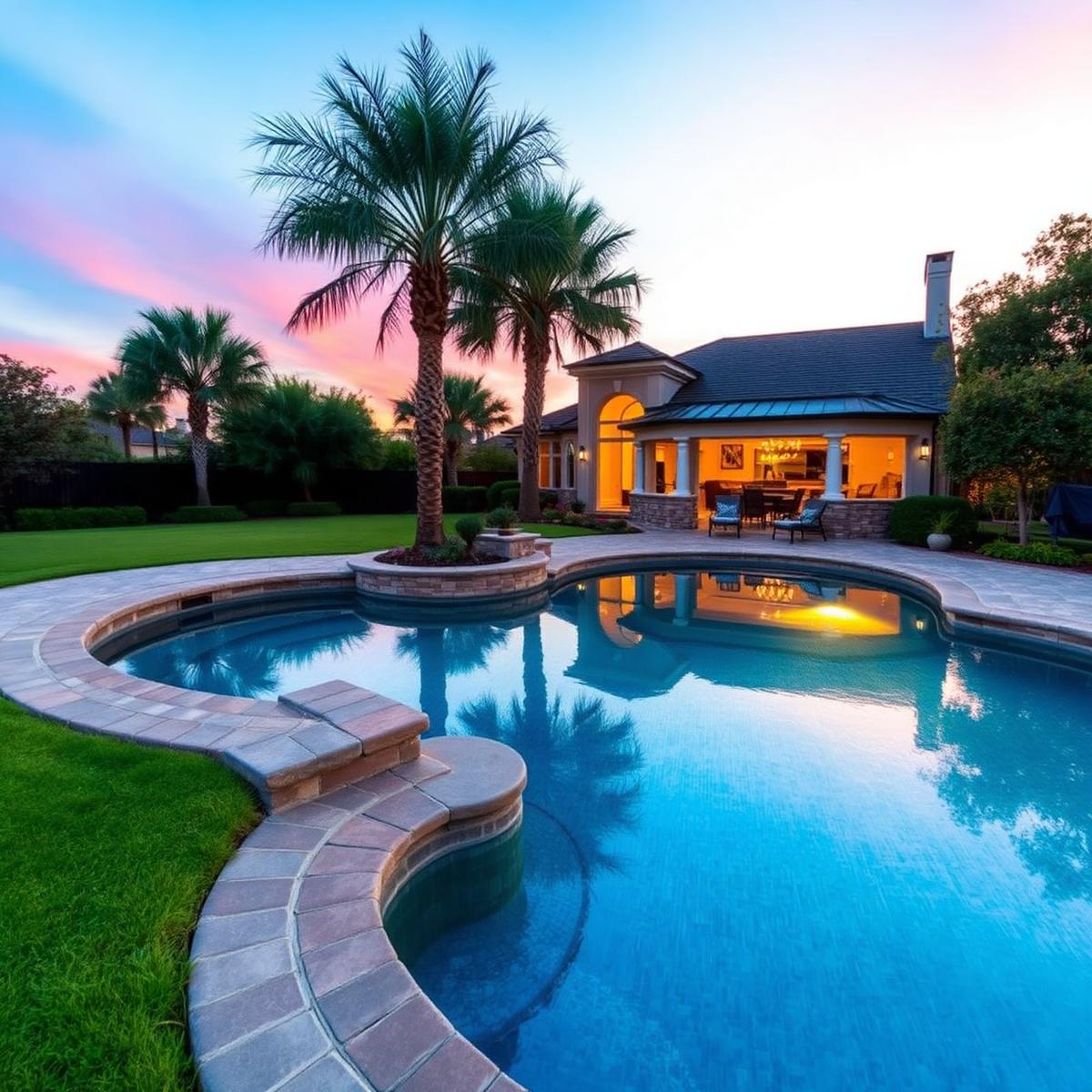
Sealing patio pavers in Prosper, Texas, requires high-grade solvent-based or water-based penetrating silane-siloxane sealers formulated to withstand 100°F+ summer temperatures and continuous saltwater pool splash-out. Saltwater contains dissolved sodium chloride, which penetrates unsealed concrete or natural stone pavers. As water evaporates rapidly under the intense North Texas sun, salt crystals expand inside the stone's pores—a damaging process known as efflorescence and sub-florescence that breaks down hardscapes from within.
At Paverston, we recommend deep-penetrating breathable sealers that bond below the surface rather than forming a thick topical plastic film. Topical coatings can trap moisture coming up from the subgrade, blister under direct sun, and turn yellow or cloudy. Sealing your pool deck or patio every 3 to 5 years blocks salt intrusion, locks in joint sand, and stops sun bleaching while preserving natural traction.
What this means for a DFW homeowner
Prosper homeowners face a unique combination of extreme weather factors: triple-digit summer heat, high UV exposure, and shifting native clay soils. When you add a saltwater pool system, the splash-out creates a persistent chemical threat to surrounding hardscapes. Unsealed concrete pavers and natural limestone absorbing salt water will experience spalling, flaking, and severe color loss within just a few seasons.
Failing to properly seal your pavers around a pool deck leads to high maintenance costs down the road. Unprotected pavers absorb organic stains like leaf tannins, grill grease, and iron from irrigation systems much faster. By applying a penetrating sealant, you create a hydrophobic barrier that forces saltwater to bead up on top of the paver where it can easily be rinsed away, protecting both the paver body and the joint sand underneath.
Best surface or material options for this project
Selecting the right hardscape material alongside the appropriate sealer formula is critical for long-term performance around Prosper pool decks and outdoor living areas.
- Concrete Pavers: Popular and durable, but concrete is inherently porous. They require silane-siloxane penetrating sealers or breathable water-based acrylics with a natural or satin finish to block salt pitting without making the surface slick.
- Travertine Pavers: Naturally cooler underfoot in the Texas sun, making travertine a top choice for pool decks. Travertine requires a non-film-forming, deep-impregnating sealer to seal its microscopic capillaries without filling the surface texture that provides slip resistance.
- Porcelain Pavers: Porcelain has an extremely low absorption rate (<0.5%), meaning the tiles themselves resist saltwater naturally. However, jointing compounds and border pavers still require specialized sealing and salt-resistant grout.
- Natural Flagstone or Limestone: Highly prone to salt erosion and spalling. If using flagstone in Prosper near a saltwater pool, continuous seal maintenance with an impregnating sealer is non-negotiable.
Base prep, drainage, and North Texas soil details
In Prosper and across Collin County, deep black clay soil swells dramatically when wet and shrinks during dry spells. Proper base preparation and water management are just as vital as the sealer itself to keep your patio intact.
- Base Construction: All paver patios and pool decks require a 6- to 8-inch crushed stone (flex base) foundation, compacted in layers over geotextile stabilization fabric. This separates the hardscape from expanding clay.
- Slope and Drainage: Pool decks must be sloped at least 1/8 to 1/4 inch per foot away from the pool cope and home foundation. Saltwater should never be allowed to stand or puddle on sealed pavers.
- Joint Sand Stabilization: Prior to sealing, joint sand (or polymeric sand) must be swept thoroughly into the joints and cured. The sealer then coats the sand grains, binding them together to prevent wash-outs during heavy DFW rainstorms and pool splash-out.
Cost guidance in Dallas–Fort Worth
Whether installing a brand-new custom pool deck in Prosper or sealing an existing patio, understanding DFW hardscape pricing helps you budget effectively. All Paverston full installations start at $20/sq ft.
| Project Type / Service | Price Range (Installed / Applied) | Details & Cost Factors |
| ---|--- | ---|
| Patio Paver Installation | $20 – $32 / sq ft | Includes base prep, excavation, sand, pavers |
| Pool Deck Paver Installation | $26 – $44 / sq ft | Includes pool coping integration & slope prep |
| Walkway Paver Installation | $20 – $32 / sq ft | Includes edge restraints & base compacting |
| Travertine or Porcelain Upgrade | +25% – 40% over base | Premium heat-resistant materials |
| Complex Paver Patterns | +15% – 25% labor | Herringbone, multi-size ashlar patterns |
| Existing Concrete Demolition | +$6 – $12 / sq ft | Slab breaking, removal, and haul-off |
| Existing Paver Demolition | +$4 – $8 / sq ft | Tear-out of old degraded hardscapes |
| Paver Cleaning & Sealing Service | $1.50 – $3.50 / sq ft | Deep wash, joint sand top-off, penetrating sealer |
What to look for in photos or during a site visit
When evaluating paver pool deck installations or sealer work in Prosper, examine finished projects closely:
- Coping-to-Deck Jointing: Look at the border where the paver deck meets the pool coping. The sealer should show consistent coverage without white salt ring buildup or flaking.
- Color Uniformity: A quality penetrating sealer enhances the rich tones of concrete or travertine uniformly, without creating dark blotches or a milky haze caused by trapped moisture.
- Joint Sand Stability: Check that joint sand is firm and sits just below the chamfered edge of the pavers, free from weeds or erosion gaps.
- Surface Texture: Step onto the deck under bright daylight. The surface should look natural and rich, not plastic-coated or excessively glossy, which can become slick when wet.
Paverston recommendation
For Prosper homes with saltwater pools, Paverston recommends pairing high-density concrete or natural travertine pavers with a professional-grade penetrating silane-siloxane sealer. Avoid cheap topical store-bought sealers; North Texas heat and saltwater will cause acrylic film coatings to turn cloudy and peel off within 12 to 18 months.
Need expert paver installation or pool deck sealing in Prosper? Call Paverston today at 214-228-1011 or visit /contact to schedule a free on-site consultation and quote.
Related questions
How often should pool deck pavers be sealed in Prosper?
Penetrating sealers around saltwater pool decks in Prosper should be reapplied every 3 to 5 years. High-use splash zones directly around coping may benefit from a touch-up inspection every 2 to 3 years.
Will sealing my patio pavers make them slippery around the pool?
Not if you use a penetrating impregnating sealer. Penetrating sealers soak directly into the paver's pores without building up a smooth surface film, preserving the original slip-resistant texture of your pavers.
Can saltwater pool splash-out permanently ruin unsealed pavers?
Yes. Saltwater penetrates unsealed concrete and natural stone. As heat evaporates the water, salt crystals expand inside the stone, causing micro-fractures, pitting, spalling, and severe surface erosion over time.
Can old, faded pavers around a Prosper pool deck be restored?
In most cases, yes. A professional restoration involves deep pressure washing to strip salt residues, clearing out old joint sand, applying fresh polymeric sand, and sealing with a color-enhancing penetrating sealer.