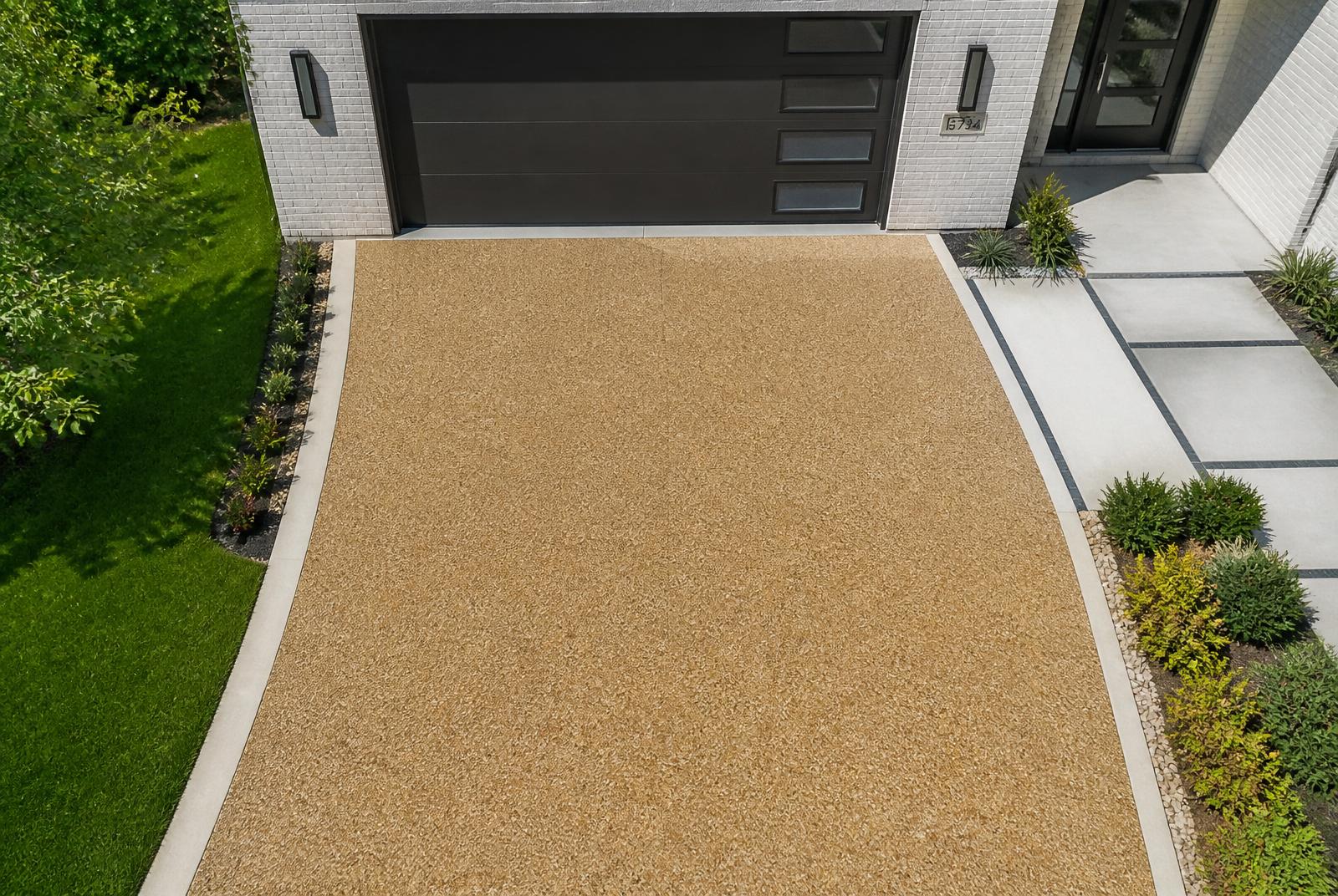
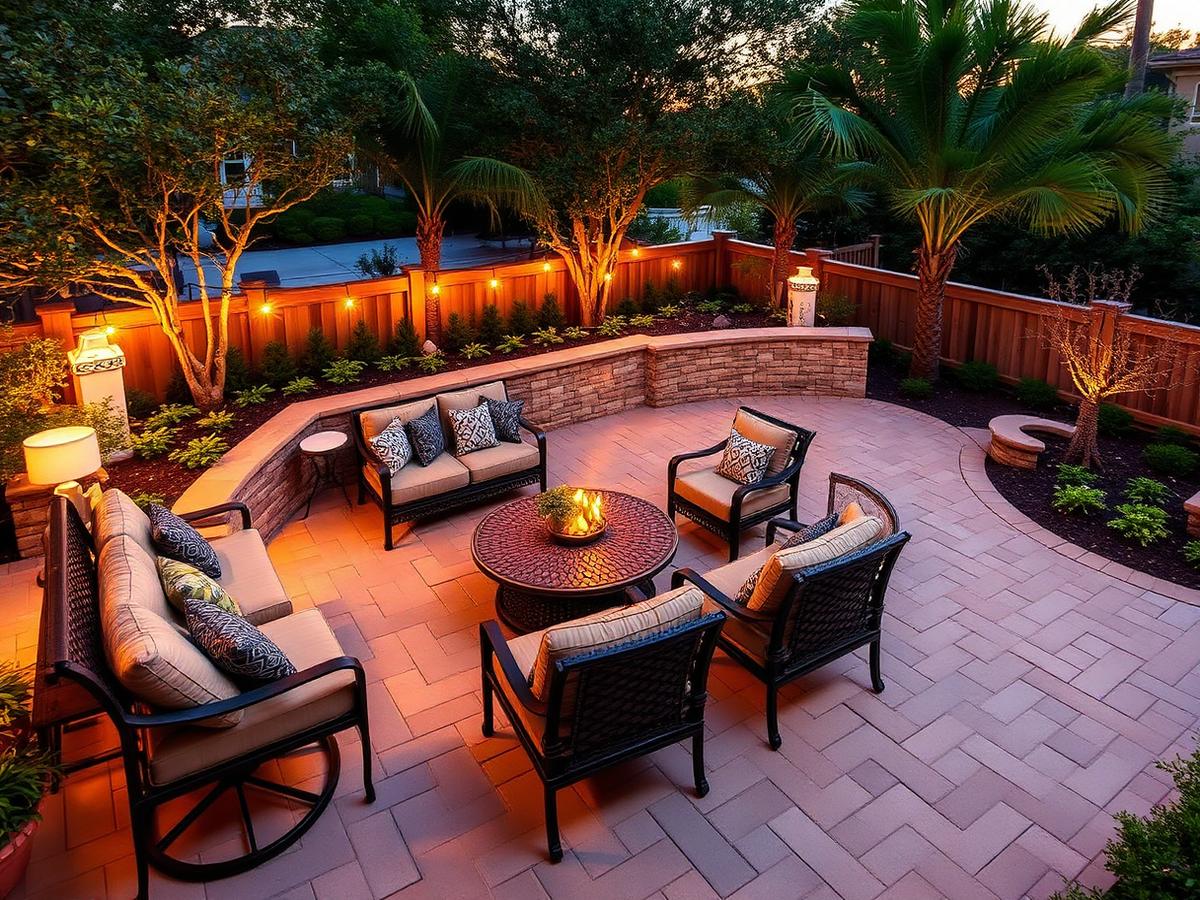
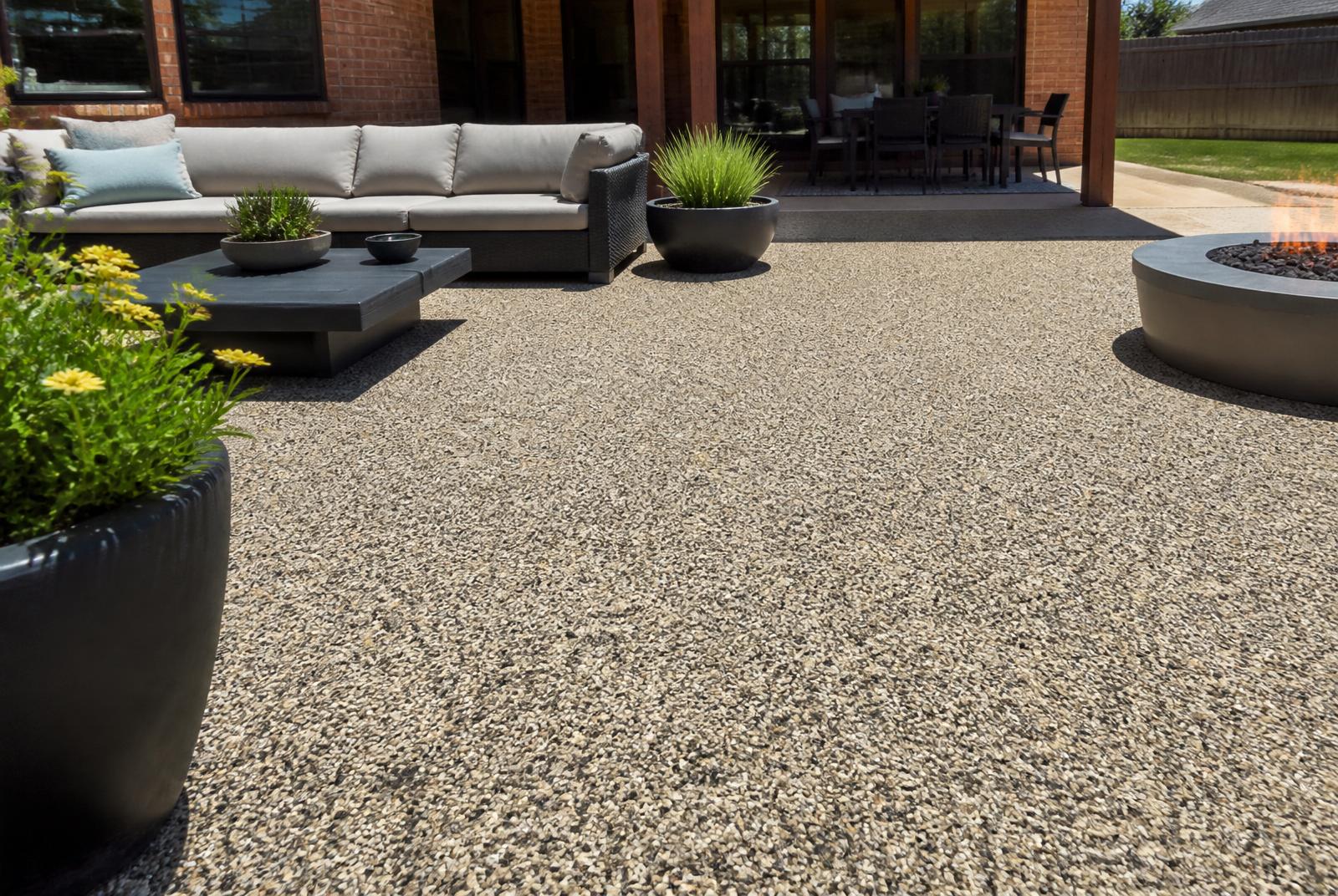
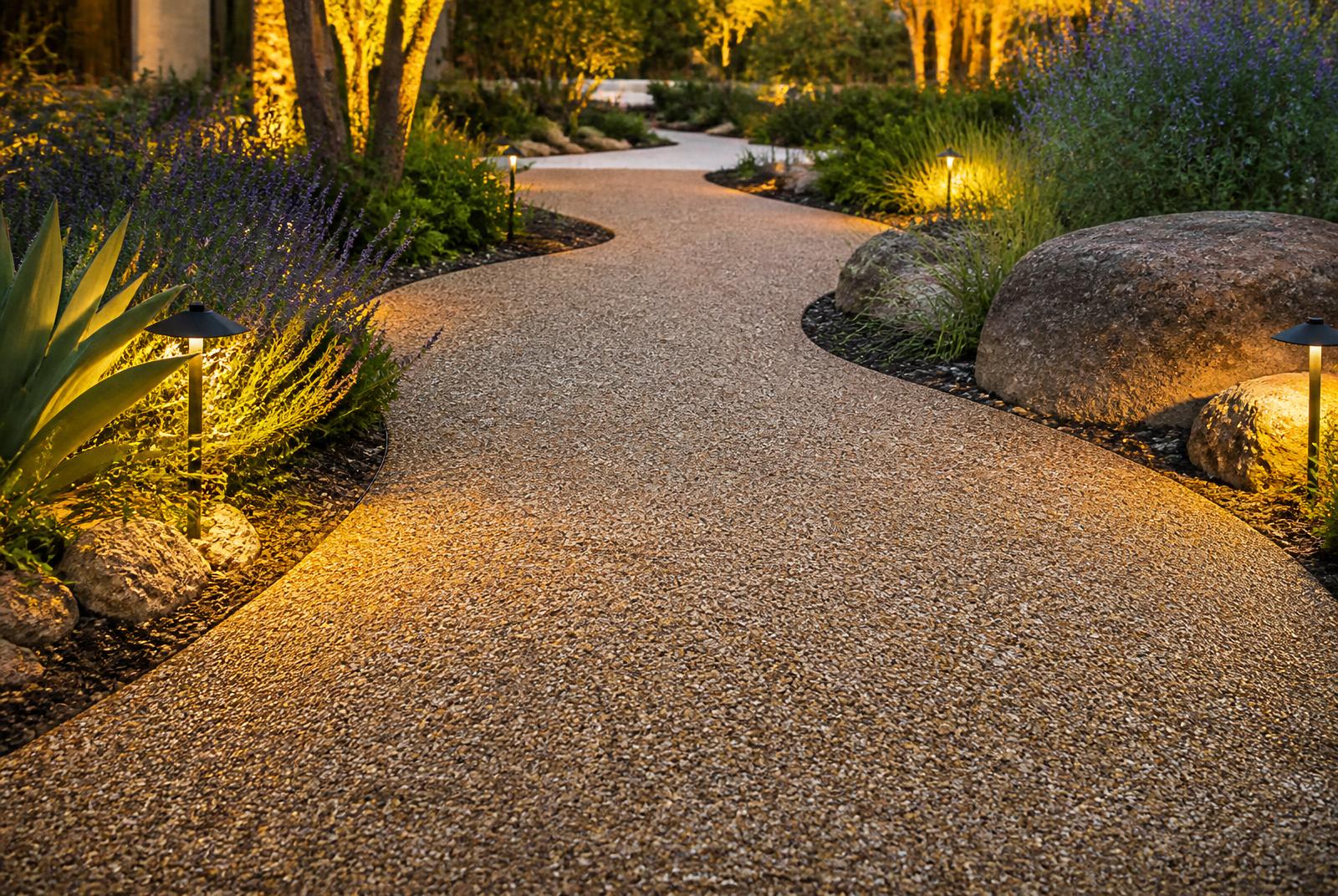
In Southlake, TX, installing a permeable paver driveway typically costs between $24 and $38 per square foot installed. For a standard 1,000-square-foot driveway, total project investments range from $24,000 to $38,000, while larger estate driveways featuring custom borders, complex site grading, or concrete demolition can reach $45,000 to $60,000+.
At Paverston, our transparent pricing reflects the specialized engineering required for permeable interlocking concrete paver (PICP) systems in North Texas. Unlike conventional hardscapes, permeable driveways demand deeper excavation and a multi-layered aggregate sub-base that serves as a subterranean stormwater reservoir, protecting your property against heavy rain events and intense ground movement.
What this means for a DFW homeowner
Southlake is recognized for custom estates, expansive lots, and proactive municipal stormwater oversight. Installing a permeable paver driveway solves two major challenges for local homeowners: managing storm runoff and resisting clay soil shifting.
Standard poured concrete slabs and tight-jointed pavers create impervious surfaces. During heavy DFW thunderstorms, rainwater sheets off these surfaces, overloading yard drainage, eroding landscaping, or pushing water toward your garage apron. Permeable pavers feature engineered joint gaps filled with clean crushed stone aggregate, allowing water to pass directly through the surface into an underground drainage bed. This runoff control reduces localized standing water while allowing moisture to infiltrate deep into the soil at a controlled rate, preventing foundation-damaging erosion.
Additionally, because permeable systems are composed of individual high-strength concrete pavers resting on a flexible stone base, the driveway moves naturally with seasonal soil expansion and contraction. Unlike continuous concrete slabs that crack when North Texas black clay swells in spring rains and shrinks in August heat, permeable paver driveways maintain structural integrity year after year.
Best surface or material options for this project
When selecting materials for a permeable driveway in Southlake, balancing structural load capacity with upscale curb appeal is paramount:
- Permeable Interlocking Concrete Pavers (PICP): The most reliable choice for primary driveways. These pavers feature built-in spacer nibs that maintain consistent 1/4-inch to 3/8-inch gaps between units. Available in smooth modern profiles, tumbled cobblestone styles, and slate-textured faces, PICPs effortlessly handle daily vehicular traffic, including heavy SUVs and delivery trucks.
- Large-Format Permeable Stone Hybrids: Designed for grand entrances, these concrete units emulate natural limestone or granite pavers. Paired with open-graded aggregate joints, they offer high luxury visual appeal with engineered stormwater drainage.
- Turf and Gravel Grid Pavers: Concrete grid systems allow grass or decorative gravel to fill open cells. While popular for secondary parking pads or long private gates, solid-surface PICPs remain the top choice for primary Southlake driveways due to easier maintenance and cleaner power-washing capabilities.
Base prep, drainage, and North Texas soil details
The long-term performance of a permeable driveway depends entirely on structural site preparation. Southlake rests on expansive clay subgrade that absorbs water rapidly and shifts significantly. Traditional sand-set paver bases hold trapped moisture against clay, leading to rutting and sinking under vehicle tires. Permeable installations eliminate sand fines entirely, relying on open-graded crushed aggregates:
- Deep Excavation (12 to 18 Inches): We excavate 12 to 18 inches below finished grade to construct a structural water reservoir beneath the drive.
- Geotextile Separation Fabric: A heavy-duty, non-woven geotextile fabric lines the clay trench. This fabric keeps the expansive clay from mixing into the clean stone aggregate while allowing filtered water to soak downward.
- Sub-Base Reservoir (#2 Stone): A 6- to 12-inch base layer of clean, crushed #2 ballast stone (1.5 to 2.5 inches in size) creates a high-capacity reservoir that temporarily holds stormwater during heavy rainfall.
- Base Choker Layer (#57 Stone): A 4-inch layer of open-graded #57 crushed limestone (1/2 to 1 inch) is spread and compacted over the reservoir to lock the larger stone in place.
- Bedding & Joint Layer (#8 Stone): A 1.5- to 2-inch bedding layer of clean #8 aggregate (3/8-inch pea gravel) supports the pavers. The same aggregate is swept into the joints. We never use polymeric sand or masonry sand on permeable driveways, as fine particles clog drainage voids.
- Concrete Edge Restraints: Reinforced heavy-duty concrete edge beams are installed along all open perimeters to lock pavers tight against lateral tire forces.
Cost guidance in Dallas–Fort Worth
Permeable paver driveway pricing depends on total square footage, demolition requirements, material choice, and site accessibility. Below is a detailed breakdown of realistic installed costs for Southlake and the DFW Metroplex:
| Project Type / Service | Cost per Sq. Ft. Installed | Typical 1,000 Sq. Ft. Project Total |
| :--- | :--- | :--- |
| Standard Permeable Paver Driveway (Standard PICP, Running Bond / Stack) | $24 – $30 | $24,000 – $30,000 |
| Premium Permeable Paver Driveway (Multi-piece pattern, Custom Borders) | $30 – $38 | $30,000 – $38,000 |
| Luxury Natural Stone Look / Porcelain Style (+25–40% Material Premium) | $32 – $44 | $32,000 – $44,000 |
| Existing Concrete Demolition & Haul-Off | +$6 – $12 | +$6,000 – $12,000 |
| Existing Paver Demolition & Haul-Off | +$4 – $8 | +$4,000 – $8,000 |
Key Cost Drivers
- Demolition Requirements: Removing an existing 4-inch reinforced concrete driveway adds $6 to $12 per square foot to overall site prep.
- Pattern Complexity: Incorporating double soldier course borders, contrasting sailor courses, or multi-size herringbone layouts increases installation labor by 15% to 25%.
- Site Drainage Connections: Properties with severe slope constraints may require overflow pipes connected to pop-up emitters or catch basins to route excess water toward lower lawn areas.
What to look for in photos or during a site visit
When evaluating a contractor’s portfolio or inspecting an ongoing driveway project, look for key technical markers:
- Clean Joint Aggregates: Joint spaces should be filled with clean, crushed aggregate up to 1/8 inch below the paver chamfer. Watch out for dirt, sand, or polymeric sand trapped in the joints, which ruins permeability.
- Crisp Perimeter Border Cuts: Border pavers adjacent to concrete curbs, sidewalks, or edge restraints should exhibit clean, diamond-blade saw cuts with uniform gaps.
- Flush Apron Transitions: The finished paver surface must sit perfectly flush with the garage slab and street curb to ensure smooth driving transitions without trip hazards.
- Verification of Open-Graded Base Layers: Ask to see photos of the excavation phase. You should see geotextile fabric and layers of clean, washed stone aggregate—not brown crushed road base (flexbase) or moist bedding sand.
Paverston recommendation
For Southlake homeowners replacing a cracked concrete drive or constructing a custom home, permeable interlocking pavers represent a superior, long-term investment. They elevate curb appeal while solving North Texas drainage and soil movement issues. However, skipping steps on excavation depth or aggregate selection will compromise the entire drive.
Paverston designs and constructs high-performance permeable paver driveways customized for DFW clay conditions. Every build features precision excavation, clean open-graded stone reservoirs, and heavy-duty edge restraints backed by clear, professional execution. Contact Paverston today at 214-228-1011 or submit an inquiry at paverston.com/contact to schedule a site visit and receive a detailed, line-item estimate.
Related questions
Do permeable pavers work well in Southlake's heavy clay soil? Yes. When built over a non-woven geotextile fabric and a 12- to 18-inch open-graded stone reservoir, permeable driveways store stormwater temporarily, allowing it to infiltrate the underlying clay slowly without undermining the structural base under your tires.
How do you clean and maintain a permeable paver driveway? Permeable driveways require minimal upkeep. Every 2 to 3 years, clear debris, leaves, and sediment from the joints using a pressure washer or specialized vacuum sweeper. Re-sweep fresh #8 aggregate into the joints if stone levels drop.
Can permeable paver driveways handle heavy vehicles like SUVs or RVs? Yes. Permeable interlocking concrete pavers carry compressive strengths of 8,000+ PSI—far exceeding standard poured residential concrete. Supported by compacted #2 and #57 crushed stone base layers, they comfortably handle daily trucks, large SUVs, and RV traffic.
Does Southlake require permits or HOA approval for permeable driveways? Most Southlake HOAs and the City of Southlake require site plan reviews prior to driveway construction. Because permeable pavers reduce impervious surface coverage on your property, city engineers and architectural committees view them favorably. Paverston provides full documentation and plan assistance for HOA and permit approvals.