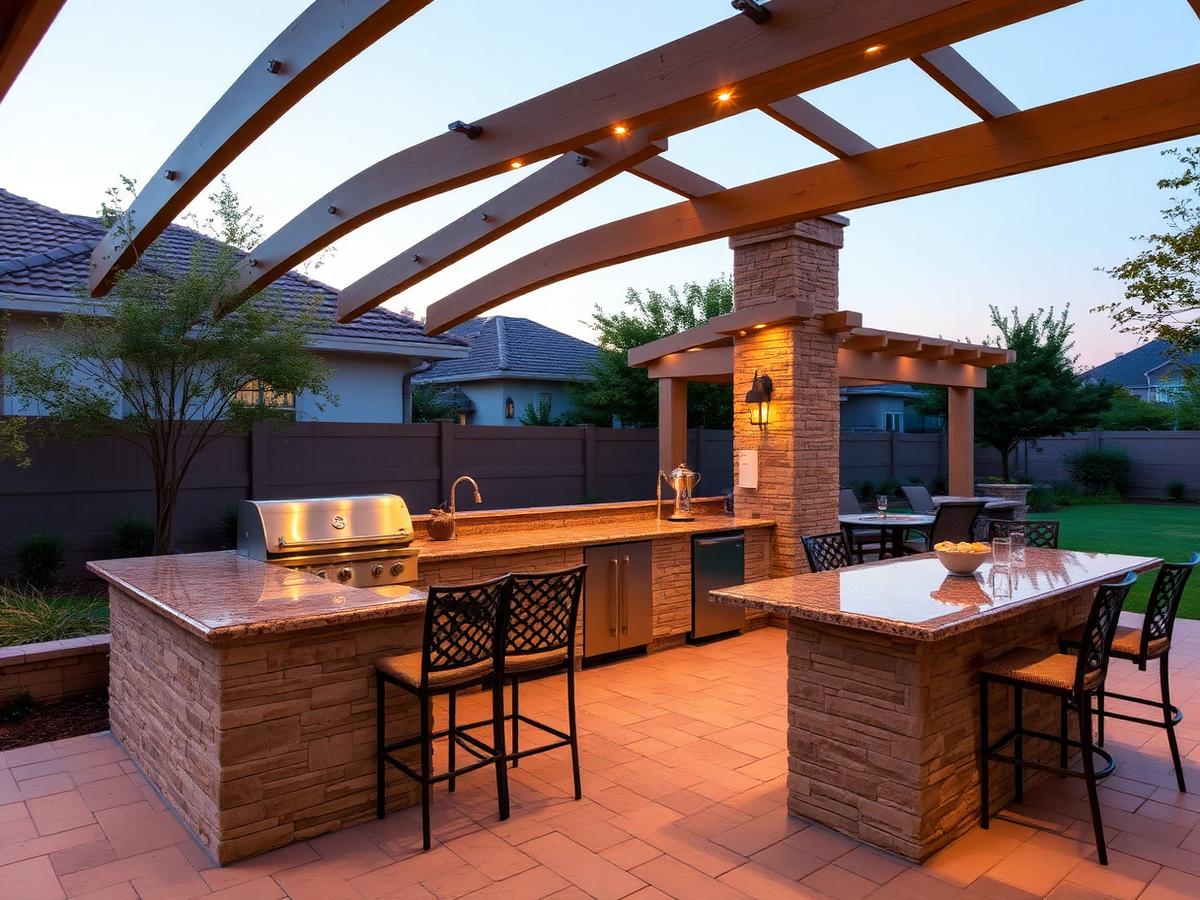
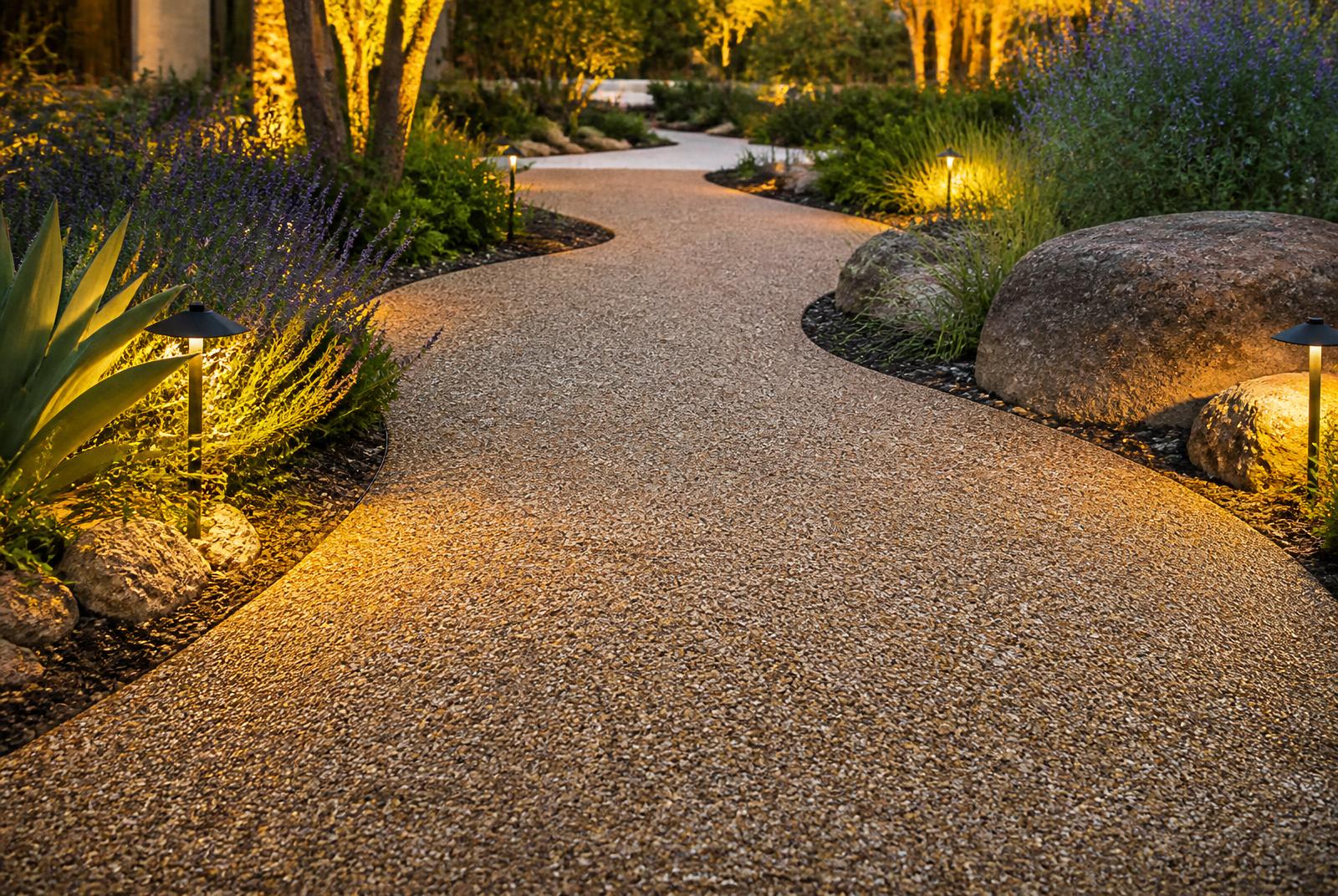
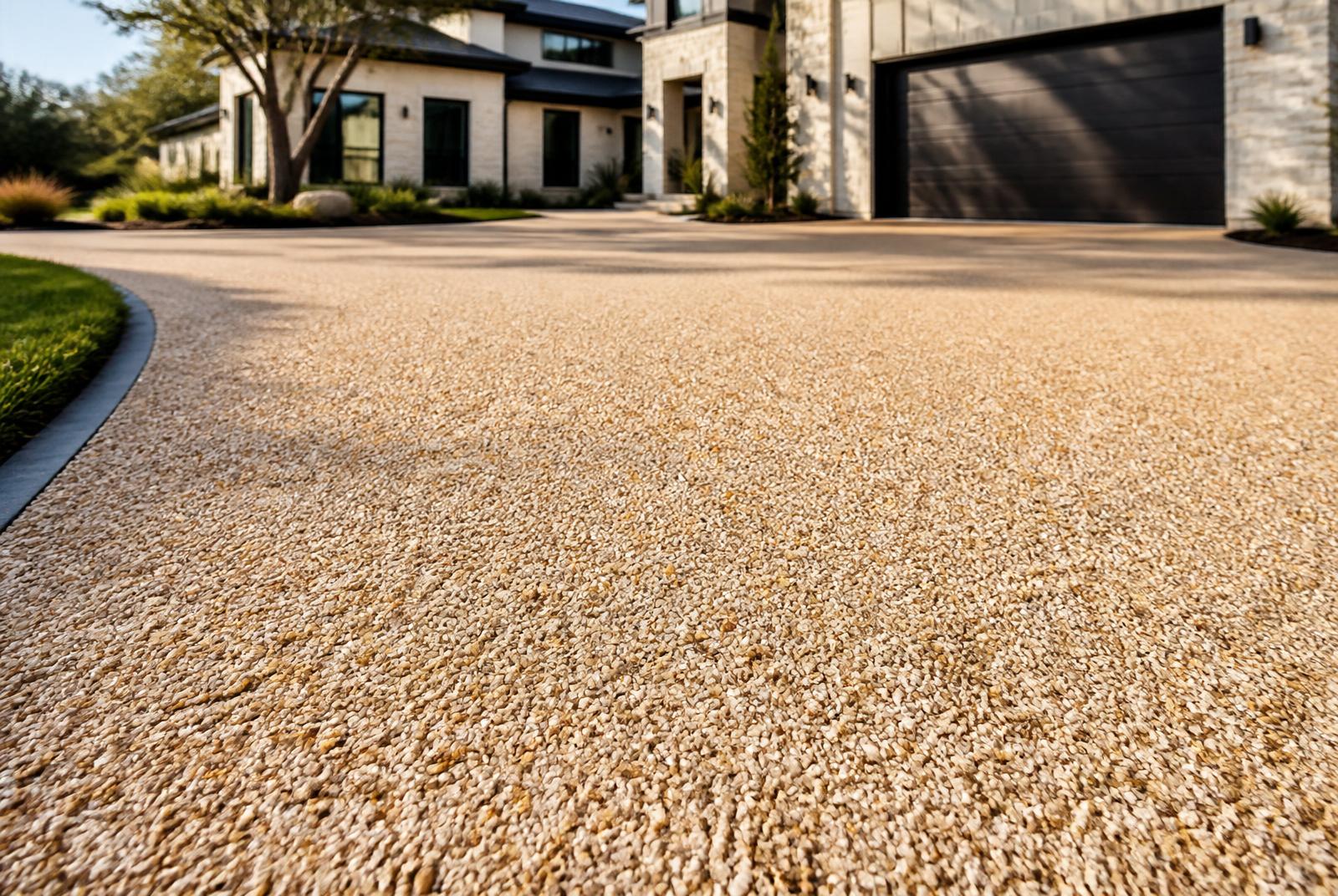
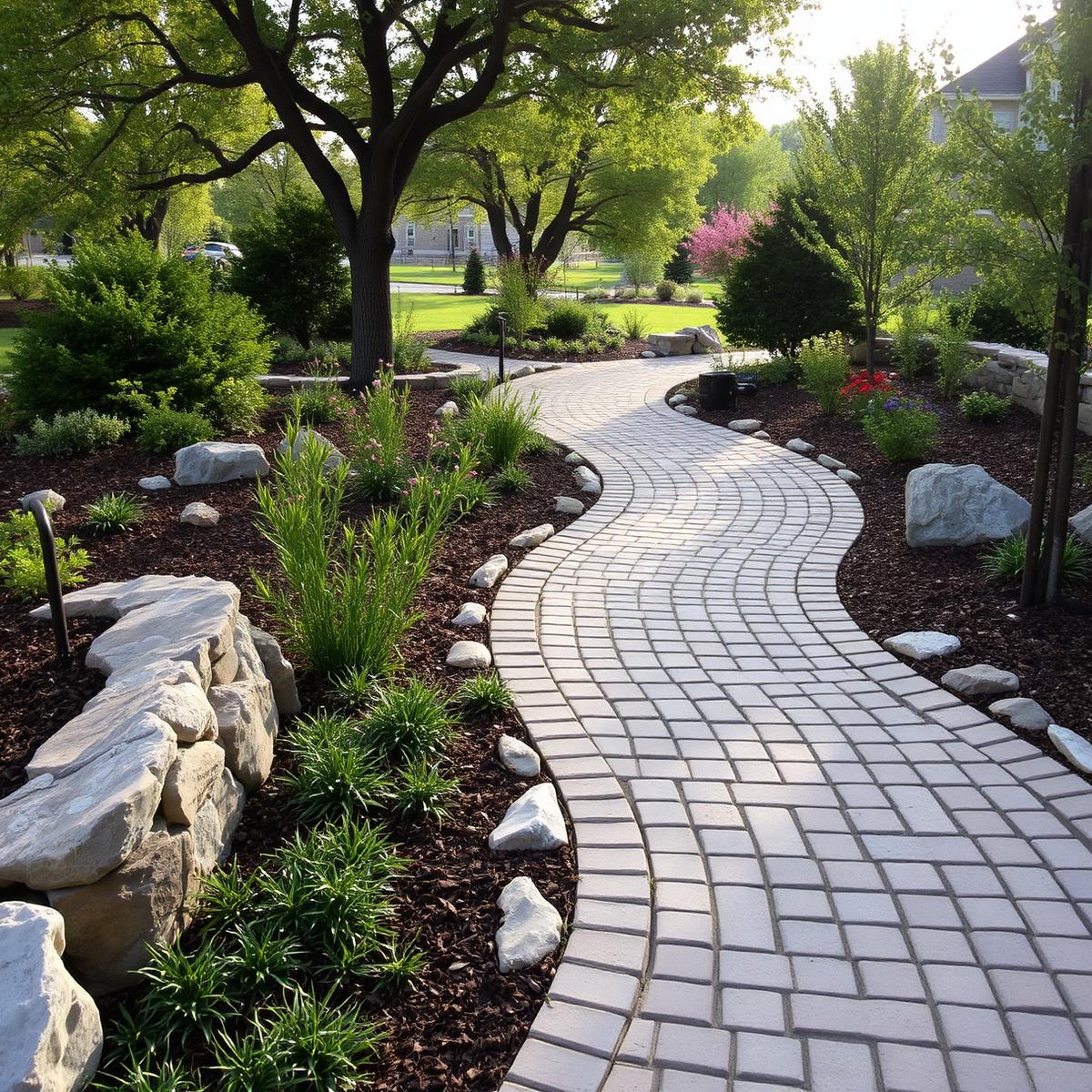
Installing pavers directly over an existing cracked concrete back patio in Celina, Texas, is technically possible under limited conditions, but in most cases, it is not recommended for a long-term, durable outdoor space. Celina sits squarely on North Texas Blackland Prairie clay, a soil type notorious for extreme expansion during wet months and severe shrinkage during hot summer droughts. When an underlying concrete patio cracks and shifts due to this soil movement, laying pavers directly over it without addressing the root cause will inevitably lead to reflective cracking, unleveled surfaces, and poor drainage.
At Paverston, we frequently inspect backyards in Celina neighborhoods where homeowners want to cover up an ugly, spiderwebbed concrete slab. While a thin paver overlay using 1-1/4 inch pavers can work over a structural, non-shifting slab with minor surface hairline cracks, any slab exhibiting vertical offset, wide structural fractures, or active movement requires complete concrete demolition. Removing the cracked slab and installing a flexible aggregate base allows your new paver patio to absorb natural ground heave without structural failure.
What this means for a DFW homeowner
For homeowners in Celina and surrounding Collin County communities, hardscape longevity depends almost entirely on how your hardscape reacts to soil movement. Concrete is rigid; when the clay beneath it expands or shrinks, concrete resists until it breaks. Once a concrete patio cracks into distinct slabs, those individual pieces act like seesaws when the moisture level changes in the soil.
If you place concrete or natural stone pavers directly over a cracked patio that is still actively shifting, those movements transfer directly into your new surface. Over time, you will notice pavers popping up, sinking along crack lines, or separating at the joints. Additionally, laying pavers over concrete raises your patio's finished height by 2 to 3 inches. In many Celina homes, this elevation increase can create hazardous steps at back doorways, cover up weep holes on brick veneer, or redirect rainfall runoff back toward your home's foundation.
Best surface or material options for this project
Depending on the condition of your existing patio slab, you have two primary construction paths to consider:
- Thin Concrete Overlay Pavers (1-1/4" Thick): Designed specifically to be laid over existing sound concrete. They work best if your concrete slab has minimal hairline cracks, no vertical displacement, and positive drainage slope already established. They save on concrete removal costs but require border retention like concrete sand-locking mortar or border curbing.
- Standard Interlocking Concrete Pavers (2-3/8" Thick): The industry standard for residential patio construction. These pavers require full concrete demolition and the installation of a proper crushed stone base. Standard pavers handle North Texas freeze-thaw cycles and severe clay swelling seamlessly because the flexible joint system adjusts without cracking.
- Travertine or Porcelain Pavers (1-1/4" to 2" Thick): Excellent high-end options for Celina backyards, particularly around covered patios or future pool zones. Travertine stays cool under the intense Texas summer sun, while porcelain offers ultra-low absorption and stain resistance. Both materials require strict base preparation to prevent cracking under load.
Base prep, drainage, and North Texas soil details
Proper base preparation is the single most critical factor when building a patio in North Texas. If a site inspection determines that your cracked concrete slab must be removed, the new installation process follows rigid engineering guidelines:
- Demolition and Excavation: The cracked concrete slab is broken up and removed. Excavation continues down 8 to 10 inches below the intended final grade to eliminate sub-base soft spots.
- Geotextile Fabric Placement: A high-strength woven geotextile fabric is laid over the native Celina clay subgrade. This prevents fine clay particles from migrating up into your aggregate base when wet.
- Flexible Aggregate Base: We install 4 to 6 inches of compacted crushed limestone base (often referred to as Flex Base or TxDOT Grade 4 gravel). This layer is compacted in 2-inch lifts using a mechanical plate compactor to achieve 98% compaction.
- Bedding Sand Layer: A crisp 1-inch layer of coarse concrete sand is screeded over the compacted base to provide a uniform setting bed for the pavers.
- Slope and Drainage Management: Every patio must slope away from the house at a minimum rate of 1/4 inch per foot (1% to 2% grade). In yards where existing slope is flat, area drains or French drain systems are integrated directly into the hardscape design.
- Polymeric Joint Sand: Once the pavers are laid and cut to fit, polymeric sand is swept into the joints and vibrated into place. Water activation cures the sand, locking the pavers together while remaining flexible enough to resist weed growth and insect infestation.
Cost guidance in Dallas–Fort Worth
All professionally installed paver projects in the DFW metroplex start at $20 per square foot. Total project investment varies based on whether your existing concrete patio can be overlaid safely or requires full demolition and excavation.
Below is a realistic pricing guide for patio hardscaping in Celina and the greater DFW region:
| Project Type / Option | Average Installed Cost per Sq. Ft. | Notes / Key Factors |
| :--- | :--- | :--- |
| Paver Overlay on Sound Concrete | $20 – $28 / sq. ft. | Applies only to stable slabs with minor hairline cracks. Includes thin pavers & adhesive. |
| Standard Paver Patio (New Base) | $20 – $32 / sq. ft. | Includes excavation, fabric, crushed aggregate base, bedding sand, and pavers. |
| Concrete Slab Demolition & Removal | $6 – $12 / sq. ft. | Demolition cost added to base paver installation when removing existing cracked slab. |
| Travertine or Porcelain Paver Upgrade | $26 – $44 / sq. ft. | Premium natural stone or technical porcelain (+25% to 40% material premium). |
| Complex Patterns or Custom Inlays | +15% to 25% | Multi-size borders, circle kits, or herringbone cut patterns (+15% to 25% labor). |
What to look for in photos or during a site visit
When reviewing project portfolio photos or examining your current outdoor patio during a site evaluation, focus on these critical visual details:
- Door Sills and Weep Holes: Look at photo details where pavers meet the home. Pavers should never cover brick weep holes or rise flush with exterior door thresholds where water could enter during heavy North Texas downpours.
- Crack Elevation Differences: Place a level across cracks on your current concrete slab. If one side of the crack is higher than the other (vertical offset), overlaying is not an option—the concrete must be demolished.
- Border Edge Restraints: Check portfolio images for clean, structural border edges. Overlay edges should show finished mortar capping or metal edge restraints to keep perimeter pavers from sliding outwards.
- Water Pooling: Look closely at photographs taken after rain. High-quality installations show uniform drying with no standing water along the patio edges or house foundation.
Paverston recommendation
For 90% of cracked concrete patios in Celina, Paverston strongly recommends complete demolition of the existing slab followed by a full excavation and installation of a flexible crushed aggregate base. Attempting to overlay pavers directly over unstable, shifting concrete in North Texas clay soil almost always results in premature hardscape failure within 2 to 4 years.
By replacing the rigid concrete with an engineered interlocking paver system on a compacted gravel base, your patio will naturally flex with seasonal soil movement without cracking. If you have an existing back patio in Celina and want a professional evaluation of your slab condition, contact Paverston today at paverston.com/contact or call us directly at 214-228-1011 to schedule a free site consultation.
Related questions
Can you lay sand on top of concrete before placing pavers?
Yes, but only if proper drainage holes are drilled along low points in the concrete and a retaining border is installed. If sand is laid on concrete without drainage pathways, water will accumulate in the sand layer, causing the pavers to shift, become spongy, and wash out joint sand.
How thick must overlay pavers be when covering concrete?
Overlay pavers are typically 1-1/4 inches (30mm) thick, compared to standard 2-3/8 inch (60mm) pavers. Using thinner pavers helps keep door clearance and brick weep holes clear while reducing overall weight on the underlying surface.
Do I need a permit for a paver patio in Celina, TX?
In Celina, standard ground-level paver patios usually do not require a municipal building permit unless you are adding a roof structure, altering primary site drainage, or encroaching on utility easements. However, HOA approval is almost always required before starting construction.
What happens if I overlay pavers over active concrete cracks?
If you overlay pavers over active concrete cracks, soil expansion beneath the slab will cause the concrete sections to move independently. This movement causes reflective cracking in mortar beds and creates uneven, trip-hazard ridges across your new paver surface.