Interlocking pavers easily last 30 to 50+ years in the intense North Texas heat—frequently outlasting traditional poured concrete slabs by decades. While solid poured concrete expands, bakes, and cracks under sustained 100°F+ summer temperatures and relentless UV exposure, a professionally installed paver system uses individual units that flex with thermal shifts without suffering structural failure.
At Paverston, we install high-grade concrete, travertine, and porcelain paving systems across the Dallas–Fort Worth metroplex that withstand scorching summers, sudden cold snaps, and heavy flash rains. The key to this exceptional lifespan isn't just the high-density material itself; it is the flexible interlocking joint system and rigid crushed-stone sub-base engineered specifically to handle DFW's extreme climate.
What this means for a DFW homeowner
Dallas–Fort Worth experiences some of the most aggressive thermal stress in North America. Surface temperatures on outdoor hardscapes during July and August can top 140°F. For traditional concrete patios and driveways, this heat forces monolithic expansion, leading to unsightly surface spalling, spiderweb cracking, and structural shear.
Paver systems handle heat differently:
- Thermal Expansion Relief: Because a paver surface consists of hundreds of individual stones bound by specialized sand joints, the hardscape expands and contracts micro-fractionally. The joints absorb the movement, eliminating the internal pressure that destroys poured slabs.
- UV Protection & Pigment Stability: Modern architectural pavers use integral iron-oxide pigments and dense aggregate mixes that resist UV degradation. While unsealed budget pavers can fade slightly over a decade, sealing preserves their rich color indefinitely.
- No Surface Buckling: Unlike asphalt, which softens and deforms in Texas heat, or continuous concrete, which buckles under extreme pressure, pavers maintain structural integrity regardless of temperature.
Best surface or material options for this project
Choosing the right material for your DFW patio, pool deck, or driveway directly impacts heat comfort and surface longevity.
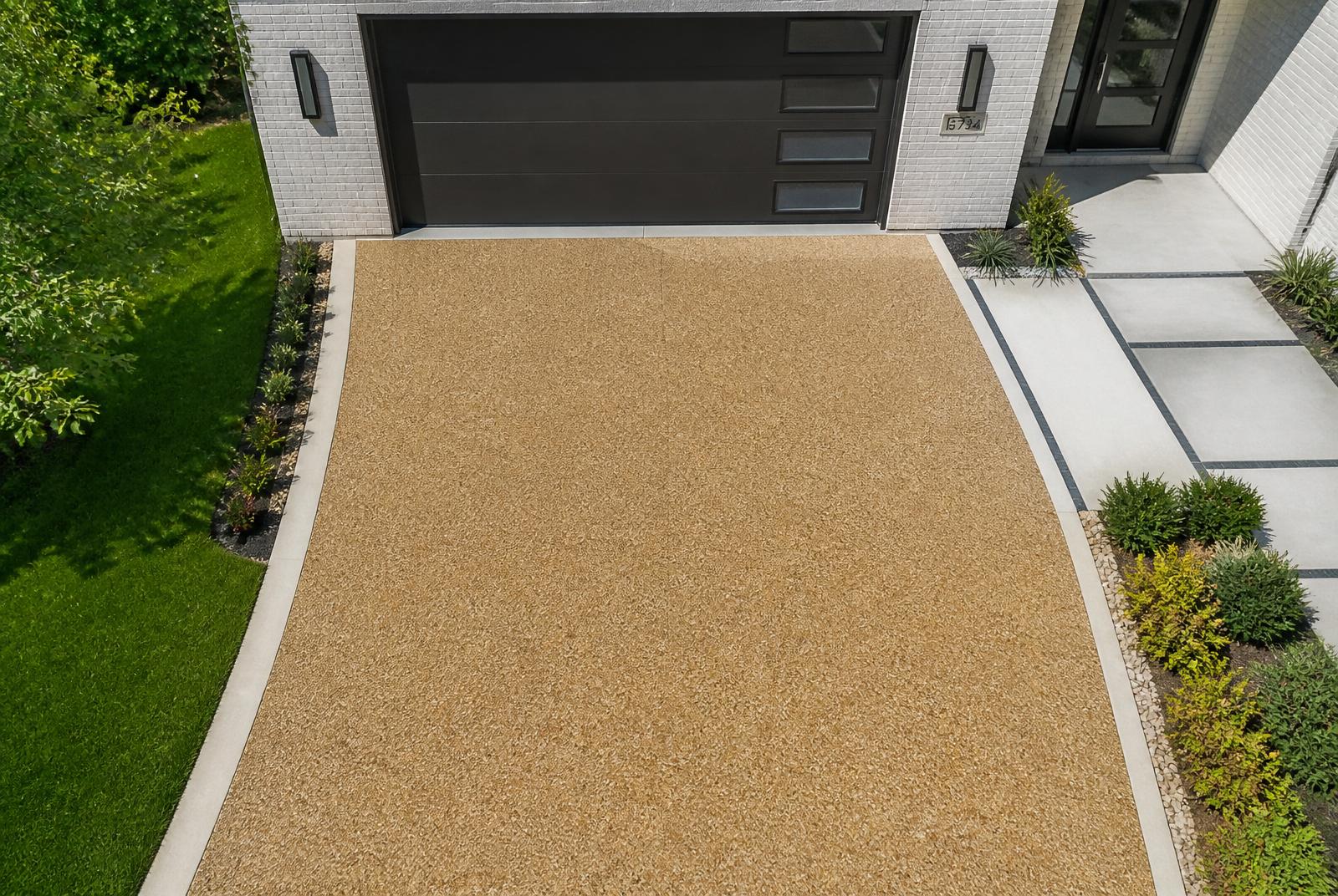
- Interlocking Concrete Pavers: Rated at 8,000+ PSI (more than double standard poured concrete), concrete pavers last 30 to 50 years. They are the standard for driveways, patios, and walkways. Applying a UV-resistant penetrating sealer every 3 to 5 years keeps colors vibrant under intense sun exposure.
- Travertine Natural Stone: Travertine naturally reflects solar heat and stays remarkably cool underfoot, making it the premier choice for DFW pool decks and sun-exposed patios. Natural travertine lasts 50 to 100+ years and will never fade from UV light.
- Porcelain Pavers: Engineered porcelain offers zero thermal fading, extreme stain resistance, and a 50+ year lifespan. Because porcelain absorbs virtually no water, it is unaffected by extreme heat cycles or sudden winter freezes.
Base prep, drainage, and North Texas soil details
Heat is only half the battle in Dallas–Fort Worth. The underlying culprit behind most hardscape failures is North Texas Blackland Prairie clay soil. Expansive clay acts like a sponge, swelling dramatically when wet during heavy spring storms and shrinking tightly during prolonged summer droughts.
If you lay pavers directly on sand or thin aggregate over clay, heat-induced soil shrinkage will cause sunken spots and rutting within two seasons. A long-lasting installation requires:
- Deep Excavation: Digging out 8 to 12 inches of native clay to remove sub-grade instability.
- Compacted Crushed Stone Base: Installing 6 to 8 inches (for patios and pool decks) or 8 to 12 inches (for driveways) of crushed flex-base gravel, compacted in layers to 98% density.
- Polymeric Joint Sand: Sweeping polymeric sand into joints and activating it with water creates a flexible, durable bond. Polymeric sand holds up against extreme thermal expansion, prevents weed growth, and resists rain washout.
- Positive Slope Drainage: Setting a minimum 1/4-inch per foot slope ensures heavy summer deluge water drains away immediately, preventing pooling water from baking into water spots or weakening the edge restraints.
Cost guidance in Dallas–Fort Worth
All DFW paver work at Paverston starts at $20 per square foot installed. Below is a realistic investment guide based on current DFW material and labor rates.
| Project Surface / Material | Typical Lifespan in DFW | Heat Resistance & Comfort | Installed Cost (Per Sq. Ft.) |
| :--- | :--- |
|---|
| Standard Concrete Pavers (Patios & Walkways) | 30–50 Years | High Durability; Moderate Surface Heat | $20 – $32 |
| Heavy-Duty Driveway Pavers (80mm thick) | 30–50 Years | Superior Structural Load Capacity | $22 – $38 |
| Natural Travertine Pavers (Pool Decks & Patios) | 50–100+ Years | Excellent Reflection; Stays Cool | $26 – $44 |
| Architectural Porcelain Pavers | 50+ Years | Zero Fading; High Thermal Resistance | $28 – $42 |
| Concrete Slab Demolition (If Replacing Old Slab) | N/A | Sub-base Prep Addition | +$6 – $12 |
| Existing Paver Removal / Prep | N/A | Site Prep Addition | +$4 – $8 |
Note: Complex laying patterns, circular designs, or retaining wall integrations add 15% to 25% to project costs.
What to look for in photos or during a site visit
When evaluating paver installations across North Texas, pay attention to these key details that prove a hardscape was built for extreme heat:
- Tight, Even Joint Lines: Look at driveway and patio photos to ensure individual pavers haven't shifted, gapped, or rutted under heavy vehicle or foot traffic.
- Color Uniformity: Check older pool deck or outdoor kitchen projects to confirm colors remain rich rather than washed-out or chalky.
- Secure Edge Restraints: Verify that snap-edge or concrete bond beams are completely hidden and securing the perimeter. Without proper edging, heat expansion and soil shifting will push border pavers outward.
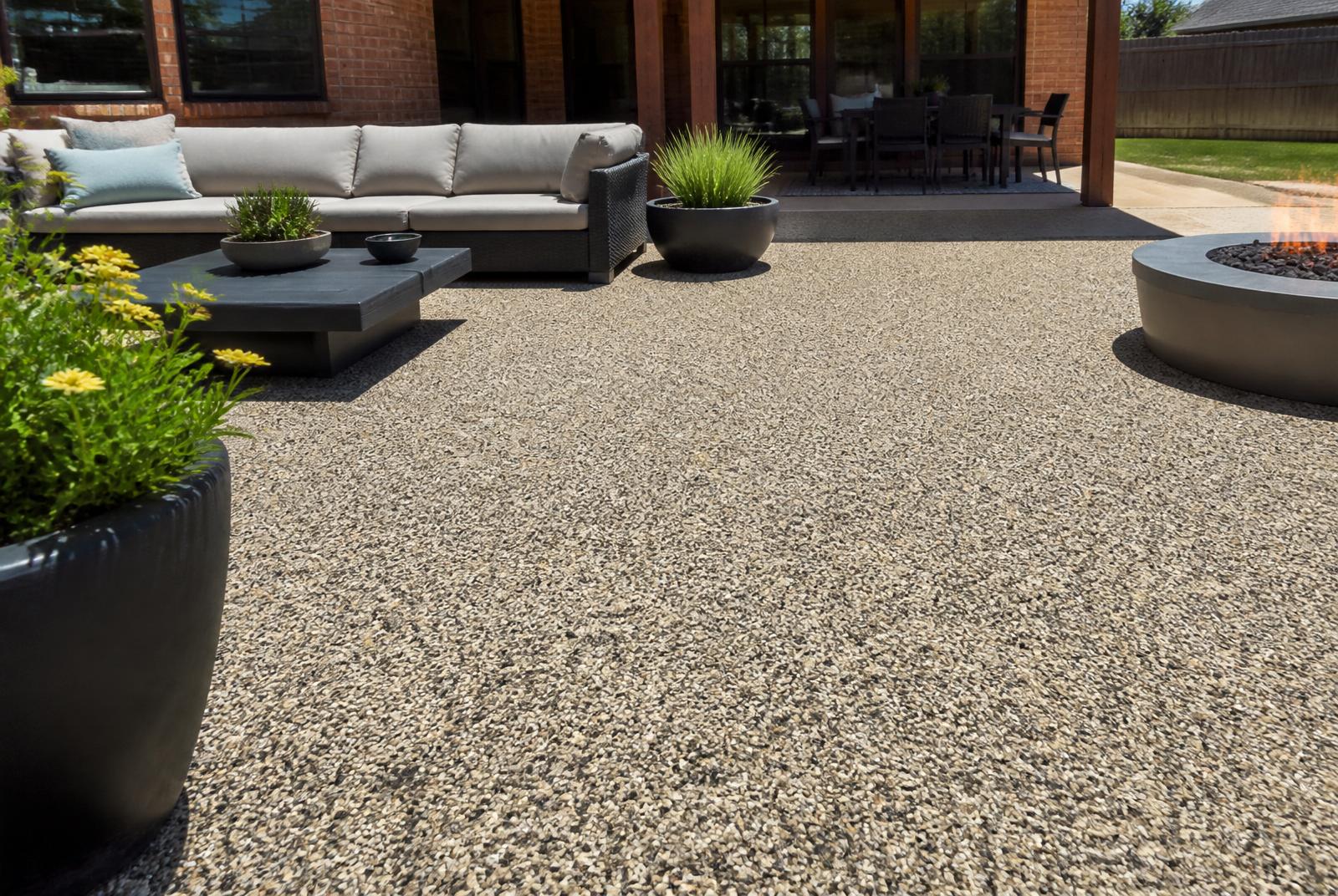
- Flawless Leveling around Features: Look closely at transitions around pool coping, turf borders, and fire pits to ensure zero tripping hazards or sunken edges.
Paverston recommendation
For most DFW homeowners building a new patio or driveway, high-density concrete pavers offer the ideal balance of strength, longevity, and design versatility. If you are building a bare-foot pool deck exposed to full summer sun, we strongly recommend lighter shades of natural travertine or specialized porcelain to keep surface temperatures cool.
To ensure your investment lasts 30 to 50+ years, choose a contractor who never cuts corners on base depth, soil compaction, or drainage planning.
Ready to upgrade your outdoor living space with a hardscape built for the North Texas climate? Contact Paverston today at 214-228-1011 or visit our online contact page to schedule a free, on-site estimate.
Related questions
Do pavers get too hot to walk on in DFW summers?
Darker concrete pavers absorb solar radiation and become hot during peak July afternoon sun. However, lighter shades of concrete pavers, as well as natural travertine stone, stay significantly cooler underfoot than standard dark stamped concrete, brick, or asphalt.
Will Texas sun fade the color of concrete pavers?
Unsealed concrete pavers can experience mild surface lightening over a decade due to UV exposure. Using high-grade pavers with integral iron-oxide pigments and applying a quality UV-blocking sealer every 3 to 5 years prevents sun fading completely.
Why do pavers outlast poured concrete slabs in Dallas?
Continuous concrete slabs crack because they cannot accommodate the dual pressure of North Texas clay soil expansion and extreme thermal expansion. Pavers feature an interlocking joint network that flexes naturally with soil and heat movement without cracking.
How often should pavers be sealed in North Texas?
We recommend sealing concrete pavers every 3 to 5 years in DFW. Sealing protects the surface pigments from intense UV rays, locks joint sand in place during heavy rainstorms, and prevents oil stains on driveways.