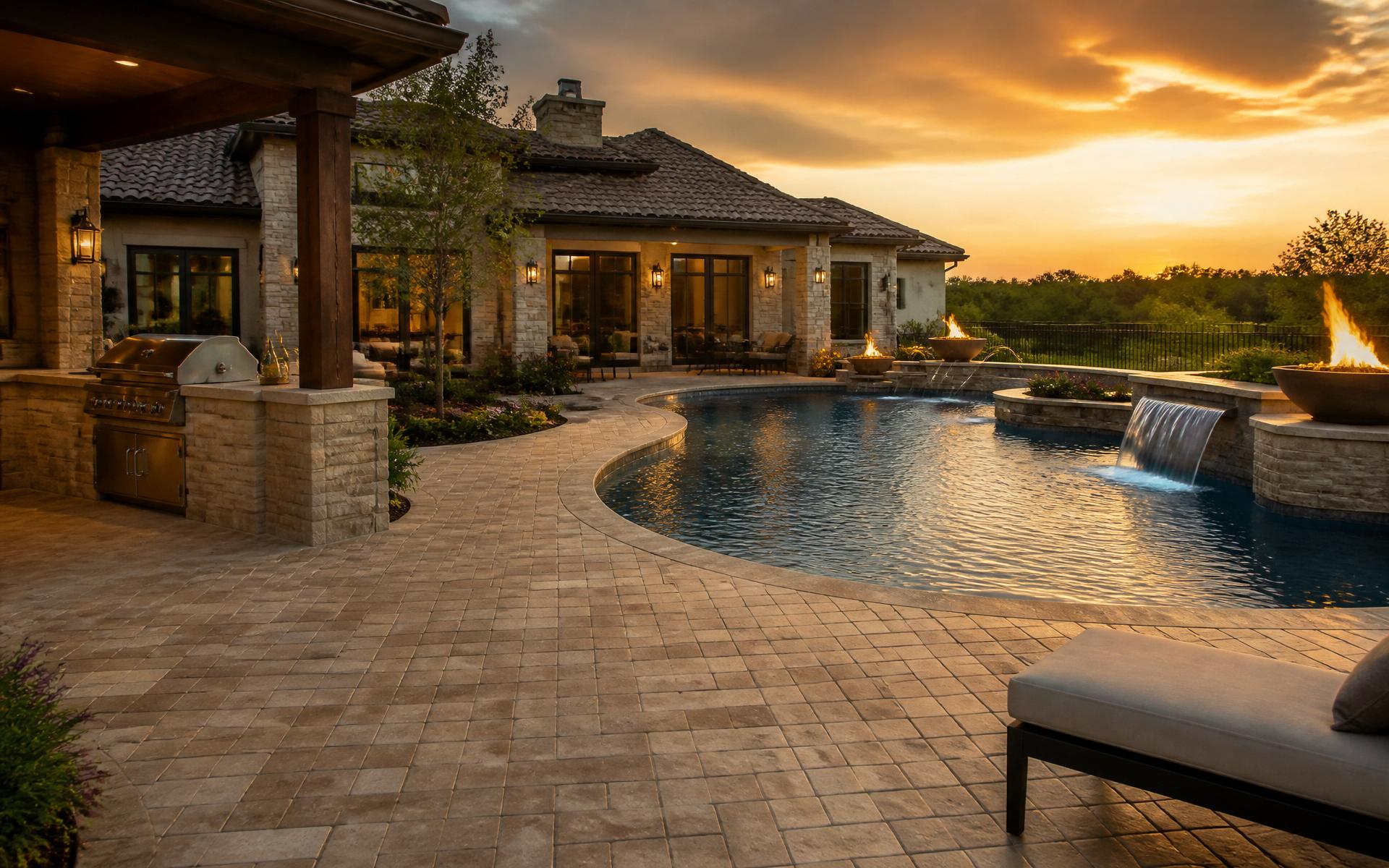
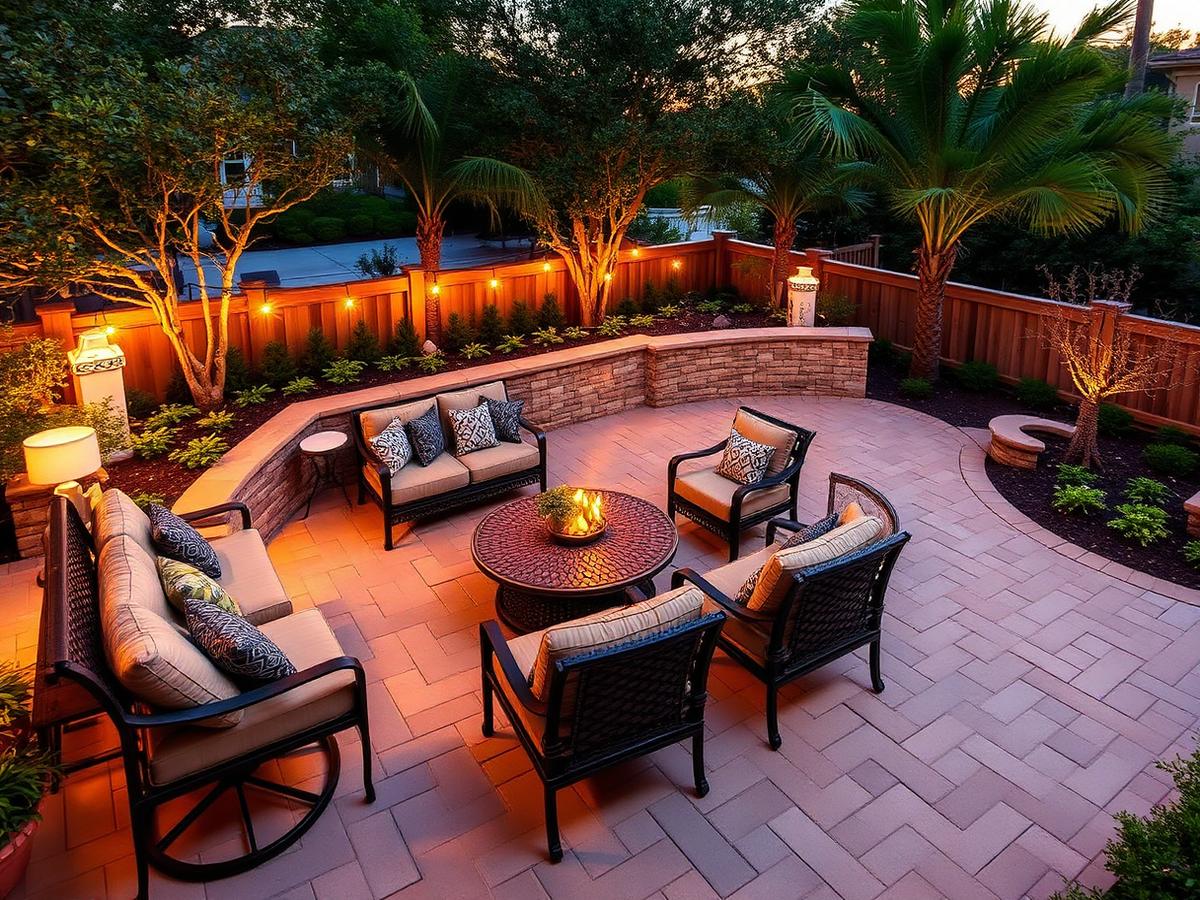
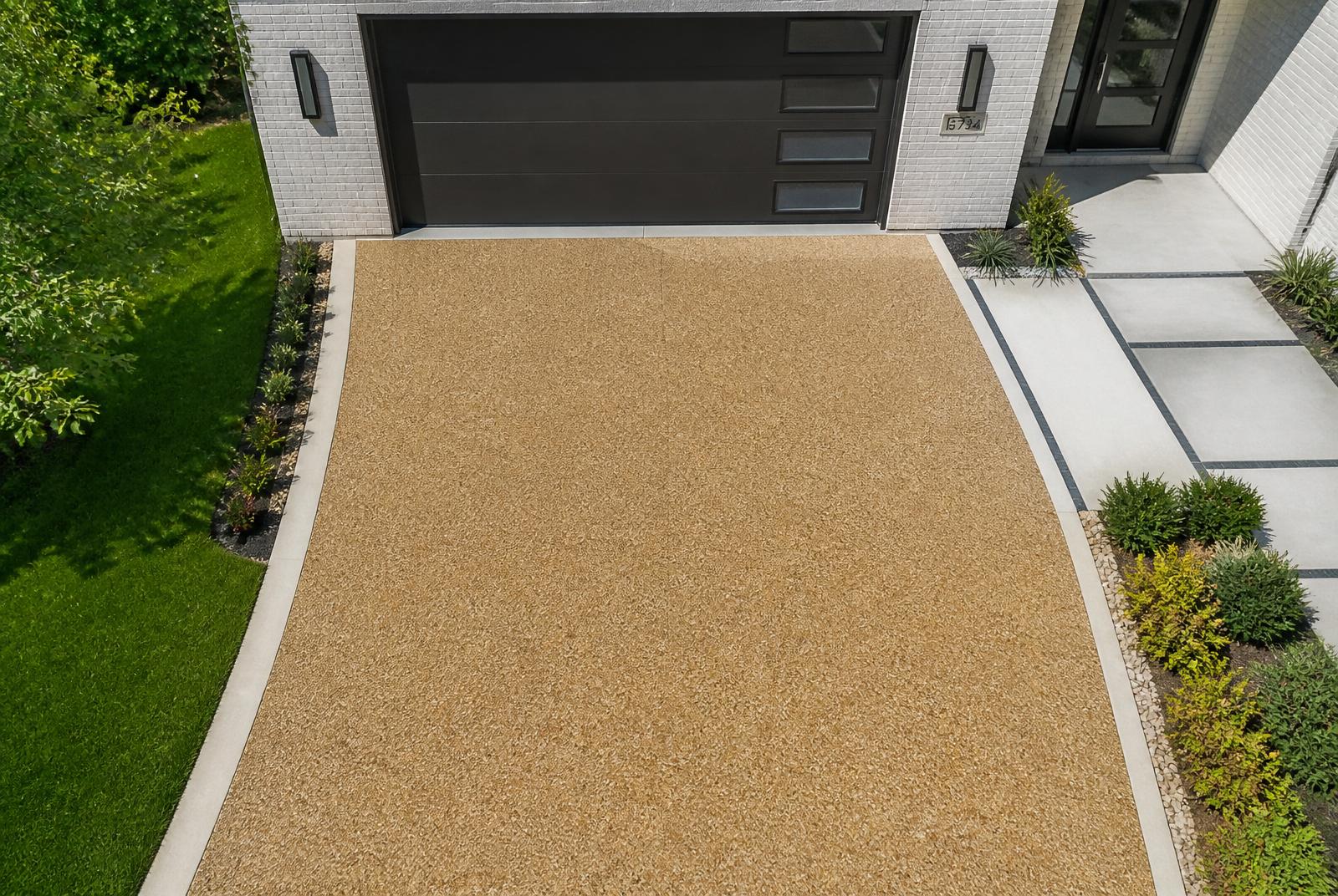
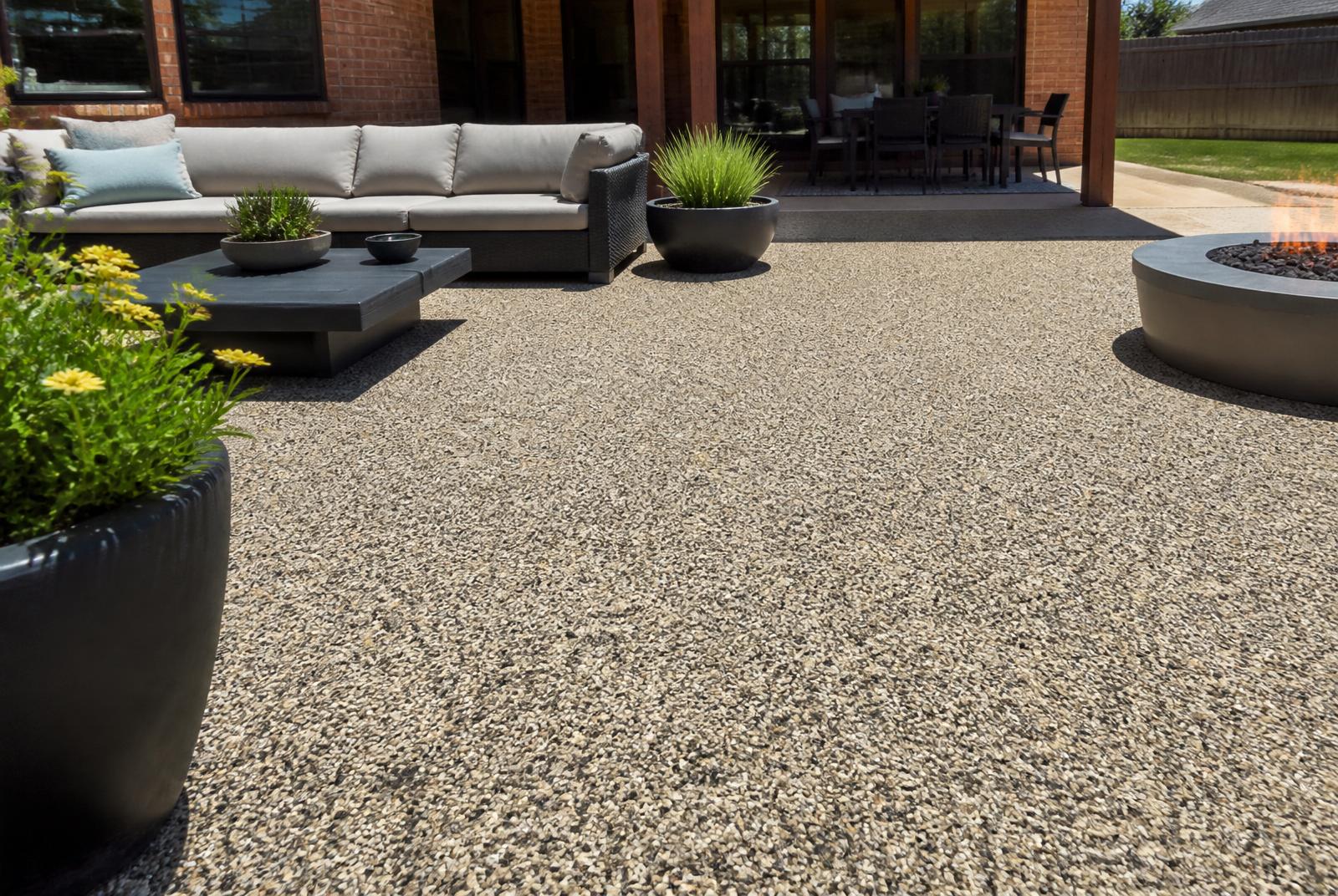
Natural stone travertine, textured outdoor porcelain, and high-density concrete pavers represent the best paving options for pool decks in Texas. In the intense Dallas–Fort Worth summer climate, a pool deck surface must do three jobs simultaneously: reflect solar radiation so bare feet don't burn, provide secure footing when wet, and absorb ground movement without cracking.
At Paverston, we install hardscapes tailored to the aggressive North Texas environment. Plain poured concrete frequently cracks across DFW backyards due to soil shifting, but an interlocking paver system offers dynamic flexibility. Choosing the right material ensures your pool surround remains safe, cool, and pristine for decades.
What this means for a DFW homeowner
When upgrading or building a pool deck in the Metroplex, surface temperature and slip safety are your daily priorities. Dark materials or untextured tiles quickly become unusable during July and August when ambient temperatures cross 100°F. Additionally, pool water—especially from saltwater generator systems—can degrade soft or improperly sealed materials.
North Texas soil presents another critical challenge. The expansive black clay underlying Collin, Dallas, Tarrant, and Denton counties expands dramatically during spring rains and shrinks during dry summers. Rigid poured slabs crack because they cannot handle this movement. Individual pavers set on a flexible base move with the soil shifts without structural failure, making them the most durable choice for DFW pool decks.
Best surface or material options for this project
1. Natural Travertine Pavers
Travertine remains the gold standard for Texas pool decks. Because travertine is a natural limestone formed in hot springs, it contains micro-cavities that slow heat transfer. Light shades—such as Ivory, Walnut, or Durango—stay noticeably cooler than concrete or dark flagstone under direct midday sun. Unfilled, tumbled travertine offers a natural, highly slip-resistant texture that feels comfortable underfoot.
2. Architectural Outdoor Porcelain Pavers
Thick (2cm) outdoor-grade porcelain pavers have surged in popularity across North Texas homes. Engineered specifically for exterior use, porcelain absorbs almost zero water (less than 0.05%), making it immune to damage from pool chemicals, salt water, or freeze-thaw cycles. Top manufacturers add textured, anti-slip finishes (rated R11 or higher) that mimic wood or natural stone while remaining exceptionally cool and stain-resistant.
3. High-Density Textured Concrete Pavers
Modern concrete pavers designed for pool decks offer immense design versatility and high compressive strength (typically 8,000+ PSI). Select smooth or subtle slate-textured styles in light earth tones or sandy shades. While slightly warmer underfoot than light travertine, concrete pavers treated with light-reflective pigments stay far cooler than standard brushed concrete or dark pavers.
Base prep, drainage, and North Texas soil details
The beauty of your surface material matters little if the foundation shifts out of level. Around a DFW pool, proper subgrade preparation is essential to prevent settlement against pool copings and walls:
- Excavation & Geotextile Fabric: We excavate 7 to 9 inches below grade, removing organic topsoil and exposing the clay layer. We lay down heavy-duty woven geotextile fabric to separate the native clay from our base aggregate, preventing soil intrusion.
- Crushed Stone Base: A 4- to 6-inch compacted crushed stone base (such as Flexbase or crushed limestone) is compacted in 2-inch lifts. This creates a dense, load-bearing layer that sheds water and resists heave.
- Bedding & Joint Sand: Pavers are set on a 1-inch uniform bed of concrete sand or fine crushed aggregate. Joints are filled with high-grade polymeric sand, which seals the joints against water intrusion, weeds, and ants while retaining flexible movement.
- Drainage Slope: Pool decks must slope away from the water edge at a minimum gradient of 1/4 inch per foot. We incorporate channel drains or slot drains seamlessly into the paver layout to manage heavy North Texas thunderstorms.
Cost guidance in Dallas–Fort Worth
In the DFW market, professional paver pool deck installation starts at $20/sq ft for basic projects, with dedicated pool deck installations typically falling between $26 and $44 per square foot depending on material selection, coping details, and access.
| Material / Service Option | Estimated Cost Range (Installed) | Key Considerations |
| :--- | :--- | :--- |
| Standard Concrete Paver Deck | $26 – $34 / sq ft | Durable, high strength, excellent variety of light colors |
| Premium Travertine Paver Deck | $32 – $44 / sq ft | Exceptional heat resistance, luxury aesthetic, non-slip |
| Architectural Porcelain Paver Deck | $32.50 – $44 / sq ft | Zero chemical absorption, highly fade/stain resistant, ultra-modern |
| Demolition of Existing Concrete Deck | +$6 – $12 / sq ft | Hauling away old poured concrete deck before base prep |
| Complex Patterns / Borders | +15% – 25% base cost | Custom soldier courses, double borders, or diagonal layouts |
Note: All Paverston hardscape projects start at $20/sq ft minimum installed.
What to look for in photos or during a site visit
When evaluating previous pool deck projects or inspecting your home site, pay close attention to these execution details:
- Coping Alignment: The transition from pool coping to the main paver deck should display uniform joints without awkward height gaps or rough cuts.
- Drainage Integration: Drains should lie perfectly flush with surrounding pavers so they do not create tripping hazards or collect standing water.
- Color Uniformity & Heat Reflection: Observe how light falls on the stone; quality installations blend pavers from multiple pallets to ensure rich, balanced color distribution.
- Edge Restraints: Secure edge restraints (concrete bond beams or commercial paver edging) must be visible at perimeter borders to prevent lateral spreading over time.
Paverston recommendation
For most Dallas–Fort Worth pool decks, Paverston recommends light-colored tumbled travertine or textured 2cm outdoor porcelain. Light ivory travertine provides unbeatable comfort for barefoot summer swimming, while textured porcelain offers unmatched stain resistance against outdoor cooking, red clay splatters, and pool water treatments.
To ensure your new pool deck handles DFW clay movement perfectly, work with a specialized team that handles excavation, drainage, and installation to strict regional standards. Contact Paverston today at 214-228-1011 or visit our /contact page to schedule an on-site consultation and get an exact quote for your pool surround.
Related questions
Do travertine pavers get hot around a Texas pool?
Light-colored travertine (such as Ivory or Sand) absorbs significantly less solar heat than standard concrete, flagstone, or brick. While any outdoor material gets warm under the 100°F North Texas sun, light travertine stays comfortable enough for bare feet throughout summer afternoon hours.
How do pavers hold up against saltwater pool systems?
Saltwater systems can degrade soft porous stone or poorly sealed concrete over time. Outdoor porcelain pavers are completely unaffected by salt water. If you choose natural travertine or concrete pavers, Paverston applies a specialized penetrating sealer that shields the material from salt recrystallization and chemical etching.
Can pavers be installed directly over an existing concrete pool deck?
Yes, if the existing concrete slab is structurally sound and unshifted, pavers or thin travertine overlays (1.25-inch thickness) can be installed using a specialized mortar or drainage bed method. However, if the old slab is severely cracked or tilted due to DFW clay soil, full demolition ($6–$12/sq ft) and a fresh aggregate base are required.
Are pavers slippery when wet around a pool?
Tumbled travertine and textured 2cm porcelain pavers offer superior slip resistance when wet compared to smooth brushed concrete or glazed tile. Tumbled travertine features natural micro-pores that create friction, while exterior porcelain is engineered with specific slip-resistant surface textures designed for wet barefoot environments.