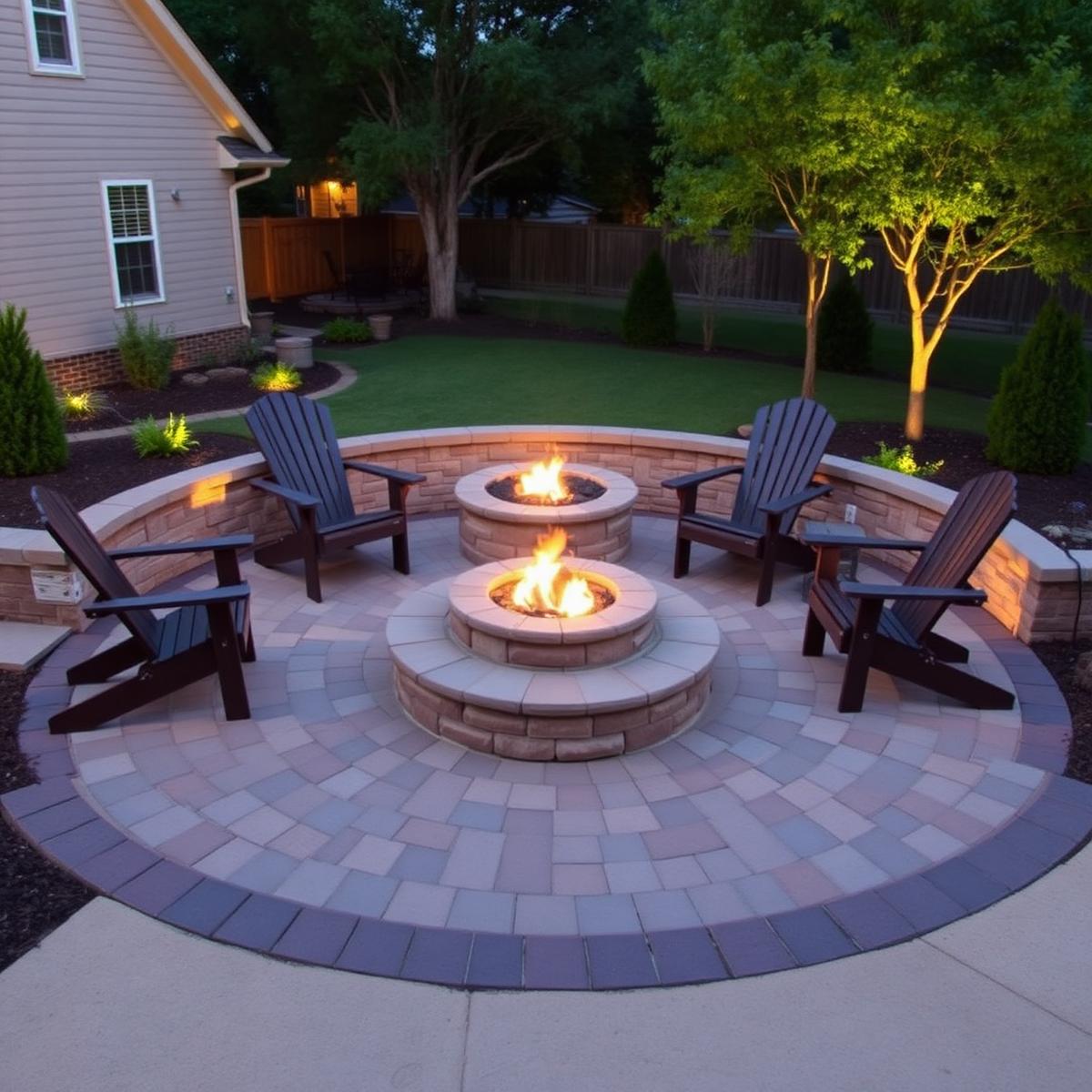
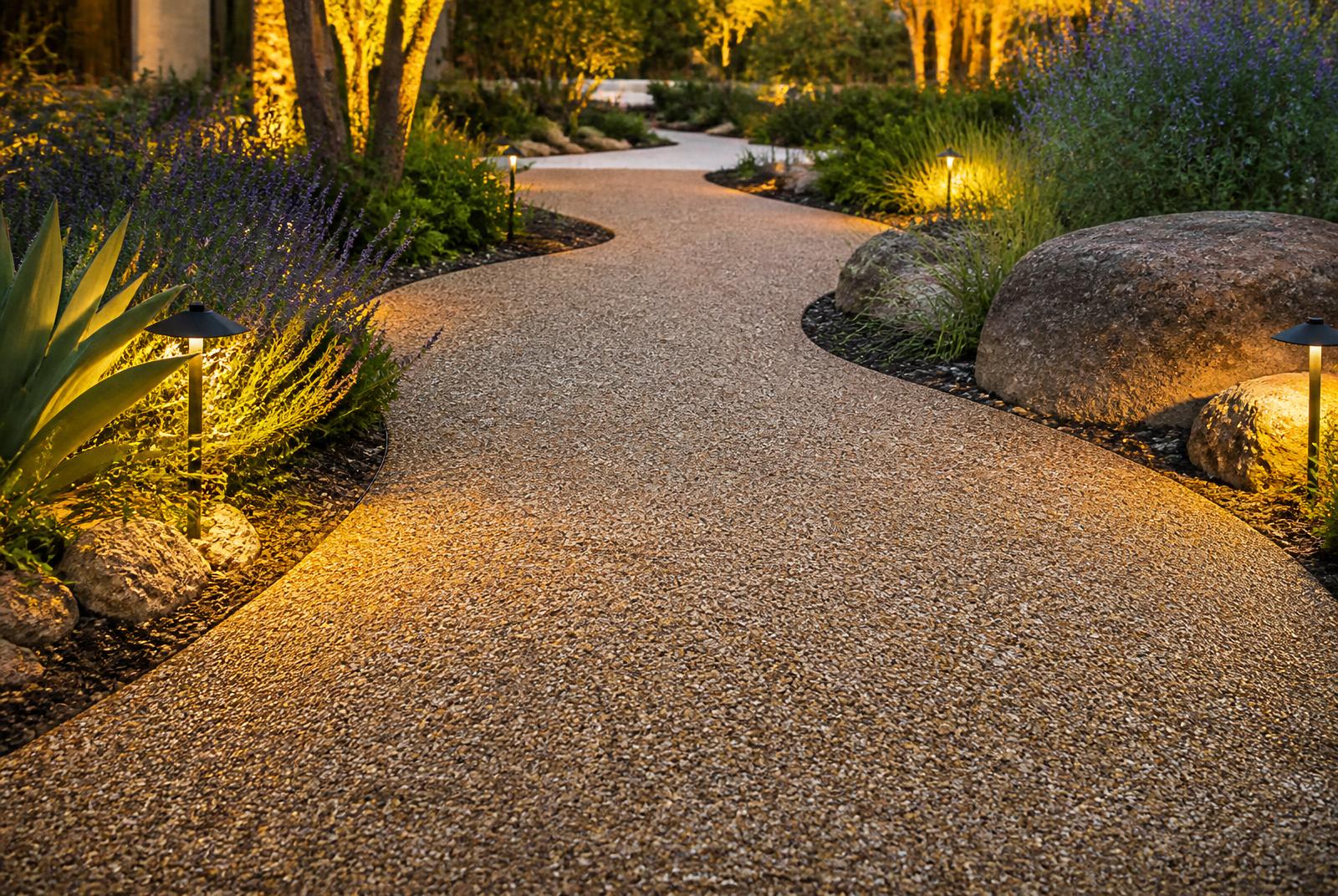
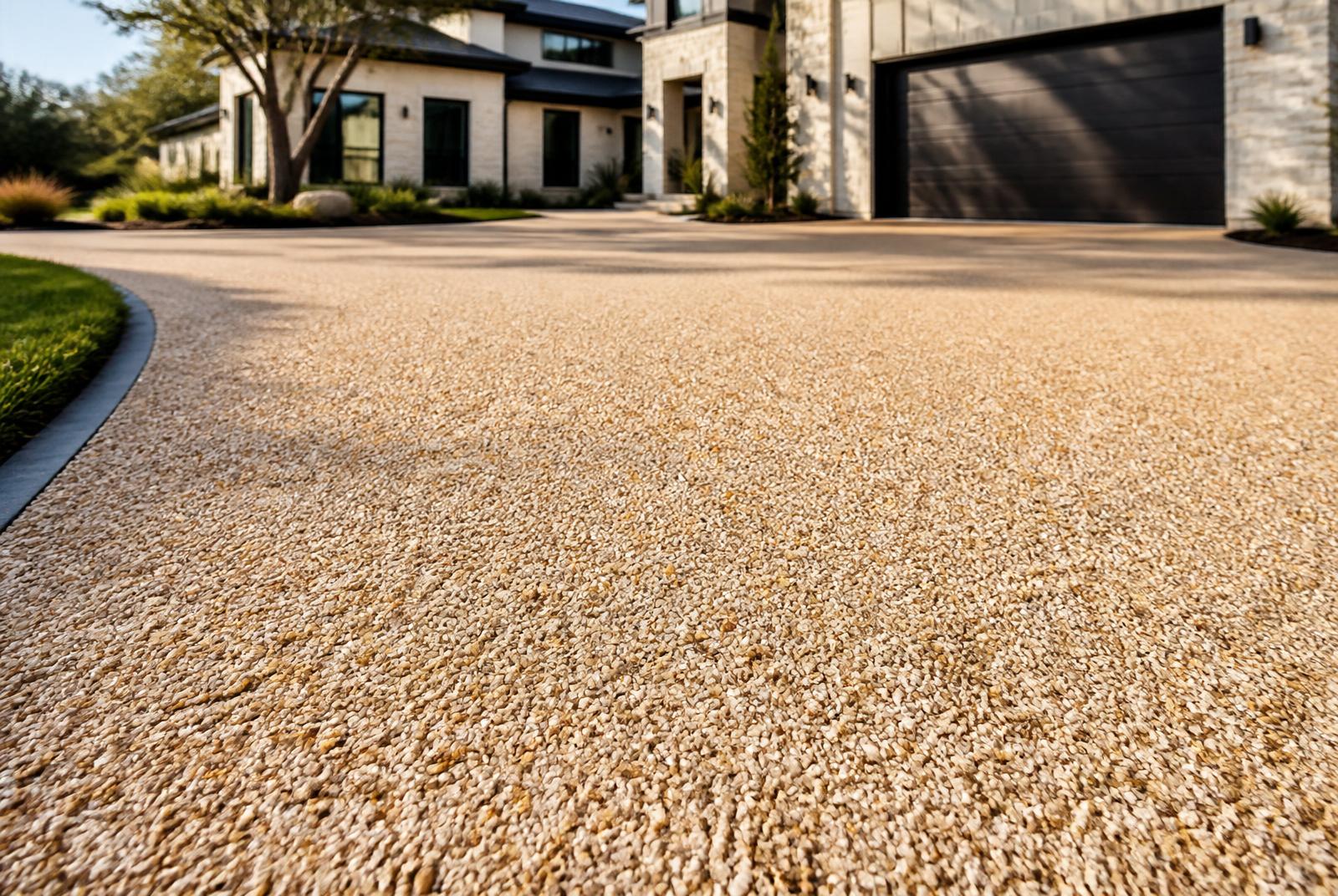
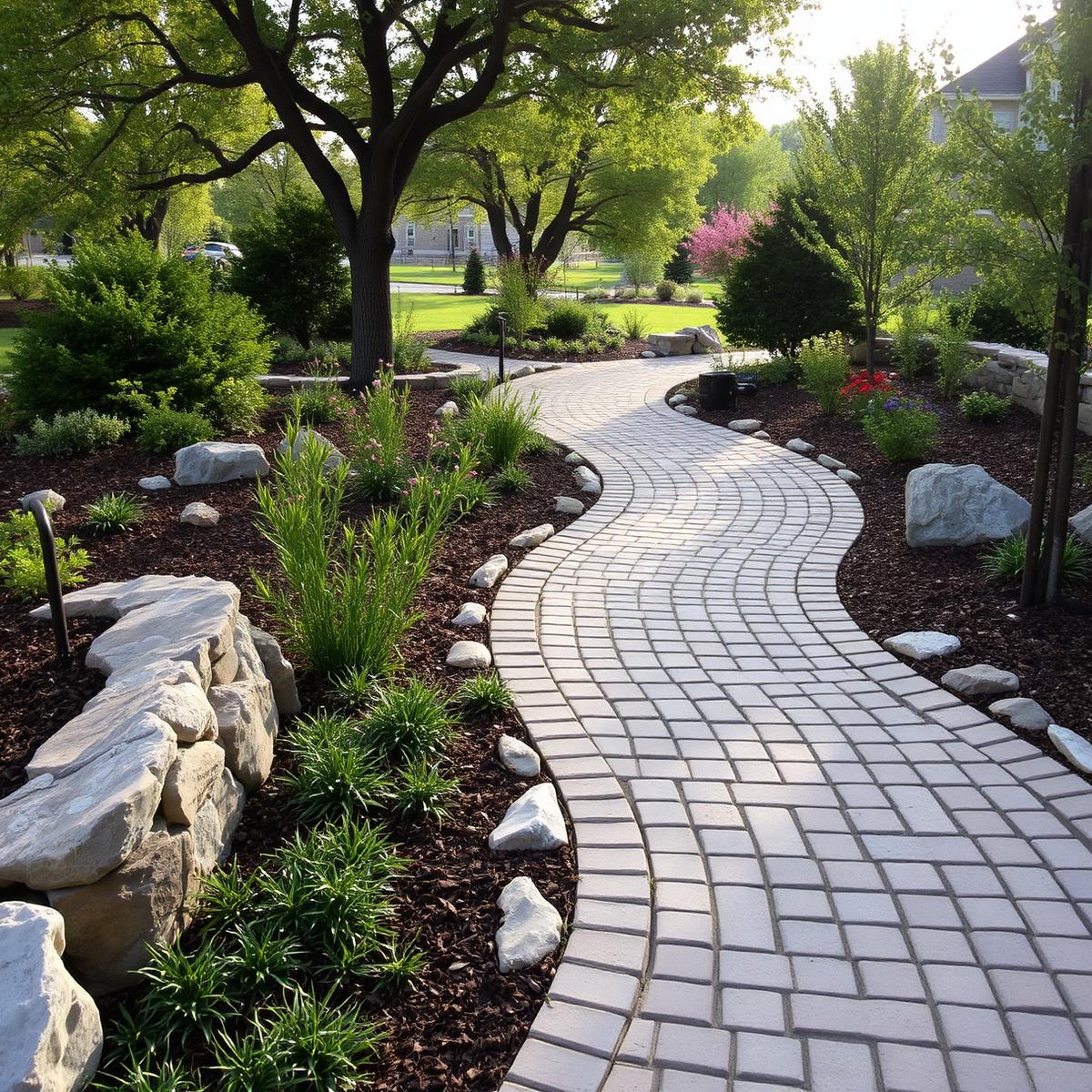
Yes, pavers can be installed directly over an existing concrete slab, provided the slab is structurally sound, stable, and sloped correctly for drainage. In Dallas–Fort Worth, overlaying an existing concrete patio or pool deck with thin pavers, travertine, or porcelain is a popular method to dramatically upgrade outdoor spaces without the added mess and labor cost of total concrete demolition.
However, an overlay is only as reliable as the concrete beneath it. Because North Texas expansive black clay soils cause ground shifting, any significant movement, settling, or structural cracking in your existing concrete slab will eventually transfer up into your new paver surface. Before committing to an overlay, a thorough evaluation of the concrete foundation and drainage path is essential.
What this means for a DFW homeowner
Overlaying pavers over an existing concrete slab offers a faster installation timeframe and lower initial labor expenses because you skip the heavy demolition step. However, adding 1 to 2 inches of new material on top of your existing patio or walkway changes several physical dynamics of your home's exterior that must be planned for carefully.
First, you must check clearance heights around door thresholds, sliding glass patio doors, and exterior siding. Raising the floor height by 1.25 to 2 inches can create trip hazards or allow rainwater to wash directly against wood trim and door sills if not detailed correctly. Second, existing step risers will change height; building codes require consistent step heights across stairs, so adjusting the first and last step is often necessary. Finally, if your current concrete slab already holds standing water or slants back toward your foundation, overlaying pavers will not fix that slope—it will simply mirror the drainage flaw.
Best surface or material options for this project
When overlaying an existing concrete slab on a DFW patio, pool deck, or walkway, thin pavers specifically designed for overlays offer the best performance and aesthetics.
- Thin Concrete Pavers (30mm / 1.25-inch): Manufactured specifically for concrete overlay projects. They keep the profile low while providing the classic look and durability of traditional interlocking pavers.
- Travertine Pavers (1.25-inch): Ideal for North Texas pool decks and covered patios. Travertine stays significantly cooler under the intense Dallas summer sun and delivers a luxury architectural finish over plain concrete.
- Outdoor Porcelain Pavers (20mm / 0.75-inch): Ultra-dense, stain-resistant, and lightweight. Porcelain overlays require minimal clearance height while offering sleek, modern aesthetics that resist chlorine and saltwater pool chemicals.
- Bullnose Coping Units: Essential for pool deck overlays and patio border edges to neatly conceal the exposed edge of the old concrete slab.
Base prep, drainage, and North Texas soil details
Installing pavers over concrete requires a completely different base preparation strategy than traditional sand-set installations over soil. Because concrete is an impermeable barrier, any water that penetrates the paver joints cannot sink deep into the ground. It travels down to the top of the concrete slab and must be directed away from the structure.
To manage this in North Texas:
- Drainage Weep Holes: We drill weep holes or install drainage gaps along the perimeter perimeter perimeter border mortar joints so trapped water drains freely off the slab rather than pooling beneath the pavers.
- Setting Bed Selection: Instead of a thick sand bed—which can wash away or trap moisture over concrete—we utilize a thin sand bed with geotextile fabric, synthetic pedistal/grid systems, or a dry-set coarse sand-and-bedding mix.
- Perimeter Border Mortar Bedding: The outside border pavers (soldier course) are bonded directly to the edge of the concrete slab using outdoor polymer-modified thinset mortar or high-strength polyurethane adhesive to lock the entire system in place.
- Managing Clay Soil Movement: Dallas–Fort Worth clay soil expands during spring rains and shrinks during summer droughts. If your existing concrete slab has wide, jagged structural cracks showing vertical displacement (one side higher than the other), the slab has active movement. Installing pavers over an active crack will cause reflection cracking or uneven pavers above. In those scenarios, full concrete removal is the only long-term solution.
Cost guidance in Dallas–Fort Worth
Pricing for paver installations in DFW starts at $20 per square foot installed. Choosing an overlay method saves money on concrete removal, but surface preparation, adhesives, edge finishing, and thinset work adjust overall project costs.
| Installation Type / Material | Cost Range (Installed per Sq. Ft.) | Best Suited For | Key Cost Drivers |
| :--- | :--- |
|---|
| Standard Concrete Paver Overlay | $20 – $32 / sq ft | Structurally sound concrete patios, walkways | Slab edge prep, door threshold adjustments, joint sand type |
| Travertine / Porcelain Overlay | $26 – $44 / sq ft | DFW pool decks, luxury outdoor living spaces | Premium stone material, wet-set perimeter coping, custom cuts |
| Full Teardown & New Paver Install | $26 – $44+ / sq ft ($20–$32 base + $6–$12 concrete demo) | Severely cracked, settled, or improperly sloped slabs | Concrete demolition, off-site hauling, 4-6" crushed aggregate base prep |
| Driveway Paver Overlay | Not Recommended | Heavy vehicular traffic | Driveways require full 2.36" pavers over aggregate base for weight distribution |
Note: Complex pattern designs add 15% to 25% to overall labor costs. Concrete demolition adds $6 to $12 per square foot depending on rebar reinforcement and slab thickness.
What to look for in photos or during a site visit
When evaluating your existing concrete slab or looking at past overlay projects in contractor portfolios, focus on these critical details:
- Doorway Transitions: Look at how the paver surface finishes against sliding doors, French doors, and garage entryways. Is there a smooth step down, or does the surface crowd the door frame?
- Exposed Edge Profiles: Check the outer edges of the patio or pool deck. A quality overlay conceals the old concrete slab completely using smooth bullnose coping or vertical stone facings.
- Slab Crack Inspection: During a site visit, your contractor should inspect all cracks. Hairline surface cracks are generally safe for overlays; cracks wider than 1/4 inch or slabs with vertical shifting signal foundation movement beneath.
- Water Slope Test: Look for dark algae stains or standing water marks on the old concrete. A contractor should check slope with a level to guarantee water flows away from the house foundation.
Paverston recommendation
If your existing DFW concrete patio or pool deck is structurally solid, has minimal hairline cracking, and pitches away from your home, an overlay with 30mm concrete pavers or 1.25" travertine is an excellent, cost-effective upgrade. It eliminates concrete disposal fees while delivering a premium hardscape finish.
However, if your slab is severely broken from expansive North Texas clay, lacks proper rebar, or slopes toward your back door, do not cover it up. Overlaying over a failing foundation will ruin your investment within a few seasons. Paverston recommends breaking out the damaged concrete, hauling it away, and constructing a flexible 4- to 6-inch crushed limestone aggregate base designed to handle local soil expansion.
Ready to find out if your concrete slab is eligible for a paver overlay? Contact Paverston online or call our local hardscape team at 214-228-1011 to schedule an on-site evaluation and detailed project estimate.
Related questions
Can you put pavers over a cracked concrete slab?
Yes, but only if the cracks are hairline cracks without vertical movement or wide gaps. If the concrete slab is actively heaving, settling, or breaking apart due to North Texas clay soil movement, those cracks will transfer up through the pavers. Severe cracking requires full concrete removal and base reconstruction.
How thick should pavers be when installed over concrete?
For pedestrian overlays like patios, pool decks, and walkways, thin pavers measuring 30mm (1.25 inches) or natural stone/porcelain measuring 20mm to 1.25 inches are ideal. They reduce total weight and prevent access issues around low doorway thresholds.
How do you prevent water from getting trapped under pavers on concrete?
Water management is handled by creating drainage channels and weep holes along the mortared outer border of the patio. Pavers are set on a thin sand bed or specialized open-graded bedding matrix, allowing water that passes through joint sand to drain harmlessly off the slab edges.
Can you lay pavers over a concrete driveway?
Overlaying thin pavers over a concrete driveway is generally not recommended in the Dallas–Fort Worth metro area. Vehicle weight creates extreme point loads that can break thin overlay pavers set on concrete. Driveways require standard 60mm (2.38-inch) pavers set over a properly compacted flexible aggregate sub-base.